



Driving Performance with Purpose: How I Lead One of Greyhound’s Top Teams
Safety, on-time performance, and customer experience are critical elements in intercity bus operations. But getting them right doesn’t come down to plans or protocols alone. It comes down to execution. How well your team performs on the ground, in real time, is what defines success.

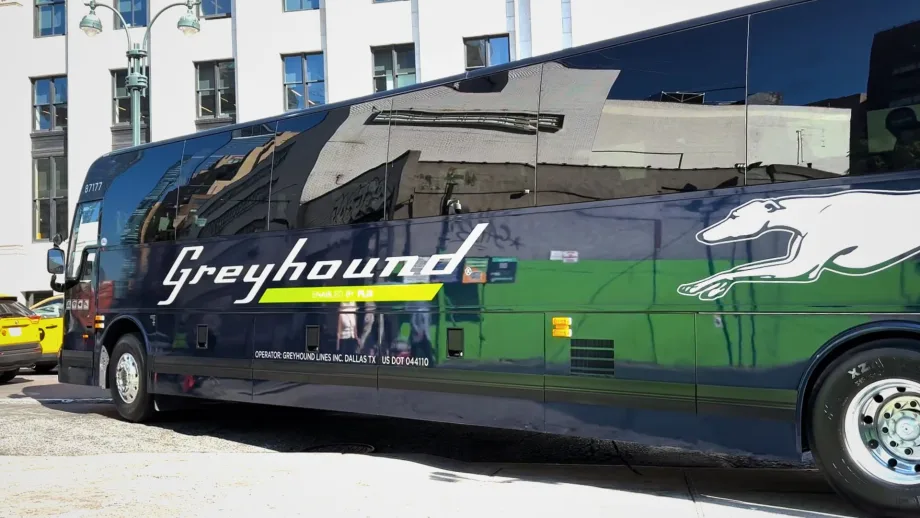
Greyhound equips every driver with everything they need to be ready to act, from emergency contact lists, routing protocols, and contingency plans.
Photo: Greyhound
- Effective execution is crucial to achieving safety, on-time performance, and enhancing customer experience in intercity bus operations.
- The success of bus operations relies heavily on the real-time performance and decision-making of the team on the ground.
- Planning and protocols are essential but need to be complemented by strong operational execution for optimal results.
*Summarized by AI
Safety, on-time performance, and customer experience are critical elements in intercity bus operations. But getting them right doesn’t come down to plans or protocols alone. It comes down to execution. How well your team performs on the ground, in real time, is what defines success.
With tight schedules, unpredictable weather, and ongoing labor challenges, it's easy to get caught up in the metrics. But after nearly 30 years in this industry — first behind the wheel, now leading one of Greyhound’s top-performing teams — I’ve learned that true operational excellence happens when you invest just as much in your people as you do in achieving performance targets.
When drivers feel supported, expectations are clear, and trust runs both ways, everything else — reliability, safety, cost control, and customer satisfaction — falls into place.
When I first stepped behind the wheel of a Greyhound bus in 1995, I didn’t have a roadmap for the next three decades. I just knew I’d always wanted to learn how to drive a bus. My father was a truck driver, and something about the open road always drew me in.
Buses, in particular, fascinated me. They were different from trucks or cars. More than just vehicles, buses served a purpose: they transported people. I loved the idea of being part of that, helping people get where they needed to go.
I started in New York City, in Spanish Harlem, with no prior experience. Of my training class of 72, only 18 graduated, and I was the only woman. That never deterred me.
In fact, it pushed me harder. I moved to Florida in 1998 and have been here ever since. Through storms, scorching heat, and tight schedules, the road challenged me and taught me something new every time I got behind the wheel.
That drive, the pride in purpose, the grit to keep going, and the lessons I’ve learned along the way are what I bring into my role today as an area driver manager for Greyhound.
After over 20 years of safe driving, nearly two decades as a union representative, including a year as union president, and leading one of Greyhound's top-performing driver teams, I’ve seen many sides of this industry. I know what it takes to keep a fleet running smoothly, and it starts with how you lead your people.
Why On-Time Performance Matters (and What It Takes to Get There)
Currently, my team sits at 98% on-time performance (OTP), the highest in the company for Q2. That doesn’t happen by chance.
In Florida, we’re up against intense heat, tropical storms, road closures, and traffic that can turn on a dime.
At Greyhound, we aim to look beyond the OTP number. It reflects how well we communicate, how much we trust each other, and how committed we are to our passengers.
This approach has made a tangible difference in our region. By focusing on communication, accountability, and support, we have made significant progress and set a high standard across the organization. This directly reflects Greyhound’s broader transformation, and I’m empowered to lead in a way that fits our team’s needs.
The most important thing I do as a leader is to stay connected with every person on my team. I don’t lead from a desk. I lead from the field, through conversations, and by picking up the phone at all hours when a driver needs support.
My drivers know they can reach me when something goes wrong, and they know I’ll do everything possible to help them resolve the issue. That trust is the foundation of our performance.
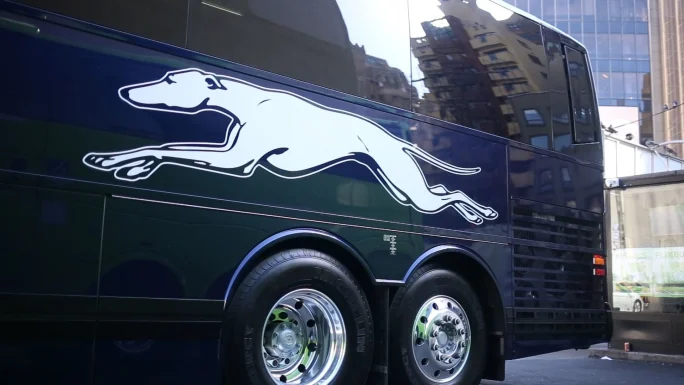
Safety, on-time performance, and customer experience are critical elements in intercity bus operations.
Photo: Greyhound
Empowerment and Expectation-Setting
A great leader produces great leaders.
I’ve always believed in empowering my drivers and supervisors to take ownership of their routes and responsibilities. That starts with clarity in expectation setting: this is what the company needs from you, this is what success looks like, and here’s how I’ll support you along the way.
Because I’ve been in their shoes, I understand the pressures they face. Sometimes all a driver needs is someone who’s been there to say, “I know this isn’t easy. Let’s find a solution together.”
Building that rapport and mutual respect is non-negotiable. It creates a culture where accountability isn’t fear-based. It’s a source of pride in delivering an excellent experience for our passengers and one another.
Coach, Don’t Command
I’m not a micromanager. I’m a coach. That means I don’t just give orders and expect results; I work alongside my team to understand what they need to succeed. I train my supervisors to lead with curiosity and care, not judgment. When something goes wrong, the first step isn’t to criticize, it’s to ask, "What happened? What do you need?" You’d be surprised how much ground you can cover just by listening first.
Accountability still matters, of course. However, when you approach it with a problem-solving mindset, people feel supported rather than targeted. That’s how you build a culture where drivers want to do better, not because they fear the consequences, but because they know someone believes in them.
We also make a point of celebrating wins, big or small.
If someone nails a challenging route, handles a tough situation with a passenger, or consistently shows up on time and prepared, I ensure they hear it from me.
Recognition builds pride, and pride builds performance. I make sure my team knows I care about their success. And because of that, they show up for it — and each other.
Leading Through the Storm (Literally)
In Florida, hurricane season is a reality we must navigate every year. Indeed, you can’t control the weather, but you can control how you prepare for it. My team checks forecasts before every trip. If there’s a threat, we hold buses until they’re safe. If a storm rolls in mid-route, our drivers know exactly what to do: when to stop, where to go, who to call.
We equip every driver with everything they need to be ready to act, from emergency contact lists, routing protocols, and contingency plans.
The well-being of our drivers and passengers is always our top priority, and it’s essential to give drivers the confidence to navigate the challenges effectively.
A prepared driver is calm and capable, even in the most unpredictable conditions. Driver managers are often their guiding light in these situations, and they must know you’re there for them every step of the way.
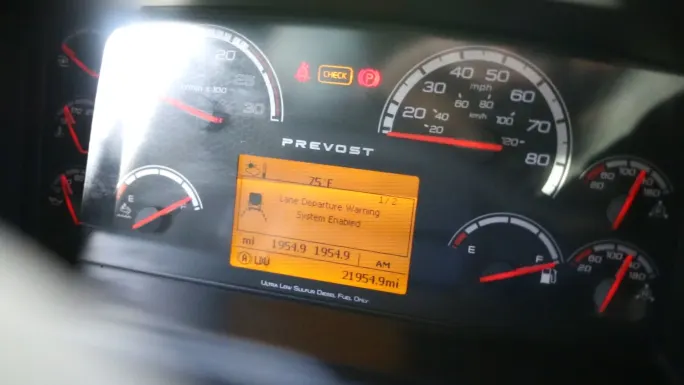
A prepared driver is calm and capable, even in the most unpredictable conditions.
Photo: Greyhound
Balancing Empathy and Performance
One lesson I learned early in my career was to set aside my “New York attitude” and listen to others. You never know what kind of day someone, whether a passenger or a colleague, is having.
Patience, empathy, and emotional intelligence are essential in this job.
That doesn’t mean letting things slide. It means understanding context and responding thoughtfully.
When a driver is struggling, I don’t start with blame. I start with a question: what’s going on, and how can I help? That simple shift builds loyalty and opens the door for real improvement.
Lessons for Fleet Leaders
If you’re a fleet or transit leader looking to boost your OTP, here are a few takeaways from my experience:
- Be available. Drivers are out there making split-second decisions. Knowing they have someone in their corner who will answer the phone makes all the difference.
- Set expectations early and reinforce them often. Clarity removes confusion. Drivers need to know what’s expected and what excellence looks like.
- Coach, don’t command. Meet people where they are and help them grow. Invest in their success, and they’ll invest in yours.
- Prepare for the unpredictable. Weather, traffic, mechanical issues, and unexpected challenges are inevitable. Have a plan, communicate it, and revisit it regularly.
- Lead with empathy. You can hold people accountable and be compassionate at the same time. In fact, it’s the most effective way to lead.
For me, leadership is deeply personal. It’s about remembering where I came from — from Harlem to the open roads of Florida — and using every lesson I’ve learned to lift others up.
Greyhound has given me an incredible platform to grow and give back. I’m proud of what we’ve built here, and I’m proud of the team that delivers one of the best on-time performance rates in the company, every single day.
It’s also proof that investing in frontline leadership works. When managers are given the tools and trust to lead, they build stronger teams, deliver better results, and help shape a lasting culture of excellence.
This work isn’t easy. But when you do it with heart and lead with purpose and care, it becomes something much bigger than a job. It becomes a legacy.
Quick Answers
Safety, on-time performance, and customer experience are critical elements in intercity bus operations.
*Summarized by AI
More Blog Posts
Improving Transit Accessibility by Offering Assistive Listening
Did you know that there are literally tens of millions of people worldwide with hearing loss, many of whom will use some form of public transit at some point?
Read More →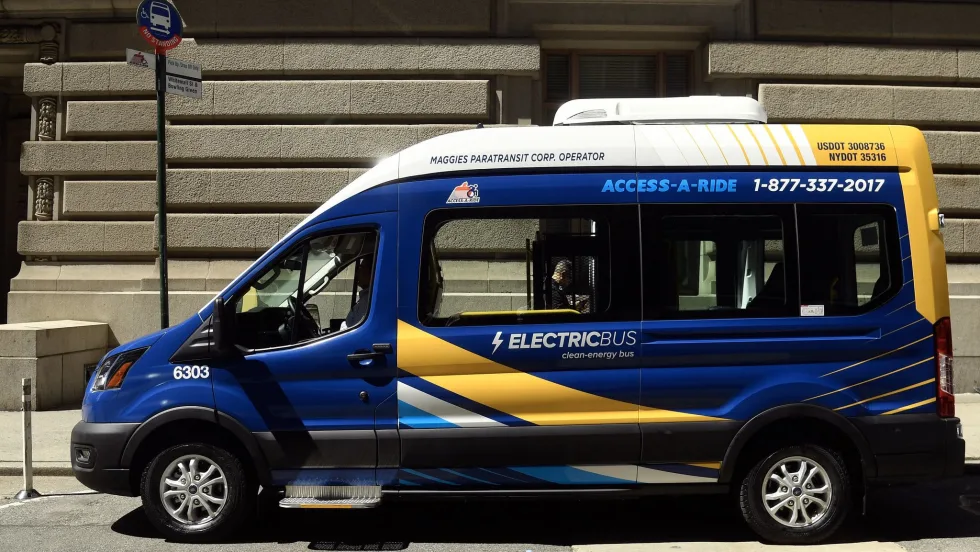
35 Years of the ADA, Making Travel Easier for Seniors
Thirty-five years after the passage of the Americans with Disabilities Act of 1990 (ADA), the impact of this landmark piece of civil rights legislation cannot be overstated.
Read More →
Navigating Emerging Privacy Laws: A Call to Action for Service Providers in Mass Transit
With Data Privacy Day Jan. 28, I want to spotlight a critical challenge faced by service providers in the mass transit sector: managing personal information responsibly in an era of rapidly evolving privacy regulations.
Read More →
Human Trafficking Awareness: What Public Transportation Can Do?
January is National Slavery and Human Trafficking Prevention Month in the U.S., and January 11 is National Human Trafficking Awareness Day.
Read More →
Want to Improve Transit Safety and Operations? Break Down the Silos
Retrieving and reviewing data and video can be a cumbersome process for fleet managers. Each system or tool provides a piece of the puzzle, but seeing the complete picture requires tedious manual synchronization.
Read More →
Ensuring Public Transit Cybersecurity Through Robust Protective Measures
In today’s highly connected world, cybersecurity is of utmost importance, particularly for transportation agencies overseeing transit bus systems that rely increasingly on sophisticated technologies, including the use of data analytics in traffic signal networks, to manage and operate their systems.
Read More →
How Advances in Thermal Management Revolutionize Urban Mobility
In the daily hustle and bustle of city life, transit buses serve as the backbone of urban transportation, allowing millions of city dwellers to get from point A to point B each day reliably.
Read More →
The Evolution of Bus Design
Thirty years ago, drivers not only had to drive the bus and navigate heavy traffic, but they were also responsible for tasks like supervising passenger loading and unloading, selling tickets, and providing passengers with various kinds of information, all while sitting in an often ill-fitting workstation.
Read More →
What 'Transit Safety 101' Really Means
Safety, Safety, Safety. This word is used repeatedly, and in many contexts, without most people understanding what it actually means.
Read More →
5 Ways AI Will Impact the Bus and Motorcoach Sector
The old joke that you wait ages for one bus and suddenly three come along at once may be consigned to the history bin thanks to developments in artificial intelligence (AI).
Read More →