




Looking Back: Metal Detector Pilot Program Coming to St. Louis' Metrolink
St. Louis Metro Secure Platform Plan Continues to Show Positive Impact on Ridership and Safety
Metro Transit’s Secure Platform Plan is boosting ridership and cutting safety incidents with upgraded stations, new security features, and a modern fare system.
August 14, 2025

Metro Transit’s Secure Platform Plan upgrades, including gates, fencing, and cameras, are boosting ridership and cutting safety incidents.
Source: Metro Transit
2 min to read
Ongoing improvements in ridership and declines in safety-related incident numbers are some of the highlights included in Metro Transit’s latest update on the Secure Platform Plan (SPP), continuing positive trends first noted last month.
The Secure Platform Plan is a comprehensive strategy to enhance safety and improve the passenger experience by installing new security gates, fencing, and surveillance cameras, fed into the Real-Time Camera Center, at all existing 38 MetroLink stations in Missouri and Illinois, and a 39th station under construction at Mid-America Airport.
Eleven MetroLink stations are fully upgraded and operational in an interim mode until new fare validators are installed.
Installation of the new security infrastructure is currently underway at multiple MetroLink stations as part of Phases III and IV of SPP, including concrete and electrical work at each station in preparation for their new advanced security gates, which are expected to be delivered in the coming weeks.
Construction activities for both phases remain on schedule to complete infrastructure upgrades at all MetroLink stations by January 31, 2026.
Although construction is still in progress, SPP is already seeing positive results. The update notes that Metro Transit continues to see ridership growth at stations that have already completed their SPP upgrades, with riders enjoying improved lighting, a better station layout with clearly defined access points, and a stronger on-site security presence.
This growth in ridership is complemented by a significant decline in safety incident numbers per 100,000 passenger boardings between the first and second quarters of 2025.
“We are still in the early stages of the Secure Platform Plan implementation, but are very pleased to see these initial results. By combining thoughtful design with new technology and targeted security measures, we are providing a stronger, safer transit experience, and our customers are noticing,” said Kevin Scott, executive VP of public affairs and security for Bi-State Development, which operates Metro Transit.
The August update also highlights progress on Metro Transit’s upcoming transition to a new contactless fare system. The agency has partnered with Masabi and Indra on the new fare system, and their representatives were recently in town with prototypes of new ticket vending machines and fare validators to allow staff to begin testing and early system integration.
When completed, the new fare system will provide transit riders with new, easy-to-use fare options that will integrate seamlessly with the new fare gates.
“The Secure Platform Plan project is delivering real, measurable results in the form of safer stations and stronger public confidence in our transit system,” Scott added. “We look forward to seeing these positive trends grow as we continue to make progress on this important initiative.”
More Management
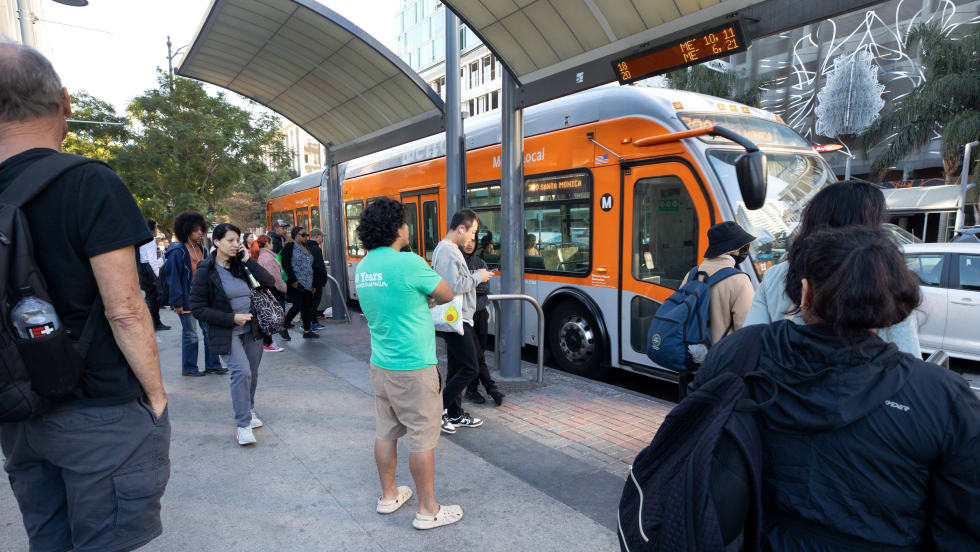
LA Metro Ridership Continues Growth as Rail Gains Accelerate
New rail connections and major events help drive continued ridership gains, with Metro recording its eighth consecutive month of year-over-year rail growth.
Read More →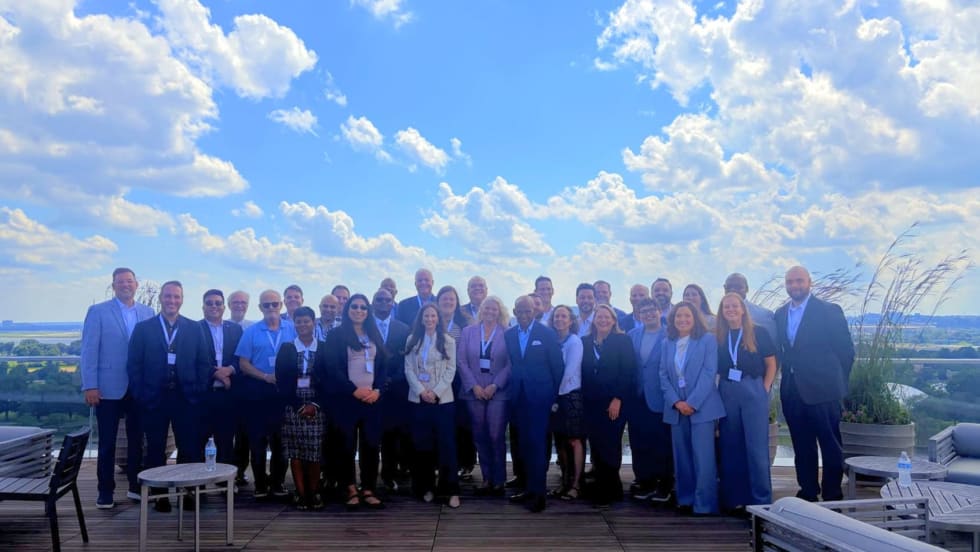
TransDASH Summit Focuses on Measuring What Matters in Transit
Transit agencies unveil a national performance platform designed to benchmark customer experience, safety, community value, and other outcomes.
Read More →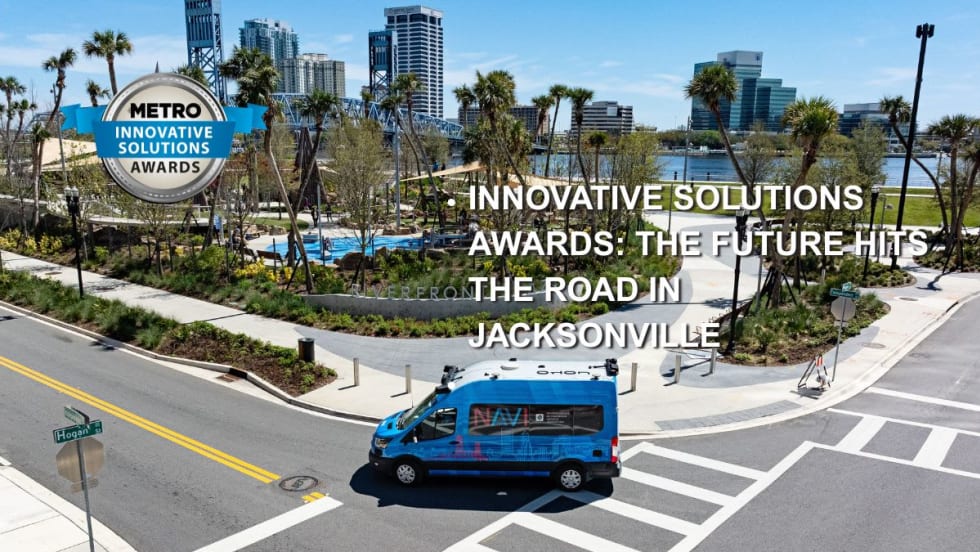
Jacksonville’s NAVI Project Charts a New Course for Autonomous Public Transportation
Through its NAVI program, JTA is showing how autonomous vehicles, intelligent infrastructure, and coordinated operations can work together to deliver everyday public transportation.
Read More →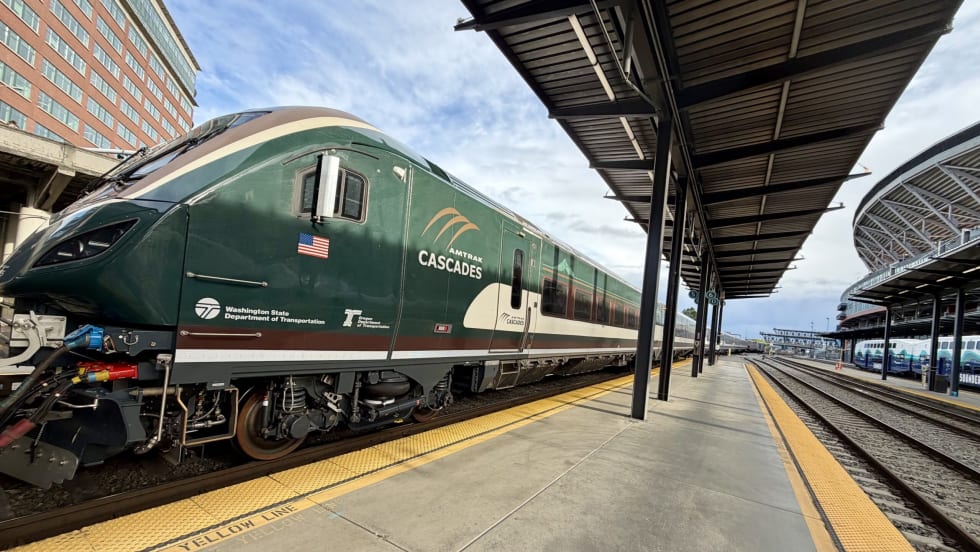
FRA Announces $5.3B in Rail Investments, Including $2B for Amtrak
Funding will support grade-crossing improvements, infrastructure upgrades, and new Amtrak equipment in 23 states.
Read More →
Finding the ‘Happy Medium’: Optimizing Maintenance Without Sacrificing Reliability
The key to maintenance optimization isn’t doing less work—it’s doing the right work at the right time on the right assets.
Read More →
People Movement: MARTA Drops Interim Tag on GM/CEO Hunt and More
In this edition, METRO covers recent appointments and announcements at the FMCSA, HDR, SilverRide, and more, showcasing the individuals helping to shape the future of transportation.
Read More →
VIA Metropolitan Transit Reports 2 Million More Passenger Trips as Better Bus Plan Gains Momentum
San Antonio's transit agency said accelerated service improvements are driving ridership growth, offering another example of how increased frequency and workforce investments can translate into stronger transit performance.
Read More →
ABAF Study Reveals Growing Insurance Crisis for Motorcoach Operators
Preliminary findings show 98% of operators faced premium increases over the past five years, while shrinking insurer participation is putting added pressure on businesses and customers.
Read More →
PSTA Modernizes Workforce Management with Digital Bidding System
The award-winning Workforce Transit Modernization project replaced paper bidding with a transparent digital platform, cutting administrative effort while improving access for operators.
Read More →
Chicago to Host Public Transportation's Biggest Gathering at APTA TRANSform & EXPO 2026
North America’s largest public transportation gathering returns to Chicago, connecting transit decision-makers with the technologies, ideas, and partnerships driving the industry forward.
Read More →