



Transit Agencies Focus on Delivering Seamless Digital Ticketing Experiences
HID industry report reveals the rider expectations and top trends that are reshaping ticketing hardware.
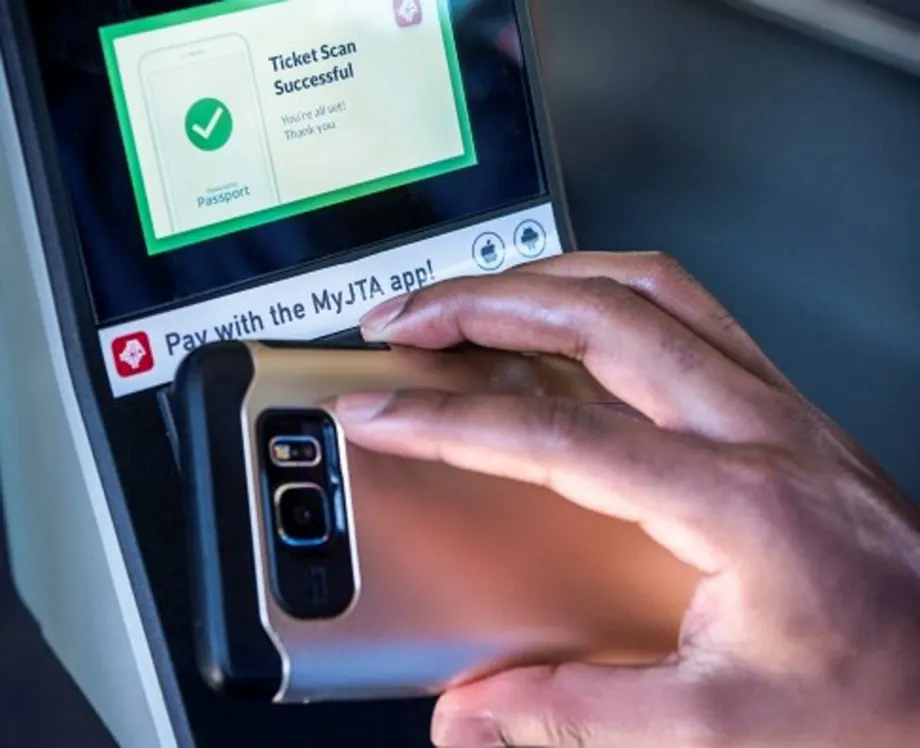
Mobile ticketing is steadily gaining traction, with 58% of agencies adopting app-based payment systems.
Photo: HID
- Transit agencies are prioritizing seamless digital ticketing to meet evolving rider expectations.
- Key trends are influencing changes in ticketing hardware as identified by an HID industry report.
- The focus is on enhancing the digital experience to improve rider satisfaction and streamline operations.
*Summarized by AI

Riders now expect modern contactless ticket validators that process their ticketing transactions in seconds, without long lines and unacceptable operational friction.
Photo: HID
A shift to new transit ticketing hardware solutions, including contactless ticket readers and automated fare validators, is transforming fare collection.
As reported in HID’s State of Mass Transit Ticketing Hardware Report 2025, a passenger-centric revolution is stoking demand for user-friendly solutions that are durable and efficient. These solutions also improve agency decision-making through the ability to gather and analyze passenger ridership data and provide an open-architecture, non-proprietary foundation for increasing flexibility while simplifying implementation and updates.
Survey Reveals that Contactless is King
There are multiple ways for mass transit providers to connect with passengers, including the reliability of their service, how comfortable the ride experience is, and the types of amenities they offer, such as Wi-Fi.
However, one of the most significant changes in the past 15 years is how passengers pay for their trips.
Traditional systems, such as fareboxes, cash payments, and closed-loop cards, remain prevalent, particularly in North America, where 87% of agencies rely on these solutions.
Mobile ticketing is steadily gaining traction, with 58% of agencies adopting app-based payment systems. Europe is leading this shift, with 86% of agencies embracing mobile technology.
Meanwhile, open-loop EMV systems are rising in popularity and are now used by over a third of agencies worldwide. Magnetic stripe technology is rapidly phasing out, signaling a broader transition to modern systems.
In short, riders now expect to use QR codes, smart cards, and mobile wallets for instant boarding. They want modern contactless ticket validators that process their ticketing transactions in seconds, without long lines and unacceptable operational friction. This is the baseline expectation, which requires reliable ticket validators.
A complete 43% of respondents in HID’s survey said they aim to implement contactless ticketing systems, with 88% planning deployment within the next 12 to 24 months.
Freedom from Proprietary Hardware
Another key trend is the transition to open systems that do not limit upgrade options the way proprietary hardware does.
According to HID’s report, agencies are prioritizing non-proprietary hardware to future-proof their systems. This enables them to integrate their solutions with multiple vendors and adopt new and emerging technologies while cost-effectively scaling operations.
With open systems, this level of flexibility can be achieved without sacrificing performance.
Open systems can also ensure compatibility with future upgrades. This helps make agencies more responsive to riders' needs as they evolve.
Growing Focus on the Rider Experience
Every touchpoint across the ticketing journey influences how riders perceive an agency’s service. They want fast, intuitive, and reliable ticket validation from the fare gate to the platform and on to onboarding the bus.
Therefore, agencies highly value interfaces that can read multiple ticket types, enabling a broad range of fare media to ensure a seamless passenger experience.
Sixty-six percent of respondents in the HID survey said they rank user-friendly interfaces as the most critical feature in ticketing hardware. They know that when they invest in user-friendly ticket validation hardware, they invest directly in growing your ridership.
It is not enough, though, to deliver the best possible rider experience. This experience must also be secure, and it must comply with industry standards for protecting passenger payment data from cyber threats.
PCI PTS 6.x is the latest security standard for payment terminals, designed to strengthen encryption, prevent fraud, and ensure secure transaction processing.
Established by the PCI Security Standards Council, it helps protect against evolving payment threats and enhances overall payment security.
PCI PTX 6.x compliance is critical for numerous reasons:
- Data Protection: Ensures passenger payment data is safeguarded by advanced encryption and authentication measures.
- Enhanced Performance: Implements optimized cryptographic protocols that minimize payment processing delays for an improved passenger experience.
- Security & Compliance: Minimizes the risk of fraud and data breaches by ensuring transactions are secure and meet regulatory requirements.
- Future-Ready: Provides long-term protection through 2031 as security requirements evolve and can often be achieved through a firmware update to existing ticketing hardware.
Generating Long-Term Savings
HID’s survey also revealed that 38% of agencies prioritize adopting non-proprietary hardware not just to future-proof their systems but also to reduce long-term costs.
Agencies also know that aging systems burden their budget with high maintenance demands while adversely impacting cash handling processes.
Upgrading to modern ticket validation hardware delivers many opportunities to generate ongoing operational savings while improving service quality. This upgrade also helps decrease maintenance costs and expenses associated with cash management while allowing remote system updates — a significant benefit for maintaining service continuity.
Next-generation ticketing systems also deliver savings by doing more with less. By consolidating barcode scanning, NFC reading, and contactless payments into a single device, multi-functional readers reduce maintenance needs and minimize service disruptions. This streamlines operations while making them more reliable and less costly to manage.
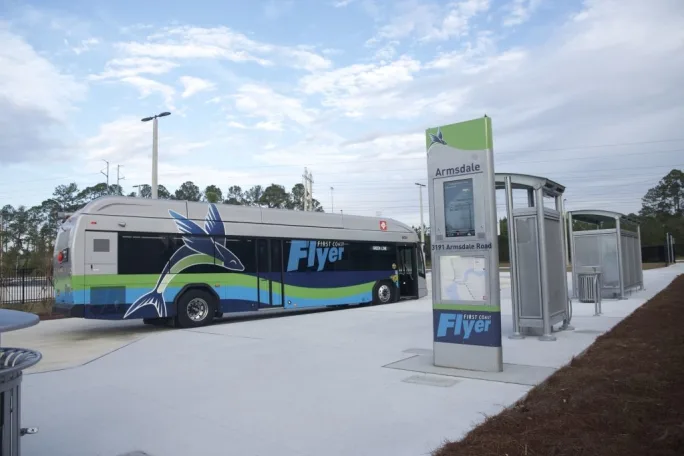
Sixty-six percent of respondents in the HID survey said they rank user-friendly interfaces as the most critical feature in ticketing hardware.
Photo: JTA
Tickets to Long-Term Success
As the HID report highlighted, the future of ticketing and fare collection focuses on several key trends. These include prioritizing contactless and open payment systems, implementing multi-function readers, and deploying more efficient validators.
Together, these innovations future-proof investments while creating long-term operational savings.
Agencies are also improving the passenger experience through rider-focused ticket reading interfaces.
At the same time, they're complying with PCI PTS 6.x standards to strengthen encryption, prevent fraud, and ensure secure processing of contactless payments.
Agencies know these initiatives are the ticket to long-term transit ticketing success. Their solution providers are focused on delivering scalable and adaptable systems that will be essential to achieving this success.
About the Author: Fernando Herkenhoff is Regional Sales Director, Mass Transit, with HID
Quick Answers
The HID industry report reveals that rider expectations and top trends are significantly influencing the development and improvement of ticketing hardware.
*Summarized by AI
More Technology

ENC Lands MATA Contract and More in Biz Briefs
In this edition of Biz Briefs, we spotlight the latest developments shaping the future of mobility.
Read More →
Strada360’s Steve Lassey on Turning Transit Data Into Better Decisions
From breaking down data silos to preparing for AI, Strada360 CEO Steve Lassey discusses how transit agencies can use technology to improve operations, customer information, and long-term decision-making.
Read More →
Almaviva Looks to Open Architecture to Advance Transit Technology
Eric Reese discusses how interoperability, open architecture, and modular design can help transit agencies control costs, reduce vendor lock-in, and upgrade technology without starting over.
Read More →

Driving Smarter Paratransit
John Hanlon shares how AlphaRoute is leveraging AI-powered technology to help paratransit providers optimize operations, support frontline staff, and enhance the rider experience.
Read More →
From Hardware to Digital Partner: Luminator Charts Its Next Chapter
CEO Magnus Friberg discusses Luminator’s shift toward becoming a digital partner, the growing importance of software and interoperability, and how AI can help agencies improve operations and passenger experience.
Read More →
Beyond the Checklist: A Structured Approach to Transit Maintenance
Reliability-Centered Maintenance helps transit agencies move beyond routine checklists to focus limited resources on the assets and failures that have the greatest impact on safety, reliability, and service.
Read More →
NJ TRANSIT Advances Bus Technology Upgrades Across Statewide Fleet
More than 1,500 buses now feature upgraded technology designed to improve arrival predictions and provide free Wi-Fi, with deployment expected to reach nearly 2,000 buses by the end of 2026.
Read More →
Building a Flexible Path to Transit Electrification
John Hroncich discusses BAE Systems’ modular and scalable approach, lessons learned from decades of real-world operations, and how agencies can identify electrification strategies that fit their fleets.
Read More →
Biz Briefs: Alstom Lands Canadian Contract, LYT to Supply California TSP, and More
In METRO's latest installment, we take a look at recent news from Complete Coach Works, Beep, FlixBus, and more partnerships making headlines across the transportation sector.
Read More →
From Legacy Silos to Conversational Intelligence
What if transit leaders could ask any operational question and get a trusted answer in seconds? Conversational AI is transforming how agencies use their data.
Read More →