



New Campaign to Highlight Montréal Transit's Importance
The campaign will be featured across the STM’s digital communication channels, online, through signage in the métro network, on bus shelters, and also on roadside billboards.

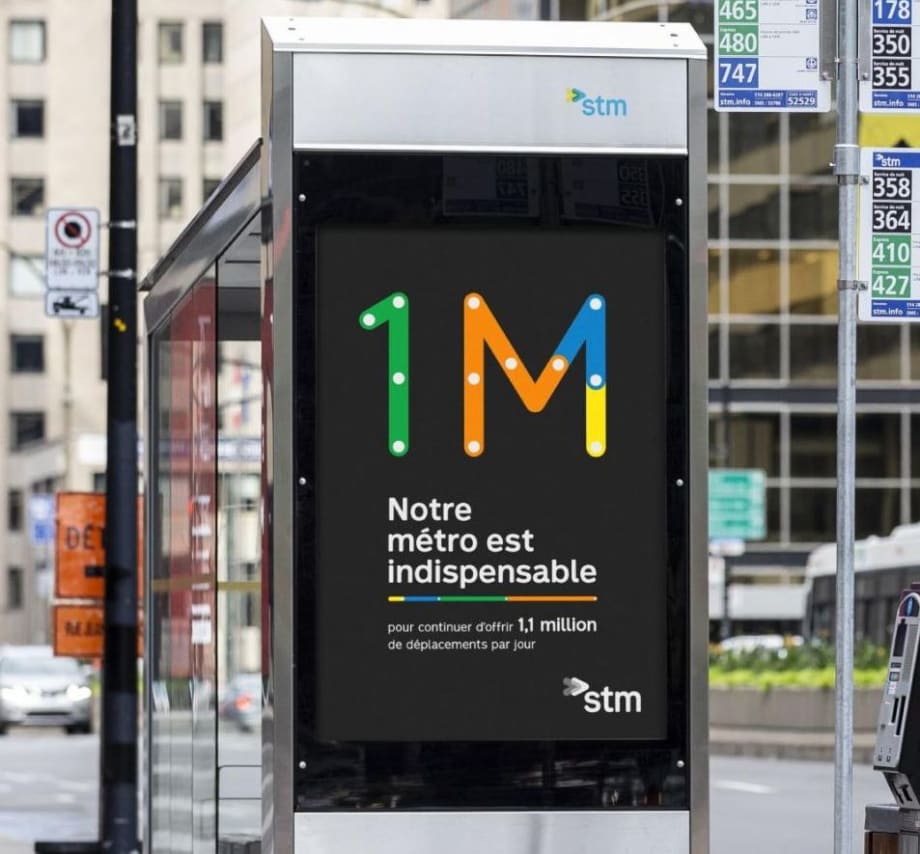
The STM campaign was designed in-house, and advertising costs will be covered under STM partnerships, except for printing costs.
Photo: STM
The Société de transport de Montréal (STM) is launching a public campaign to emphasize the importance of the system’s role in society and, as a result, raise awareness of the need to maintain it so that it remains reliable and safe properly.
The campaign will be featured across the STM’s digital communication channels, online, through signage in the métro network, on bus shelters, and also on roadside billboards.
STM’s New Campaign
The campaign was designed in-house, and advertising costs will be covered under STM partnerships, except for printing costs.
“The Montreal métro represents more in daily trips than any other transportation infrastructure in the country —even more than all five South Shore bridges combined. As long as it’s functional and operating well, we don’t realize how important it is to each of us. It’s taken for granted,” explains STM board chair Éric Alan Caldwell. “However, if we don’t maintain it, it won’t be able to continue to play that role and deliver all the expected services and benefits. Without it, mobility in Greater Montréal is affected.”
Without the métro, thousands of daily trips would be impossible, said STM.
The métro is essential for:
Continuing to provide service for 1.1 million daily trips on the STM network.
215,000 workers who use it every day.
175,000 students take it daily.
The STM collaborates with 1,500 Quebec suppliers.
Reducing traffic congestion costs the Montreal economy more than $6 billion.
Combating climate change by using electricity and generating no GHG emissions.
Fighting Time
The investment deficit for asset maintenance is $6.6 billion and continues to increase each year, according to STM officials.
The average age of métro assets is 48 years, with the aging having very real consequences, including:
40% of metro assets are in poor condition.
A plus 267% increase in service interruptions caused by equipment breakdowns over 10 years.
A 300% increase in critical equipment reports between 2018 and 2022.
The MR-73 trains, which are almost 50 years old, are about 11 times less reliable than the AZUR trains and are among the oldest in the world.
An increase in unexpected closures, such as the shutdown of Saint-Michel station last fall, has occurred.
“The métro, which will turn 60 in 2026, is still safe, but this data reminds us that it mustn’t be taken for granted. It must be maintained so that it continues to deliver all the benefits expected of it,” said STM Executive Director Marie-Claude Léonard. “This inevitably requires additional funding for asset maintenance, which we are still waiting on from the Quebec government. We urge them to step up and deliver.”
More Management

PSTA Modernizes Workforce Management with Digital Bidding System
The award-winning Workforce Transit Modernization project replaced paper bidding with a transparent digital platform, cutting administrative effort while improving access for operators.
Read More →
Chicago to Host Public Transportation's Biggest Gathering at APTA TRANSform & EXPO 2026
North America’s largest public transportation gathering returns to Chicago, connecting transit decision-makers with the technologies, ideas, and partnerships driving the industry forward.
Read More →
New Tricks for Old Bureaucracies: Joshua Schank on Making Transit Innovation Stick
Former LA Metro Chief Innovation Officer Joshua Schank discusses why good ideas aren't enough, how transit agencies can overcome resistance to change, and why today's challenges demand more innovation.
Read More →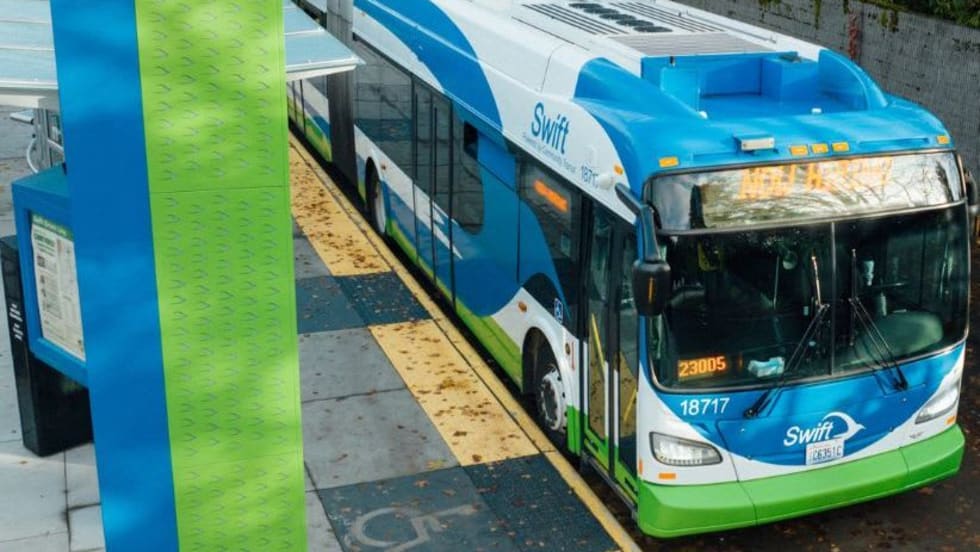
Washington's Community Transit Sets Six-Year Roadmap for Growth, Expansion
Approved TDP targets more bus service, new mobility options, Swift BRT expansion, and a potential Everett Transit annexation.
Read More →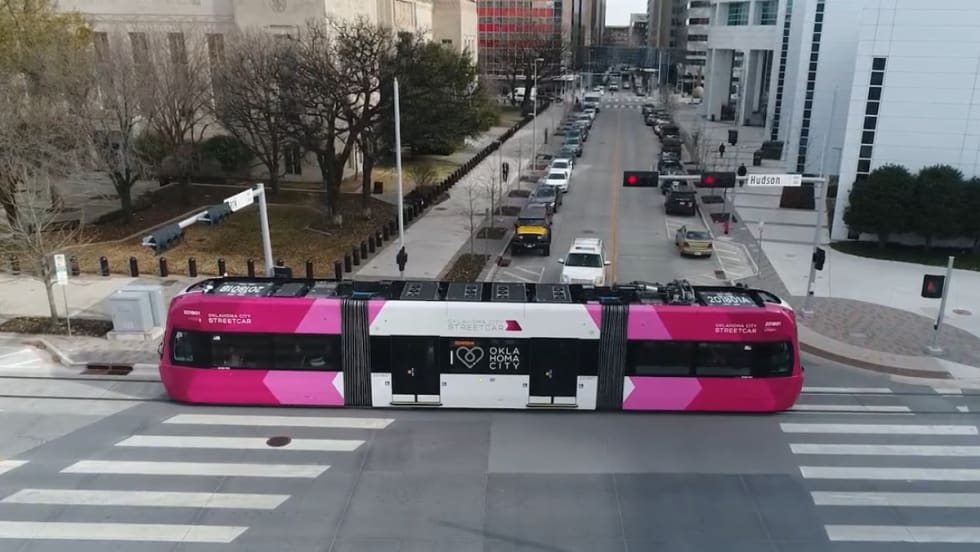
OKC Streetcar Makes Zero-Fare Service Permanent
Ridership increased an average of 71% compared with the same period a year earlier during the fare-free pilot.
Read More →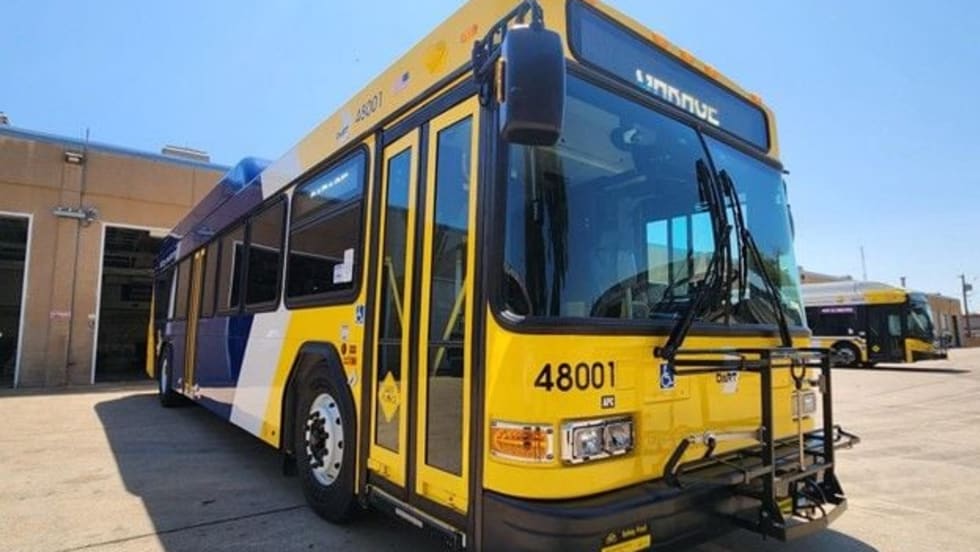
DART Customer Satisfaction Reaches Six-Year High
Overall satisfaction rose to 74.9%, while the agency’s Net Promoter Score reached a record 33.7.
Read More →
House Surface Transportation Bill Advances as Transit Funding Debate Intensifies
A bipartisan transportation package moving through Congress could redefine how the U.S. funds highways, transit, and motorcoach travel, while igniting new fights over electrification, regulation, and federal priorities.
Read More →
How Data, Strategy, and Community Engagement Are Reshaping Transit
In this edition of METROspectives, strada360 CEO Steve Lassey discusses how transit agencies can better align planning with operations, leverage data to improve decision-making, and build public trust as they prepare for the future of mobility.
Read More →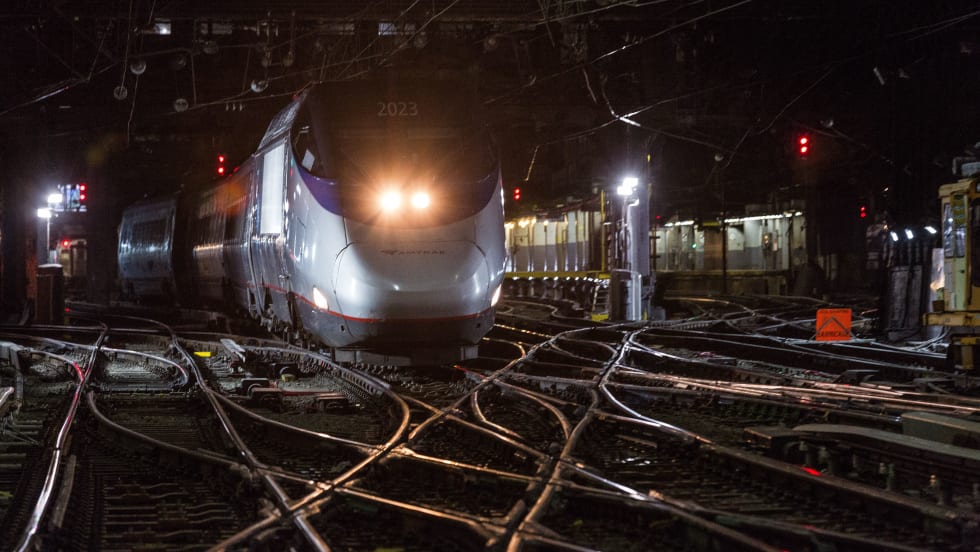
Amtrak Board Advances Plan to Restructure Organization, Seeks Public Input
The proposal, developed by Amtrak management and approved by the board for further consideration, is intended to modernize the organization's structure while improving accountability, operational efficiency, and customer service.
Read More →
Turn Transit Data Into Action
Discover how leading agencies are using connected technology to gain real-time visibility across operations, improve service reliability, and reduce disruptions.
Read More →