



New York Governor, MTA Tout Success of Congestion Pricing
August saw nearly 2.7 million fewer vehicles than baseline enter the congestion relief zone, a 14% reduction. August was level with June for the most significant vehicle reduction seen so far in 2025.

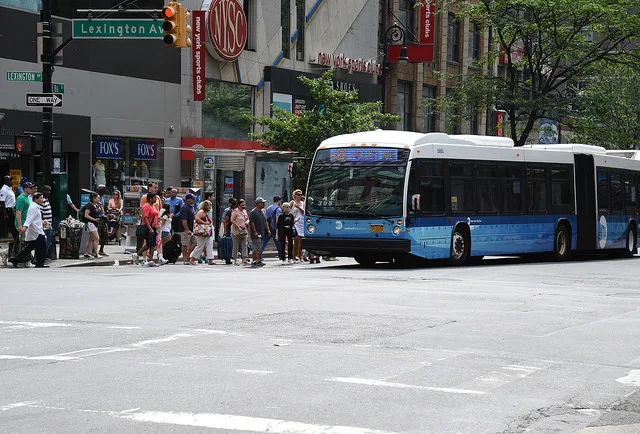
Congestion pricing has shown continued success in reducing traffic, speeding up the flow of traffic, and cutting down delays, not just in the congestion relief zone but throughout the New York metropolitan region, officials said.
Photo: Marc A Hermann
Gov. Kathy Hochul and the Metropolitan Transportation Authority (MTA) announced that New York City’s congestion relief program has continued to reduce traffic and improve travel times throughout the region successfully.
August saw nearly 2.7 million fewer vehicles than baseline enter the congestion relief zone, a 14% reduction. August was level with June for the most significant vehicle reduction seen so far in 2025.
The Governor and the MTA added that congestion pricing continues to generate revenue to fund transit improvements across the region, including new railcars, accessibility improvements, and enabling the advancement of the Second Avenue Subway Phase 2.
“This program has been nothing short of transformational, making streets safer, reducing gridlock across the region, and unlocking generational upgrades to mass transit, benefitting millions,” said Governor Hochul. “Congestion pricing is working, it is legal, and the cameras are staying on.”
Less Traffic, Safer Streets
Congestion pricing has shown continued success in reducing traffic, speeding up the flow of traffic, and cutting down delays, not just in the congestion relief zone but throughout the New York metropolitan region, officials said.
The number of vehicles entering the zone is down by 12% since congestion pricing started. Every day, 87,000 fewer vehicles enter the zone, and since the program began, 17.6 million fewer vehicles have entered the zone compared to last year.
Congestion pricing has had notable benefits, reducing gridlock on bridges and tunnels crossing the East River and Hudson River, making commutes faster.
According to the MTA, every crossing entering the congestion relief zone has seen morning peak travel times reduced in 2025 when compared to 2024, including:
Brooklyn Bridge: 13% faster
Holland Tunnel: 36% faster
Hugh L. Carey Tunnel: 16% faster
Lincoln Tunnel: 10% faster
Manhattan Bridge: 5% faster
Queens-Midtown Tunnel: 4% faster
Queensboro Bridge: 21% faster
Williamsburg Bridge: 23% faster
Reduced gridlock has improved the quality of life in New York City, officials report.
Crashes in the congestion relief zone are down 14%. Traffic injuries are down by 15% in the zone, and the safety benefits are being felt citywide. Earlier this summer, the New York City Department of Transportation released data showing that pedestrian fatalities on New York City streets are at historic lows, matching levels last seen in 2018.
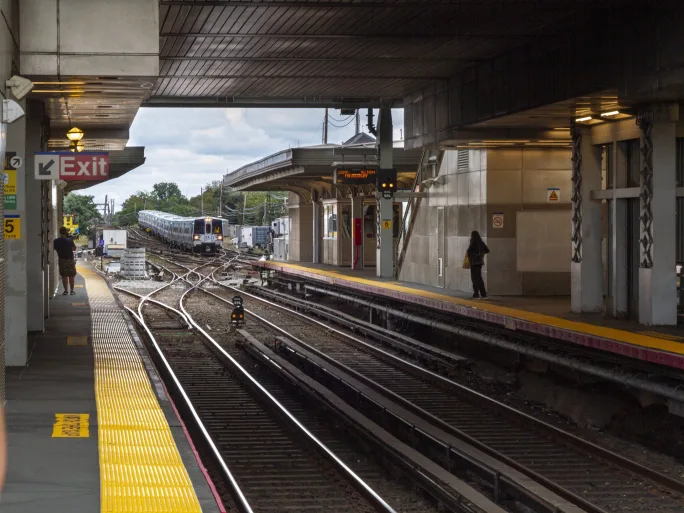
The Long Island Rail Road (LIRR) shattered its post-pandemic daily ridership record twice in July, carrying 298,419 passengers on July 23 and 295,419 passengers on July 22.
Photo: LIRR
Rising Transit Ridership
Transit ridership across all modes has increased from January to August 2025 when compared to the same period last year.
Subway: 9%
Bus: 13%
LIRR: 10%
Metro-North: 7%
Access-A-Ride: 22%
In July, the MTA achieved its best summer subway ridership week since 2019, hitting four million subway riders three days in a row in a summer season — a first since the start of the pandemic.
The Long Island Rail Road (LIRR) shattered its post-pandemic daily ridership record twice in July, carrying 298,419 passengers on July 23 and 295,419 passengers on July 22.
Improving Transit Performance
Transit service has improved across the board in 2025 to near-record heights. In August, subway weekday On-Time Performance was 85.2%, the best for that month in 10 years.
Overall, summer On-Time Performance on the subway was 84.3%, up from both 2024 and 2023.
LIRR and Metro-North On-Time Performance have consistently been at or near 97% in 2025.
Buses are moving faster thanks to congestion pricing. According to a new report from the New York City Comptroller, buses operating entirely or partially in the congestion relief zone have seen improvements to speed and overall performance in excess of citywide baselines. August also saw the final implementation of the MTA’s Queens bus Network Redesign.
At the same time, economic indicators demonstrate that congestion pricing has coincided with an increase in business activity in Manhattan’s central business district. A new report from Placer AI found that New York City office visits in July exceeded pre-pandemic levels for the first time, the first city in the nation to achieve that benchmark in its analysis.
More Management
Utilimarc Launches SmartReplace to Optimize Fleet Replacement Decisions
AI-powered SmartReplace helps fleets prioritize vehicle replacements, model budget scenarios, and build more defensible long-term strategies.
Read More →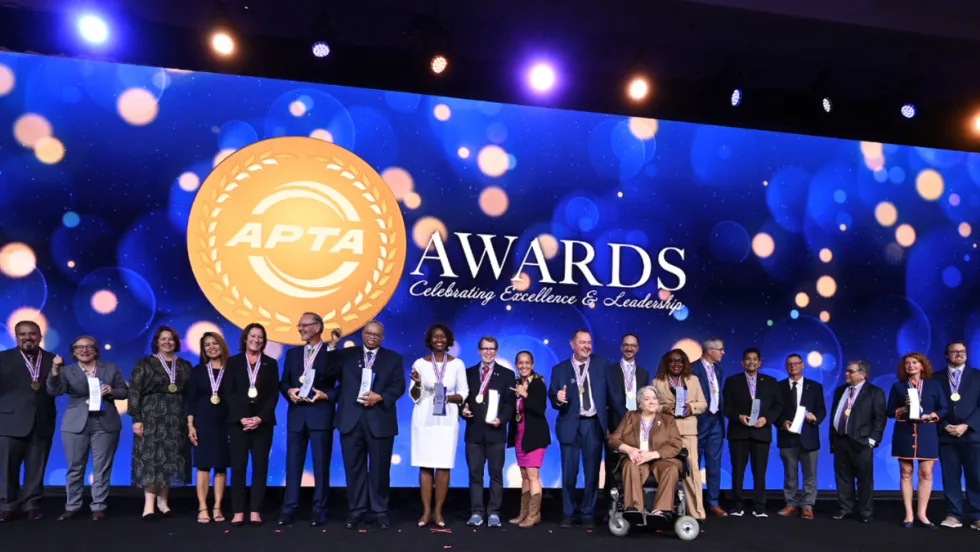
APTA Honors 2026 Award Winners, Hall of Fame Inductees at TRANSform & EXPO
Innovations in autonomous and zero-emission transportation, standout transit systems, and industry leadership took center stage among this year's honorees.
Read More →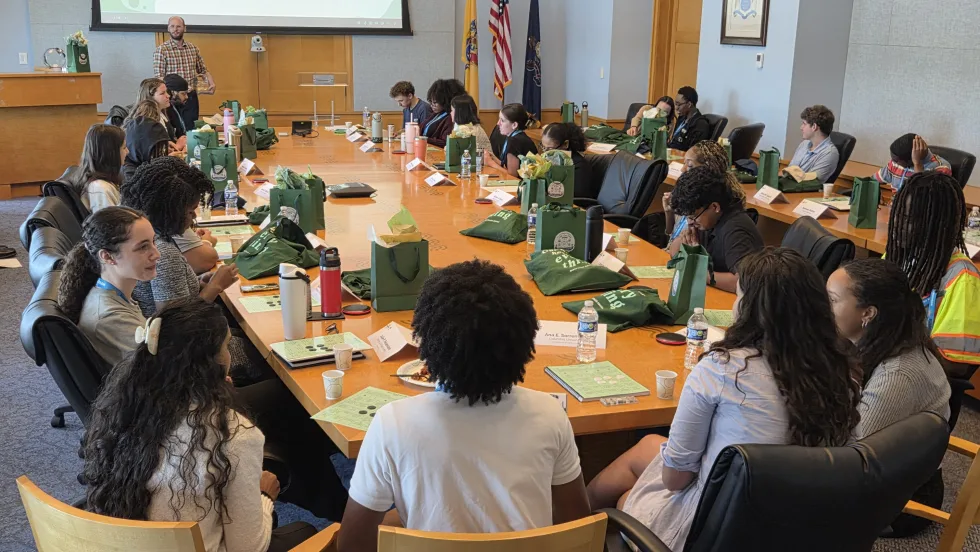
7 Ways to Build a Better Transit Internship Program
Lessons from DRPA/PATCO’s approach to creating a meaningful internship experience—and developing the next generation of transportation professionals.
Read More →
Scenes from APTA TRANSform & EXPO 2026
Transit leaders, manufacturers, and industry professionals gathered in Chicago to explore new technologies, share ideas, and discuss the future of public transportation.
Read More →
Building Stronger Leaders, More Resilient Transit Teams
Dr. Carol Parker Walsh discusses leadership development, employee retention, workplace culture, and preparing transit’s workforce for AI and automation.
Read More →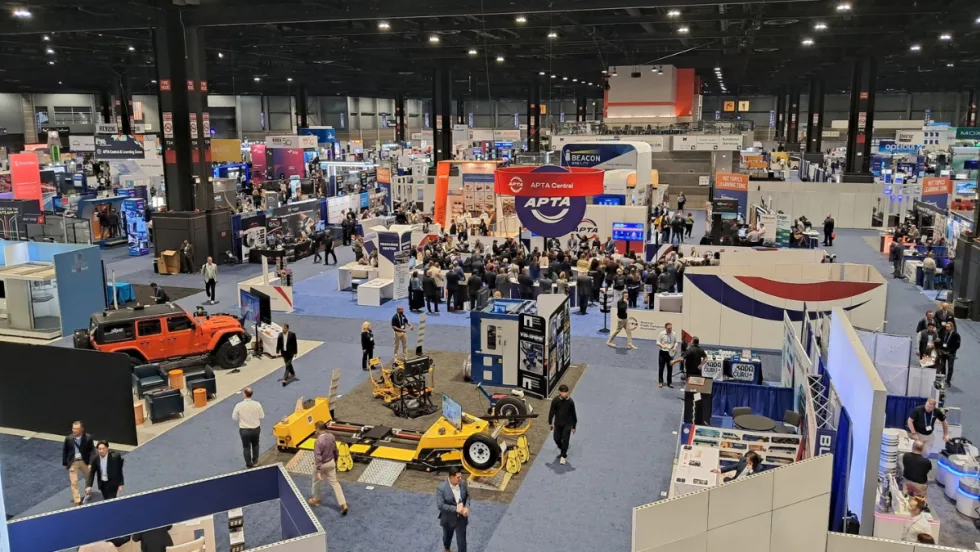
APTA 2026 TRANSform & EXPO Kicks Off in Chicago
After 45 years, APTA returns to Chicago with a focus on next-generation fleets, AI, connected transit networks, and the funding strategies shaping public transportation’s future.
Read More →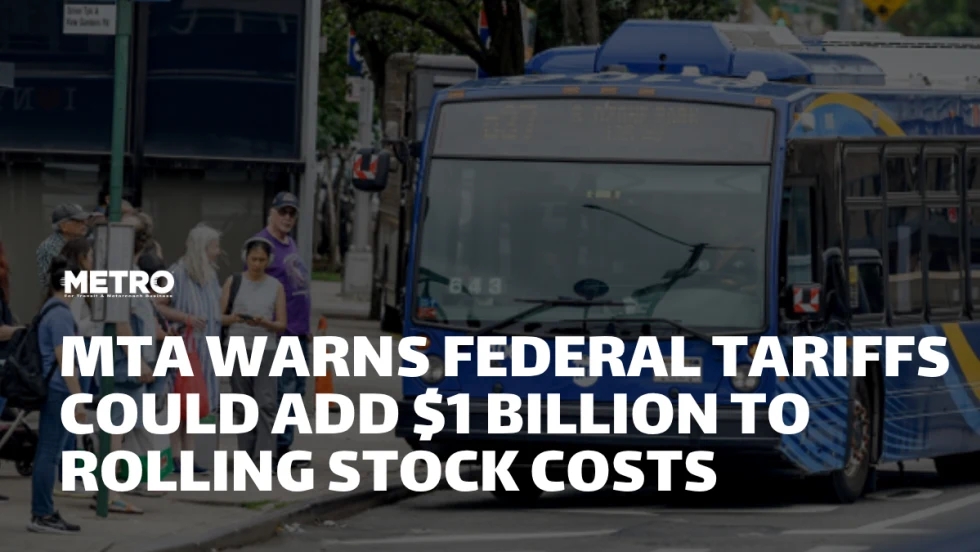
New York MTA Warns Federal Tariffs Could Add $1 Billion to Rolling Stock Costs
The agency said tariffs on specialized imported components could reduce the purchasing power of its $23 billion investment in new subway cars, railcars, and buses.
Read More →
From the Show Floor: What Happened at APTA TRANSform & EXPO 2026
See the latest product launches, partnerships, technology updates, and transit industry announcements from APTA TRANSform & EXPO in Chicago.
Read More →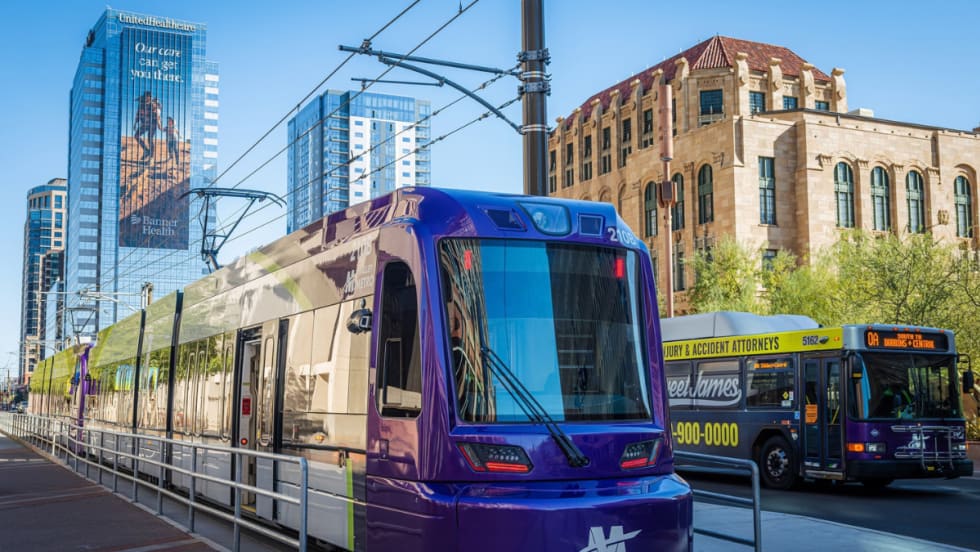
How Valley Metro Is Balancing Transit Growth With the Rider Experience
The APTA award-winning agency is pairing rapid system expansion with investments in workforce, safety, technology, and the fundamentals of transit service.
Read More →
Bus Tech Talk: Keeping Transit Technicians Ahead of the Technology Curve
In this episode of Bus Tech Talk, Complete Coach Works’ Business Development Manager Mark Hollenbeck and METRO’s Executive Editor Alex Roman sit down with Obed Mejia, Senior Technical Trainer for Bus Maintenance, at LA Metro to discuss how rapidly evolving bus technology is changing the maintenance shop — and the skills technicians need to keep pace.
Read More →