



New York's MTA Relaunches Customer Ambassador Program
The customer ambassador program aims to raise awareness of the upcoming changes and to ensure riders are prepared for the implementation of the updated network.

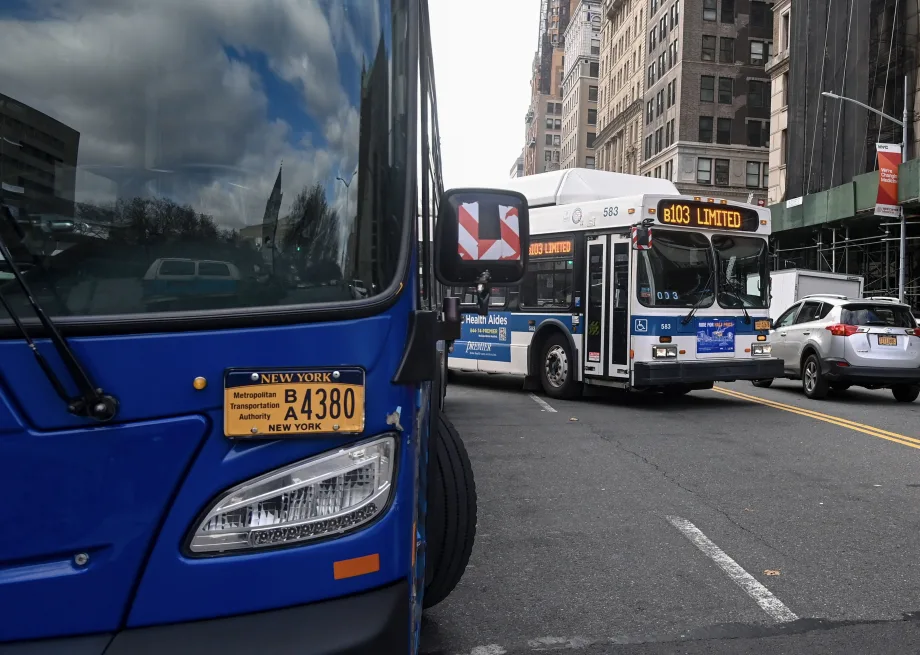
The customer ambassador program aims to raise awareness of the upcoming changes and to ensure riders are prepared for the implementation of the updated network.
Photo: Marc A Hermann
New York’s Metropolitan Transportation Authority (MTA) is relaunching the Customer Ambassador Program to raise public awareness of the final route changes coming up in the Queens Bus Network Redesign, which will mark the full implementation of the bus service improvement plan across the borough.
The remaining set of changes will take effect on August 31. The Customer Ambassador Program will run through Sept. 12.
The first phase of the plan, launched June 29, encompassed nearly 70% of the plan’s changes and was concentrated in Eastern Queens, including neighborhoods of Ridgewood, Flushing, and Fresh Meadows.
The final phase is concentrated in Western Queens, including Astoria, Long Island City, Jackson Heights, Ozone Park, Woodhaven, Howard Beach, and Far Rockaway.
“We’re bringing back our Customer Ambassador Program to remind customers of the improvements coming to their neighborhood and to plan,” said New York City Transit President Demetrius Crichlow. “We encourage riders to ask questions or take a pamphlet from one of the ambassadors who will be easily visible in an orange and yellow vest. We also plan to boost staffing for the start of the school year to make sure riders have the support they need to make this transition as smooth as possible.”
MTA’s Ambassador Program
The customer ambassador program aims to raise awareness of the upcoming changes and to ensure riders are prepared for the implementation of the updated network. The outreach program will continue through the first two weeks of September and will have covered 58 locations over four weeks.
MTA employees will begin staffing key bus stops to help customers navigate the new network, with some additional support provided by New York City Department of Transportation (NYCDOT) employees.
The Queens Bus Network Redesign is a historic effort to transform the nearly 70-year-old bus system with updates to both express and local bus service to match better the growth and travel patterns the borough has seen over the years.
The bus service improvement plan will bring new and improved transit service to New York City’s largest borough, boasting over 800,000 daily riders. Except for the Q44, Q53, and Q70, this project touches every route in Queens, resulting in one of the most comprehensive service changes in MTA history — and an extensive community outreach process to match it.
The Redesign team worked iteratively over the last six years to develop and refine proposals that better meet rider needs, modernize service, and improve operations for the MTA workforce. After an extensive outreach process of over 250 events, including a public hearing, and more than 18,000 comments, the final version of the Queens Bus Network Redesign was approved by the MTA board in January.
More Bus

Improving Transit Safety and Reliability Through AI
Hayden AI’s Chief Growth Officer, Charley Territo, discusses how AI-powered camera enforcement is helping transit agencies keep bus lanes and stops clear, improve accessibility, and move from pilot programs to full-scale deployments.
Read More →
Castro to Lead RTC of Southern Nevada and More in People Movement
In this edition, we also cover recent appointments and announcements at the STV, MCI, and more, showcasing the individuals helping to shape the future of transportation.
Read More →
Study: Denver RTD Generates $2.1 Billion in Annual Economic Activity
An economic impact study finds the agency supports approximately 17,500 jobs, delivers $1.6 billion in annual community and mobility benefits, and generates $2.42 in economic value for every dollar invested.
Read More →
Mark Aesch Nominated to Lead Federal Transit Administration
The former Rochester transit chief and TransPro founder, who has also contributed to METRO Magazine, brings decades of industry experience and a focus on performance, accountability, and financial sustainability to the nomination.
Read More →
Pierce Transit Moves to Expand Fleet Following Proposition 1 Approval
The agency authorized the purchase or refurbishment of up to 60 buses to support a 47% service expansion, as voters nationwide approved billions in new transit funding.
Read More →
Transit Expands Agency Partnerships, Reaching 200 Official App Partners
COO Jake Sion discusses Transit’s growth, the success of its Transit Royale program, and how technology is helping agencies improve the rider experience.
Read More →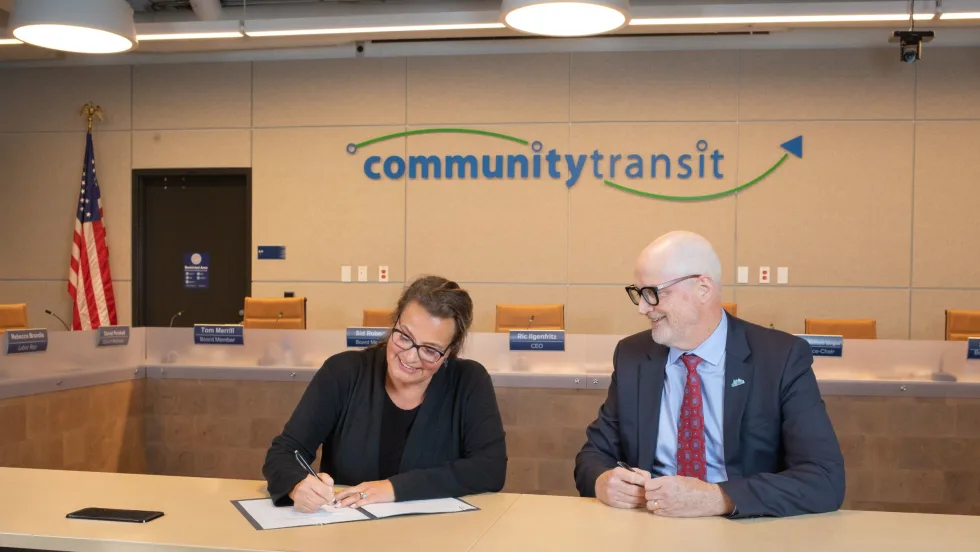
Everett Transit, Community Transit Approve Consolidation of Services
The agreement will bring Everett Transit into Community Transit’s network in April 2027, with plans to increase bus service by 50% by 2031 and expand regional connections.
Read More →
Brian Dickson on Building Stronger, More Resilient Transportation Organizations
Bus Business Consultants Founder Brian Dickson discusses the leadership principles, operational discipline, and strategic planning that separate transportation companies positioned for long-term success from those stuck in survival mode.
Read More →
LA Metro Breaks Ground on Vermont BRT Project
The 12.4-mile corridor is projected to serve 66,200 daily riders, reduce travel times by up to 24%, and create the nation's busiest bus rapid transit corridor.
Read More →
Roman Cornell on ABC Companies’ Evolution and the Future of Passenger Transportation
The company’s CEO discusses carrying forward a third-generation family legacy, ABC’s continued evolution in passenger transportation, support for increasingly complex fleets, and how technology and continued investment could help operators improve uptime.
Read More →