




Keep Reading: Chicago's Pace Unveils New ADA Transfer Facility
Chicago’s Pace Approves Budget, Unveils Hybrid Bus and Keeps Riders Moving Forward without a Fare Hike
The agency’s 2026 budget paves the way for expanded service, sustainable technology, and stable fares.
November 13, 2025

Pace’s new hybrid electric bus represents a key step toward the agency’s goal of achieving a zero-emissions fleet by 2040.
Photo: Pace Suburban Bus
2 min to read
The Pace Board of Directors recently approved the agency’s 2026 Operating Budget, Two-Year Financial Plan, and Five-Year Capital Program.
The budget, bolstered by new state funding from recently enacted legislation, supports expanded service, new sustainable technology, and continued affordability for riders across the six-county region.
"Thanks to the leadership of our state partners and the commitment of our Board, this budget positions Pace to grow service, embrace innovation, and continue delivering safe, affordable, and reliable transportation to our riders," said Pace Executive Director Melinda Metzger. "The addition of our new hybrid bus is another step toward a more sustainable future for suburban transit."
Pace’s 2026 Budget is supported by $18.9 million in new funding from Senate Bill 2111 and includes significant service and program investments without increasing fares. Key highlights include:
No fare increases in 2026; the standard cash fare remains $2.25 per ride ($2 when using Ventra).
Funding for the Regional Accessibility Program (RAP) and Taxi Access Program (TAP) through 2026.
Nearly 10% more suburban bus service to meet growing market demand.
More On-Demand service across the six-county area, improving first-mile/last-mile connectivity.
Pace’s “ReVision Plan” will guide upcoming service enhancements, including expanded bus-on-shoulder operations, new rapid transit corridors, and increased bus frequency to meet the evolving needs of suburban mobility.
New Legislation Ensures Stable Funding
Pace expressed gratitude to Governor J.B. Pritzker, the bill’s legislative sponsors, and all advocates whose efforts secured stable funding for public transportation across Illinois.
"This new legislation not only stabilizes transit funding, but it also allows us to plan confidently for the future," said Pace Chairman Rick Kwasneski. "Our riders can count on continued service improvements and a system that is both sustainable and fiscally responsible."
With its 2026 budget in place, according to a release, Pace is moving forward with projects that “strengthen accessibility, enhance environmental stewardship, and deliver more convenient travel options for suburban riders.”
Pace Introduces Newest Hybrid Bus
Pace unveiled its newest hybrid electric bus, continuing its efforts towards greener transit options that “reduce emissions and modernize its suburban bus fleet.” The agency’s investment in hybrid technology aligns with state and regional sustainability goals.
As Pace continues its transition to a zero-emissions fleet, the purchase of these hybrid electric buses will enable the agency to replace vehicles that have reached the end of their useful life with more environmentally friendly vehicles, while also meeting its commitment to achieving a zero-emissions fleet by 2040.
More Management
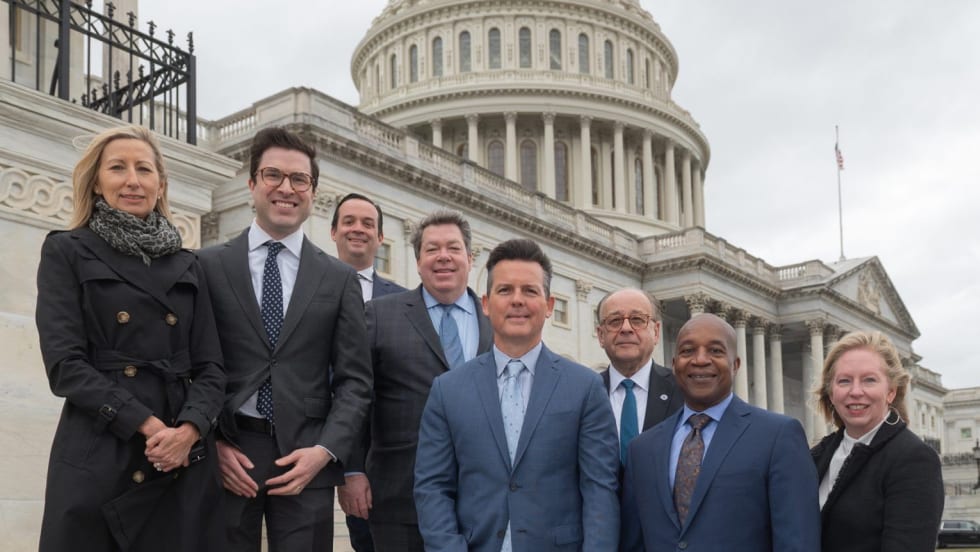
The Business Voice Behind Public Transportation
As chair of APTA’s Business Members Board of Governors, Ray Melleady explains how more than 850 business members are partnering with transit agencies to advance funding, innovation, and industry-wide collaboration.
Read More →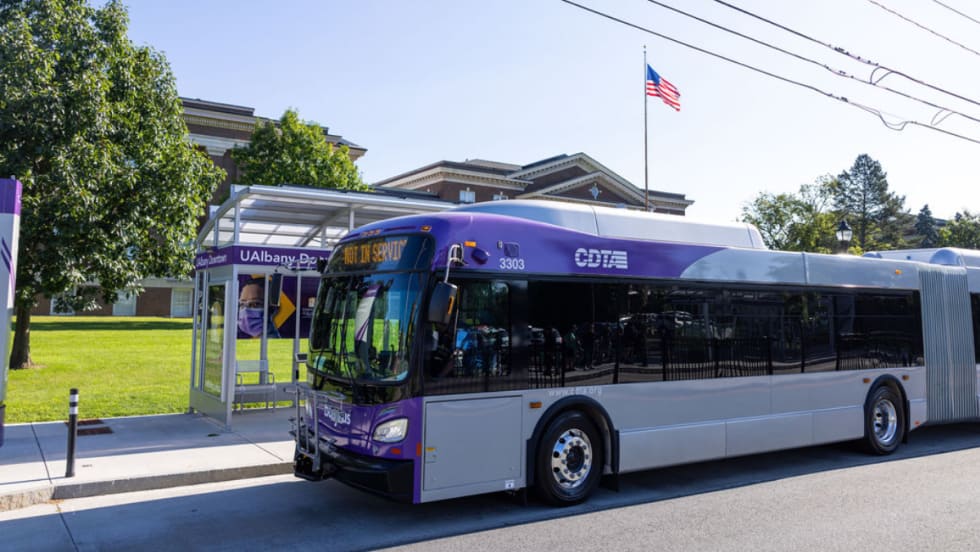
New York’s CDTA Service Rebalancing Boosts Productivity, On-Time Performance
Despite a slight dip in ridership, the agency’s FY2026 results show its service rebalancing strategy is helping the agency carry more riders per service hour while improving reliability.
Read More →
People Movement: ABC Names John Walsh as Chief Commercial Officer
In this edition, METRO also covers recent appointments and announcements at the DART, STV, and more, showcasing the individuals helping to shape the future of transportation.
Read More →
From Surviving to Thriving: Building Stronger Transportation Organizations
Bus Business Consultants founder Brian Dickson shares lessons on leadership, organizational health, and creating options for long-term success in a changing transportation industry.
Read More →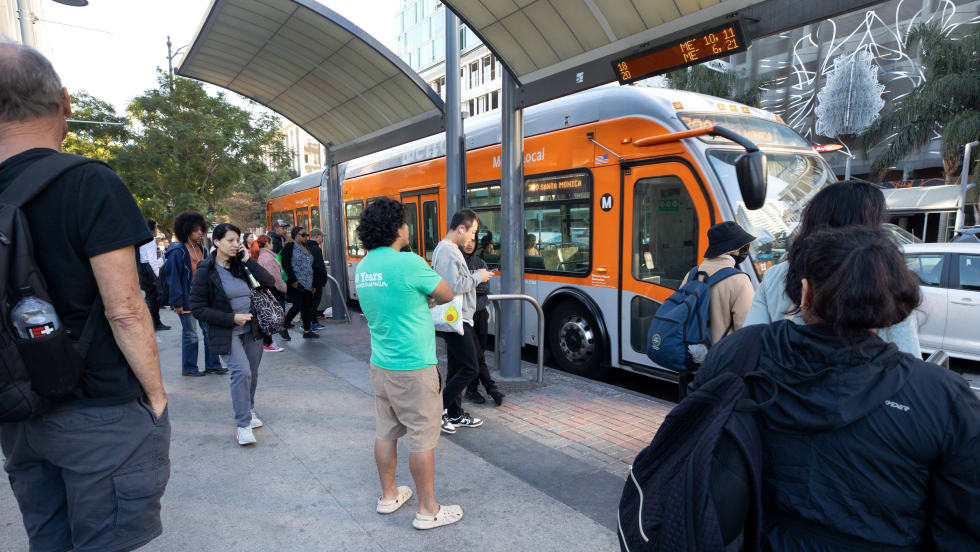
LA Metro Ridership Continues Growth as Rail Gains Accelerate
New rail connections and major events help drive continued ridership gains, with Metro recording its eighth consecutive month of year-over-year rail growth.
Read More →
TransDASH Summit Focuses on Measuring What Matters in Transit
Transit agencies unveil a national performance platform designed to benchmark customer experience, safety, community value, and other outcomes.
Read More →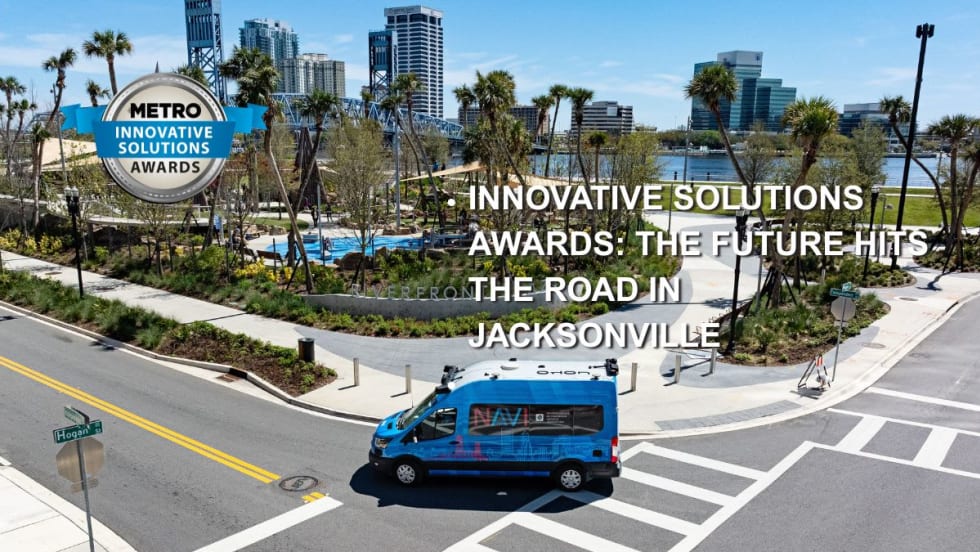
Jacksonville’s NAVI Project Charts a New Course for Autonomous Public Transportation
Through its NAVI program, JTA is showing how autonomous vehicles, intelligent infrastructure, and coordinated operations can work together to deliver everyday public transportation.
Read More →
FRA Announces $5.3B in Rail Investments, Including $2B for Amtrak
Funding will support grade-crossing improvements, infrastructure upgrades, and new Amtrak equipment in 23 states.
Read More →
Finding the ‘Happy Medium’: Optimizing Maintenance Without Sacrificing Reliability
The key to maintenance optimization isn’t doing less work—it’s doing the right work at the right time on the right assets.
Read More →
People Movement: MARTA Drops Interim Tag on GM/CEO Hunt and More
In this edition, METRO covers recent appointments and announcements at the FMCSA, HDR, SilverRide, and more, showcasing the individuals helping to shape the future of transportation.
Read More →