



2012 Women In Transportation: Helena Williams
President Long Island Rail Road New York, N.Y.
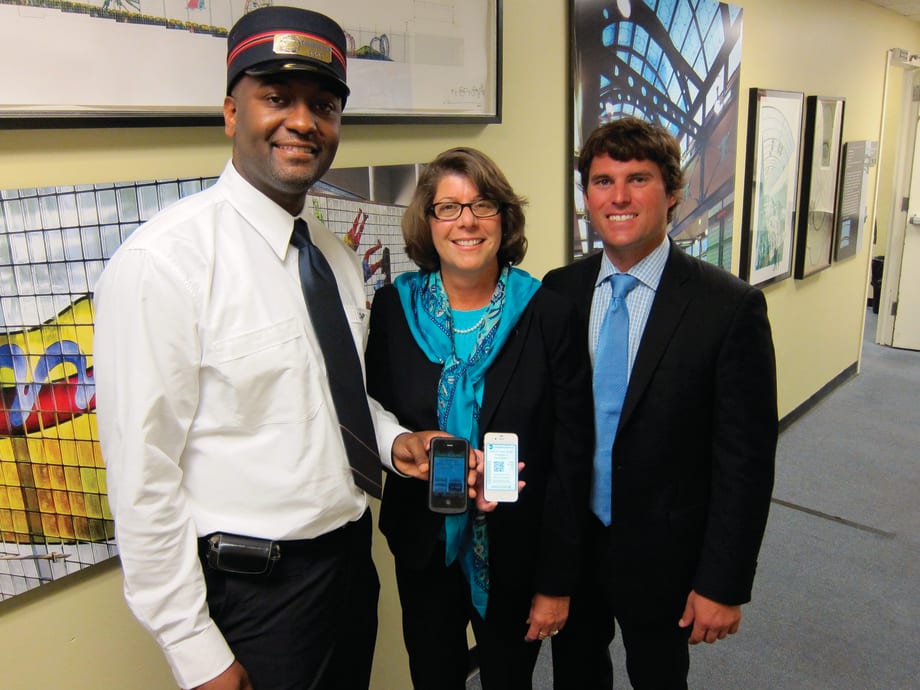
Helena Williams’ keen interest in labor relations is what eventually made the current Metropolitan Transportation Authority’s (MTA) Long Island Rail Road (LIRR) president a key player in today’s transportation industry.
After graduating college, Williams earned her J.D., with a specialty in labor law, from St. John’s University School of Law. She started as a summer intern working for Mayor Ed Koch in the Office of Municipal Labor Relations. Upon graduation, she was appointed assistant general counsel before leaving to accept a job as an attorney in the private sector.
“Having an employment and labor law background in legal training helps you really approach problems with a very strong eye for what the issues are and what the response needs to be,” says Williams. “It also gives me a sense of how to move things forward.”
After her brief stint in private practice, Williams began her career at the MTA in 1986. She rose from labor counsel to chief of staff of Long Island Bus, and in 1993, Williams became president.
“I really had an understanding of how transit services are provided and the associated costs with my background in labor,” says Williams. “It was really a natural progression.”
Williams oversaw efforts to introduce environmentally friendly bus fleets, upgrade Metrocard technologies and cut costs for the organization all around.
She then became the Nassau County Deputy County Executive and served in the administration of Tom Suozzi, working on major commercial development issues in the Nassau Hub and helping to turn around the county’s nearly bankrupt finances.
Five years later, in 2007, Williams was appointed president of the LIRR. The system, which transports people in and out of New York City, serves more than 81.5 million customers per year and employs approximately 6,500 people.
During the course of her term, Williams has been recognized for improving customer communication and service, cutting costs, and commencing modernization projects that bring on-time performance and service reliability to riders. She has also overseen a reorganization of key departments as part of an MTA-wide effort to improve efficiency.
In addition to daily rail operations, Williams is currently overseeing the capital program investments needed to support the East Side Access project, a $7 billion project connecting the LIRR’s Main and Port Washington lines in Queens to a new terminal 140 feet beneath Grand Central Terminal in Manhattan.
“This project is history in the making,” says Williams. “Every time I do an inspection of the Eastside Access, I feel like I’m marking history for one of the biggest public works projects that will ever exist. It will go down like the Hoover Dam as a tremendous civic achievement.”
When complete, the East Side Access plan will drastically shorten commuting time into the east side of Manhattan and give people more access to the area’s growing job market. The project will also protect the Long Island housing market.
“One of our great accomplishments is working to grow Long Island’s economy and housing opportunities,” says Williams. “We’re trying to become a walkable community where new housing and commercial opportunities are being developed closer to the stations. We’ve been creative in trying to help the Long Island community find strategies for transit-oriented development.”
A mother of three, Williams is the first female president in all 177 years of LIRR’s operation.
“Customers don’t care about gender; they just want to get where they need to go on time,” says Williams. “But women need to recognize that there’s a place in transportation for them. It’s an exciting opportunity for all women to see what they can achieve.”
More Rail
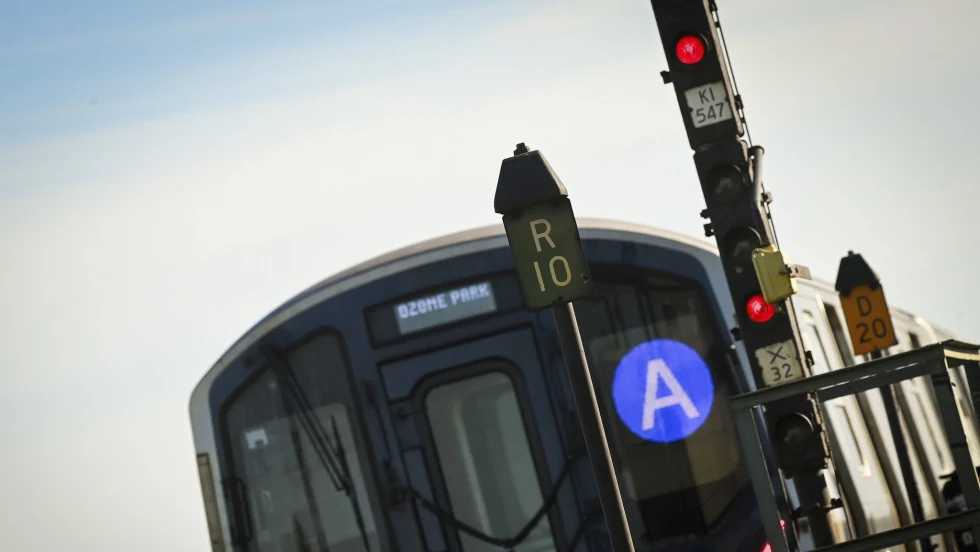
New York MTA Launches Historic $1.9B Signal, Track Modernization Project
Funded in part by congestion pricing revenue, the project will replace nearly century-old signals along the A and C lines in Brooklyn and Queens.
Read More →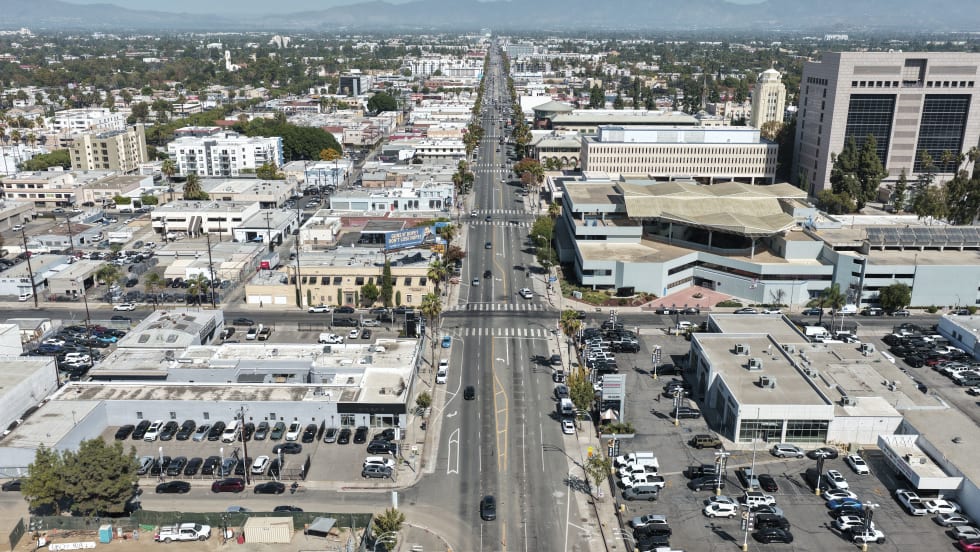
LA Metro Breaks Ground on East San Fernando Valley Light Rail Project
The 6.7-mile line will add 11 stations along Van Nuys Boulevard, expand access to jobs and regional transit connections, and support Metro’s broader efforts to improve mobility as rail ridership grows.
Read More →
CSA Group Releases Climate Resilience Standard for Transit, Passenger Rail
Developed with support from the Standards Council of Canada, CSA D700 guides assessing climate-related risks and planning adaptation measures for transit and passenger rail systems.
Read More →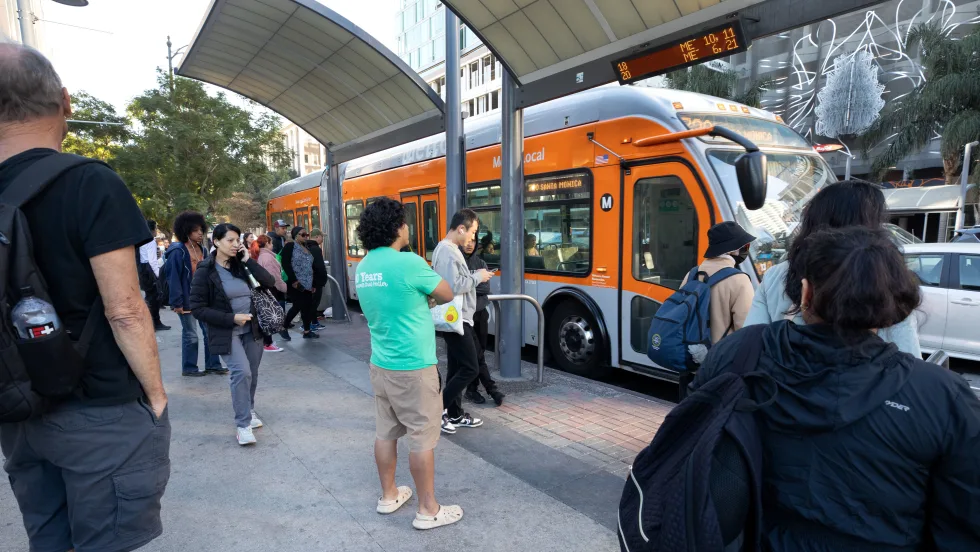
LA Metro September Ridership Climbs 3.9%, Led by Rail Growth
The agency recorded more than 27.2 million boardings, with rail ridership increasing 12.4% year over year and the D Line posting the largest gains.
Read More →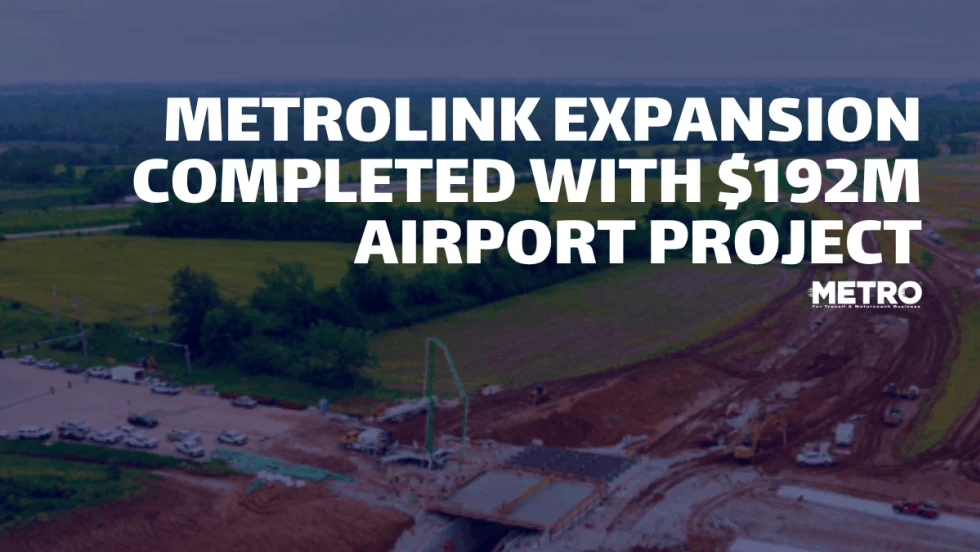
First Full MetroLink Rail Expansion Completed in 20 Years with $192M Airport Project
The project links two St. Louis-area airports by light rail while adding roadway and bike trail connections to improve regional access and mobility.
Read More →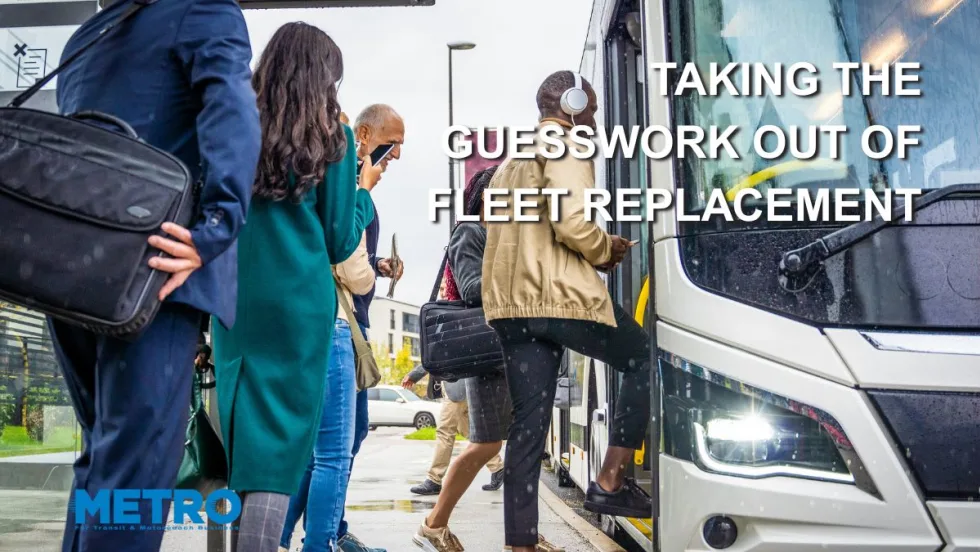
Utilimarc Launches SmartReplace to Optimize Fleet Replacement Decisions
AI-powered SmartReplace helps fleets prioritize vehicle replacements, model budget scenarios, and build more defensible long-term strategies.
Read More →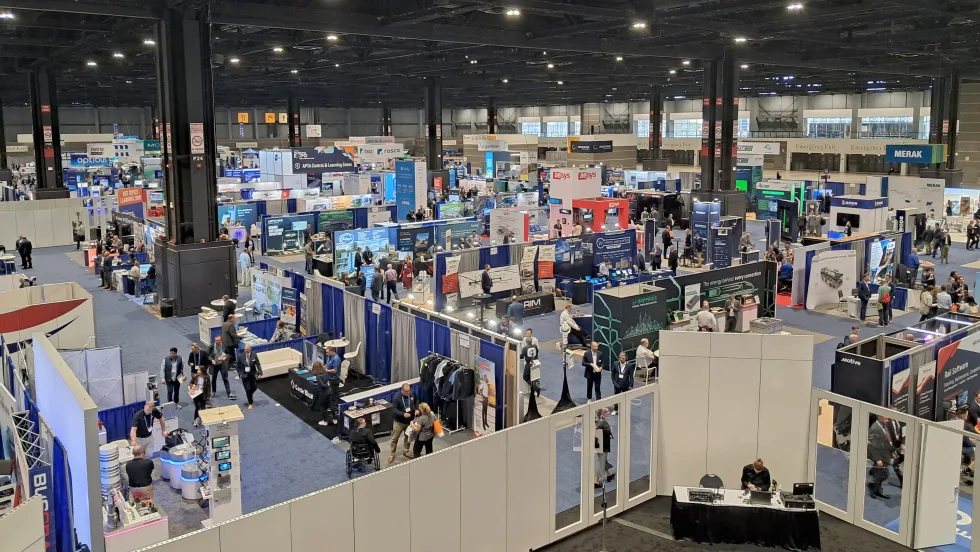
Scenes from APTA TRANSform & EXPO 2026
Transit leaders, manufacturers, and industry professionals gathered in Chicago to explore new technologies, share ideas, and discuss the future of public transportation.
Read More →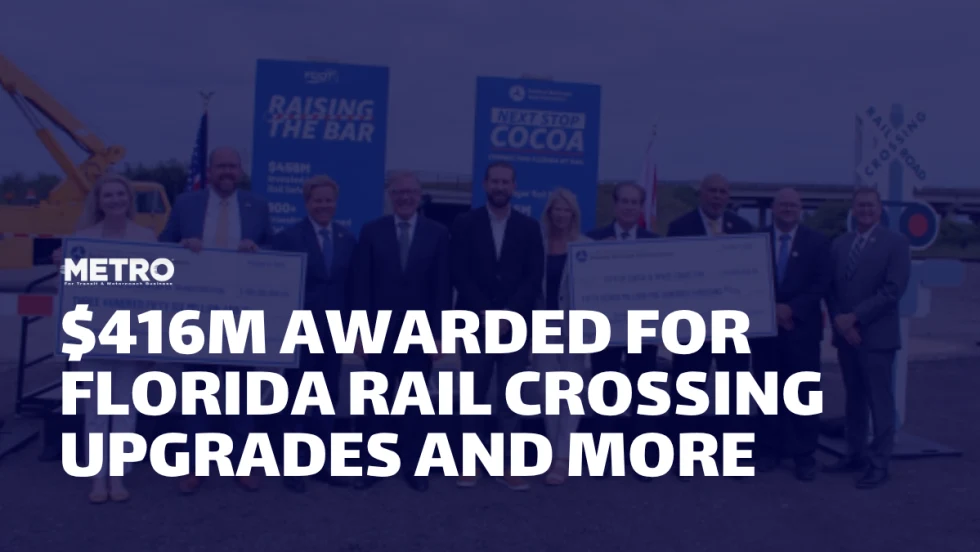
USDOT Awards $416 Million for Florida Rail Crossing Safety Upgrades, New Brightline Station
The projects aim to reduce risks for motorists and pedestrians at rail crossings while expanding passenger rail access along Florida’s Space Coast.
Read More →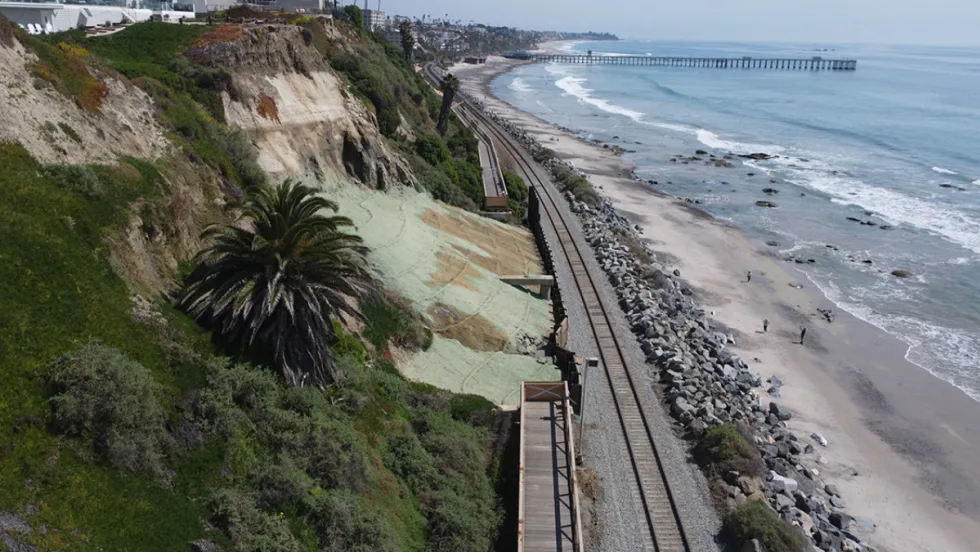
OCTA Declares Emergency to Protect Rail Corridor From Coastal Erosion
The California agency is accelerating shoreline protection and plans to place approximately 690,000 cubic yards of sand along the San Clemente coast to protect a key passenger and freight rail link.
Read More →
More Than a Summer Job: Building the Next Generation of Transit Talent
The Delaware River Port Authority and PATCO have transformed their internship program into a hands-on professional development experience that introduces students to the breadth of transportation careers — and creates a pipeline for future employees.
Read More →