



2014 Women In Transportation: Veronique Hakim
Executive Director New Jersey Transit Newark, N.J.
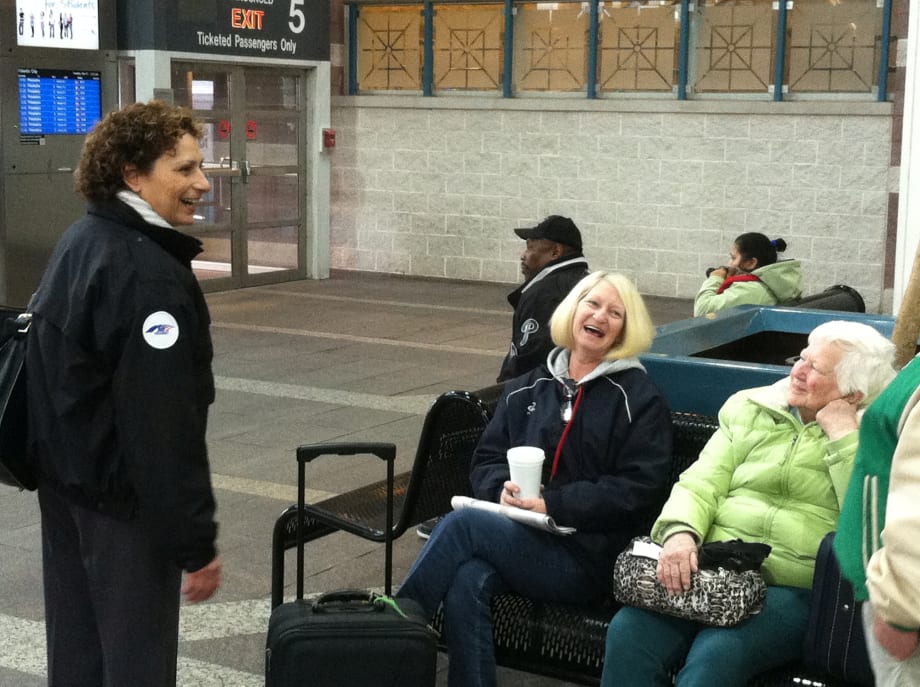
A key initiative at NJ TRANSIT for Hakim has been a focus on customer service at all levels as well as creating a sense of ownership for every employee at the agency.
A key initiative at NJ TRANSIT for Hakim has been a focus on customer service at all levels as well as creating a sense of ownership for every employee at the agency.
Like many in the public transportation industry, Veronique “Ronnie” Hakim didn’t have much of an inkling she would end up where she is now. In fact, the opportunity to work for the New York Metropolitan Transportation Authority’s (MTA) New York City Transit (NYCT) came about after working in Paris, graduating law school and embarking on a career as a lawyer in New York City.
“What ends up happening for, some of us, I think, is we fall into a position. In my case, I fell into a transit position and then realized how exciting it was,” she says. “[If you] think about it from a young lawyer’s perspective, you’re working on something that absolutely has meaning. Providing transit service is truly the one resource millions of people rely on.”
Hakim began her career as an attorney at NYCT, where she was progressively promoted, with an emphasis on construction and technology contracts, eventually landing the position of general counsel and executive VP of the MTA’s Capital Construction Division.
During her time at NYCT, she worked on the agency’s MetroCard fare payment pilot program, a $100 million underground storage tank replacement program and how to regulate First Amendment activity on the subway system, as well the extension of the MTA’s subway and railroad systems.
In 2010, Hakim was recruited by the New Jersey Turnpike Authority to serve as its executive director, where she focused on introducing cost efficiencies.
“That was a different kind of challenge, because it required bringing together senior leadership at the New Jersey Turnpike Authority and introducing to them zero-based budgeting and how to go through their departments and really look for opportunities for efficiency,” she explains. “Over the almost four years that I was there, we were able to identify over $100 million of operational savings.”
Since March, Hakim has served as the executive director of New Jersey Transit (NJ TRANSIT), which boasts 11,000 employees; capital and operating budgets totaling more than $3 billion annually; 260 bus routes; 12 commuter rail lines; three light rail lines; and Access Link paratransit services linking major points in New Jersey, New York and Philadelphia.
Upon taking the job, Hakim says she gave herself 90 days — 30 to quietly observe and 30 to start asking questions before taking the last 30 days to develop a charter of how she wanted to advance.
One of the first things she did at NJ TRANSIT was identify the need for a consolidated Office of System Safety.
“We are in the process of consolidating all of our safety-related resources that deal with both our external customer safety and internal employee safety, and introducing a series of rail safety programs really intended to promote a culture of safety, as well as safety across all [of our] operating lines,” she explains.
Hakim adds another key initiative has been to stress the importance of customer service, especially ensuring that customers can not only depend on their bus or train arriving on time, but providing them with technologies, such as its “My Bus Now” program, that inform them when that vehicle will arrive.
Most importantly, Hakim says she and her executive management team are focusing on how to create a sense of ownership for all of NJ TRANSIT’s employees.
“It requires leadership to go into their home department and challenge the entire structure in the department to take a sense of ownership and pride in the work that they do,” says Hakim of the initiative. “As I’ve been traveling through the system, the one constant observation I have is that everybody truly does take a sense of pride in being a part of NJ TRANSIT.”
Hakim’s objectives for the agency may go back to two things she learned through very good, smart mentoring relationships — to communicate clearly so there is no confusion and to build consensus.
“This is a very large organization,” she says. “One person can have the senior leadership role, but the entire organization is the way to success. So, we all succeed or fail together here.”
More Bus

More Than a Summer Job: Building the Next Generation of Transit Talent
The Delaware River Port Authority and PATCO have transformed their internship program into a hands-on professional development experience that introduces students to the breadth of transportation careers — and creates a pipeline for future employees.
Read More →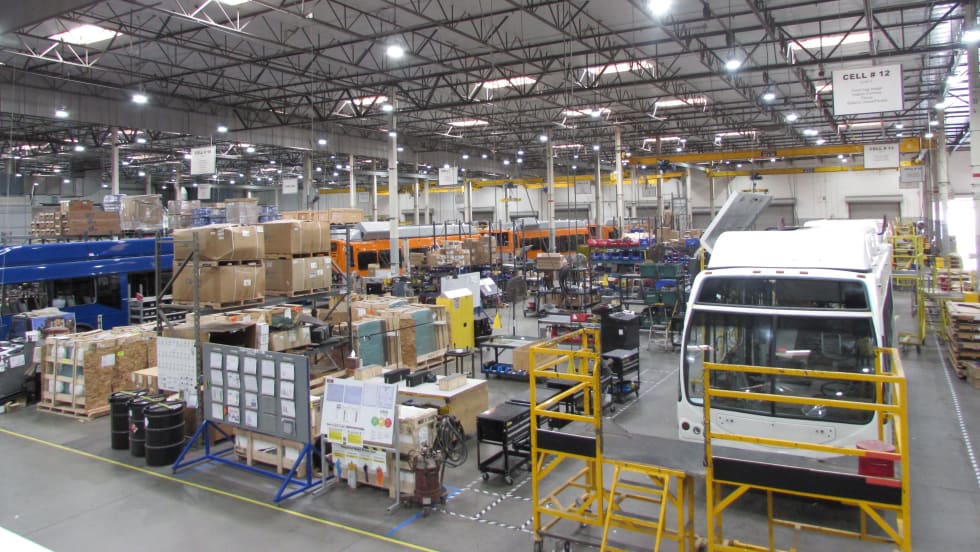
LA Metro Board Awards 220 Battery-Electric Bus Contract to ENC
The contract, which is the largest base award of battery-electric buses by a U.S. transit agency, will be built in Southern California, sustaining good jobs as LA prepares to welcome the world in 2028
Read More →
Public Transit Conference Returning to GFX in 2027, Call for Papers Now Open
The Call for Papers is now open, allowing transit agency professionals and industry experts to help shape the PTC educational program by submitting session ideas for consideration.
Read More →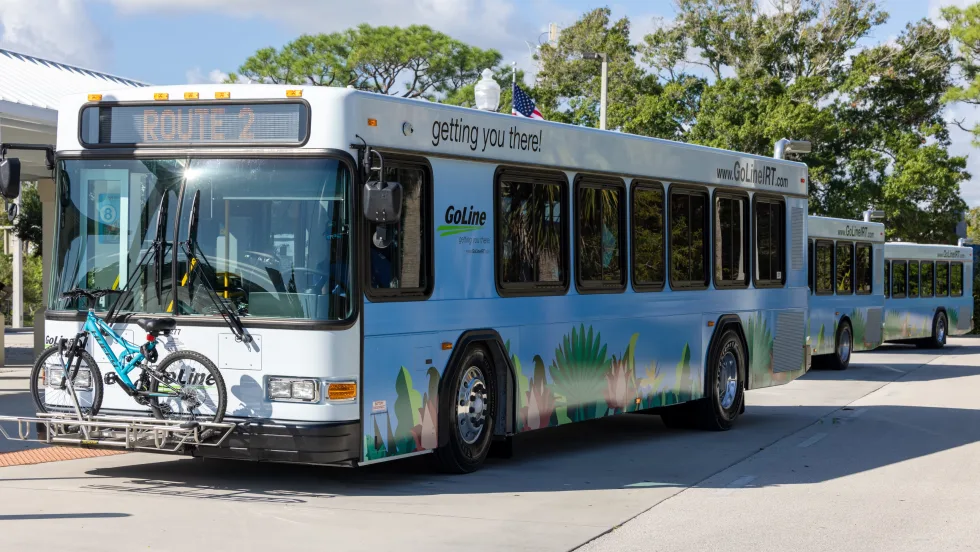
Indian River Transit’s Community-Focused Approach Earns National Recognition
Named APTA’s 2026 Outstanding Public Transportation System in its size category, Florida’s Indian River County transit system continues to grow ridership through fare-free service and a focus on evolving community needs.
Read More →
ENC Lands MATA Contract and More in Biz Briefs
In this edition of Biz Briefs, we spotlight the latest developments shaping the future of mobility.
Read More →
From Surviving to Thriving: Building Stronger Transportation Organizations
Bus Business Consultants founder Brian Dickson shares lessons on leadership, organizational health, and creating options for long-term success in a changing transportation industry.
Read More →
Everett Transit, Community Transit Outline Consolidation Agreement
The proposed agreement calls for a 50% increase in bus service in Everett, a new microtransit zone, continued paratransit service, and the transfer of Everett Transit operations to Community Transit.
Read More →
SEPTA Details Accelerate Vision for Transit System
The plan outlines investments in trolley modernization, new Metro and Regional Rail vehicles, accessible stations, and more frequent bus and rail service.
Read More →
Report: Transit Bus Manufacturing Supports 34,100 Jobs, $5.1B in GDP
The “Buses Mean Business” report examines the transit bus manufacturing industry’s economic footprint, supply chain, and rising demand for vehicle replacements.
Read More →
Biz Briefs: New Flyer Delivers in Columbus, Houston, Beep and Freebee Merge, and More
In this edition of Biz Briefs, we spotlight the latest developments shaping the future of mobility.
Read More →