



8 Myths About Video Surveillance Systems
Technological advances have helped to conquer operational and equipment deficiencies. Improvements in reliability, image quality and data retrieval are among the advances.
Video surveillance has become the rule rather than the exception in the transit industry, where it helps to widen the safety envelope on buses and railcars while providing transit systems with protection from certain types of liability claims.
But many transit managers are still burdened with outdated notions about the operational capabilities of video surveillance systems. Their experiences with early incarnations of the technology were not highly positive because of problems with reliability, durability, picture quality, data transfer and operators’ “Big Brother” anxieties.
While perhaps not eradicating these problems, technological advances have addressed many of them. Of course, the shift from analog to digital technology has been key. Videotape systems are still used by many transit agencies, but the disadvantages of tape-based systems are numerous.
To gain a better perspective on eight common “myths” about mobile video surveillance, we spoke with several industry manufacturers, who dispelled the myths and provided some insight into the continuing development of the technology.
1. It’s difficult to search the footage.
Searching through hours of footage to find a 12-second incident can seem a daunting task, not to mention a gross waste of employee time. While this myth was true back in the days of videotape recording, digital technology has simplified and quickened the process. The difference is “much like finding a song on a CD versus an old audiocassette,” says Richard Newcombe, national account executive at Safety Vision.
Modern systems incorporate search functions that allow users to search by date and time, and many offer a feature that allows operators to flag specific events with the push of a button.
In addition, newer digital systems allow footage to be searched like a DVD on a home player. “You can use slider bars to immediately go to the approximate time of the incident, then watch at various fast-forward speeds to locate the precise images needed,” says Andy McKennan, product manager for ShiftWatch.
“Digital timelines allow you to ‘mouse click’ directly to the timeframe in question,” adds Steve Hemenway, director of transit business development for Integrian. “Newer viewing software applications provide investigators the ability to view all cameras, hear the audio and view the data in one desktop view. Getting all this information at once helps find what you need fast.”
2. Operators don’t like to have them in their vehicles.
Initially many operators are wary of being watched by “Big Brother” and may feel their administrators don’t trust them, but once they realize the system is in place to protect them they embrace it. Surveillance systems help solve disputes, eliminate fraudulent claims, deter bad behavior, minimize vandalism and provide indisputable evidence of onboard activity.
“We have seen several cases where drivers were initially against the installation of video surveillance, but then supported it strongly once they experienced the benefits,” says Warren Musselman, vice president of marketing for TVSS Inc.
Anil Dilawri of March Networks has seen similar about-face reactions, citing the benefit of having critical evidence to support a driver’s claim. “In cases where drivers are being harassed or where a liability suit has been brought against a driver, the onboard surveillance systems act as video evidence for the operator and sheds light on what actually happened during a recorded incident,” he says.
3. They’re unreliable.
Mobile surveillance may not be perfect, but companies are constantly updating their technology to be more and more reliable.
Some manufacturers have added features like dual hard drives (if one drive fails, the other will continue recording), self-diagnostic programs and functionality indicators. In addition, new systems have few, if any, moving parts. This solid-state circuitry enhances product durability.
But not all systems are created equal when it comes to reliability. Guy Jukes, vice president of marketing and sales for REI, says transit systems should be discriminating when they procure a video surveillance system. The old adage about “you get what you pay for” can be just as true for video surveillance equipment as it is for any other consumer product, he says.
One consideration is the ability of the system to handle extreme temperatures. Some systems have monitors that will activate an internal heater when temperatures dip below, say, 40 degrees. On the other extreme, the system will activate a fan when temperatures rise above 110 degrees.
4. Image quality is poor.
The digital age has finally brought an end to the days of low-quality, choppy and grainy surveillance images.
“VCRs are limited in image resolution and picture quality because tapes begin to break down immediately at the start of usage,” explains Safety Vision’s Newcombe. “Today, DVRs have outstanding DVD-quality recording capabilities. They can be recorded over and over without any generational loss.”
Many new digital systems boast broadcast-quality video that capture 30 frames per second at a resolution of 720 x 480 pixels — crisper than the standard color TV.
“Images captured from this high-quality system have been used by law enforcement to identify specific individuals,” says ShiftWatch’s McKennan.
5. They don’t work well in low-light situations.
Depending on the transit system’s service schedule, mobile surveillance equipment could be used from dawn till dusk — as well as dusk till dawn. So it’s important that the cameras are able to capture decent footage in low-light situations.
Although black-and-white cameras work best in low-light situations, color cameras have improved dramatically in recent years in this regard, says REI’s Jukes. And the need for color footage could be important, especially in helping to identify a passenger. “Color cameras provide the opportunity to identify hair color, clothing colors, etc.,” he says.
Seon Design offers day/night cameras equipped with continuous monitoring sensors that automatically switch between color and black and white to achieve the best quality image based on lighting conditions. A new feature, the “infrared illuminator,” includes 16 LEDs that produce an alternative source of light.
“Depending on the camera lens used, the ‘infrared illuminator’ is able to capture images up to 30 feet away in complete darkness,” says Ian Radziejewski, president of Seon Design. “The device eliminates shadows and reveals text, numbers and objects clearly, showing important details that can make or break a case.”
The cost of adding low-light capability to a camera system is surprisingly low, as little as $50 per unit. “Cameras with excellent low-light technology are now available with a relatively small increase in price over standard cameras,” says TVSS’s Musselman.
6. They’re easily damaged.
In the early days of mobile video surveillance, the camera systems were basically the same as those meant for home use. It wasn’t surprising that they didn’t stand up to the rigors of public transportation.
These days, the camera systems are specifically designed for the harsh conditions of the mobile environment. They’re built to withstand shock, vibration, temperature extremes, dust and moisture.
“Our cameras are encased in a tamper-resistant steel enclosure and feature high-impact, hard-glass faces rather than breakable plastic,” says Safety Vision’s Paul Langlois.
Dave Reed, product marketing manager at GE Security, says its MobileView camera housings are made from a cast aluminum that can withstand assaults by even the most determined vandals. “It has been tested many times by baseball bats at numerous properties,” he says.
7. Offloading data is cumbersome.
Getting the information from the recorder to where you need it — whether it’s for review or transfer to other media — often took the recorder out of commission, causing lapses in documentation. Now, hard drives can be swapped out to keep vehicles in service; the removable storage medium can simply be popped into reader/ viewing stations for easy review or transfer. But the future of digital information transfer is in wireless technology, which allows video to be automatically uploaded from DVR systems.
Dilawri of March Networks affirms, “We have many customers who wirelessly offload video from vehicles while they have entered refueling stations, maintenance depots or overnight parking lots. Not only that, but the wireless technology also assists in monitoring the functionality of the on-board video recorder, thus making sure that the video surveillance system is working at all times.”
8. Integrating the system with GPS technology is difficult.
Built-in GPS connectivity is now standard. Just connect the recorder to an antenna mounted on the vehicle.
As Integrian’s Hemenway explains, “First-generation digital video systems had proprietary GPS antennas that would only work with their systems. Today’s advanced systems can work with many standard GPS antennas. In fact, many systems will also share GPS data with other onboard systems to reduce the number of antennas installed on each vehicle.”
“The latest version of ShiftWatch’s TVS video review software has a feature that will allow the operator to toggle to Google Maps during video playback to see exactly where an event occurred,” McKennan says.
More Management

Castro to Lead RTC of Southern Nevada and More in People Movement
In this edition, we also cover recent appointments and announcements at the STV, MCI, and more, showcasing the individuals helping to shape the future of transportation.
Read More →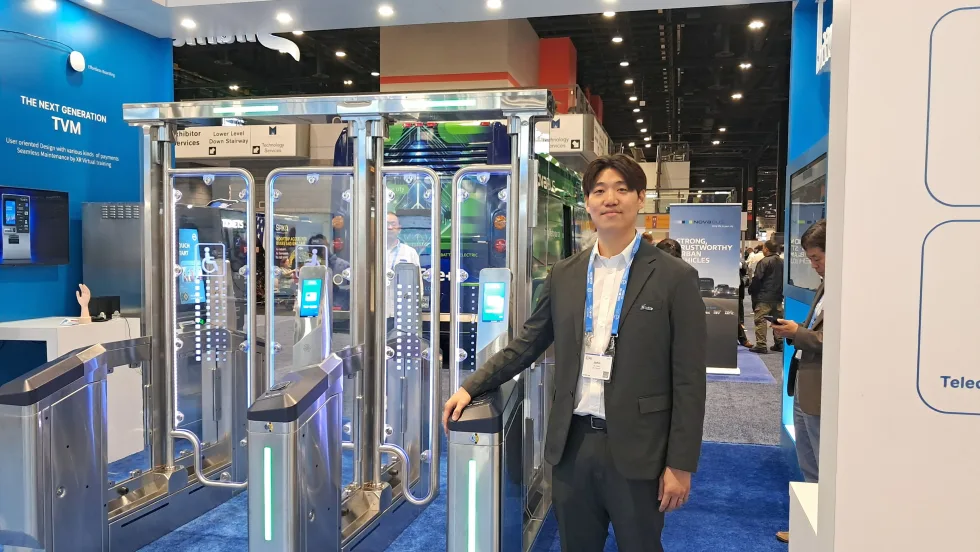
STraffic Expands North American Presence with Fare Collection Technology
John Moon, Associate Director, Product Strategy at STraffic, discusses the company's growth in North America, its efforts to reduce fare evasion, and more.
Read More →
Study: Denver RTD Generates $2.1 Billion in Annual Economic Activity
An economic impact study finds the agency supports approximately 17,500 jobs, delivers $1.6 billion in annual community and mobility benefits, and generates $2.42 in economic value for every dollar invested.
Read More →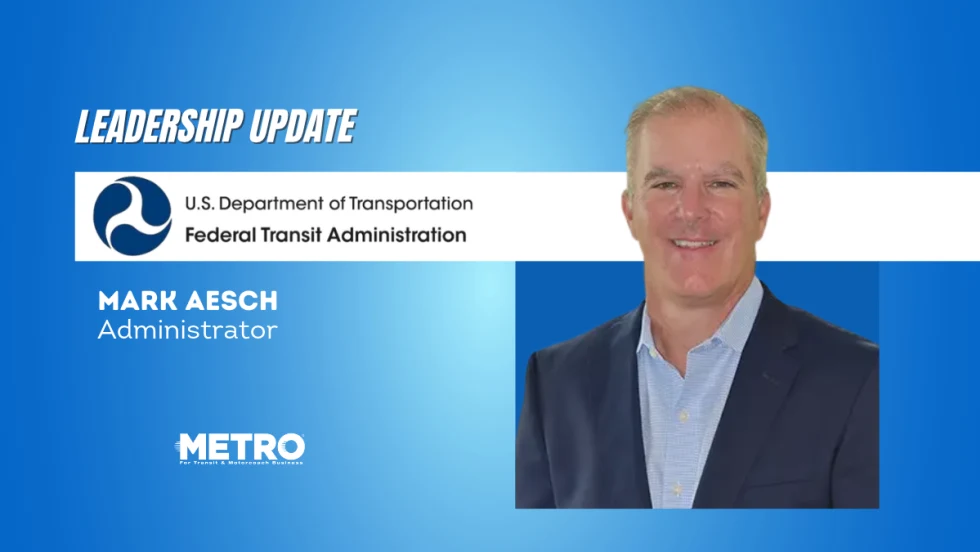
Mark Aesch Nominated to Lead Federal Transit Administration
The former Rochester transit chief and TransPro founder, who has also contributed to METRO Magazine, brings decades of industry experience and a focus on performance, accountability, and financial sustainability to the nomination.
Read More →
Best and Worst U.S. Cities for Public Transportation in 2026
A new analysis of 50 major U.S. urban areas ranks public transit systems based on accessibility, affordability, usefulness, and safety, highlighting where transit performs best and where challenges remain.
Read More →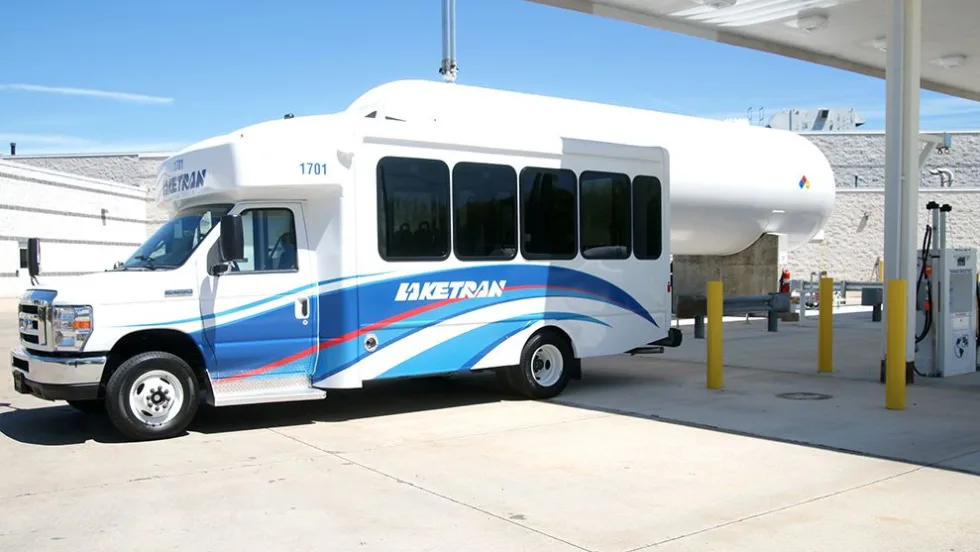
Laketran Cuts Fuel Costs, Boosts Efficiency with Propane-Powered Fleet
The Ohio transit agency is using propane-powered vehicles and on-site fueling infrastructure to cut fuel and maintenance costs while meeting growing demand for paratransit services.
Read More →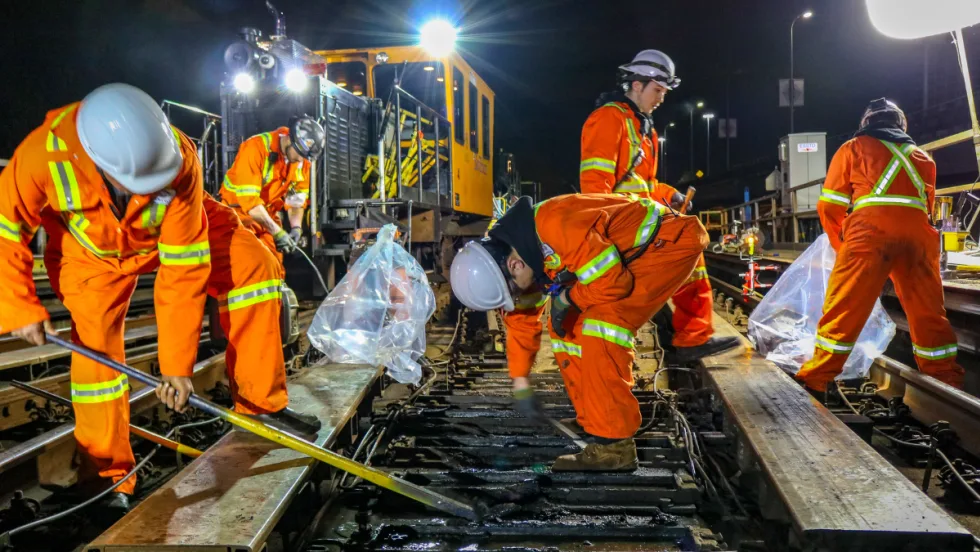
Canada’s Public Transit Supports $65.6 Billion in Annual GDP
New research from the Canadian Chamber of Commerce examines transit's economic contributions, including job creation and the financial implications of transportation investment.
Read More →
Pierce Transit Moves to Expand Fleet Following Proposition 1 Approval
The agency authorized the purchase or refurbishment of up to 60 buses to support a 47% service expansion, as voters nationwide approved billions in new transit funding.
Read More →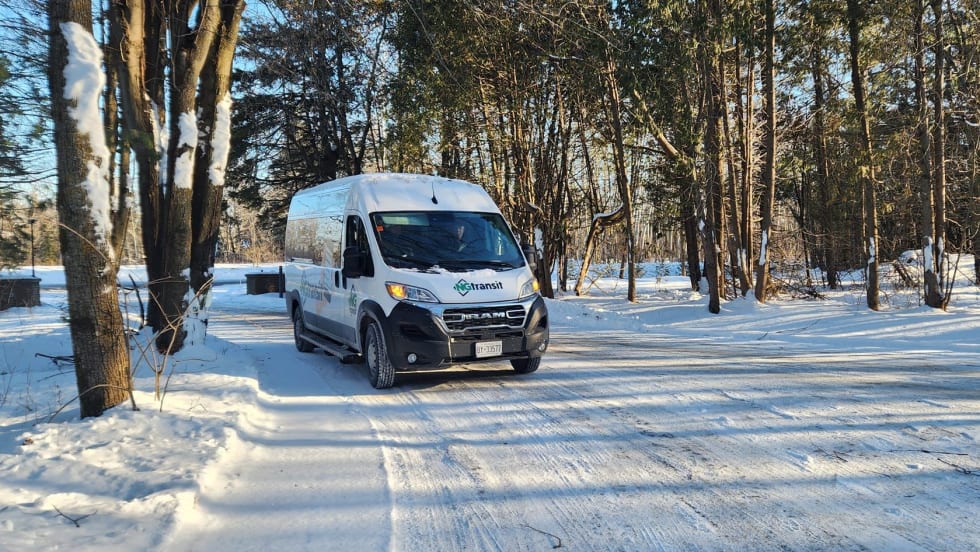
Right-Sizing Rural Transit: Lessons from North Grenville’s On-Demand Model
A small municipality shows how flexible service, rider needs, and public accountability can expand mobility with limited resources.
Read More →
Transit Ballot Victories Signal Strong Voter Support: What Comes Next?
Voters approved billions in public transportation investments in 2026, giving agencies opportunities to preserve service, expand operations, and strengthen regional connections amid a changing political landscape.
Read More →