




Video Surveillance in Public Transit: What Riders Really Think
Transit Ballot Victories Signal Strong Voter Support: What Comes Next?
Voters approved billions in public transportation investments in 2026, giving agencies opportunities to preserve service, expand operations, and strengthen regional connections amid a changing political landscape.
November 9, 2026
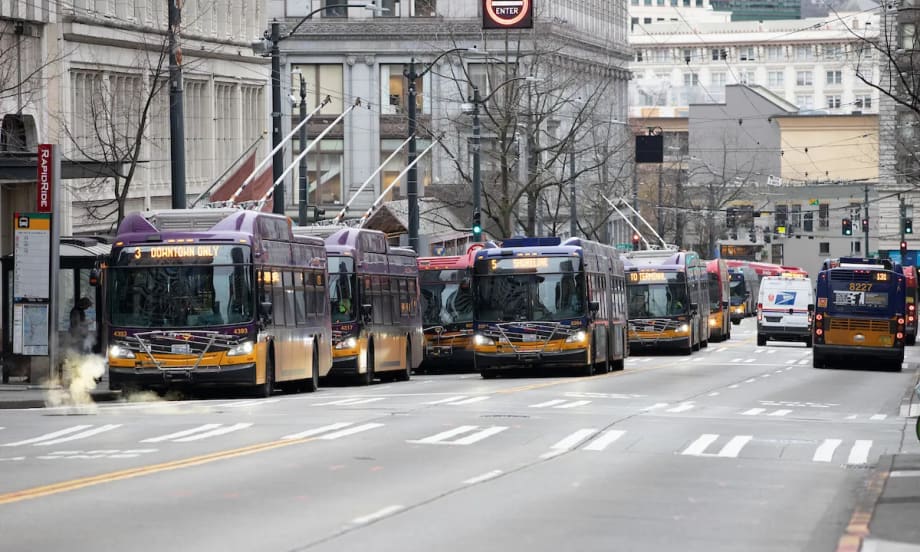
The 2026 election results highlight varying levels of voter support for transportation funding initiatives nationwide.
Credit:
King County Metro
7 min to read
- Voters approved 56 of 66 transit ballot measures throughout 2026.
- Approved measures represent more than $31 billion in transit funding.
- Some proposals faced opposition, while successful agencies now turn to implementation.
*Summarized by AI
Voters across the U.S. approved 22 of 27 public transportation ballot measures during the November 3 election, bringing the total number of successful measures in 2026 to 56 out of 66, according to the American Public Transportation Association (APTA).
The approximately 85% annual approval rate represents more than $31 billion in estimated long-term transit funding, including $27.4 billion approved on Election Day alone. The measures span urban, suburban, and rural communities, with funding directed toward maintaining existing operations, expanding service, and supporting transportation infrastructure.
Separate analysis from the Eno Center for Transportation found similar support for public transit investments. Of the 114 transportation-related ballot measures Eno tracked for the November election, 18 primarily concerned public transit. As of its November 4 analysis, 14 had passed, and two were leaning toward passage, representing nearly 89% of the transit measures tracked.
The findings also showed support for transportation tax measures and bonds across multiple regions, suggesting that voters in many communities were willing to maintain or increase funding for transportation improvements.
Editor’s Note: The figures differ from APTA's totals because Eno categorizes measures by their primary transportation mode, while APTA tracks a broader range of initiatives supporting public transit.
The results come as transit agencies face ongoing financial and operational challenges, including rising costs, workforce needs, and pressure to maintain reliable service. While the victories provide new funding opportunities, they also raise questions about how agencies will deliver promised improvements and what the shifting political landscape could mean for future transportation investments.
Funding to Preserve Service and Support Growth
One of the clearest themes emerging from the 2026 election is the different purposes voter-approved funding will serve. For some agencies, additional revenue provides financial stability and helps avoid service reductions. For others, it creates opportunities to expand operations and improve regional connections.
In California's Bay Area, 62% of voters approved the Regional Transit Measure, a 14-year sales tax expected to generate approximately $1 billion annually for transit operations and improvements. The measure will support agencies including Bay Area Rapid Transit (BART), San Francisco Municipal Transportation Agency (SFMTA), Caltrain, and AC Transit.
For AC Transit, the stakes were high. Without the measure, the agency projected potential bus service reductions of up to 16%, the removal of as many as 100 buses from daily operations, and possible layoffs affecting up to 300 employees. The measure is expected to provide approximately $55 million annually to help sustain operations.
Other communities approved funding to expand service. In Washington, Pierce County voters passed Proposition 1, increasing Pierce Transit's sales tax rate from 0.6% to 0.9%. The additional revenue will support a planned 47% increase in local bus service, including new routes, longer operating hours, and expanded paratransit.
The range of measures illustrates how agencies are approaching transit investment from different financial positions. While some are seeking to prevent reductions, others are using voter-approved funding to address service gaps and prepare for future demand.
Reliability, Accessibility, and Connectivity Drive Investments
Outside of funding stability, many successful measures emphasize improvements to the everyday rider experience, including more frequent service, expanded accessibility, and better connections between transportation systems.
Seattle voters approved a renewal and expansion of the Seattle Transit Measure, expected to generate about $138 million annually over 10 years (roughly $1.38 billion over the decade). With 72% approval, the funding will support an estimated 275,000 annual bus trips, including 95,000 additional trips compared with the previous measure, plus more service in the evenings, on weekends, and during other off-peak periods.
The Seattle measure also expands access to reduced-cost transportation by increasing the number of free ORCA transit passes available to eligible residents from approximately 10,000 to 22,000. Additional investments will support bus stop improvements, transit reliability projects, and connections to the regional light rail network.
Similar priorities are reflected in Pierce Transit's approved measure, which includes expanded SHUTTLE paratransit service, improved connections between local routes and regional transit, and fare-free bus service for eligible seniors beginning in April 2027.
Regional coordination is another focus of the election results. In the Bay Area, the approved measure is intended to support service across multiple transit systems, helping preserve connections between communities served by bus, rail, and other transportation options.
Together, these investments demonstrate how agencies are linking transit funding to broader mobility goals. Maintaining reliable service, improving accessibility, and strengthening regional connectivity are central to the improvements agencies have committed to delivering.
Turning Voter Support Into Service Improvements
Although the ballot results provide agencies with additional financial resources, implementing the proposed improvements will require long-term planning, workforce development, and infrastructure investments.
Pierce Transit, for example, plans to begin expanding service in 2027, with full implementation expected by the end of 2032. The agency must purchase additional vehicles, recruit and train operators, and develop supporting infrastructure before the full expansion can be completed.
The implementation timeline reflects challenges that extend past securing funding. Transit agencies must account for vehicle procurement schedules, workforce availability, operational capacity, and the coordination needed to introduce new or expanded services.
The measures also place renewed attention on accountability. With voters approving additional taxes and dedicated revenue sources, agencies will be responsible for demonstrating how those investments translate into improved service and whether promised projects remain on schedule.
“Every voter-approved dollar will be managed with strict financial oversight and accountability to ensure funds are invested where they will provide the greatest public benefit,” said AC Transit Board President Diane Shaw.
The ability to deliver on those commitments could influence how communities evaluate future transit funding proposals, particularly as agencies continue balancing operating costs with expectations for more frequent, reliable, and accessible service.
Not Every Transportation Measure Won Voter Support
Despite the strong national results, several communities rejected or appeared poised to reject transportation funding proposals, highlighting the challenges agencies face when seeking voter approval for additional taxes.
In California, Fresno County's Measure S, a proposed half-cent sales tax to fund transportation improvements, trailed with about 47% support as votes continued to be counted. The measure would fund roads, public transit, bicycle infrastructure, and transportation safety improvements over 30 years. Fresno County's next official results update is scheduled for November 10.
Meanwhile, voters in Tempe, Arizona, appeared to reject Proposition 424, a proposed 0.5% sales tax increase intended to support public safety, transit, and early childhood programs. The measure was designed to address the city's budget shortfall, but unofficial results showed about 59% of voters opposed the proposal.
The results show that voter support for transportation investments is not universal. While many communities approved dedicated funding measures, the unsuccessful proposals underscore the critical importance of communicating funding priorities and financial impacts to voters.
Congressional Changes Bring New Advocacy Opportunities
The election also reshaped the federal political environment in which public transportation agencies and industry organizations advocate for funding and policy priorities.
Democrats secured control of both the U.S. House of Representatives and Senate in the midterm elections, although the final margins were still being determined as votes continued to be counted.
During APTA's post-election webinar, speakers emphasized the importance of bipartisan engagement in advancing public transportation priorities. With new lawmakers entering Congress, industry advocates have opportunities to establish relationships and communicate the role transit plays in local economies, workforce mobility, and access to essential services.
Webinar speakers also indicated that approximately one-quarter or more of the House Transportation and Infrastructure Committee's membership could turn over, creating additional opportunities for transit advocates to engage with new lawmakers.
Although congressional leadership is changing, bipartisan cooperation remains an important consideration for the transportation industry. Local transit projects often depend on partnerships among federal, state, and local governments, making sustained relationships across political parties important to long-term planning.
The success of local ballot measures could also provide transit advocates with examples of community support as they engage with the incoming Congress. However, translating that support into federal policy outcomes will depend on legislative priorities, funding decisions, and cooperation among lawmakers.
What the Results Mean for Transit’s Future
The 2026 ballot results suggest that public transportation remains a priority for many communities, even as agencies contend with funding pressures and changing travel patterns.
The successful measures reflect a range of priorities, from maintaining existing bus and paratransit services to expanding regional rail networks. In Colorado, voters approved a sales tax with no sunset to support Front Range passenger rail service, while communities in Michigan and other states renewed local funding for demand-response and fixed-route transportation.
The results also highlight the importance of local revenue sources in supporting transit operations and capital investments. While federal funding remains a significant component of transportation planning, voter-approved measures can provide agencies with dedicated revenue streams over multiple years.
For agencies that secured approval, the next phase will involve translating those investments into measurable improvements. Their progress on service expansion, reliability, accessibility, and financial accountability will help determine the long-term impact of the 2026 election.
With more than $31 billion in estimated transit funding approved nationwide, the results allow the industry to strengthen existing systems and plan for future transportation needs. The challenge now is delivering on the expectations that accompanied those victories.
Quick Answers
Voters approved billions in public transportation investments, indicating strong support for transit developments.
*Summarized by AI
More Management

Right-Sizing Rural Transit: Lessons from North Grenville’s On-Demand Model
A small municipality shows how flexible service, rider needs, and public accountability can expand mobility with limited resources.
Read More →
Transit Expands Agency Partnerships, Reaching 200 Official App Partners
COO Jake Sion discusses Transit’s growth, the success of its Transit Royale program, and how technology is helping agencies improve the rider experience.
Read More →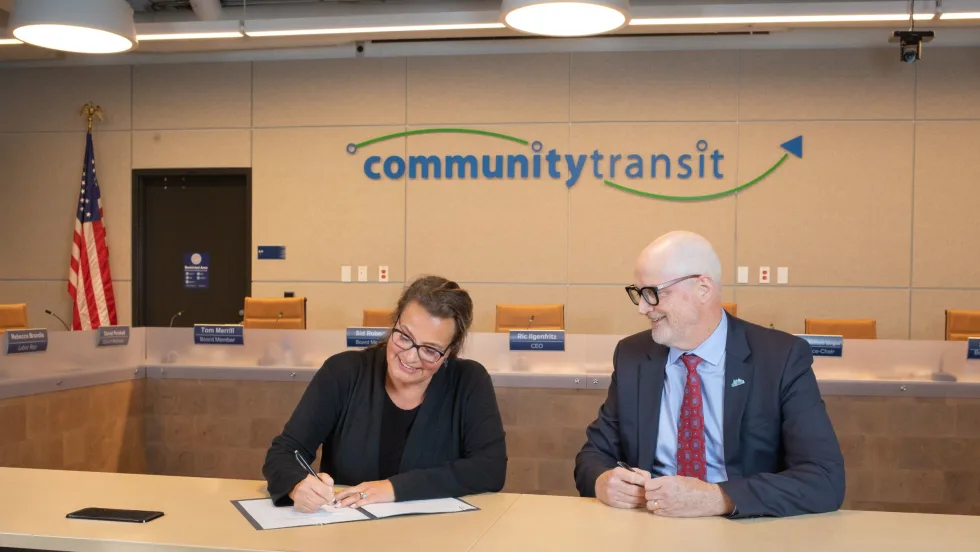
Everett Transit, Community Transit Approve Consolidation of Services
The agreement will bring Everett Transit into Community Transit’s network in April 2027, with plans to increase bus service by 50% by 2031 and expand regional connections.
Read More →
NITA Proposes $5B Operating Budget, $9.7B Capital Program for 2027
The proposed budget includes funding for expanded transit service, safety initiatives, fleet upgrades, and infrastructure improvements across CTA, Metra, and Pace.
Read More →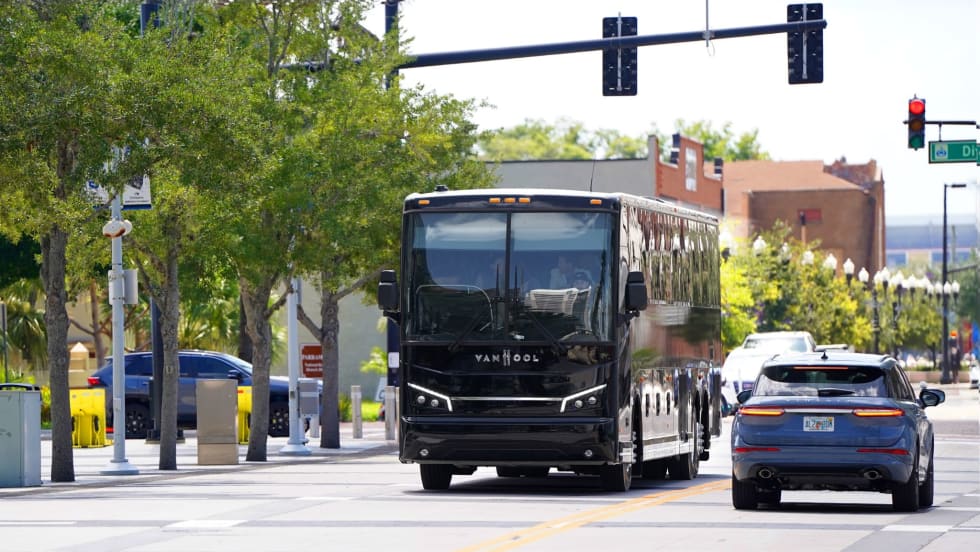
Financing, Fleet Replacement Requires a More Strategic Approach
Executives from ABC Companies and MCI discuss how rising costs, changing market conditions, and post-pandemic challenges are prompting motorcoach operators to rethink financing strategies, fleet replacement cycles, and long-term planning.
Read More →
Bringing Austin’s First Light Rail System to Life
Austin Transit Partnership CEO Greg Canally discusses the city's nearly 10-mile light rail project, its collaborative approach to project delivery, the importance of community engagement, and the milestones ahead as construction approaches in 2027.
Read More →
ETA CEO John Maglio on Transit Technology, Innovation, and Building Agency Trust
ETA founder and CEO John Maglio explores the evolution of transit technology, the importance of reliable systems, and how stronger partnerships can help agencies improve operations and the passenger experience.
Read More →
Metra Draft Plan Outlines Costs, Service Improvements for Regional Rail
The Systemwide Network Plan identifies infrastructure needs and potential investments to expand all-day, bidirectional rail service across the Chicago region.
Read More →
New Orleans RTA Names Augustine III as New CEO
In this edition, we also spotlight recent personnel moves at HDR, PATH, STV, and more, highlighting the people taking on new roles across the transportation industry.
Read More →
How Transit Agencies Are Using Free Rides to Improve Voting Access
Transit agencies are using fare-free service, trip-planning tools, and targeted rides to improve voting access. See what other agencies can learn from these efforts.
Read More →