



A few tips for spring cleaning
A clean work area is a safe work area, and there’s no better time to start thinking about and scheduling your cleaning chores than spring.
A clean work area is a safe work area, and there’s no better time to start thinking about and scheduling your cleaning chores than spring. These chores can range from shop and bus barn cleaning, painting, wall and floor repairs, door and roof repairs or just a general inspection and repair of everything that needs fixing. And with the exception of roof repair, which is usually performed by an outside contractor, all other tasks are performed by your in-house staff. How to get started Got your brooms, mops and paint brushes ready? Let’s start in the shop. Shop areas should be kept clean and organized at all times, and once a year, everything should be moved out of the shop for a thorough cleaning. Depending on the size of the shop, this could take several hours to accomplish. Most maintenance managers don’t like to give up that much time just for cleaning, but, as the cliché goes, “It’s better to be safe than sorry.” If you have a large shop, try spreading this out over several days. You’d be surprised by the potential safety hazards you’ll uncover. Equipment should be kept in a central location and returned to this area by the technician when a job is complete. (Remember how you told your kids to put their toys away?) Nothing should be left sitting in the area that the technician has to maneuver around to complete bus repairs. Walkways should have clearly visible painted lines that keep everyone away from the technician’s work area. These lines should be repainted yearly and cleaned regularly. Remember: if you can’t see the lines, you can’t follow them. Hopefully, the walls and floors of your shop have remained in good condition over the winter months, but if cracks have developed, have them repaired immediately. It’s one of the best investments in preventive maintenance you can make. A small repair now could save you some big bucks later. Also check the outside walls of your shop for cracks. Building maintenance personnel can usually do these repairs, especially when they’re small. Be aware, though. Sometimes these can go unnoticed for years, but eventually they will crack all the way through and create some big headaches and equally big repair bills. Shop doors, large and small, can be repaired and painted by building maintenance personnel. The exterior of these doors takes the most abuse and needs the most attention. Why bother, you may ask, if they’re outside doors? Well-maintained doors create a much more attractive and professional entry into your facility. And the outside appearance of a shop or parking garage usually leaves a lasting impression. It speaks volumes about the company and the people who work there. I’m sure you want to be a good first impression. Slippery when wet Now, for the bus barn or parking garage. Concrete floors can become very slippery when wet or coated with any oil or other residue. Remember to keep them spotlessly clean. The type of paint you use on the floor can also make a difference. Here at TARC, for operator safety, we use non-skid paint at the front and rear of the parking tracks. Those should also be repainted yearly and cleaned regularly. Once oil and dirt build up on non-skid paint it becomes very ineffective. Employee and customer safety should be the No. 1 goal of everyone in the transit industry. Keeping all of your work areas clean is a good start in reaching that goal. And spring is a great time to start cleaning!
More Management
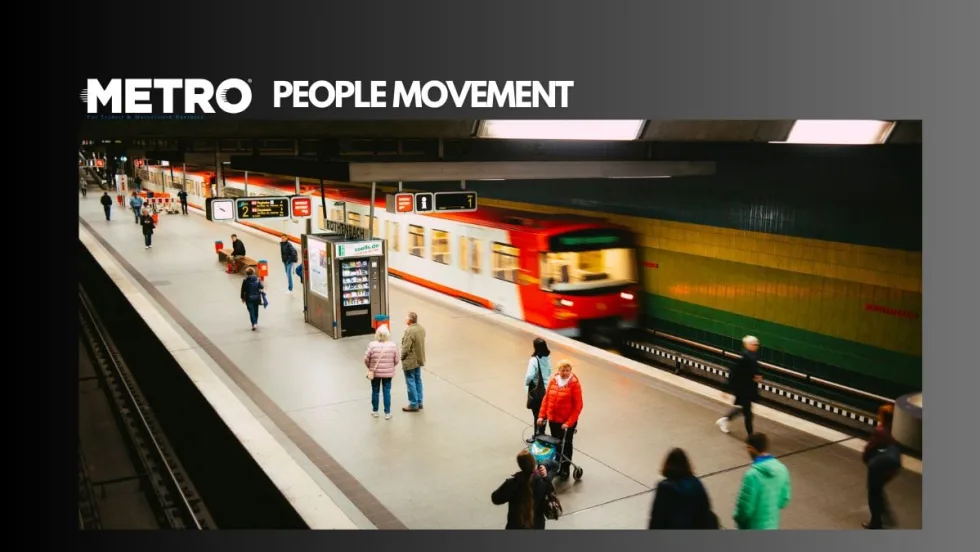
People Movement: Connectpoint Expands Leadership Team, Stadler Names New Group CEO, and More
In this edition, we also spotlight recent personnel moves at Burns, UZURV, and more, highlighting the people taking on new roles across the transportation industry.
Read More →
More Than a Summer Job: Building the Next Generation of Transit Talent
The Delaware River Port Authority and PATCO have transformed their internship program into a hands-on professional development experience that introduces students to the breadth of transportation careers — and creates a pipeline for future employees.
Read More →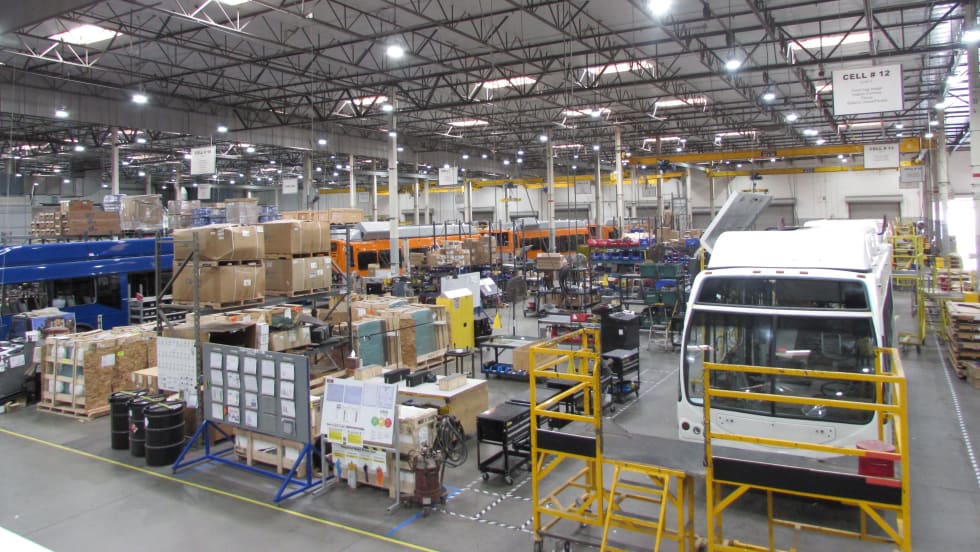
LA Metro Board Awards 220 Battery-Electric Bus Contract to ENC
The contract, which is the largest base award of battery-electric buses by a U.S. transit agency, will be built in Southern California, sustaining good jobs as LA prepares to welcome the world in 2028
Read More →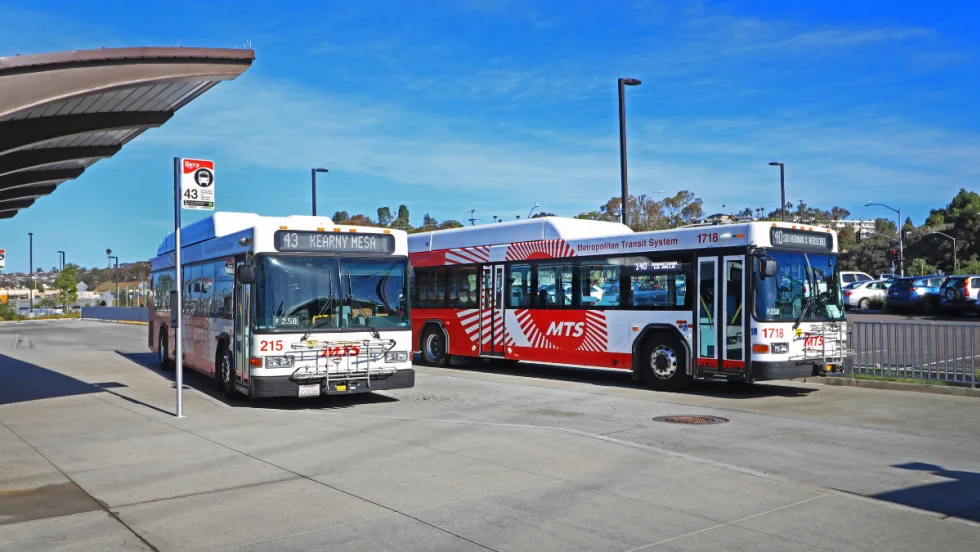
What’s Behind San Diego MTS’s Award-Winning Transit Strategy
Named one of APTA’s 2026 Outstanding Public Transportation Systems with 50 million or more annual passenger trips, California’s San Diego Metropolitan Transit System points to gains in ridership, safety, technology, and reliability as foundations of its success.
Read More →
Public Transit Conference Returning to GFX in 2027, Call for Papers Now Open
The Call for Papers is now open, allowing transit agency professionals and industry experts to help shape the PTC educational program by submitting session ideas for consideration.
Read More →
Indian River Transit’s Community-Focused Approach Earns National Recognition
Named APTA’s 2026 Outstanding Public Transportation System in its size category, Florida’s Indian River County transit system continues to grow ridership through fare-free service and a focus on evolving community needs.
Read More →
ENC Lands MATA Contract and More in Biz Briefs
In this edition of Biz Briefs, we spotlight the latest developments shaping the future of mobility.
Read More →
From Surviving to Thriving: Building Stronger Transportation Organizations
Bus Business Consultants founder Brian Dickson shares lessons on leadership, organizational health, and creating options for long-term success in a changing transportation industry.
Read More →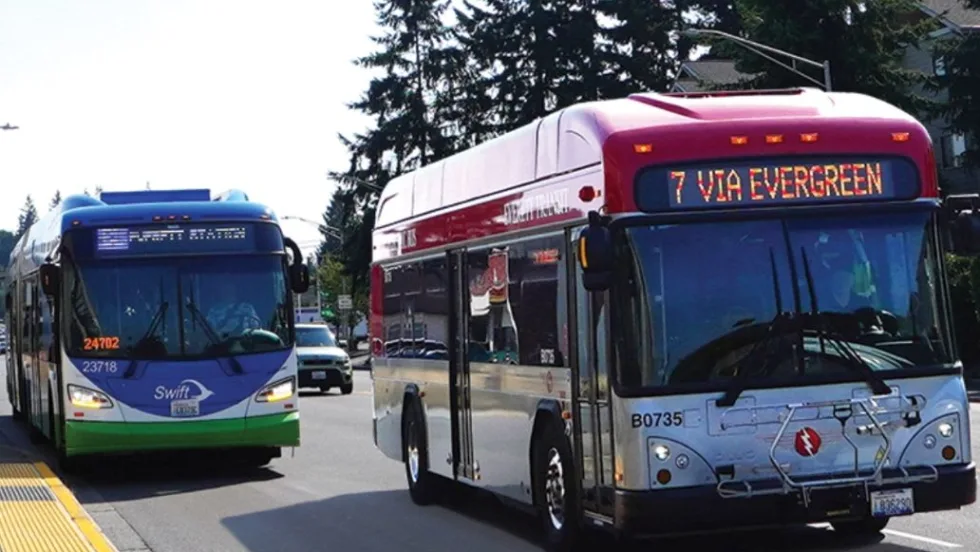
Everett Transit, Community Transit Outline Consolidation Agreement
The proposed agreement calls for a 50% increase in bus service in Everett, a new microtransit zone, continued paratransit service, and the transfer of Everett Transit operations to Community Transit.
Read More →
Strada360’s Steve Lassey on Turning Transit Data Into Better Decisions
From breaking down data silos to preparing for AI, Strada360 CEO Steve Lassey discusses how transit agencies can use technology to improve operations, customer information, and long-term decision-making.
Read More →