



Airlines’ failure provides lesson for bus operators
I hate to fly. No, I’m not afraid of flying, but I hate the inconvenience of flight delays and cancellations, faulty baggage handling and lengthy waits on the tarmac because of overcrowded gates.
I hate to fly. No, I’m not afraid of flying, but I hate the inconvenience of flight delays and cancellations, faulty baggage handling and lengthy waits on the tarmac because of overcrowded gates. An annual study that grades the performance of the airlines indicates that I’m not alone. According to the study, the airline industry’s overall rating for 2000 dropped 11% compared to 1999. Of the 12 airlines studied, only three had improved their customer service in the past year. The bottom line is that airlines are lousy at customer service and they don’t seem to want to improve. Are we doing any better? Although it would be nice to say that transit bus and motorcoach operators always deliver the high quality of customer service that seems to elude the airlines, I’m not sure that would be entirely accurate. The airlines certainly have no monopoly on shoddy service. Bus operations also are plagued by late arrivals, departures, cancellations, overcrowded conditions, the whole gamut of ills that make people think twice about ever using any form of public transportation again. Now more than ever, however, bus operators, public and private, cannot afford to deliver anything less than top-flight service. With high fuel prices, an uncertain economy and eroding consumer confidence, transportation providers cannot afford to betray their customers—not even once. To that end, Jon LeSage’s article, “How to Sharpen Your Market Research Strategies,” explains how transit agencies are improving customer service using ridership surveys, focus groups and in-depth interviews. The market-research techniques employed by many transit agencies aren’t terribly complex, but, like any good tool, they need to be used for the proper purpose. Managers need to know why they’re doing a study as much as they need to know how to do it. As Jon points out, transit agencies need to recognize the importance of soliciting community input before a project is initiated. Too many transportation “enhancements” have proven to be washouts because the real needs of the community were ignored. The article also discusses how bus manufacturers are using market research to meet the needs of end-users. By studying market research gathered by transit agencies and through proprietary sources, manufacturers can fine-tune their products and deliver exactly what the customer wants. This reduces their overhead and, consequently, trims costs for the agency and, ultimately, the guy on the street who needs a ride. Deliver more than a smile On the motorcoach side, customer service is even more crucial than for public transit operators. After all, we’re talking about margins so narrow that a few extra customers per trip could spell the difference between success and a trip to bankruptcy court. In her article “Getting the Word Out About Motorcoach Travel,” Managing Editor Leslie Davis heard from key motorcoach industry officials about ways to revitalize the industry. Not surprisingly, customer service and effective marketing were offered as key components of any sensible plan to increase revenue. More than just a smile on the face of the driver, motorcoach operators need to provide their prospective customers with service that is safe, efficient, economical and flexible. And they need to sell their image to the public. Motorcoach operators, especially the smaller ones, have not done a good job in creating a presence in the marketplace. Almost anyone can name a half-dozen airlines without much effort, but ask them to name even two local or national motorcoach operators and you’ll probably draw a long, silent pause. This anonymity is regretful, especially when you compare the price and quality of service provided by bus operators compared to the airlines. The traveling public deserves better treatment than they’re getting in the air; bus operators need to make sure they’re prepared to provide it on the ground.
More Management

Bus Tech Talk: Keeping Transit Technicians Ahead of the Technology Curve
In this episode of Bus Tech Talk, Complete Coach Works’ Business Development Manager Mark Hollenbeck and METRO’s Executive Editor Alex Roman sit down with Obed Mejia, Senior Technical Trainer for Bus Maintenance, at LA Metro to discuss how rapidly evolving bus technology is changing the maintenance shop — and the skills technicians need to keep pace.
Read More →
Michael Schneider Joins Paslay Group to Expand Transportation Practice
The longtime transportation executive will help Paslay Group grow its advisory and program management work across transit, highway, and other infrastructure sectors.
Read More →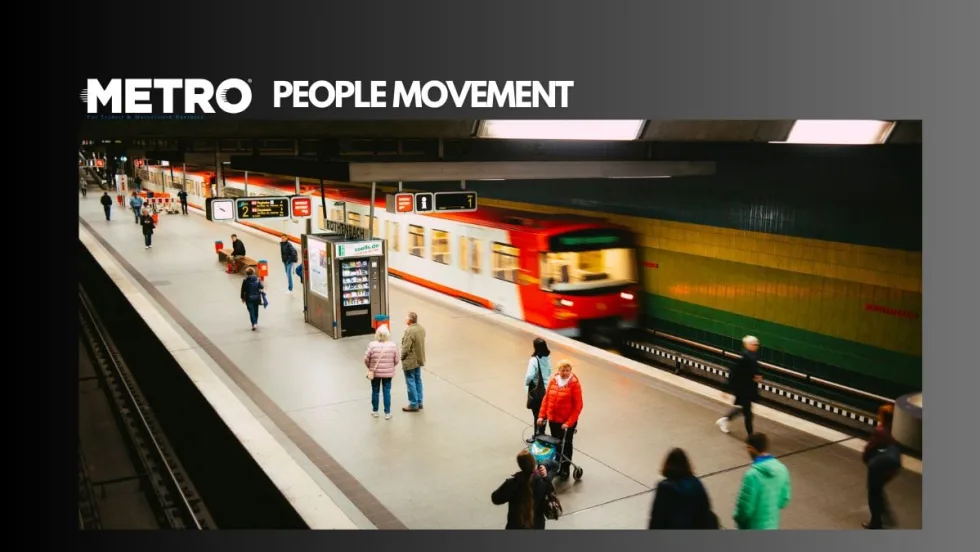
People Movement: Connectpoint Expands Leadership Team, Stadler Names New Group CEO, and More
In this edition, we also spotlight recent personnel moves at Burns, UZURV, and more, highlighting the people taking on new roles across the transportation industry.
Read More →
More Than a Summer Job: Building the Next Generation of Transit Talent
The Delaware River Port Authority and PATCO have transformed their internship program into a hands-on professional development experience that introduces students to the breadth of transportation careers — and creates a pipeline for future employees.
Read More →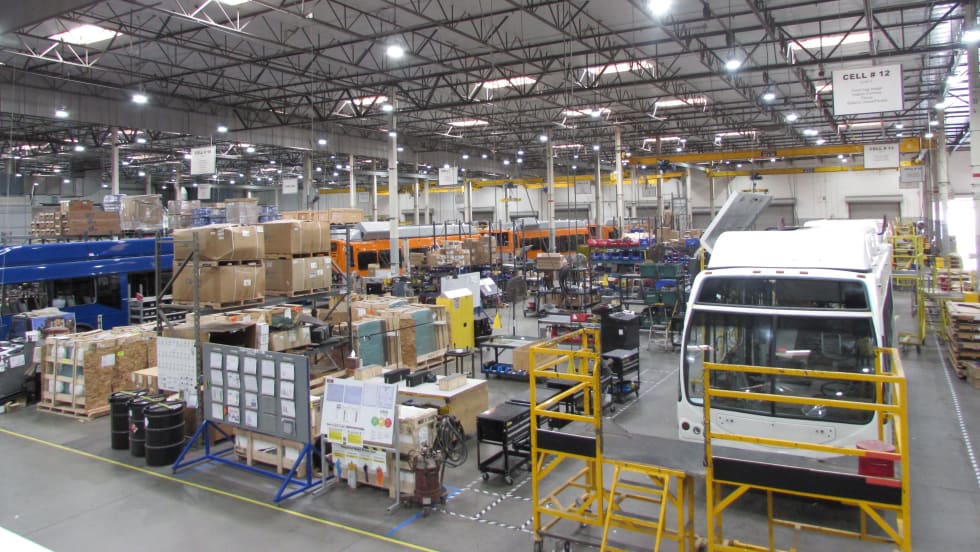
LA Metro Board Awards 220 Battery-Electric Bus Contract to ENC
The contract, which is the largest base award of battery-electric buses by a U.S. transit agency, will be built in Southern California, sustaining good jobs as LA prepares to welcome the world in 2028
Read More →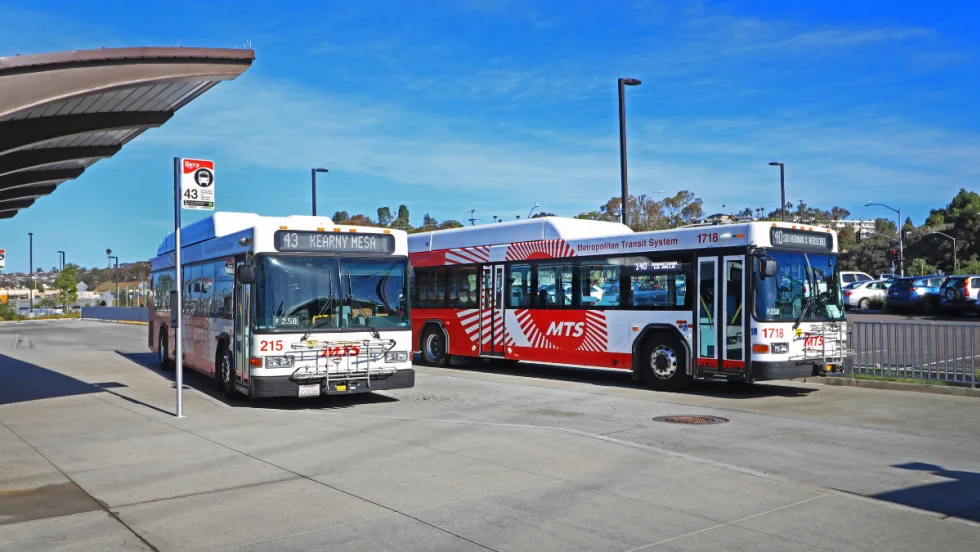
What’s Behind San Diego MTS’s Award-Winning Transit Strategy
Named one of APTA’s 2026 Outstanding Public Transportation Systems with 50 million or more annual passenger trips, California’s San Diego Metropolitan Transit System points to gains in ridership, safety, technology, and reliability as foundations of its success.
Read More →
Public Transit Conference Returning to GFX in 2027, Call for Papers Now Open
The Call for Papers is now open, allowing transit agency professionals and industry experts to help shape the PTC educational program by submitting session ideas for consideration.
Read More →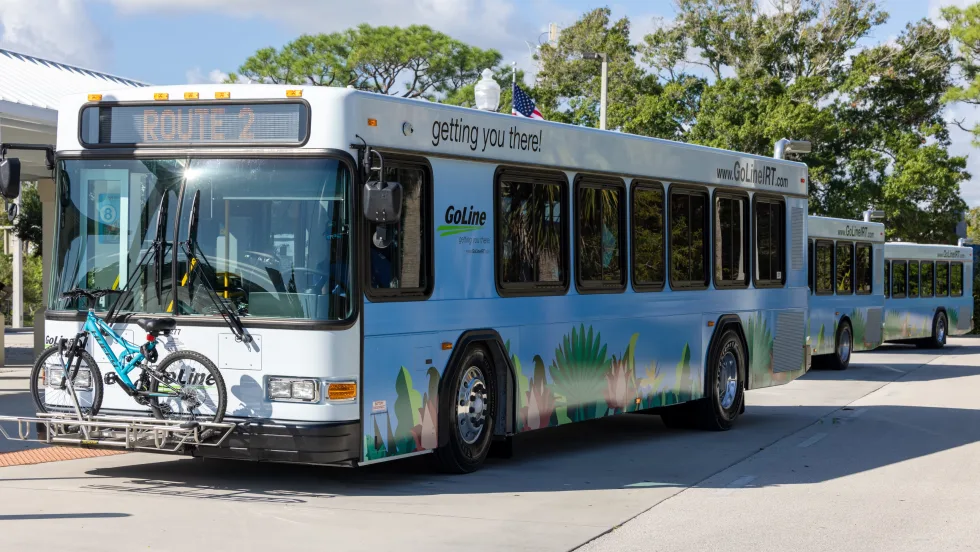
Indian River Transit’s Community-Focused Approach Earns National Recognition
Named APTA’s 2026 Outstanding Public Transportation System in its size category, Florida’s Indian River County transit system continues to grow ridership through fare-free service and a focus on evolving community needs.
Read More →
ENC Lands MATA Contract and More in Biz Briefs
In this edition of Biz Briefs, we spotlight the latest developments shaping the future of mobility.
Read More →From Surviving to Thriving: Building Stronger Transportation Organizations
Bus Business Consultants founder Brian Dickson shares lessons on leadership, organizational health, and creating options for long-term success in a changing transportation industry.
Read More →