



APTA Legislative Conference spotlights TEA 21’s successor
The reauthorization of TEA 21 should build on the success of the transportation act with predictable and stable funding levels while streamlining the grants process.

The reauthorization of TEA 21 should build on the success of the transportation act with predictable and stable funding levels while streamlining the grants process. That was the overriding theme at the American Public Transportation Association’s (APTA) 27th Legislative Conference in Washington, D.C. The meeting, held March 10 to 13, provided attendees with the opportunity to meet with their representatives on Capitol Hill and to hear messages of support from the likes of Transportation Secretary Norman Mineta, Federal Transit Administrator Jenna Dorn and Sen. James Jeffords of Vermont. “While I expect key elements of the Bush administration’s reauthorization proposal will seek to preserve and build upon the programmatic reforms of ISTEA and the financial reforms of TEA 21, we have an opportunity to do more,” Mineta told the attendees during the opening general session. He stressed the need to preserve funding levels but also to apply flexibility “to allow the broadest application of funds to the best transportation solutions identified by our state and local partners.” Mineta added that public transit plays a key role in all three of President Bush’s post-Sept. 11 objectives: winning the war against terrorism, both at home and abroad; improving homeland security; and stimulating the economy. Mineta also discussed the need to continue to bolster the security of the nation’s surface transportation system through risk analysis, incident identification, emergency response and evacuation. “There’s still much work to be done,” he said. On the topic of TEA 21’s successor, APTA’s board of directors adopted reauthorization recommendations that call for greater federal investment in public transportation. The recommendations were compiled by APTA’s task force on reauthorization, which urged a 12% annual growth rate in federal transit funding over the life of the reauthorization period (FY 2004-2009). That would double the funding level, to $14 billion, by fiscal year 2009. However, Sen. Paul S. Sarbanes of Maryland told attendees that increases in funding levels could be difficult to attain. In regard to the FTA’s New Starts program, he said the Bush administration would prefer to cut the federal share and increase local contributions. “We really have our work cut out for us to increase federal investment,” he said. The meeting was marked by the first Transportation Business Seminar, a one-day post-conference event that focused on the concerns of the supplier side of the industry. The seminar was attended by more than 125 APTA members and covered topics such as “How Healthy Is the Public Transit Industry? The View from the Outside,” “How Healthy Is the Public Transit Industry? The View from the Inside,” “Understanding the Public Transportation Executive,” “How to Live Through Bad Times: What Can We Learn from the Airline Industry?” and “What Does the Future Hold?” During one roundtable on the health of the industry, the discussion spotlighted the difficulties that many bus manufacturers face in trying to maintain a positive cash flow while waiting to receive payment from transit agencies. In the interim, the manufacturers must absorb significant financial burden because they have to cover their overhead and pay their subcomponent suppliers. One way to address that problem would be to require transit authorities to make progress payments as the buses move through the production process. This would allow the manufacturers to alleviate cash-flow difficulties. “This is an industry where progress payments should be the norm,” said Annemarie Chenoweth, president of Neoplan USA. “It’s one way to set up a win-win situation.”
More Management
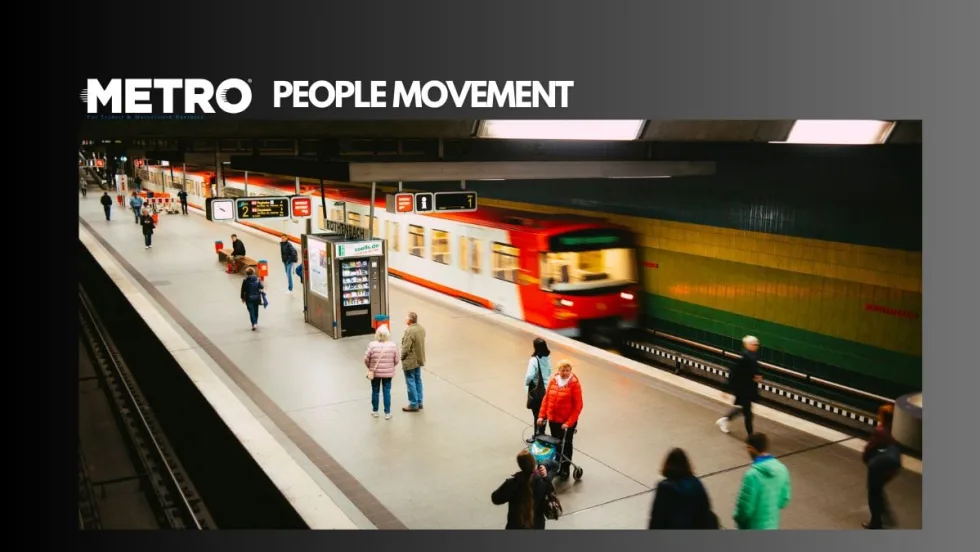
People Movement: Connectpoint Expands Leadership Team, Stadler Names New Group CEO, and More
In this edition, we also spotlight recent personnel moves at Burns, UZURV, and more, highlighting the people taking on new roles across the transportation industry.
Read More →
More Than a Summer Job: Building the Next Generation of Transit Talent
The Delaware River Port Authority and PATCO have transformed their internship program into a hands-on professional development experience that introduces students to the breadth of transportation careers — and creates a pipeline for future employees.
Read More →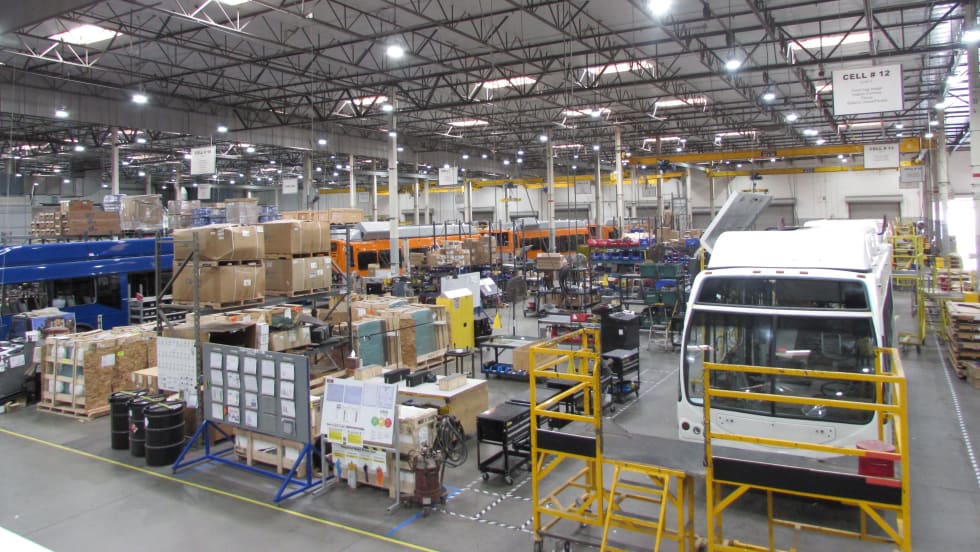
LA Metro Board Awards 220 Battery-Electric Bus Contract to ENC
The contract, which is the largest base award of battery-electric buses by a U.S. transit agency, will be built in Southern California, sustaining good jobs as LA prepares to welcome the world in 2028
Read More →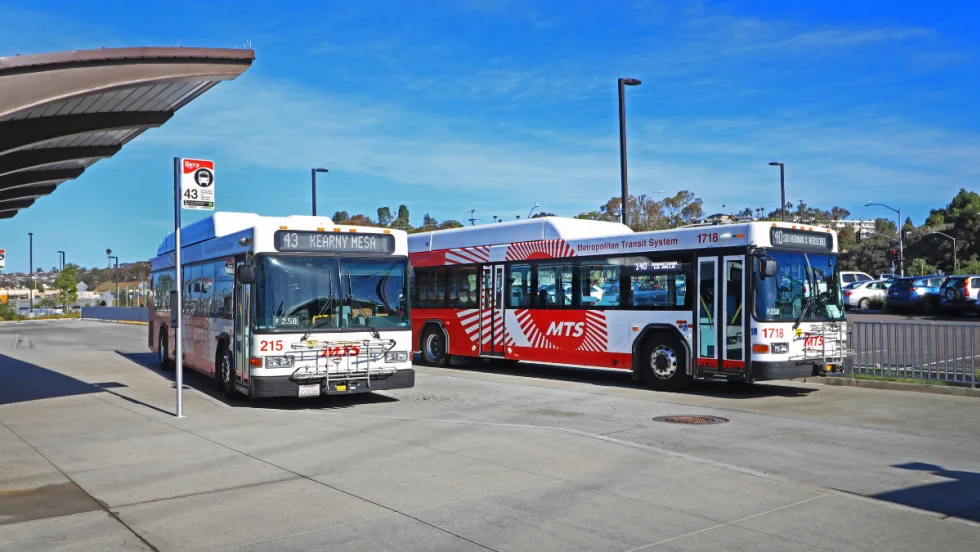
What’s Behind San Diego MTS’s Award-Winning Transit Strategy
Named one of APTA’s 2026 Outstanding Public Transportation Systems with 50 million or more annual passenger trips, California’s San Diego Metropolitan Transit System points to gains in ridership, safety, technology, and reliability as foundations of its success.
Read More →
Public Transit Conference Returning to GFX in 2027, Call for Papers Now Open
The Call for Papers is now open, allowing transit agency professionals and industry experts to help shape the PTC educational program by submitting session ideas for consideration.
Read More →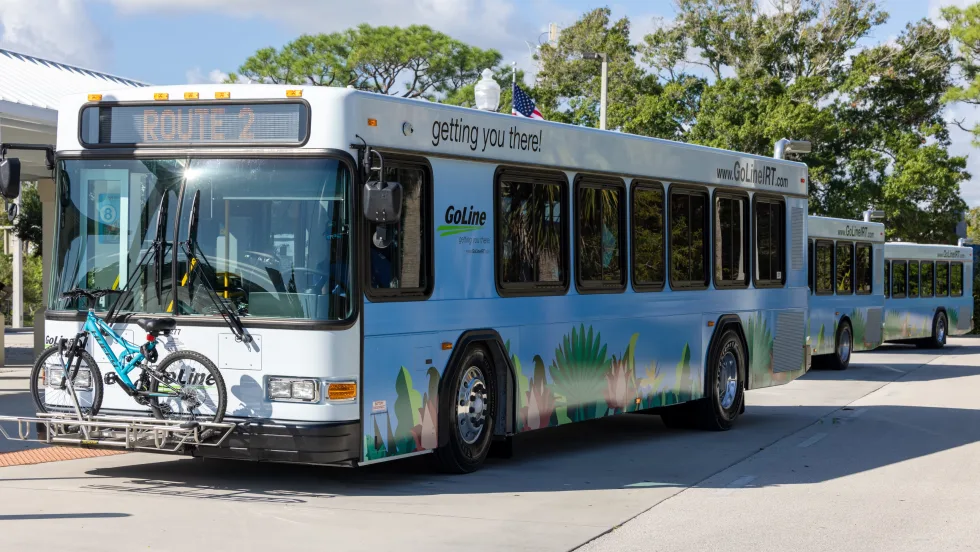
Indian River Transit’s Community-Focused Approach Earns National Recognition
Named APTA’s 2026 Outstanding Public Transportation System in its size category, Florida’s Indian River County transit system continues to grow ridership through fare-free service and a focus on evolving community needs.
Read More →
ENC Lands MATA Contract and More in Biz Briefs
In this edition of Biz Briefs, we spotlight the latest developments shaping the future of mobility.
Read More →
From Surviving to Thriving: Building Stronger Transportation Organizations
Bus Business Consultants founder Brian Dickson shares lessons on leadership, organizational health, and creating options for long-term success in a changing transportation industry.
Read More →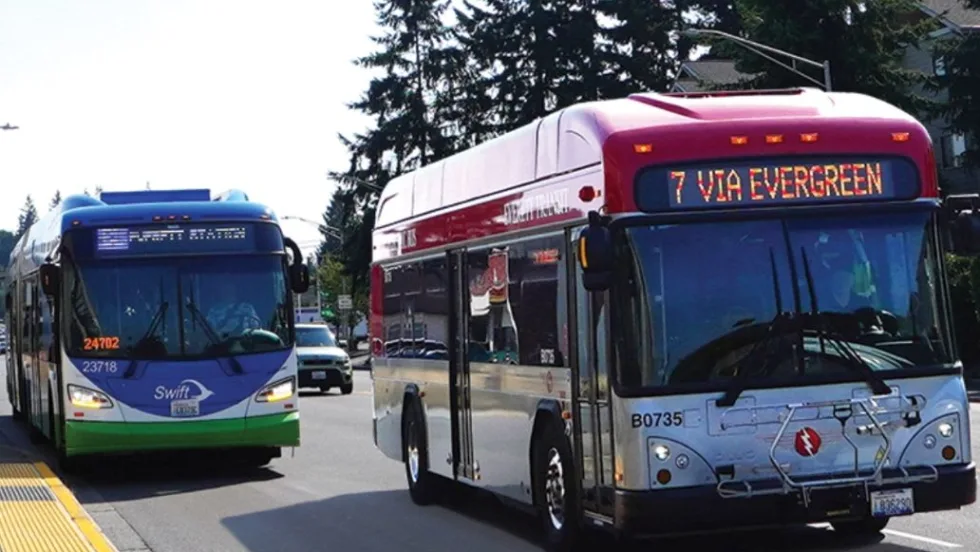
Everett Transit, Community Transit Outline Consolidation Agreement
The proposed agreement calls for a 50% increase in bus service in Everett, a new microtransit zone, continued paratransit service, and the transfer of Everett Transit operations to Community Transit.
Read More →
Strada360’s Steve Lassey on Turning Transit Data Into Better Decisions
From breaking down data silos to preparing for AI, Strada360 CEO Steve Lassey discusses how transit agencies can use technology to improve operations, customer information, and long-term decision-making.
Read More →