



BART Police add BlackBerrys to arsenal
Police officers for Bay Area Rapid Transit in the San Francisco area are beginning to carry BlackBerry 7520s for quick access to critical information.
Bay Area Rapid Transit (BART) police officers have a new item in their accouterment — a Research in Motion BlackBerry¨ 7520. Along with their gun, handcuffs and notebook, some officers are carrying handheld devices loaded with software that provides location-based emergency response information.
The BlackBerry integrates with the BART police dispatch system, so officers can quickly access all information available to the dispatcher. A similar package is available to officers with laptops in their police cruisers.
“Now, the officers in the field don’t have to clog up the radio waves asking dispatch for information,” explains Carissa Goldner, systems administrator in the BART Police Department. “They like having the information at their hands, so if the radio is busy with a pursuit or something more severe, they don’t have to wait to get through to dispatch.”
Wealth of data available
Through the system, based on MapInfo Corp.’s MapXtreme package and mBiztech’s mBizMap, officers have immediate access to schematics for all stations, train yards and associated buildings; locations of unmarked track access and station entrances; digital photographs of emergency exits; and contact and location information for nearby hospitals, jails and other facilities.
The department recently added track milepost information, including train speeds and wall clearance for every location (at tenth-of-a-mile intervals) in the rail system.
Officers can select from a geographic display of all BART stations or a list of stations and property names. They then see “hot links” to documents related to the location.
Given BART’s geographic expanse — the system has 104 miles of track, 43 stations, and covers four counties and 26 cities — officers often respond to calls in unfamiliar areas.
“It’s not police officers walking the same 10-block area every day. It’s an officer riding the lines of the network and having to get off at any given station and not necessarily having a good idea of where they are at any given time,” says Sabby Nayar, strategic industry manager for MapInfo.
Shift in dispatch strategy
This is the latest phase in a project modernizing BART’s dispatch system by converting a paper-based system to a location-based record management system.
In November 2003, BART received MapInfo’s suite of mapping, document management and GIS software as part of the company’s government grant program.
MapInfo reseller Galilee Enterprise then scanned in 40 years’ worth of BART records and tagged those records to geographic locations. All rail stations and parking lots were geo-coded, linked to the records and integrated into the document management system.
BART police dispatchers now use desktop-based software from MapInfo to instantly connect to the information by clicking a station, parking lot or building. Dispatchers also can access a routing system to direct cruiser-based officers to and from BART property; the system provides links to the California Highway Patrol for traffic delay updates.
Before the new system was implemented, dispatchers kept information in binders stored in large cabinets. Dispatch officers had to disconnect from the radio, locate the proper binder and then read the information to responding officers.
The BlackBerry-enabled application is currently in limited release. Several cruisers have been equipped with laptops, and eight officers carry the BlackBerry devices at any given time. The devices also include software allowing officers to run outstanding warrant, driver’s license and automobile tags checks.
Because the underground portion of the system has limited cellular service, the BlackBerry devices save all information internally and periodically update the data wirelessly from the server.
2006 is wireless goal
BART intends to bring all officers online by the end of 2006 to correspond with a project by Nextel to wire the entire system for cellular service. At that time, all cruisers will be equipped with wireless-enabled laptops, and officers on a foot beat or undercover will carry a BlackBerry.
Other departments have expressed interest in using the software. BART’s engineers are considering purchasing BlackBerry devices to manage their dispatched maintenance crews. They also plan to use the devices to locate “dead spots” in their radio network.
More Management

NITA Proposes $5B Operating Budget, $9.7B Capital Program for 2027
The proposed budget includes funding for expanded transit service, safety initiatives, fleet upgrades, and infrastructure improvements across CTA, Metra, and Pace.
Read More →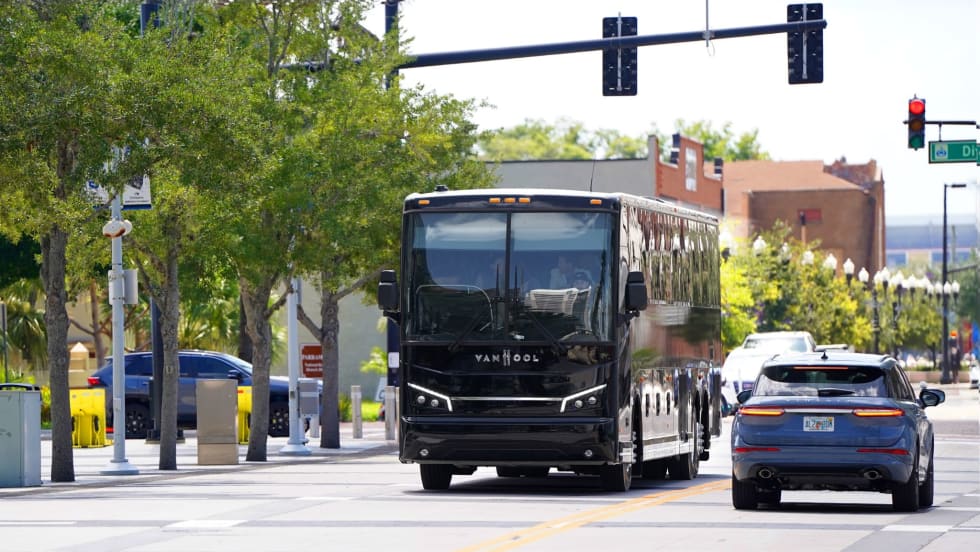
Financing, Fleet Replacement Requires a More Strategic Approach
Executives from ABC Companies and MCI discuss how rising costs, changing market conditions, and post-pandemic challenges are prompting motorcoach operators to rethink financing strategies, fleet replacement cycles, and long-term planning.
Read More →
Bringing Austin’s First Light Rail System to Life
Austin Transit Partnership CEO Greg Canally discusses the city's nearly 10-mile light rail project, its collaborative approach to project delivery, the importance of community engagement, and the milestones ahead as construction approaches in 2027.
Read More →
ETA CEO John Maglio on Transit Technology, Innovation, and Building Agency Trust
ETA founder and CEO John Maglio explores the evolution of transit technology, the importance of reliable systems, and how stronger partnerships can help agencies improve operations and the passenger experience.
Read More →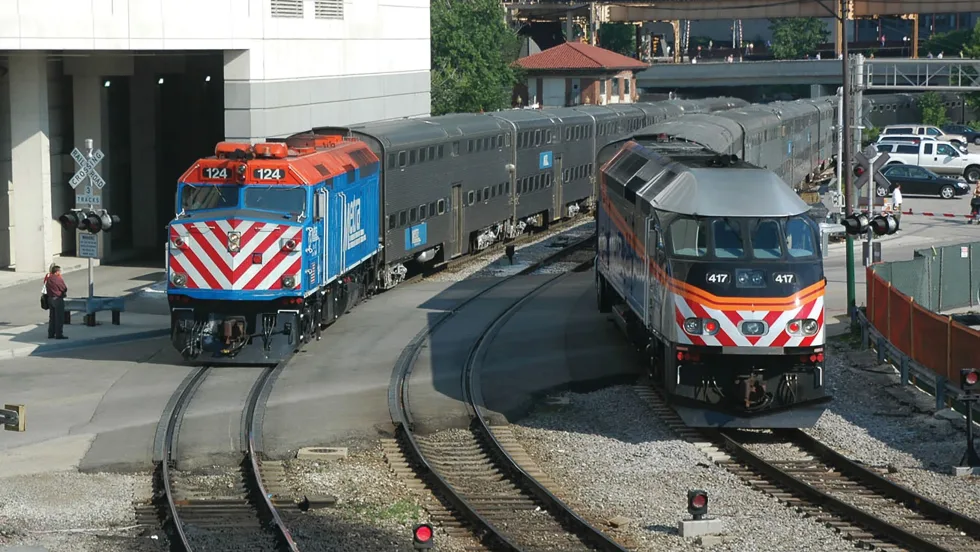
Metra Draft Plan Outlines Costs, Service Improvements for Regional Rail
The Systemwide Network Plan identifies infrastructure needs and potential investments to expand all-day, bidirectional rail service across the Chicago region.
Read More →
New Orleans RTA Names Augustine III as New CEO
In this edition, we also spotlight recent personnel moves at HDR, PATH, STV, and more, highlighting the people taking on new roles across the transportation industry.
Read More →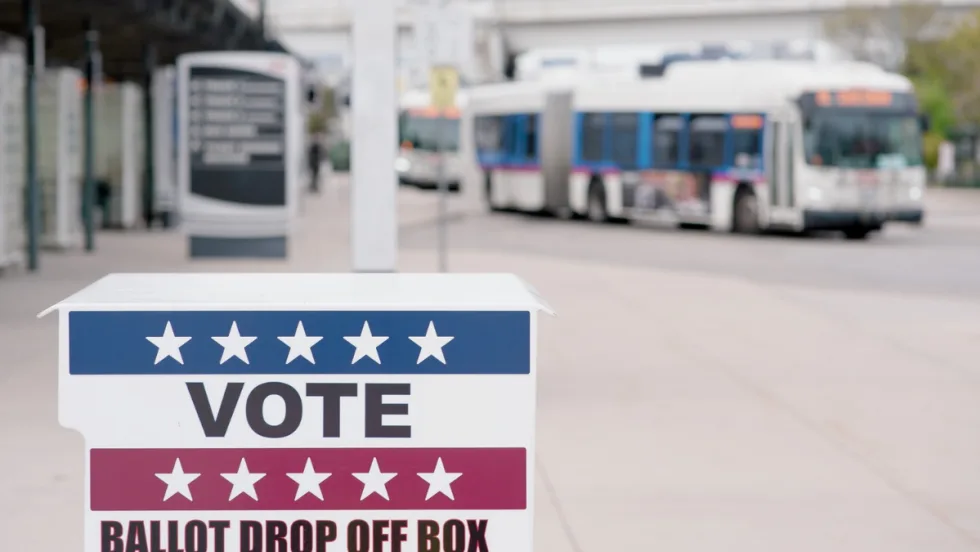
How Transit Agencies Are Using Free Rides to Improve Voting Access
Transit agencies are using fare-free service, trip-planning tools, and targeted rides to improve voting access. See what other agencies can learn from these efforts.
Read More →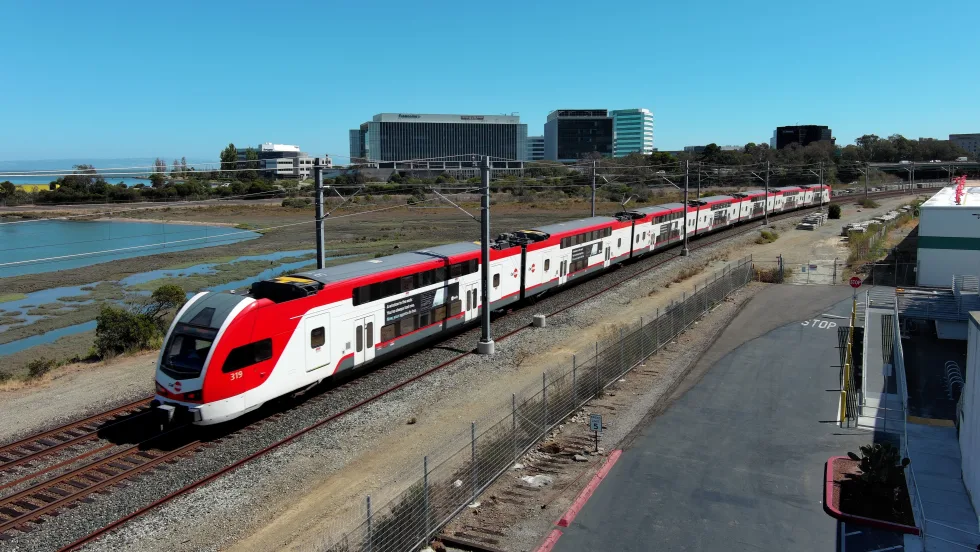
Caltrain’s Electrification Drives a New Era of Ridership Growth
The railroad’s shift to electric service has brought more frequent trains, stronger customer satisfaction, and increased ridership, earning it APTA’s Outstanding Public Transportation System award.
Read More →
Chicago, Charlotte Transit Agencies Expand Rider Support Programs
CTA launched crisis intervention teams as CATS prepares to deploy fare ambassadors, expanding customer assistance and security efforts across both systems.
Read More →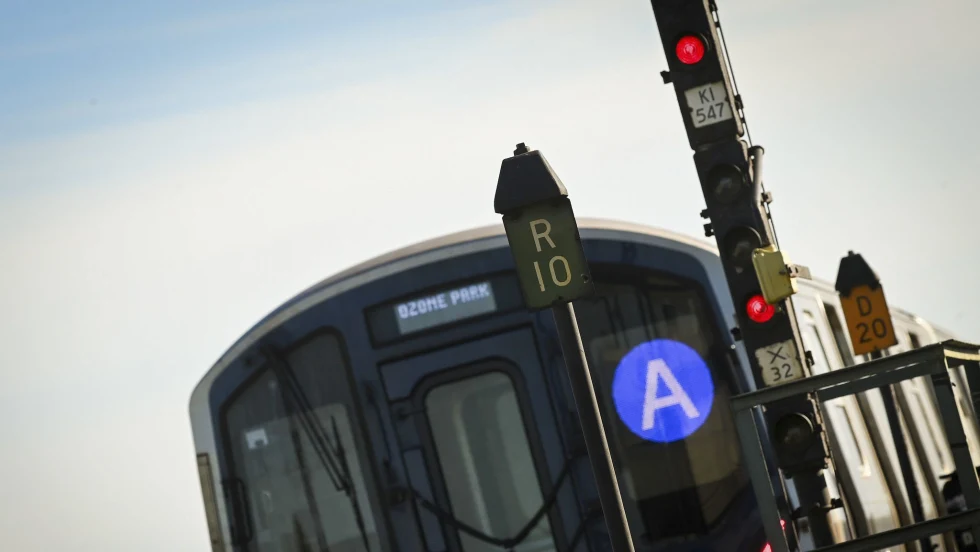
New York MTA Launches Historic $1.9B Signal, Track Modernization Project
Funded in part by congestion pricing revenue, the project will replace nearly century-old signals along the A and C lines in Brooklyn and Queens.
Read More →