



BRT — mode du jour or long-term solution?
The concept of bus rapid transit has emerged as a viable means of improving mobility.
The impact of the ever-worsening traffic congestion in the U.S. is substantial in time, resources and pollution. The Texas Transportation Institute's 2002 Urban Mobility Report estimates that in 75 urban areas the total congestion bill for 2000 came to $67.5 billion. That is the value of 3.6 billion hours of delay and 5.7 billion gallons of excess fuel consumed.
In an attempt to lessen traffic congestion and present buses as a more reliable and effective high-speed transit alternative, the concept of bus rapid transit (BRT) has emerged as a viable means of improving mobility.
In recent years, cities across the U.S. elected to build light rail lines. Although high in cost and lengthy in construction, these systems reduce congestion and often attract the added benefit of private investments and residential development. However, BRT systems have proven far less costly and faster to implement, and can stimulate economic growth. The first leg of the BRT system in Brisbane, Australia, which opened in April 2001, stimulated a 20% increase in property values and economic and residential growth along the busway.
BRT gains ground
BRT is starting to gain ground on light rail, and politicians and the public are beginning to notice. BRT around the world has exemplary success records and reputations in such places as Pittsburgh, Miami, Quito (Ecuador) and Ottawa (Canada).
The Metro Rapid BRT system operating within the Wilshire-Whittier corridor in Los Angeles is attracting customers comparable to that of any U.S. light rail line. Patronage on the system has increased by as much as 33%, with one-third of the increase coming from new customers. The Los Angeles County Metropolitan Transportation Authority Board just approved an additional 350 miles of BRT in Los Angeles with the mandate that two new Metro Rapid BRT routes be implemented every six months.
In Australia, ridership increases have been more impressive. The BRT system in Adelaide (the O-Bahn) has had a 76% patronage gain and the Brisbane busway has had a 42% gain in ridership since opening in April 2001.
In the U.S., the transit industry is working with bus manufacturers to develop more attractive and comfortable vehicles, getting away from the "bread-box-on-four-wheels" that people are used to seeing by designing new hi-tech, aesthetically-pleasing, environmentally-friendly and modern BRT buses.
BRT offers other benefits as well. Research shows that expediting the movement of transit vehicles on arterials and other high-capacity streets can produce improved traffic flow for all vehicles. In Los Angeles, signal priority at intersections along the Wilshire-Whittier BRT corridor result in a reported 23% to 28% travel time savings. The time savings is between 32% to 47% for BRT systems operating on such busways as Pittsburgh and Ottawa. In Brisbane, the same one-hour car journey during peak hours was reduced to 18 minutes by a busway trip. Research also shows that busway-based BRT saves two to three minutes per mile and arterial street-based BRT saves one to two minutes per mile in overall travel time.
There are critics
Despite the successes and commitment to many of the U.S. BRT systems, state and local transportation engineering departments remain focused on the auto by building new roads and all but ignoring the important community role of transit and other transportation alternatives.
Many cities may still decide to adopt light rail as the preferred alternative despite the merits of BRT. But with looming gridlock comes mounting pressure to do something and do it quickly at the lowest burden to taxpayers. Where the choice is BRT now or light rail much later at a much higher cost, the logic of BRT is hard to ignore.
More Management
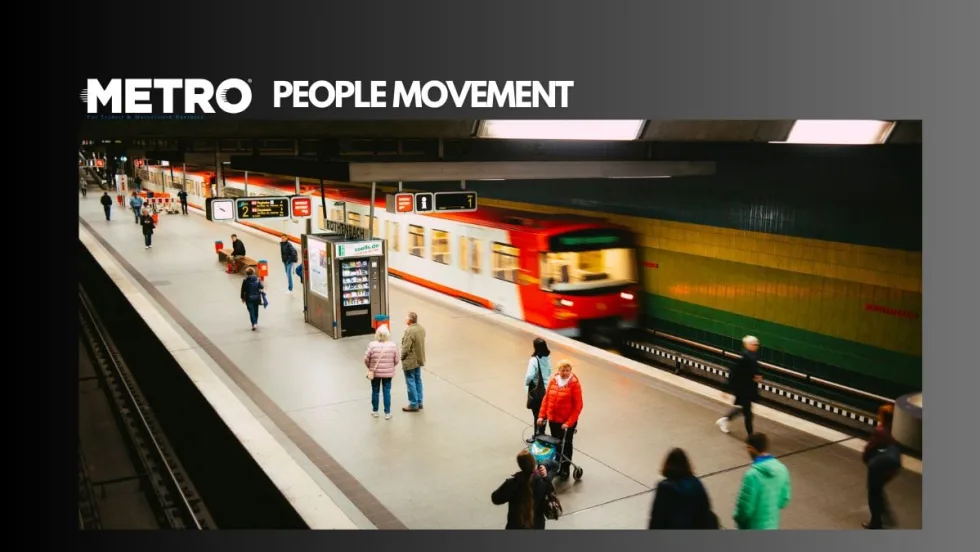
People Movement: Connectpoint Expands Leadership Team, Stadler Names New Group CEO, and More
In this edition, we also spotlight recent personnel moves at Burns, UZURV, and more, highlighting the people taking on new roles across the transportation industry.
Read More →
More Than a Summer Job: Building the Next Generation of Transit Talent
The Delaware River Port Authority and PATCO have transformed their internship program into a hands-on professional development experience that introduces students to the breadth of transportation careers — and creates a pipeline for future employees.
Read More →
LA Metro Board Awards 220 Battery-Electric Bus Contract to ENC
The contract, which is the largest base award of battery-electric buses by a U.S. transit agency, will be built in Southern California, sustaining good jobs as LA prepares to welcome the world in 2028
Read More →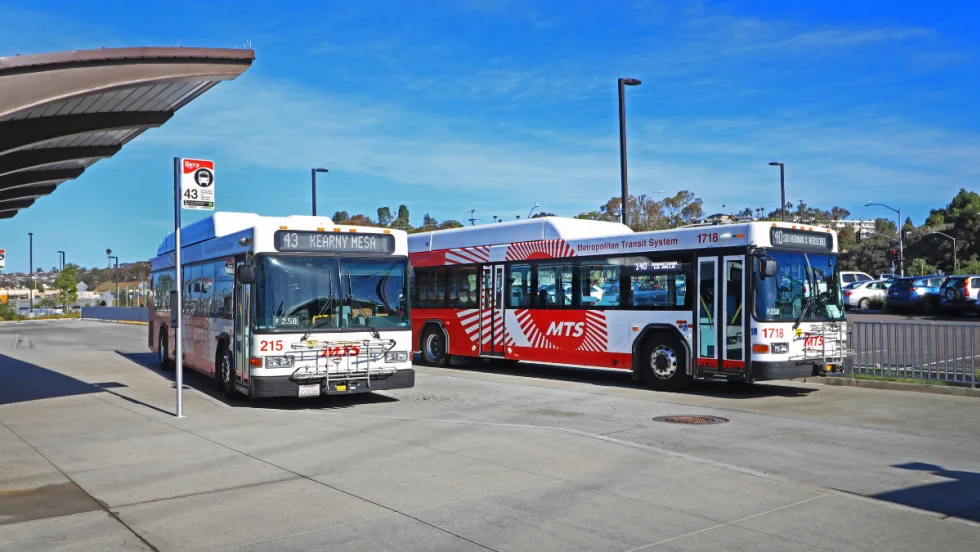
What’s Behind San Diego MTS’s Award-Winning Transit Strategy
Named one of APTA’s 2026 Outstanding Public Transportation Systems with 50 million or more annual passenger trips, California’s San Diego Metropolitan Transit System points to gains in ridership, safety, technology, and reliability as foundations of its success.
Read More →
Public Transit Conference Returning to GFX in 2027, Call for Papers Now Open
The Call for Papers is now open, allowing transit agency professionals and industry experts to help shape the PTC educational program by submitting session ideas for consideration.
Read More →
Indian River Transit’s Community-Focused Approach Earns National Recognition
Named APTA’s 2026 Outstanding Public Transportation System in its size category, Florida’s Indian River County transit system continues to grow ridership through fare-free service and a focus on evolving community needs.
Read More →
ENC Lands MATA Contract and More in Biz Briefs
In this edition of Biz Briefs, we spotlight the latest developments shaping the future of mobility.
Read More →
From Surviving to Thriving: Building Stronger Transportation Organizations
Bus Business Consultants founder Brian Dickson shares lessons on leadership, organizational health, and creating options for long-term success in a changing transportation industry.
Read More →
Everett Transit, Community Transit Outline Consolidation Agreement
The proposed agreement calls for a 50% increase in bus service in Everett, a new microtransit zone, continued paratransit service, and the transfer of Everett Transit operations to Community Transit.
Read More →
Strada360’s Steve Lassey on Turning Transit Data Into Better Decisions
From breaking down data silos to preparing for AI, Strada360 CEO Steve Lassey discusses how transit agencies can use technology to improve operations, customer information, and long-term decision-making.
Read More →