



Budget gap forces WMATA to cut 220 jobs
The reduction in workforce consists primarily of administrative positions.

In an effort to close a budget shortfall without raising fares or reducing service, the Washington Metropolitan Area Transit Authority (WMATA) plans to cut 220 jobs. The cuts, primarily administrative positions, account for about 2% of the agency’s workforce.
In early March, the agency announced that it would phase out its construction department as current projects are finished, which accounts for a little over 100 positions. The remaining cuts would come from across all other departments, except for bus, rail, paratransit and security. "The most important part of this process has been communicating to our employees and being upfront about the direction of Metro," said WMATA General Manager John Catoe. "This has not been easy for anyone involved, whether it’s the affected employees, or those staying with Metro."
WMATA provided information to all employees on the reduction-in-force process and on severance packages. "We explained the process by which they might find a new position at Metro," Catoe said. "Before the reduction-in-force notifications, we also trained the managers who would have to deliver the news to employees."
According to Catoe, most of the employees affected by the reduction in force have been placed on 60 days of paid administrative leave, so that they can focus all their energies on finding new jobs. "We are also going to help employees with resume-writing assistance, help on interviewing and job search strategies, and by providing access to computers, phones and the Internet."
Employees affected by the cuts were given an information guide on the reduction in force, along with a list of all available positions within Metro. Career counselors from an outside management firm were made available for employees to talk to. The firm will also provide resume assessments, as well as guidance on resume writing, interview techniques and job search strategies.
While the budget shortfall is the primary reason the agency was forced to make cuts, Catoe says conditions at the agency have changed. "Our mission has changed. We won’t be building any more additions to the system. We will need to focus on maintaining and operating that system," he said. "In more recent years we’ve seen growth in our administrative and support positions but not in our operations positions."
Although the cuts will help save $22 million annually, the agency’s projected budget gap for the coming fiscal year is $116 million. One of the ways the agency is looking to help shrink the budget gap is by taking advantage of a one-time revenue of $40 million won from litigation, and the use of about $12 million from the sale of unused fare media.
Even though WMATA will be able to balance the budget for fiscal year 2008, this is only a transition, said Catoe. "In the coming months we will be working with the Board to bring more stability to our budget process. We would like to see our fare increases linked to an economic indicator like the Consumer Price Index. That way, when the cost of the fuel we use goes up, the fares will go up accordingly." Linking fares to an index is something that will be looked at in the next fiscal year budget. The agency will also continue to push for dedicated funding.
High overtime spending is another issue the agency is grappling with, which they intend to stem by hiring more operations people and assigning them to the locations and schedules where they are most needed. In the proposed fiscal year 2008, WMATA plans to hire up to 40 full-time bus operators. "To attract more bus operators and to fill those positions, we plan to eliminate the requirement that all new bus operators start as part-time employees," said Catoe. "I believe that practice has hurt our recruitment of new bus operators."
More Management
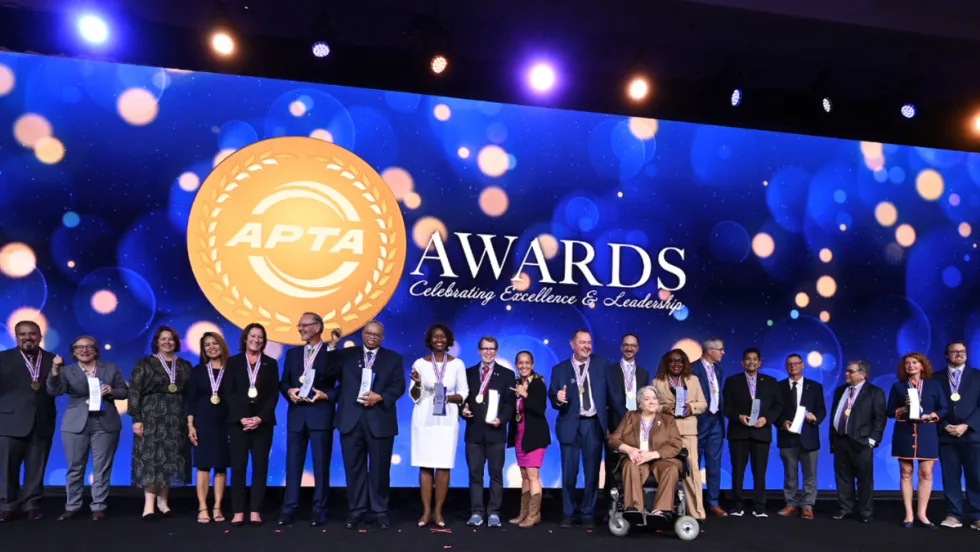
APTA Honors 2026 Award Winners, Hall of Fame Inductees at TRANSform & EXPO
Innovations in autonomous and zero-emission transportation, standout transit systems, and industry leadership took center stage among this year's honorees.
Read More →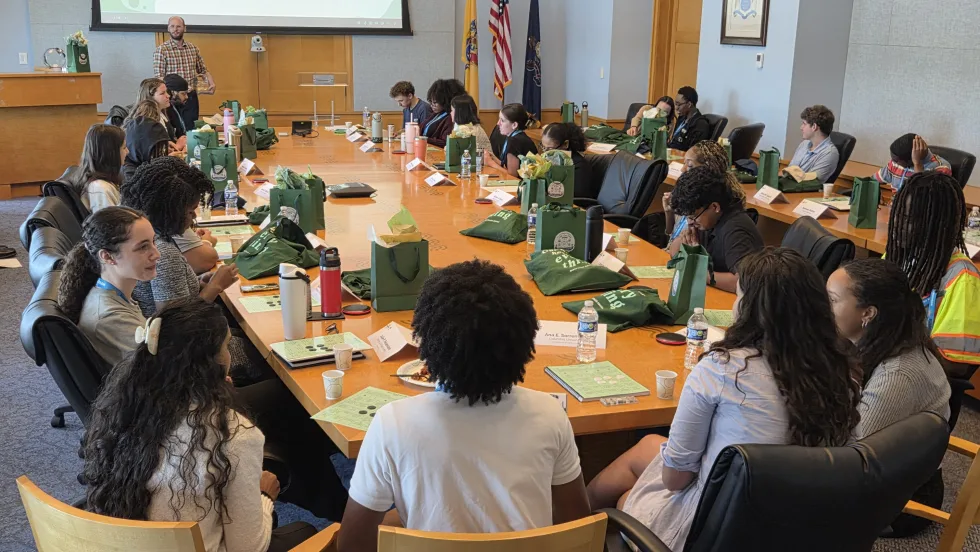
7 Ways to Build a Better Transit Internship Program
Lessons from DRPA/PATCO’s approach to creating a meaningful internship experience—and developing the next generation of transportation professionals.
Read More →
Scenes from APTA TRANSform & EXPO 2026
Transit leaders, manufacturers, and industry professionals gathered in Chicago to explore new technologies, share ideas, and discuss the future of public transportation.
Read More →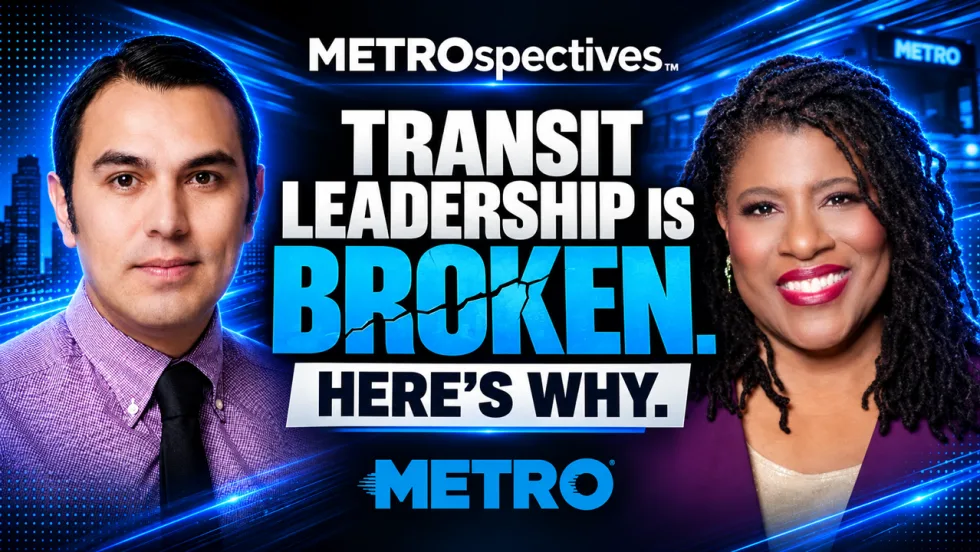
Building Stronger Leaders, More Resilient Transit Teams
Dr. Carol Parker Walsh discusses leadership development, employee retention, workplace culture, and preparing transit’s workforce for AI and automation.
Read More →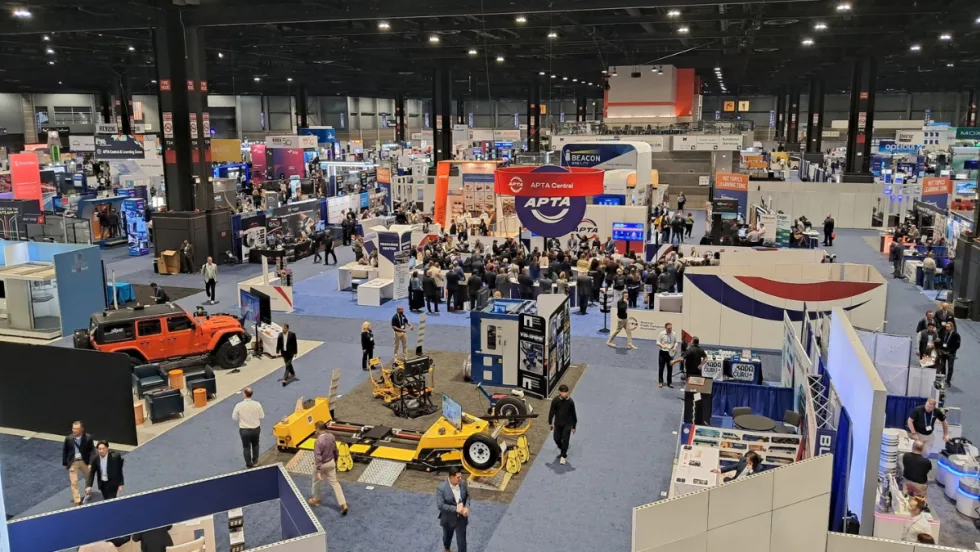
APTA 2026 TRANSform & EXPO Kicks Off in Chicago
After 45 years, APTA returns to Chicago with a focus on next-generation fleets, AI, connected transit networks, and the funding strategies shaping public transportation’s future.
Read More →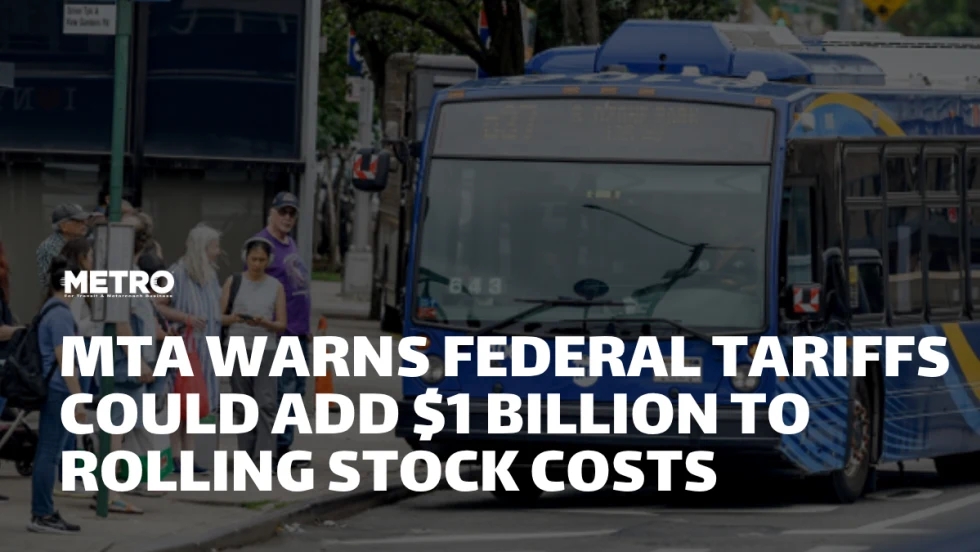
New York MTA Warns Federal Tariffs Could Add $1 Billion to Rolling Stock Costs
The agency said tariffs on specialized imported components could reduce the purchasing power of its $23 billion investment in new subway cars, railcars, and buses.
Read More →
From the Show Floor: What Happened at APTA TRANSform & EXPO 2026
See the latest product launches, partnerships, technology updates, and transit industry announcements from APTA TRANSform & EXPO in Chicago.
Read More →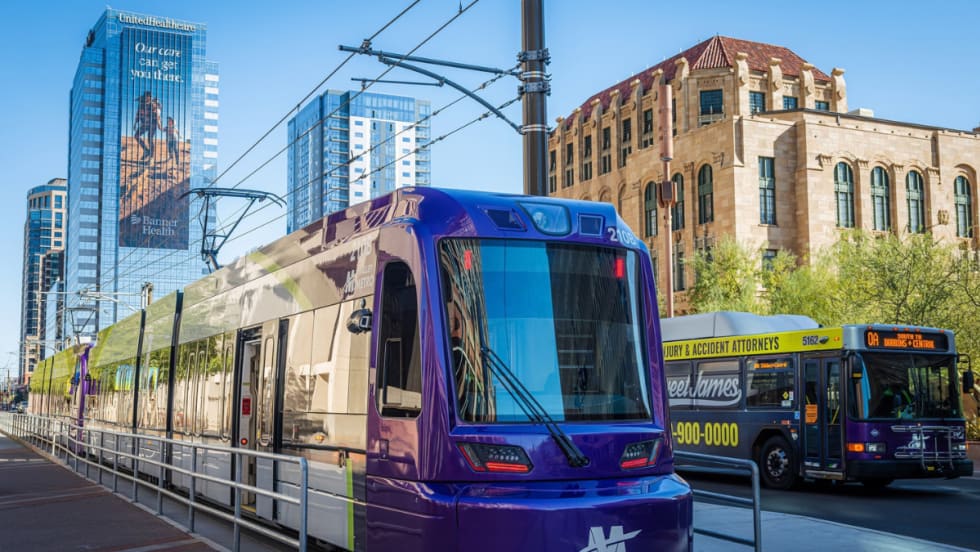
How Valley Metro Is Balancing Transit Growth With the Rider Experience
The APTA award-winning agency is pairing rapid system expansion with investments in workforce, safety, technology, and the fundamentals of transit service.
Read More →
Bus Tech Talk: Keeping Transit Technicians Ahead of the Technology Curve
In this episode of Bus Tech Talk, Complete Coach Works’ Business Development Manager Mark Hollenbeck and METRO’s Executive Editor Alex Roman sit down with Obed Mejia, Senior Technical Trainer for Bus Maintenance, at LA Metro to discuss how rapidly evolving bus technology is changing the maintenance shop — and the skills technicians need to keep pace.
Read More →
Michael Schneider Joins Paslay Group to Expand Transportation Practice
The longtime transportation executive will help Paslay Group grow its advisory and program management work across transit, highway, and other infrastructure sectors.
Read More →