



BusCon Coverage: Why Mid-Sized Buses Are Becoming the Preferred Vehicle
Reduced maintenance costs, longer service life and improved maneuverability are just a few of the things that make buses 31 to 38 feet more appealing to operators.
Medium-sized buses got their start when vanpooling became popular following the oil embargo of the ’70s. They are again growing in popularity due to the features that set them apart from smaller and larger buses. “The concept of the medium-duty bus is the fastest growing segment of the bus market,” says Sheldon Walle, senior vice president of ElDorado National. “That’s mainly because of the impression they make to the public. It looks better to have fewer people on a smaller bus.” A medium-sized bus can be defined as having an overall length of up to 38 feet and a GVWR of 15,500 pounds to 27,000 pounds. It is either built on a rail chassis with forward control or a medium-duty cutaway and can seat up to 41 passengers without luggage. When compared to a small bus, that means more passenger capacity, better driver ergonomics, reduced maintenance cost and longer service life. The frame rail section height increases from 7 to 8 inches to 9 to 10 inches and the tire size is at 19.5 inches rather than 16 inches. The load capacity also increases from a maximum of 15,000 pounds for a small bus to a maximum of 27,000 pounds for a medium-sized bus. “Medium-sized buses also have a longer service life … operating at the mid- to low-end of their design capacity,” says Dan Herman, bus marketing manager at International Truck and Engine. “Engines and transmissions routinely provide 500,000 miles of service in medium-duty vehicles.” Drivers also benefit in the switch from a small to medium-sized vehicle. It allows them more workspace, better visibility, a better ride and a lower noise level (on the cutaway chassis). When put up against a regular bus, a mid-sized vehicle provides improved maneuverability, comparable service life and reduced purchase and operating costs. “It’s shorter with a short turning radius, making it easier to operate in congested areas,” says Herman. “It has a comparable service life but operates below service limits, giving it longer durability.” Two of the biggest benefits of going from a large bus to a medium bus are the reduced purchase and operating costs. A large vehicle now costs anywhere from $250,000 to more than $350,000, whereas a luxury medium-duty bus can be purchased for $100,000 to $125,000. The lower weight of the vehicle (a large motorcoach can weigh up to 50,000 pounds) provides higher fuel economy, and there is typically a lower cost for such maintenance items as tires, brakes and oil changes. There are also lower investment and operating costs and a shorter build and delivery time. Types of medium-sized buses Without question, large buses have always dominated the market. The first small bus, built on a van cutaway chassis, was developed in 1979. Medium-duty buses on rail chassis were first available in 1983 and on a cutaway in 1996. The two types of medium-sized buses also vary. Buses built on a rail chassis offer two more seats and better forward visibility. The cutaway version provides better driver access and ergonomics, better maintenance access and reduced noise level (due to the engine being under the hood in the front of the vehicle), and the finished bus is done at a lower cost. Perception matters Perception is a key to operating the mid-sized bus. “The perception of the mid-sized vehicle is that it is more neighborhood and, therefore, user-friendly,” says Jay Goodwill, a senior research associate at the Center for Urban Transportation Research and former general manager of Sarasota County (Fla.) Area Transit (SCAT). When SCAT first brought the medium-duty buses to its fleet, the agency had no problem garnering a positive public perception. “We saw an acceptance of the bus,” he says. “There was no [negative] change in ridership.” In fact, Goodwill says the agency had high community and political acceptance. The buses also allowed the agency to fit ridership demands, putting larger buses only on those routes that needed them. As ElDorado’s Walle pointed out, it is perceived that the transit system is more effective if the buses are full. And that may mean filling up smaller buses to give that appearance. “People also perceive it as having fewer pollutants,” he says. Convincing the unconvinced Despite its shown benefits, not everyone is convinced that medium-sized buses are the way to go. “There is stubbornness in fixed-route transit to move toward smaller buses,” says Goodwill. That may be because transit agencies are identifiable by larger buses. But, he says, even that is starting to change with the improvement in quality and choices of the mid-sized vehicles. When Goodwill was general manager of SCAT, the agency operated everything from small to large buses. On both its fixed-route and paratransit services, SCAT operates about a dozen mid-sized buses. A recent study by the agency determined that, during a one-year period, medium-duty buses had the lowest cost per mile and the highest fuel economy (see chart for comparison). One of the biggest perks of the mid-sized bus, according to Goodwill, is the shorter procurement time. The lead time for a large bus can take anywhere from 18 to 24 months, but it only takes about 90 to 120 days for a mid-sized vehicle. The only drawback of operating the buses is the additional parts needed in the maintenance shop, says Goodwill. He did find, though, that SCAT’s maintenance staff prefers working on the mid-sized vehicles rather than smaller cutaways. Operators are concerned with passenger weight on a smaller load vehicle. “The feds say 150 pounds per seat is standard,” says Halsey King, president of Halsey King & Associates. “There is no percentile group for infants, just male and female. The design weight and capability of existing lifts are based on criteria of the ’70s.” Heavy wheelchairs have also posed a problem, causing operators to turn away passengers seated in them. The Federal Transit Administration and the American Public Transportation Association did release White Book specifications for buses 30 feet and smaller. In it, there are standards regarding wheelchair lifts.
More Management
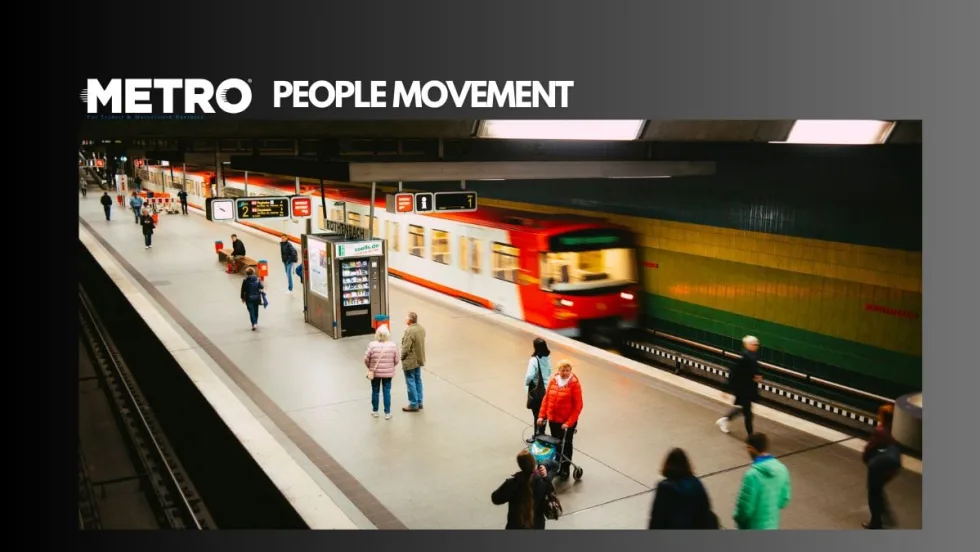
People Movement: Connectpoint Expands Leadership Team, Stadler Names New Group CEO, and More
In this edition, we also spotlight recent personnel moves at Burns, UZURV, and more, highlighting the people taking on new roles across the transportation industry.
Read More →
More Than a Summer Job: Building the Next Generation of Transit Talent
The Delaware River Port Authority and PATCO have transformed their internship program into a hands-on professional development experience that introduces students to the breadth of transportation careers — and creates a pipeline for future employees.
Read More →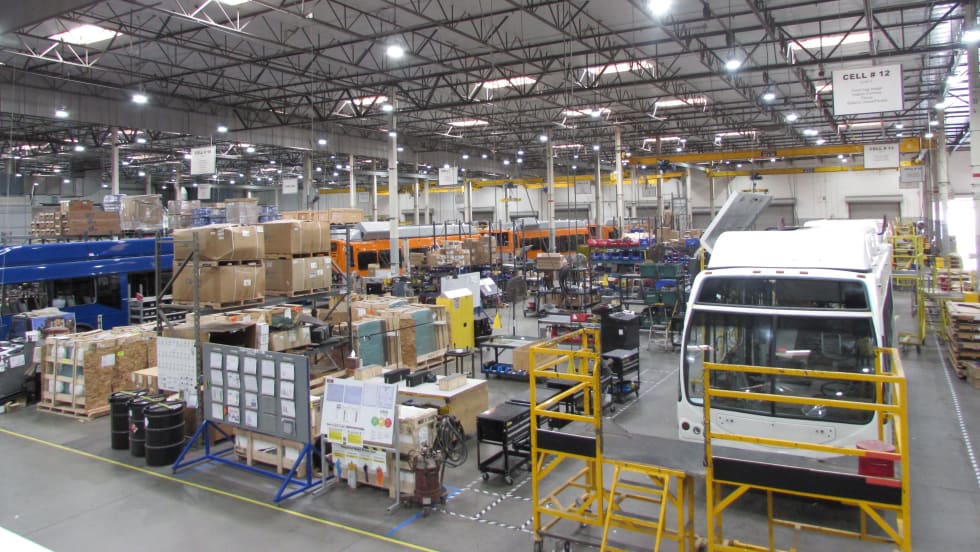
LA Metro Board Awards 220 Battery-Electric Bus Contract to ENC
The contract, which is the largest base award of battery-electric buses by a U.S. transit agency, will be built in Southern California, sustaining good jobs as LA prepares to welcome the world in 2028
Read More →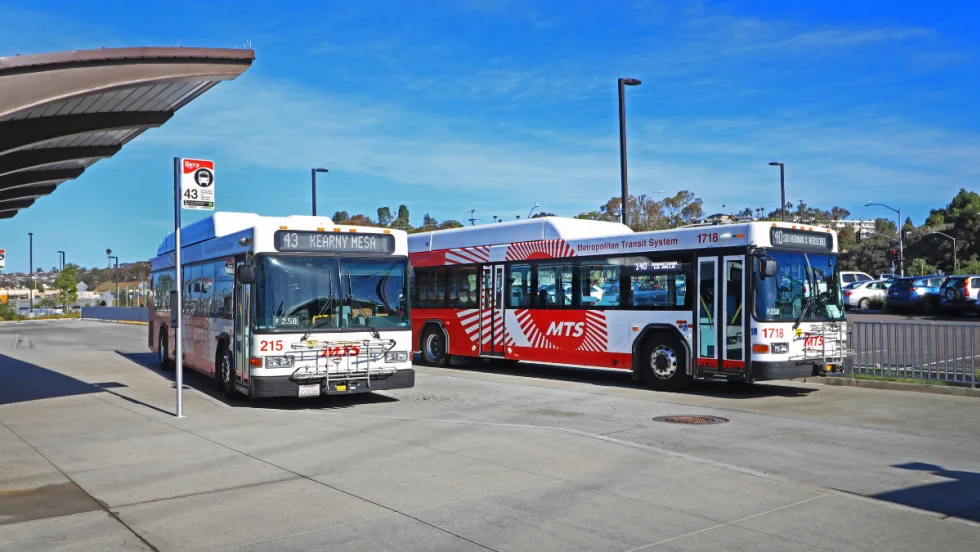
What’s Behind San Diego MTS’s Award-Winning Transit Strategy
Named one of APTA’s 2026 Outstanding Public Transportation Systems with 50 million or more annual passenger trips, California’s San Diego Metropolitan Transit System points to gains in ridership, safety, technology, and reliability as foundations of its success.
Read More →
Public Transit Conference Returning to GFX in 2027, Call for Papers Now Open
The Call for Papers is now open, allowing transit agency professionals and industry experts to help shape the PTC educational program by submitting session ideas for consideration.
Read More →
Indian River Transit’s Community-Focused Approach Earns National Recognition
Named APTA’s 2026 Outstanding Public Transportation System in its size category, Florida’s Indian River County transit system continues to grow ridership through fare-free service and a focus on evolving community needs.
Read More →
ENC Lands MATA Contract and More in Biz Briefs
In this edition of Biz Briefs, we spotlight the latest developments shaping the future of mobility.
Read More →
From Surviving to Thriving: Building Stronger Transportation Organizations
Bus Business Consultants founder Brian Dickson shares lessons on leadership, organizational health, and creating options for long-term success in a changing transportation industry.
Read More →
Everett Transit, Community Transit Outline Consolidation Agreement
The proposed agreement calls for a 50% increase in bus service in Everett, a new microtransit zone, continued paratransit service, and the transfer of Everett Transit operations to Community Transit.
Read More →
Strada360’s Steve Lassey on Turning Transit Data Into Better Decisions
From breaking down data silos to preparing for AI, Strada360 CEO Steve Lassey discusses how transit agencies can use technology to improve operations, customer information, and long-term decision-making.
Read More →