



Calif. Agencies Raise Drought Awareness, Employ Water-Saving Measures
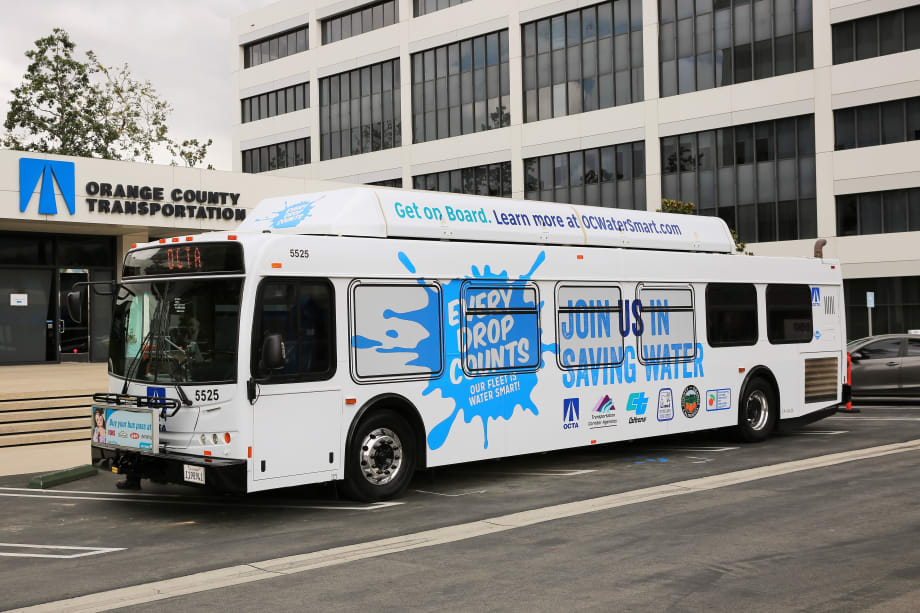
OCTA launched the “Every Drop Counts, Join Us in Saving Water” campaign and trans-formed two of its buses into moving water-conservation billboards.
OCTA

OCTA
The Orange County Transportation Authority (OCTA) recently partnered with city, water and state agencies to launch a water conservation campaign to promote awareness of the drought that has been plaguing California for the past four years.
Earlier this year in April, Gov. Jerry Brown ordered California’s first-ever mandatory water restriction. Per the restriction, cities and towns would have to cut water usage by 25%, according to the Los Angeles Times.
The restriction is unprecedented in the state, but it is also needed. The year prior, Gov. Brown asked for a 20% reduction in water use and most cities failed to meet that number, according to the Los Angeles Times. Since the drought began, temperatures in the state have reached record-breaking highs and reservoir levels have dropped to all-time lows.
In an effort to do its part, OCTA launched the “Every Drop Counts, Join Us in Saving Water” campaign and transformed two of its buses into moving water-conservation billboards. The buses are wrapped in white vinyl with blue water drops prominently displaying “Every Drop Counts” and “Join Us in Saving Water” in large, bold letters.
“One of the key things for us on this particular campaign was to raise awareness, if you live in the Central Valley or in the Bay Delta area, you’re probably more acutely aware of the drought than most of Southern California has been, and one of the things we wanted to do is continue to raise awareness that this is not going away, that it’s important,” said Darrell Johnson, OCTA CEO.
Along with its water-conservation campaign, the transportation agency has also made water usage cuts throughout its fleet and offices, which has resulted in a 20% reduction in water usage. At its offices, OCTA has installed drought-tolerant landscaping, as well as low-flow appliances.
While these recent measures have made OCTA’s offices more sustainable, its biggest reduction in water usage comes from washing their buses less often.
OCTA has gone from washing its 556 fixed-route and 248 ACCESS buses every day to washing them two times a week, using an improved reclaimed water system that saves about 30 gallons per bus. This 20% reduction accounts for about seven million gallons worth of water, or about 10 Olympic-sized pools.
However, water conservation is a state-wide issue and OCTA isn’t the only transportation agency trying to be as efficient with California’s limited supply of water.
From 2010 to 2014, Caltrans (the California Department of Transportation) reduced its statewide water usage by 32%, said Jason Probst, Caltrans spokesman, much of which is owed to the installation of 1,250 new smart irrigation controllers.
The controllers automatically adjust water patterns with the weather conditions and soil moisture. In the event of a break in the system, the controllers will shut off and send an alert to managers, guaranteeing minimal water waste.
The controllers have been installed on 64% of Caltrans’ irrigation system and are part of a $47 million investment to upgrade statewide irrigation systems, with an additional $28 million in emergency funding coming to install more controllers statewide, Probst said.
Compared to 1992, Caltrans now uses 50% less water used to irrigate to water about 33% more landscaping. This reduction in water is significant considering that 75% of the water Caltrans uses goes to watering highway vegetation throughout California.
In terms of getting the word out to people about the drought and conserving water, Caltrans uses its 700 roadside message signs, social media, advertising and its website to send reminders to people about what they should be doing during this drought.
And similar to OCTA, Caltrans has significantly cut the amount of times its state vehicles are washed. In a memo to all Caltrans employees, Director Malcom Dougherty urged employees to not wash their state vehicles unless it would otherwise present a potential health and safety issue to the driver.
More Technology
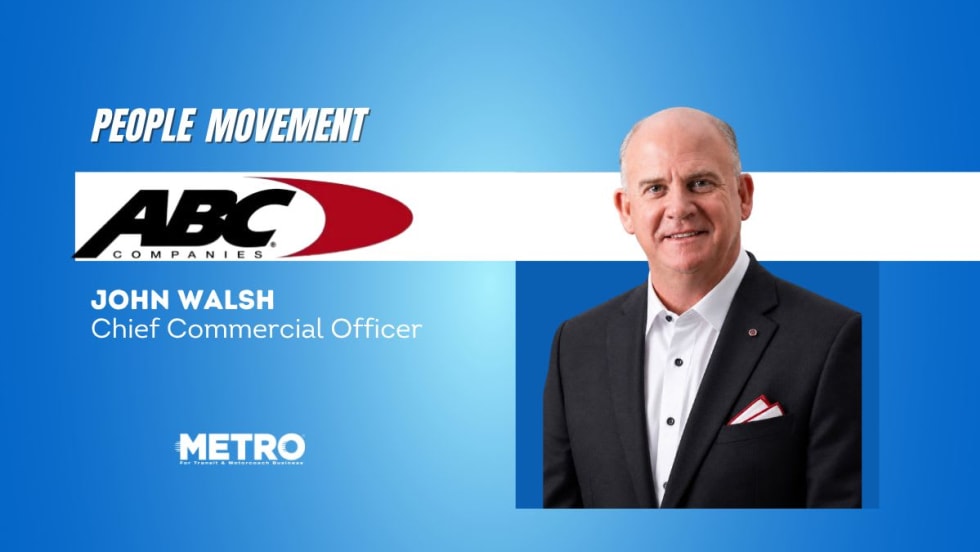
People Movement: ABC Names John Walsh as Chief Commercial Officer
In this edition, METRO also covers recent appointments and announcements at the DART, STV, and more, showcasing the individuals helping to shape the future of transportation.
Read More →
King County Metro Makes ADA Paratransit Easier to Navigate
METRO's Innovative Solutions Award winner replaces complex service-area descriptions with an accessible, interactive map that puts paratransit information directly in customers’ hands.
Read More →
TransDASH Summit Focuses on Measuring What Matters in Transit
Transit agencies unveil a national performance platform designed to benchmark customer experience, safety, community value, and other outcomes.
Read More →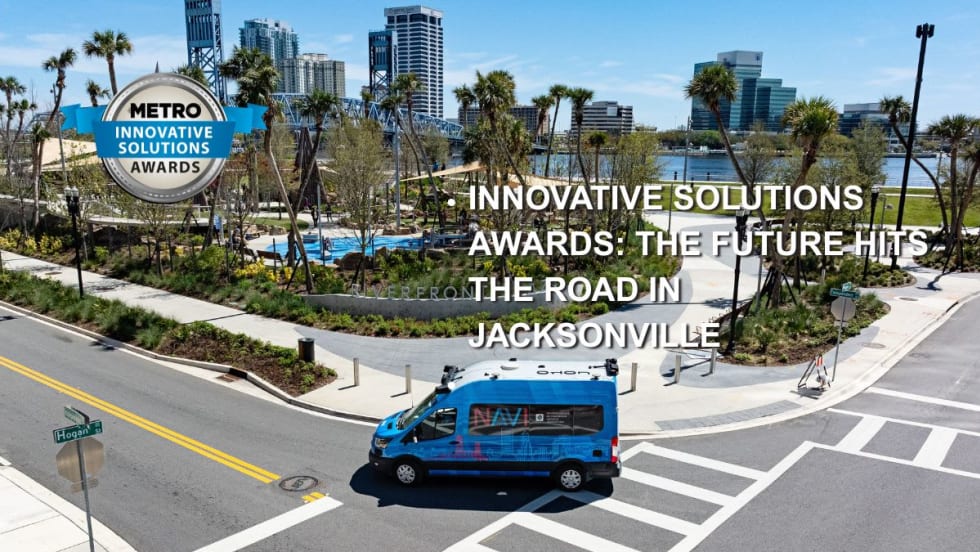
Jacksonville’s NAVI Project Charts a New Course for Autonomous Public Transportation
Through its NAVI program, JTA is showing how autonomous vehicles, intelligent infrastructure, and coordinated operations can work together to deliver everyday public transportation.
Read More →
Biz Briefs: Luminator Marks Milestone and More
From manufacturers and suppliers to transit agencies and motorcoach operators, these updates offer a snapshot of the projects, partnerships and business moves driving the industry forward.
Read More →
FRA Announces $5.3B in Rail Investments, Including $2B for Amtrak
Funding will support grade-crossing improvements, infrastructure upgrades, and new Amtrak equipment in 23 states.
Read More →
Finding the ‘Happy Medium’: Optimizing Maintenance Without Sacrificing Reliability
The key to maintenance optimization isn’t doing less work—it’s doing the right work at the right time on the right assets.
Read More →
LA Metro, City of West Hollywood, and Partners Advance Smarter Bus Lane Enforcement
The award-winning partnership combines AI-powered detection with human oversight to improve bus reliability, accessibility, and enforcement efficiency.
Read More →
PSTA Modernizes Workforce Management with Digital Bidding System
The award-winning Workforce Transit Modernization project replaced paper bidding with a transparent digital platform, cutting administrative effort while improving access for operators.
Read More →
New Tricks for Old Bureaucracies: Joshua Schank on Making Transit Innovation Stick
Former LA Metro Chief Innovation Officer Joshua Schank discusses why good ideas aren't enough, how transit agencies can overcome resistance to change, and why today's challenges demand more innovation.
Read More →