



Camp teaches railroad safety to teens
Along with on-site learning, campers play trivia games, watch videos and attend morning classes to learn about rail safety and the intricacies of railroading.

West Virginia Operation Lifesaver hosted a five-day camp for kids who were interested in learning more about railroads and how they work. John Perry, state coordinator for West Virginia Operation Lifesaver, said the camp is a good way to teach children about railroads and dispel some common myths about railroad functions. “We take [the kids] out to the railroad and actually let them drive a locomotive,” Perry said. The state-owned South Branch Valley Railroad donates a locomotive to the yearly camp. “This is a favorite activity at the camp, and lets the kids see for themselves that a locomotive going even 10 mph can’t stop on a dime,” he said. Perry said the intense, yet fun, environment promotes greater learning of railroad safety. Campers take two safety tests before and after camp. “This year, on the pre-test, our median score was 61%,” he said. “The post-test was 92%. We feel like we were able to teach the kids some things that helped them.” Along with on-site learning, campers play trivia games, watch videos and attend morning classes to learn about rail safety and the intricacies of railroading. Kids enjoy regular camp activities but spend three days of the camp actually learning on the railroad. Perry adds that the kids also enjoy racing the antique handcar, which the Historical Society in Huntington, W.Va., donates to the camp for the week. “We race them against a stopwatch and radar gun to see their top speed,” he said. “This year’s top speed was around 15.7 mph.” Twenty children between the ages of 12 and 17 attended this year’s camp. The camp is free for the children, who are selected by recommendations made to Operation Lifesaver board members or workers in the rail and safety industry. Perry said donations from corporate sponsors have ensured the camp remains free but, as interest increases, securing funds becomes tougher. Operation Lifesaver is a nonprofit organization dedicated to promoting safety at railroad crossings and awareness of their potential dangers. “As the camp grows we need more and more money to keep it operating, and this year we seem to have generated a lot of publicity,” he said. Perry said that he is receiving inquiries from such states as Maine and Oregon since not every state offers the summer camp. According to Perry, West Virginia Operation Lifesaver may have to raise the number of campers each year to around 40, and conduct two camps each summer. “The way our timeline had it planned was by 2005 to break it up into two camps, but we may have to do it in 2004,” he said. To learn more about the camp or become involved, please visit the West Virginia Operation Lifesaver Website at www.wvol.org.
More Rail
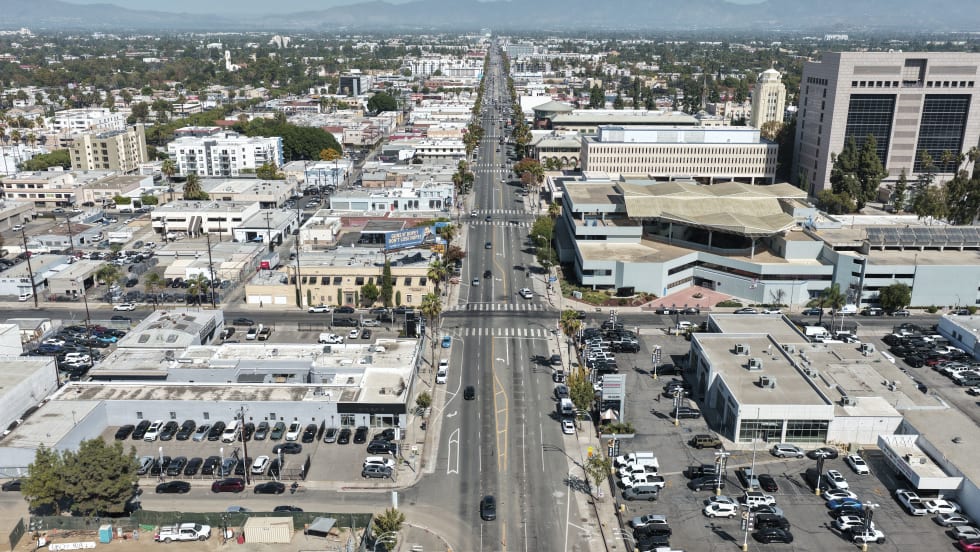
LA Metro Breaks Ground on East San Fernando Valley Light Rail Project
The 6.7-mile line will add 11 stations along Van Nuys Boulevard, expand access to jobs and regional transit connections, and support Metro’s broader efforts to improve mobility as rail ridership grows.
Read More →
CSA Group Releases Climate Resilience Standard for Transit, Passenger Rail
Developed with support from the Standards Council of Canada, CSA D700 guides assessing climate-related risks and planning adaptation measures for transit and passenger rail systems.
Read More →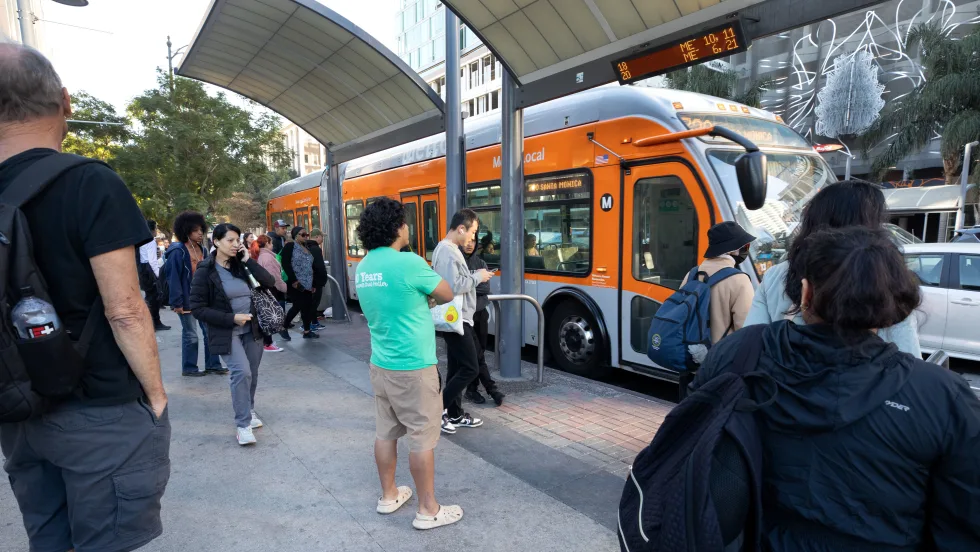
LA Metro September Ridership Climbs 3.9%, Led by Rail Growth
The agency recorded more than 27.2 million boardings, with rail ridership increasing 12.4% year over year and the D Line posting the largest gains.
Read More →
First Full MetroLink Rail Expansion Completed in 20 Years with $192M Airport Project
The project links two St. Louis-area airports by light rail while adding roadway and bike trail connections to improve regional access and mobility.
Read More →
Utilimarc Launches SmartReplace to Optimize Fleet Replacement Decisions
AI-powered SmartReplace helps fleets prioritize vehicle replacements, model budget scenarios, and build more defensible long-term strategies.
Read More →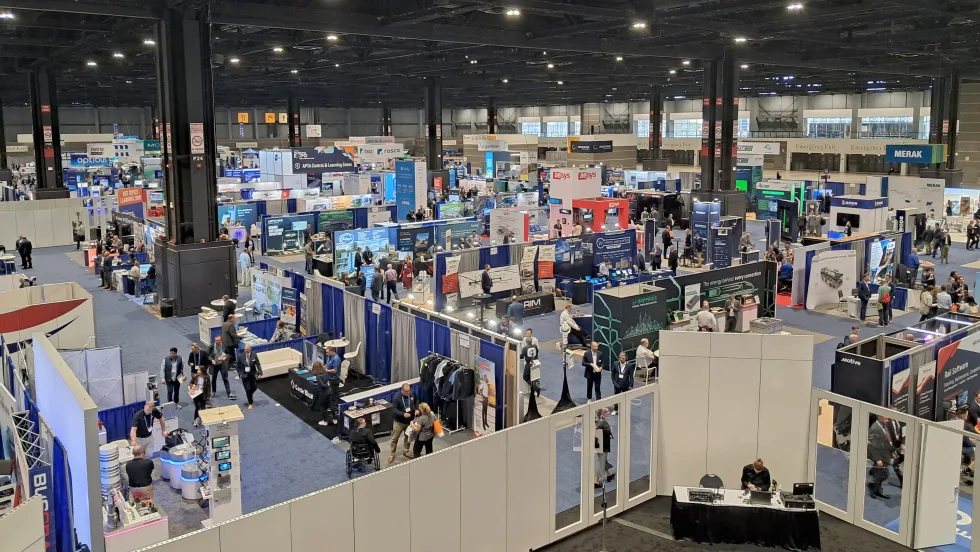
Scenes from APTA TRANSform & EXPO 2026
Transit leaders, manufacturers, and industry professionals gathered in Chicago to explore new technologies, share ideas, and discuss the future of public transportation.
Read More →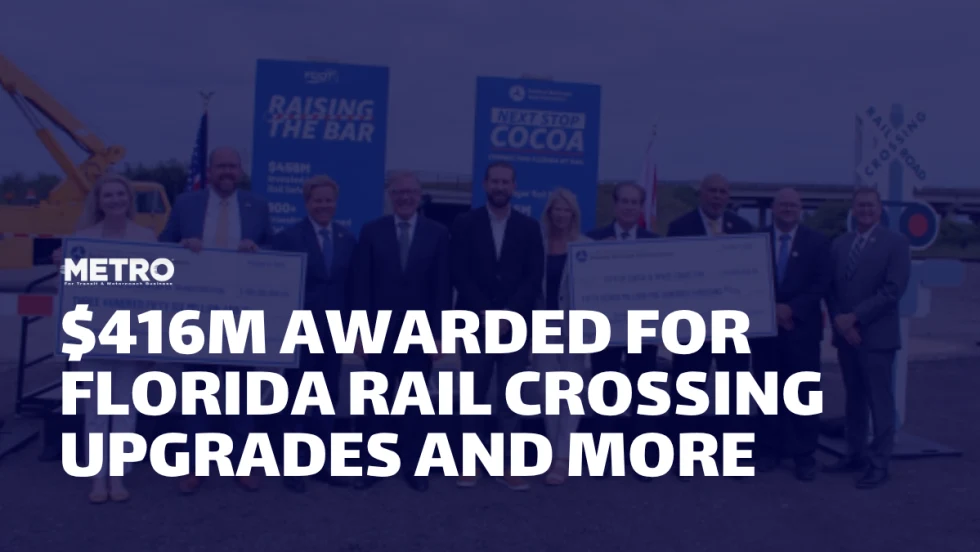
USDOT Awards $416 Million for Florida Rail Crossing Safety Upgrades, New Brightline Station
The projects aim to reduce risks for motorists and pedestrians at rail crossings while expanding passenger rail access along Florida’s Space Coast.
Read More →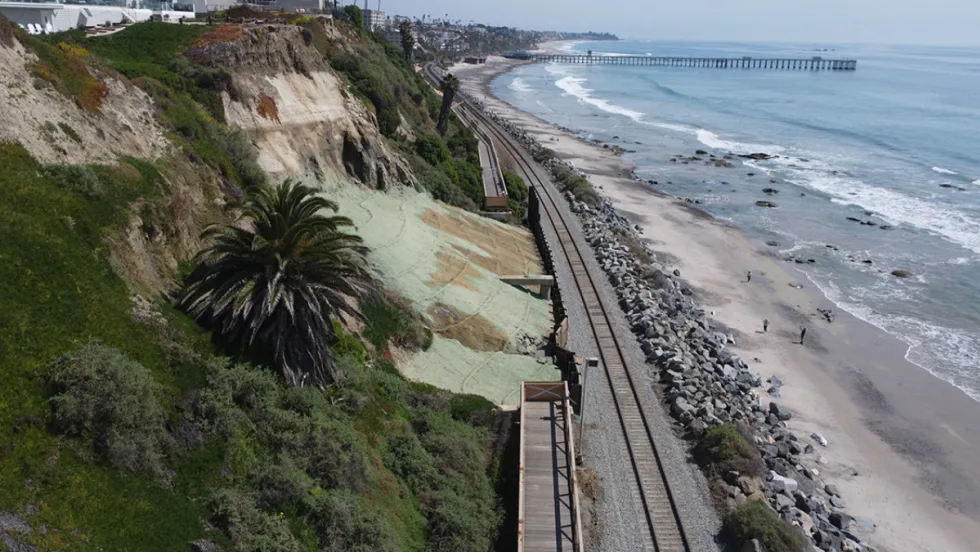
OCTA Declares Emergency to Protect Rail Corridor From Coastal Erosion
The California agency is accelerating shoreline protection and plans to place approximately 690,000 cubic yards of sand along the San Clemente coast to protect a key passenger and freight rail link.
Read More →
More Than a Summer Job: Building the Next Generation of Transit Talent
The Delaware River Port Authority and PATCO have transformed their internship program into a hands-on professional development experience that introduces students to the breadth of transportation careers — and creates a pipeline for future employees.
Read More →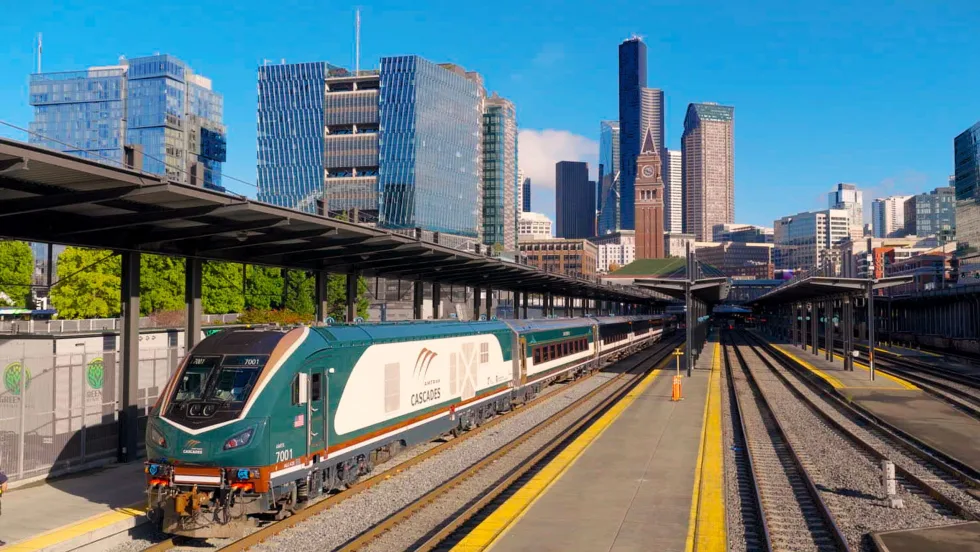
Airo Trains Make Their Amtrak Cascades Debut in the Pacific Northwest
Effective immediately, two cutting-edge Airo trainsets will join the Amtrak Cascades route, operating four daily trips between Vancouver, B.C., Seattle, Portland, and Eugene, Oregon, marking the first introduction of Airo trains into passenger service anywhere in the country.
Read More →