



Siemens Opens North Carolina Railcar Manufacturing Facility
Site construction is complete, production is underway, and the first locally built passenger coaches are on track for delivery in Summer 2026.

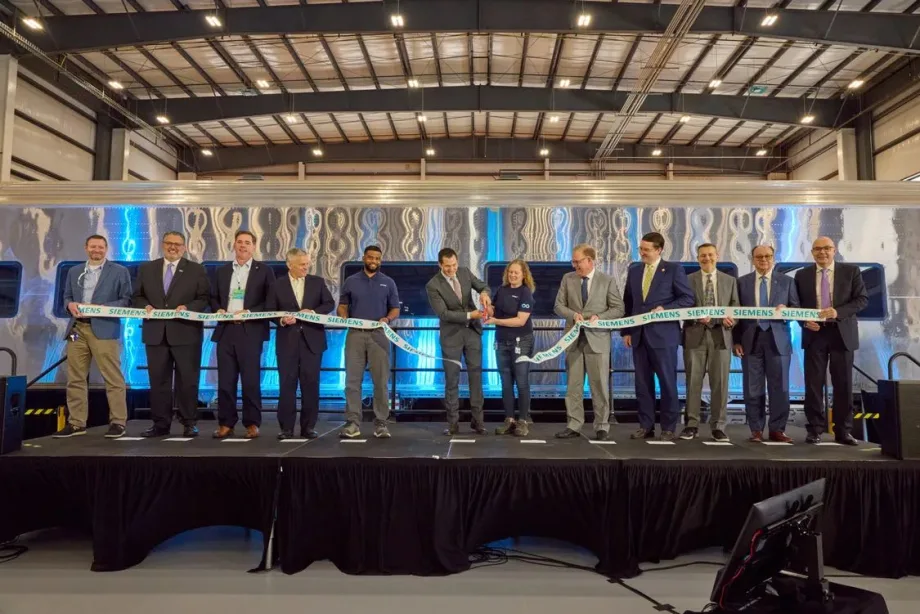
The $220 million facility is Siemens Mobility’s newest manufacturing location in the US and will play a critical role in meeting growing demand for passenger rail across the country.
Siemens Mobility
- Siemens has completed construction of its new railcar manufacturing facility in North Carolina.
- Production has begun at the facility, focusing on passenger coaches.
- The first set of locally manufactured passenger coaches is expected to be delivered in Summer 2026.
*Summarized by AI
Government officials and rail industry leaders gathered at Siemens Mobility’s manufacturing and rail services center in Lexington, North Carolina, to mark a key milestone in American rail manufacturing.
Site construction is complete, production is underway, and the first locally built passenger coaches are on track for delivery in Summer 2026.
Siemens Mobility’s New Manufacturing Location
The $220 million facility is Siemens Mobility’s newest manufacturing location in the US and will play a critical role in meeting growing demand for passenger rail across the country. First announced in March 2023, the greenfield Lexington site now spans 10 buildings across 200 acres.
With more than 375 employees already hired, the site is on track to meet its commitment to create 500 new jobs by 2028, strengthening North Carolina’s economy and helping transform rail across the country, Siemens officials said. It is dedicated to manufacturing Siemens Venture passenger coaches and serving as the company’s East Coast rail services hub, supporting maintenance and overhaul work for bogies, locomotives, and coaches, with the potential to support light rail vehicles in the future.
Once fully operational, the state-of-the-art facility will be the first in North America to offer both coach and locomotive overhauls and leverage advanced digital technologies, including artificial intelligence, robotics, real‑time analytics, and augmented reality, to streamline operations, enhance decision‑making, and set a new global benchmark for automated manufacturing.
Ringing in the next generation of American rail, the site was strategically designed with a dedicated rail bridge connecting directly to the mainline, enabling finished trains to be shipped efficiently to customers across the East Coast and beyond, Siemens said.
“Our $220 million investment in Lexington reflects our long-term commitment to American manufacturing and to the communities that help power our industry,” said Tobias Bauer, CEO of Siemens Mobility North America. “By creating more than 500 skilled jobs and expanding our U.S. production and service footprint, we are bringing advanced rail manufacturing closer to our East Coast customers while strengthening support for partners across the country. With a truly end-to-end rail portfolio built in America, we are well-positioned to help shape the next chapter of American rail.”
Keys to the Location
Located in Davidson County in the heart of the Piedmont Triad, Lexington offers access to a strong workforce and key transportation networks.
Supported in part by a Job Development Investment Grant from the State of North Carolina — projected to add $1.6 billion to the state’s economy over 12 years — the Lexington facility builds on Siemens’ broader commitment to American industry.
Across all businesses, Siemens employs approximately 45,000 people in the US, works with 12,000 suppliers, and operates 24 manufacturing facilities nationwide, having invested $700 million in U.S. manufacturing and more than $20 billion in its technology stack since 2007 to support the next era of digital and data‑driven transformation.
Quick Answers
Siemens has opened a railcar manufacturing facility in North Carolina.
*Summarized by AI
More Rail

ENC Lands MATA Contract and More in Biz Briefs
In this edition of Biz Briefs, we spotlight the latest developments shaping the future of mobility.
Read More →
Strada360’s Steve Lassey on Turning Transit Data Into Better Decisions
From breaking down data silos to preparing for AI, Strada360 CEO Steve Lassey discusses how transit agencies can use technology to improve operations, customer information, and long-term decision-making.
Read More →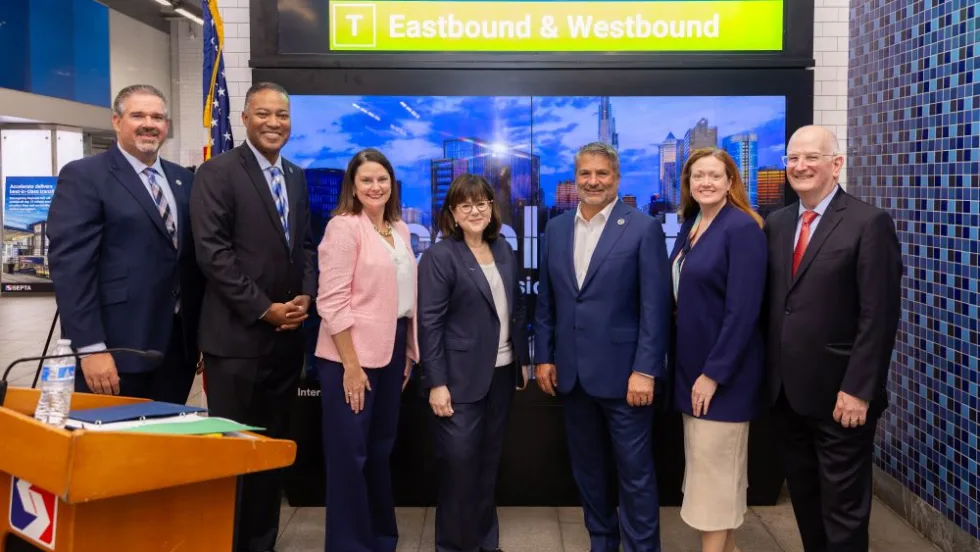
SEPTA Details Accelerate Vision for Transit System
The plan outlines investments in trolley modernization, new Metro and Regional Rail vehicles, accessible stations, and more frequent bus and rail service.
Read More →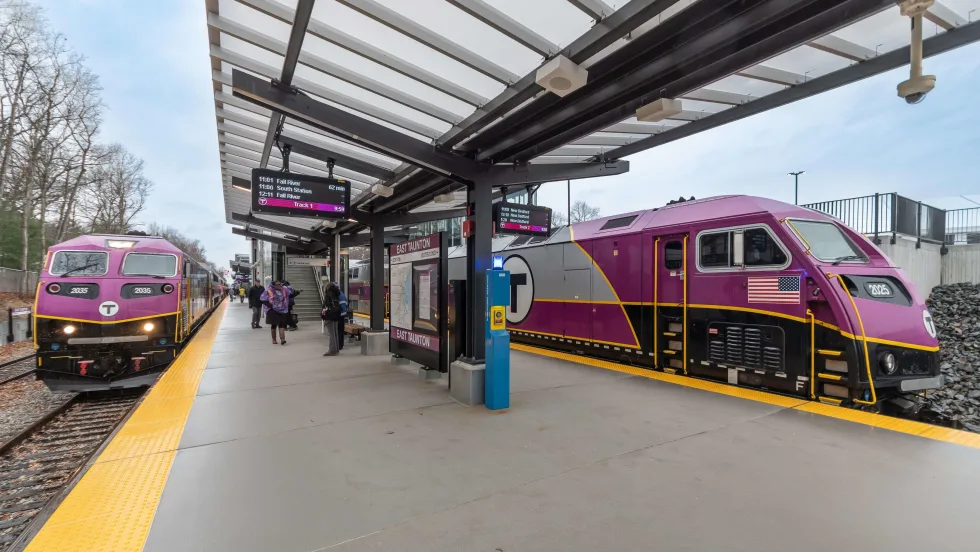
FTA Ends Direct Oversight of MBTA Safety Actions
The federal agency closed its remaining special directive to the Massachusetts Department of Public Utilities following a safety review that began in 2022.
Read More →
Amtrak, CN Reach Agreements to Strengthen Passenger Rail Service, Safety
The agreement resolves a more than decade-long proceeding before the Surface Transportation Board concerning the terms and conditions for Amtrak services, such as the City of New Orleans, Illini/Saluki, and Wolverine.
Read More →
New York MTA Advances Final Contract for Second Avenue Subway Expansion
Contract Four is the largest in the Second Avenue Subway Phase 2 project and includes construction of station infrastructure, tracks, and signals for the subway expansion, MTA officials said. Work on Contract Four will begin in 2027.
Read More →
San Diego MTS Breaks Monthly Trolley Ridership Record
Agency officials said July’s ridership indicates MTS’s continued recovery from the pandemic.
Read More →
Report Examines NJ TRANSIT Reliability, Funding Challenges
The Garden State Initiative analysis examines the roles of Amtrak infrastructure, fleet management, and agency operations while recommending a more performance-based approach to improving reliability.
Read More →
Stadler, CapMetro Sign Long-Term Rail Fleet Support Agreement
Beginning in 2027, Stadler will provide on-site technical expertise, spare parts support, training, and obsolescence management to help extend the reliability and longevity of CapMetro’s GTW fleet.
Read More →
Biz Briefs: Alstom Lands Canadian Contract, LYT to Supply California TSP, and More
In METRO's latest installment, we take a look at recent news from Complete Coach Works, Beep, FlixBus, and more partnerships making headlines across the transportation sector.
Read More →