



MBTA Completes Key Red Line Signal Upgrade Weeks Early
Crews completed a significant portion of the testing required before commissioning the new, digital signaling system, which will bring important upgrades that strengthen Red Line service reliability for riders and provide Red Line Operations the ability to route trains more quickly, turn trains around faster, and recover from unplanned disruptions more efficiently, said MBTA officials.

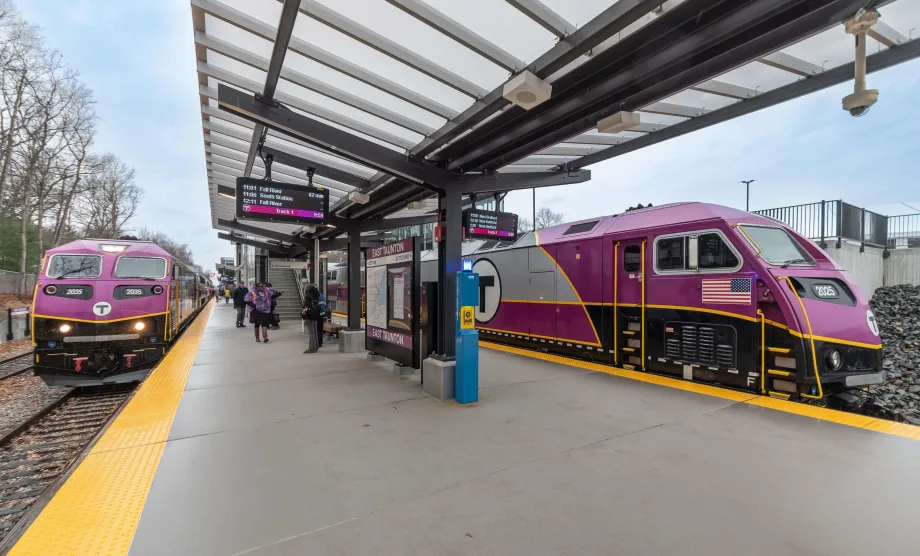
MBTA officials said the signal system in this area was significantly damaged following the major 2019 Red Line derailment. Initial repairs restored service at that time, but signal and switch operations were limited.
MBTA
- MBTA completed a significant portion of testing for a new digital signaling system on the Red Line weeks ahead of schedule.
- The upgrade is designed to improve service reliability and allow Red Line Operations to route and turn around trains more efficiently.
- The new system will enhance the Red Line's ability to recover from unplanned disruptions.
*Summarized by AI
Boston’s MBTA today announced that pre-testing for the critical signal modernization work on the Red Line at Columbia Junction near JFK/UMass station, which required temporary service changes, has been completed more than two weeks ahead of schedule, with regular Red Line service now resuming, effective immediately.
Crews completed a significant portion of the testing required before commissioning the new, digital signaling system, which will bring important upgrades that strengthen Red Line service reliability for riders and provide Red Line Operations the ability to route trains more quickly, turn trains around faster, and recover from unplanned disruptions more efficiently, said MBTA officials.
MBTA’s Signal Modernization
Columbia Junction is the complex area of track just north of JFK/UMass that merges the Ashmont and Braintree branches and connects the Red Line’s main passenger track to the Cabot Yard Maintenance Facility, where the majority of the Red Line fleet is stored and maintained.
MBTA officials said the signal system in this area was significantly damaged following the major 2019 Red Line derailment. Initial repairs restored service at that time, but signal and switch operations were limited.
The work, now completed, along with some final work later this spring, which could have been completed in 2019, fully corrects these issues, restoring full system functionality. Operations will be able to reroute trains as needed quickly, turn trains around more quickly, and recover more quickly after unplanned service changes, ultimately providing a better transit experience for riders, the agency said.
The work also follows through on the MBTA’s commitment to complete major signal upgrades on the Orange and Red lines before the World Cup matches this summer.
Wrapping the Project
Testing of the new system began in mid-February, and a significant portion of testing has been completed following Red Line service changes at JFK/UMass over the last several weeks.
Crews have tested over 100 track circuits in the Columbia Junction area, and the remaining testing will be completed during overnight hours when service does not operate or affect Red Line riders.
Final testing and commissioning of the new signal system will take place over a series of longer weekend service suspensions in May.
Quick Answers
The new digital signaling system strengthens Red Line service reliability and allows for quicker routing of trains, faster turnaround, and more efficient recovery from disruptions.
*Summarized by AI
More Rail

ENC Lands MATA Contract and More in Biz Briefs
In this edition of Biz Briefs, we spotlight the latest developments shaping the future of mobility.
Read More →
Strada360’s Steve Lassey on Turning Transit Data Into Better Decisions
From breaking down data silos to preparing for AI, Strada360 CEO Steve Lassey discusses how transit agencies can use technology to improve operations, customer information, and long-term decision-making.
Read More →
SEPTA Details Accelerate Vision for Transit System
The plan outlines investments in trolley modernization, new Metro and Regional Rail vehicles, accessible stations, and more frequent bus and rail service.
Read More →
FTA Ends Direct Oversight of MBTA Safety Actions
The federal agency closed its remaining special directive to the Massachusetts Department of Public Utilities following a safety review that began in 2022.
Read More →
Amtrak, CN Reach Agreements to Strengthen Passenger Rail Service, Safety
The agreement resolves a more than decade-long proceeding before the Surface Transportation Board concerning the terms and conditions for Amtrak services, such as the City of New Orleans, Illini/Saluki, and Wolverine.
Read More →
New York MTA Advances Final Contract for Second Avenue Subway Expansion
Contract Four is the largest in the Second Avenue Subway Phase 2 project and includes construction of station infrastructure, tracks, and signals for the subway expansion, MTA officials said. Work on Contract Four will begin in 2027.
Read More →
San Diego MTS Breaks Monthly Trolley Ridership Record
Agency officials said July’s ridership indicates MTS’s continued recovery from the pandemic.
Read More →
Report Examines NJ TRANSIT Reliability, Funding Challenges
The Garden State Initiative analysis examines the roles of Amtrak infrastructure, fleet management, and agency operations while recommending a more performance-based approach to improving reliability.
Read More →
Stadler, CapMetro Sign Long-Term Rail Fleet Support Agreement
Beginning in 2027, Stadler will provide on-site technical expertise, spare parts support, training, and obsolescence management to help extend the reliability and longevity of CapMetro’s GTW fleet.
Read More →
Biz Briefs: Alstom Lands Canadian Contract, LYT to Supply California TSP, and More
In METRO's latest installment, we take a look at recent news from Complete Coach Works, Beep, FlixBus, and more partnerships making headlines across the transportation sector.
Read More →