



Coach USA Reclaims No. 1 Spot in Top 50 Fleet Survey
After five years, Coach USA once again claims the top spot in METRO’s 16th Annual Survey, where 40-foot buses remain the dominant presence in fleet composition.
There have been some significant changes in our annual Top 50 motorcoach survey. For the first time in five years, Coach USA has reclaimed the No. 1 position, with a fleet total of 3,685 buses. That’s 910 more buses than No. 2, Greyhound Lines Inc., which has a total of 2,775. Coach USA’s ascent into the top spot isn’t due to growth — it actually saw a loss of 1,291 buses in the past year — but rather a change in our survey methodology. This year we decided not to include Laidlaw Transit Services’ fleet of non-motorcoach buses in the survey. Because Laidlaw Transit Services and Greyhound’s fleet previously had been jointly counted, the loss of Laidlaw’s buses dropped Greyhound’s fleet size from 6,049 to 2,775 buses. Combined, Coach USA and Greyhound fleets still comprise 46% of the 14,007 buses calculated in the survey. The number of total buses decreased 26% from last year’s Top 50 total of 19,047 (much of that decline was due to the removal of Laidlaw Transit’s fleet). A gap of just over 1,900 buses separates the third-place position held by VecTour Inc., with a fleet total of 870, from Greyhound. As fleet totals dropped dramatically at the top of our list, the smaller operators in the lower half remained consistent in fleet size. The smallest fleet in the rankings is International Stage Lines, in Richmond, B.C., with 42 buses, an increase of three vehicles from the previous fleet to hold that position. More decreases are evident in the average fleet size of 280 from 380, a 26% slide from 2001. Although numbers in fleet composition shifted, the 40-foot bus remains the dominant piece of the average fleet pie with a 64% share. The presence of 40-footers increased by 7% for 2002. The runner-up is the over-40-foot bus, comprising 26% of the average fleet. This 10% jump in the over-40-feet category reduces the under-40-foot bus percentage to a paltry 9%, compared to last year’s 28%. Rounding out our fleet pie are doubledecker buses, steady at 1% but with 13 more buses than last year, at 96. The number of ADA-compliant buses decreased 68% from 2001, with 1,665 counted. Vans showed an 18% growth of 777 more vehicles than last year. According to survey data, 95% of operators are satisfied with the quality of buses purchased in 2001, but the trend of keeping new bus purchases at a minimum continues for 2002. In addition to our standard survey, we asked several new questions this year, including a question on the driver shortage, in which 60% believed the problem was moderate, and 1% that no shortage existed. The average hourly wage for drivers in our survey is $11.84. We have welcomed some new names into the Top 50 this year, including No. 37 Atlantic Express Coachways (Staten Island, N.Y.), No. 41 Anderson Coach & Travel (Greenville, Pa.) and No. 44 Annett Bus Lines (Sebring, Fla.). Pulling through For many motorcoach companies, the winter months are traditionally slow, but with the tragic events of Sept. 11, cancellations appeared in droves, forcing some operators to cut costs to sustain profitability, while others searched for ways to keep the company afloat. In a time when government aid has played a crucial role in the survival of the airlines, the American Bus Association has urged support for a bill that would provide $400 million for motorcoach operators to fund security upgrades. This year’s survey gave us a glimpse of the effects Sept. 11 had on motorcoach companies and what operators are doing to pull through the economic aftermath. Steven Haddad of Carl R. Bieber Tourways (Kutztown, Pa.), says “fear among travelers” has had the biggest negative impact on business. “A lot of schools have stopped field trips to Washington, D.C., and Williamsburg, Va.,” says Robbie Quick of Quick-Livick Inc. (Staunton, Va.). Some operators, such as Tatsuyuki Kobayashi with Polynesian Hospitality (Honolulu), reported business losses of up to 50%. From September to November, Gary Pard says DeCamp Bus Lines (Montclair, N.J.) suffered a revenue shortfall of approximately $250,000 compared to the same period last year. According to Kim Hansen, New Jersey-based Academy Bus Tours Inc., one of our top five largest operators, had to lay off some employees to cope with the economic strain. Some positive effects were seen, including increased commuter service ridership for Atlantic Express Coachways (Staten Island, N.Y.) and Lakeland Bus Lines Inc. (Dover, N.J.). Although ridership at Trans-Bridge Lines (Bethlehem, Pa.) was drastically reduced, Joseph Lodics says a positive outcome has been workers pulling together. Customer valuation has also increased. “It makes us appreciate each and every customer more than we may have in the past,” says Dennis Copyak of Jackson Rock Spring Stages Inc. (Salt Lake City). Copyak says the company is fortunate to be a transportation provider for the Winter Olympics as well as for other Olympic-related functions, which has kept it busy. Many companies implemented new marketing tactics to combat the economic downturn. Eyre Bus Service Inc. (Glenelg, Md.) started distributing a list of security procedures, which includes various police training tactics taught to operators, as part of its marketing package. Operations Manager Steve Parker says customers feel safer knowing that Eyre staff have undergone security training. Indian Trails Inc. (Owosso, Mich.), which experienced a 30% decline in bookings, has undertaken a direct mail campaign to 6,000 businesses to promote the benefits of motorcoach over air travel. To see the complete Top 50, click here. Feeling left out? If you feel you belong in the 2003 edition of METRO’s Top 50, please let us know by calling (310) 533-2400 or by e-mailing us at info@metro-magazine.com.
More Management

Bus Tech Talk: Keeping Transit Technicians Ahead of the Technology Curve
In this episode of Bus Tech Talk, Complete Coach Works’ Business Development Manager Mark Hollenbeck and METRO’s Executive Editor Alex Roman sit down with Obed Mejia, Senior Technical Trainer for Bus Maintenance, at LA Metro to discuss how rapidly evolving bus technology is changing the maintenance shop — and the skills technicians need to keep pace.
Read More →
Michael Schneider Joins Paslay Group to Expand Transportation Practice
The longtime transportation executive will help Paslay Group grow its advisory and program management work across transit, highway, and other infrastructure sectors.
Read More →
People Movement: Connectpoint Expands Leadership Team, Stadler Names New Group CEO, and More
In this edition, we also spotlight recent personnel moves at Burns, UZURV, and more, highlighting the people taking on new roles across the transportation industry.
Read More →
More Than a Summer Job: Building the Next Generation of Transit Talent
The Delaware River Port Authority and PATCO have transformed their internship program into a hands-on professional development experience that introduces students to the breadth of transportation careers — and creates a pipeline for future employees.
Read More →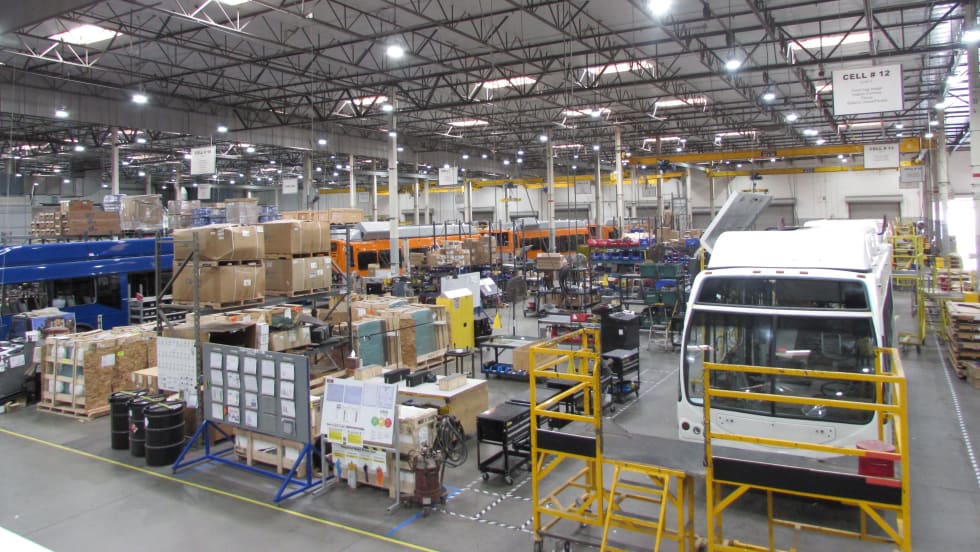
LA Metro Board Awards 220 Battery-Electric Bus Contract to ENC
The contract, which is the largest base award of battery-electric buses by a U.S. transit agency, will be built in Southern California, sustaining good jobs as LA prepares to welcome the world in 2028
Read More →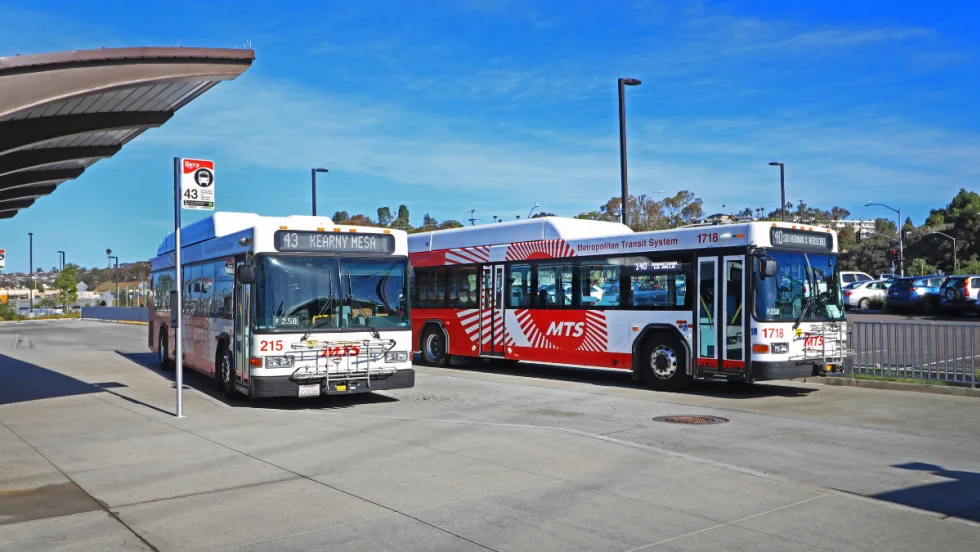
What’s Behind San Diego MTS’s Award-Winning Transit Strategy
Named one of APTA’s 2026 Outstanding Public Transportation Systems with 50 million or more annual passenger trips, California’s San Diego Metropolitan Transit System points to gains in ridership, safety, technology, and reliability as foundations of its success.
Read More →
Public Transit Conference Returning to GFX in 2027, Call for Papers Now Open
The Call for Papers is now open, allowing transit agency professionals and industry experts to help shape the PTC educational program by submitting session ideas for consideration.
Read More →
Indian River Transit’s Community-Focused Approach Earns National Recognition
Named APTA’s 2026 Outstanding Public Transportation System in its size category, Florida’s Indian River County transit system continues to grow ridership through fare-free service and a focus on evolving community needs.
Read More →
ENC Lands MATA Contract and More in Biz Briefs
In this edition of Biz Briefs, we spotlight the latest developments shaping the future of mobility.
Read More →From Surviving to Thriving: Building Stronger Transportation Organizations
Bus Business Consultants founder Brian Dickson shares lessons on leadership, organizational health, and creating options for long-term success in a changing transportation industry.
Read More →