



Dallas considers public, private funding for light rail projects
DART President Gary Thomas says that escalating construction costs will not delay any proposed projects. Public-private partnerships may be the right solution to ensure delays don't happen.

With construction costs threatening to delay light rail projects, Dallas Area Rapid Transit (DART) officials are considering various options to obtain additional funding. One consideration is to use a combination of public and private funding, a fundamentally new approach for building and operating future rail lines. On Jan. 22, when DART officials met with the board of directors to discuss funding options, the $900 million preliminary estimate, which was identified at the 10-percent design level, was determined to be too high. With the new estimate of $764 million, DART officials continue to identify cost savings for the projects.
Agency officials say they remain committed to running rail lines through Irving beginning in 2011 and reaching the Dallas/Fort Worth International Airport in 2013. Rail service to downtown Rowlett by 2012 is also proposed to remain on schedule. Additional project updates will be performed as planners and engineers complete 30-, 65- and 90-percent design levels in preparation for construction.
Previous reports indicated that DART may delay some of the projects; however, DART President Gary Thomas assures the public otherwise. “We are not proposing to delay any of the projects,” Thomas said. “We are presenting several funding strategies to the board for its review, questions and comments.”
The Irving/Rowlett review will not affect DART’s $1.7 billion, 28-mile Green line, which will begin service to Fair Park in September 2009. The Green line, remaining on schedule and on budget, will cover 12 stations from West Dallas to Frankford Station in Carrollton.
The transit agency has already identified $185 million in cost savings for the Orange and Blue line projects; the measures will not affect safety or reduce project quality. DART has also found $240 million in financial plan opportunities, which includes the ability to issue future debt at a new, lower rate, according to a report written by Lynn Flint Shaw, DART chairman of the board.
For the remainder of the funding, Thomas says the transit agency has different choices to decide on, but all options would keep the 20-year financial plan projects on schedule. “We’re looking at funding opportunities such as revenue bonds and also considering public-private partnerships,” said Thomas. “Our goal is to have the construction team onboard for this project by the end of the year.”
Thomas explains that the first piece of a public-private partnership would most likely include private participation in the design, building and maintenance of the lines, but would not have a large financing component for current projects. Though this is a viable option, in order to remain on time with the Blue and Orange lines, private financing will be considered more for future projects rather than for the rail lines planned through 2018.
The board indicates that there is already interest from private groups to partner with the agency to address transit needs. DART officials have talked with peer transit agencies that have used public-private partnerships, such as those in San Francisco, Denver, Houston and New Jersey, in order to get feedback and develop “best-in-class” practices.
“The next step is to bring a consultant on board to look at the entire financial plan to determine what opportunities might exist for us in the future (such as for the 2030 plan),” Thomas explained. Once the board approves a draft 20-year financial plan, DART’s member cities will have 30 days to give input before the board votes on a final version in the March/April time frame.
More Rail

LA Metro September Ridership Climbs 3.9%, Led by Rail Growth
The agency recorded more than 27.2 million boardings, with rail ridership increasing 12.4% year over year and the D Line posting the largest gains.
Read More →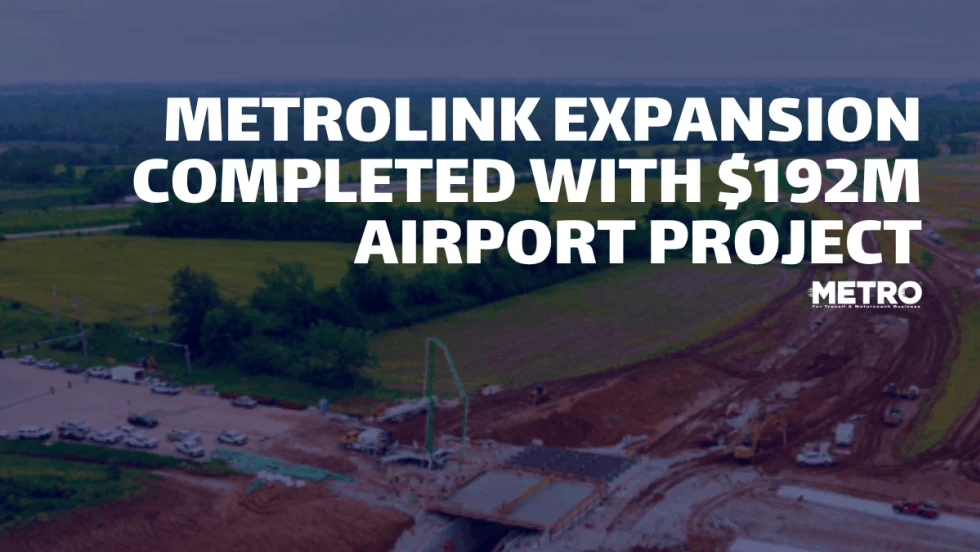
First Full MetroLink Rail Expansion Completed in 20 Years with $192M Airport Project
The project links two St. Louis-area airports by light rail while adding roadway and bike trail connections to improve regional access and mobility.
Read More →
Utilimarc Launches SmartReplace to Optimize Fleet Replacement Decisions
AI-powered SmartReplace helps fleets prioritize vehicle replacements, model budget scenarios, and build more defensible long-term strategies.
Read More →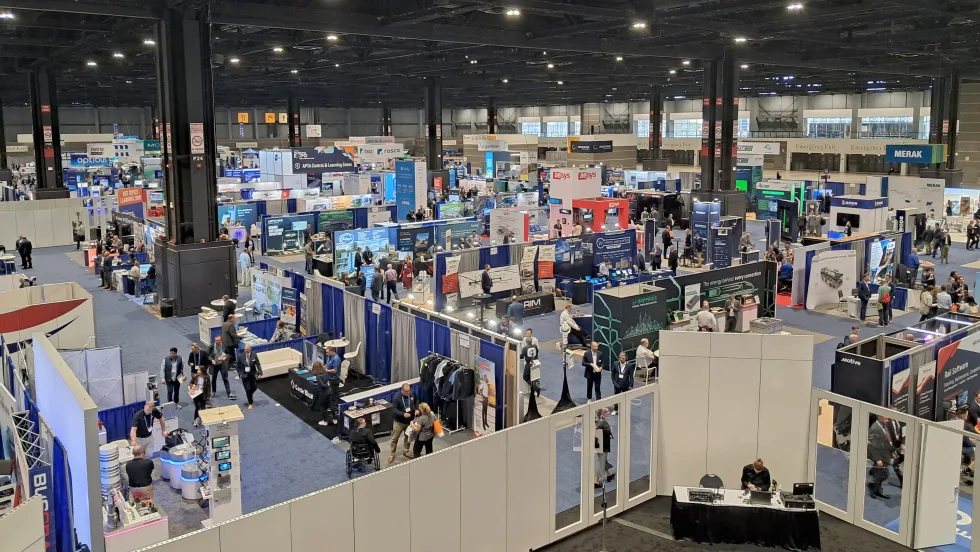
Scenes from APTA TRANSform & EXPO 2026
Transit leaders, manufacturers, and industry professionals gathered in Chicago to explore new technologies, share ideas, and discuss the future of public transportation.
Read More →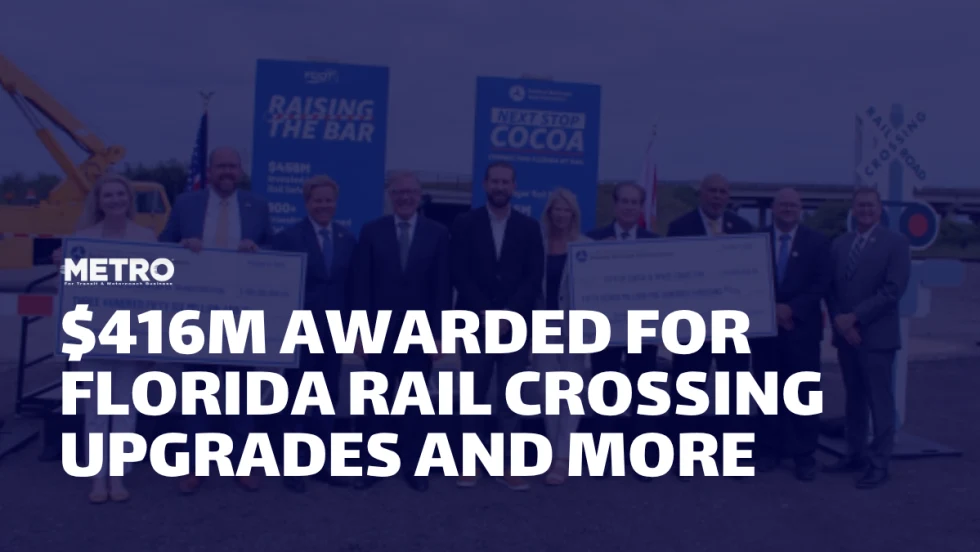
USDOT Awards $416 Million for Florida Rail Crossing Safety Upgrades, New Brightline Station
The projects aim to reduce risks for motorists and pedestrians at rail crossings while expanding passenger rail access along Florida’s Space Coast.
Read More →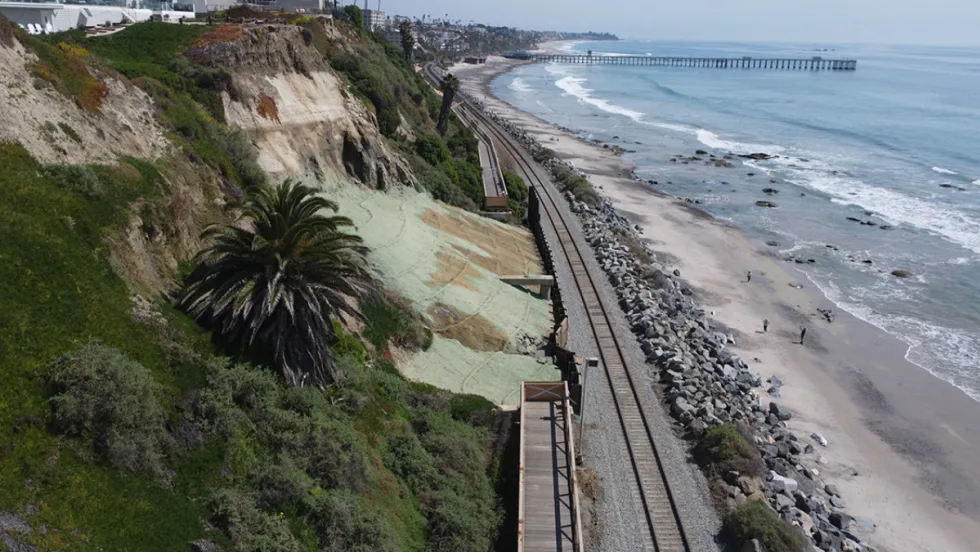
OCTA Declares Emergency to Protect Rail Corridor From Coastal Erosion
The California agency is accelerating shoreline protection and plans to place approximately 690,000 cubic yards of sand along the San Clemente coast to protect a key passenger and freight rail link.
Read More →
More Than a Summer Job: Building the Next Generation of Transit Talent
The Delaware River Port Authority and PATCO have transformed their internship program into a hands-on professional development experience that introduces students to the breadth of transportation careers — and creates a pipeline for future employees.
Read More →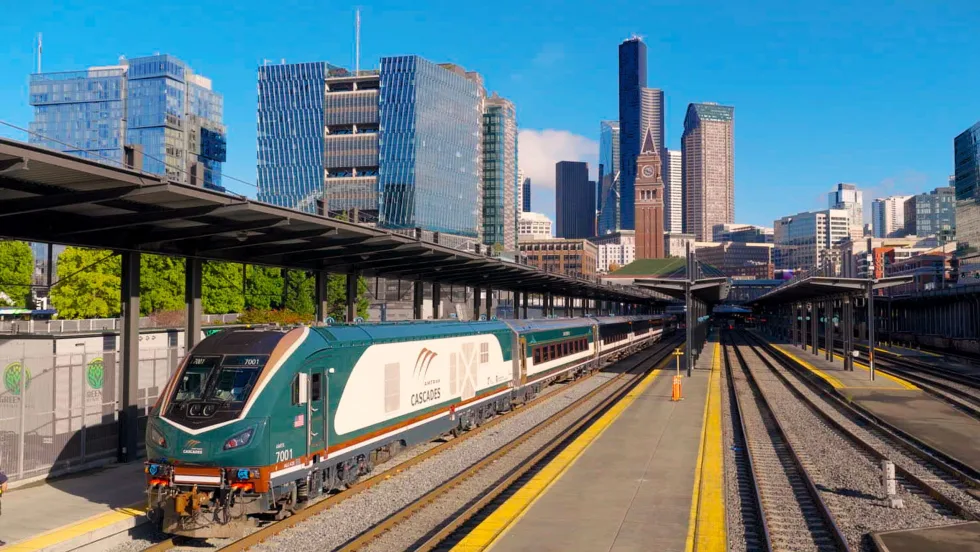
Airo Trains Make Their Amtrak Cascades Debut in the Pacific Northwest
Effective immediately, two cutting-edge Airo trainsets will join the Amtrak Cascades route, operating four daily trips between Vancouver, B.C., Seattle, Portland, and Eugene, Oregon, marking the first introduction of Airo trains into passenger service anywhere in the country.
Read More →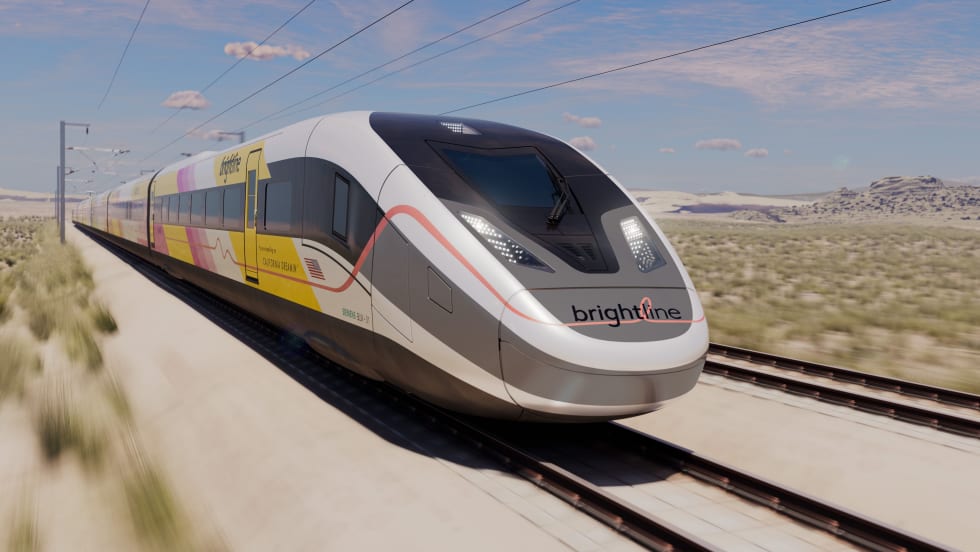
Florida's Brightline Announces Financial Restructuring
Brightline Florida says train operations will continue as normal as certain parent entities enter Chapter 11 and financial stakeholders provide $490 million in new long-term capital.
Read More →
ENC Lands MATA Contract and More in Biz Briefs
In this edition of Biz Briefs, we spotlight the latest developments shaping the future of mobility.
Read More →