



Despite Progress, a Long Road Lies Ahead for Procurement Reform
Arguably more has been done in the past two years to improve the transit procurement process than ever before. Still, efforts spearheaded by the FTA, APTA and others are far from complete.

The American Public Transportation Association(APTA), Federal Transit Administration (FTA), National Transit Institute (NTI) and stakeholders from both the public and private sector have, through a variety of channels, successfully publicized an urgent need to address the transit industry’s procurement problems. The dramatic increase in awareness has been achieved through seminars, conference workshops, training and a range of documents made available to professionals on both the operator and supplier sides.
However, Paul Skoutelas, general manager of the Port Authority of Allegheny County in Pittsburgh and co-chair of APTA’s procurement reform task force, says the job is nowhere near finished. “I would by no means want to suggest that we have arrived at the final destination,” he says. “It’s not going to happen in a year or two, but we can make progress.”
Through a collaborative industry partnership and a prodigious spread of information, the modest early goals in transit procurement reform have essentially been met. But the lion’s share of challenges lie ahead.
The bonding situation
Various APTA officials, including President Bill Millar, have tabbed the issue of security bonds and performance bonds as one of the most significant problems related to procurement due to the difficulty private firms are currently experiencing in attaining them. Though the business community is especially struggling with the negative shift in the bond market, the problem is pandemic to the industry as a whole because it contributes to an unhealthy level of competition in the market.
Says Skoutelas, “When a private sector company can’t obtain a bond to compete for public business, it shrinks the pool of firms bidding on a project, thus shrinking competition for a particular product or service.” Low competition levels, while devaluing a company’s products, also diminish a transit operator’s capability to acquire the best possible tools to do the job.
But regardless of the extent, bonding issues undoubtedly need to be addressed as part of procurement reform. According to the procurement task force’s other co-chair, Bob Brownstein, principal consultant at PB Consult, there are two main ways to approach the bonding problem.
“One way has to do with regulations, and we have made a lot of progress on that level,” Brownstein says. The FTA has clarified bonding requirements, issued a “Dear Colleague” letter and made alterations to 4220, a procurement-specific federal circular.
“The other way is to change the actual business practices among agencies, and right now we are struggling to do that,” says Brownstein. Changing practices, he adds, is a gradual process achieved through training programs, published articles and leadership provided to individual transit agencies. Basically, the best way to change established practices is by setting good examples and waiting for them to catch on.
Wide economic implications
The slumping American economy in the past few years has worsened the procurement issue, says Tom Margro, general manager of Bay Area Rapid Transit (BART) and a procurement task force member. “Numerous companies have faltered or gone out of business, resulting in fewer sources of supply,” he says. “Tangentially, a weak economy also translates, in many cases, to a reduction in ridership with a commensurate drop in passenger revenues.”
With bonding issues and a struggling economy reducing competition, a decline in the inventiveness of new products is yet another procurement-related hazard. In fact, APTA’s Business Member Board of Governors reported study findings three years ago indicating that procurement problems might be limiting product development and innovation in the transit industry.
However, Margro says that there is no cause for alarm at present. “We have recently seen significant improvements in automatic fare collection [and advances in train control],” he says. “It does not seem that procurement problems are holding back innovative technology advances.”
Still, the potential for it exists and, Brownstein and Skoutelas concur that a joint effort from both the public and private sectors will prevent the hindering of product advancement. The private side must continue to develop and update products that respond to the changing demands of the end customer — the rider — and the public side must make a concerted effort to look at more than just price when it comes to the procurement of new transit equipment.
TEA 21 plays its hand
The Bush Administration has gone on record stating that the President will veto any TEA 21 reauthorization bill not meeting the conditions of Bush’s original $256 billion recommendation. Further heightening the importance of reauthorization, the administration has made it clear that it doesn’t want any transportation spending to be funded through bonding or from gas taxes. Now, after both the House and Senate passed bills calling for funding levels that exceed that of Bush’s plan, it’s clear that debate over TEA 21 reauthorization is far from resolved.
“There is probably nothing more important to the ultimate success of the industry than getting TEA 21 reauthorization with good funding levels,” says Skoutelas. “The reauthorization will determine how we carry out our responsibilities, which are to deliver services every day to the public, to keep our various fleets as modern as possible and to introduce new technology to the industry — all of these have major procurement implications.”
Standardization efforts
Another key issue in the procurement story is the role of standardization. Unfortunately, the transit industry has few established business standards, transferring information in products and services themselves. One of the small successes in procurement reform though has been the development of standards in a few important areas.
There are differing opinions throughout the industry, but the general trend is toward more standardization of specifications and contracting, says Skoutelas. “Within APTA there has been a very active and successful standards work effort underway for rail standards, and now some for bus,” he says. “More people are recognizing that we are going to need to simplify and standardize a lot of what we buy, and if we do that, we will be able to reduce costs overall for those who participate in the procurement and in the end product.”
Victories and challenges
Countless man hours have been dedicated to the work of procurement reform. The members of APTA’s task force, as Brownstein acknowledges, are primarily upper-level executives who already have Herculean responsibilities aside from their efforts to improve procurement. But despite daunting obstacles, there have been significant accomplishments.
For example, both the task force and the FTA have invested heavily in the development of best practices for procurement. APTA, in fact, identified 50 key issues to address with best practices, which included paratransit procurements, risk sharing and balance between liquidated damages and incentives. Moreover, in the past year, the NTI’s series of procurement courses have been restructured and redesigned to be more in line with these recommended best practices.
“Those courses are over-subscribed,” says Brownstein. “The bigger issue is finding out how to hold more of them and where the money for that will come from.”
More Management

CATS Launches West Charlotte Microtransit Zone, Expands Transit Services
The new microtransit zone connects residents to key destinations as Charlotte Area Transit System rolls out the first phase of its 2055 Transit System Plan.
Read More →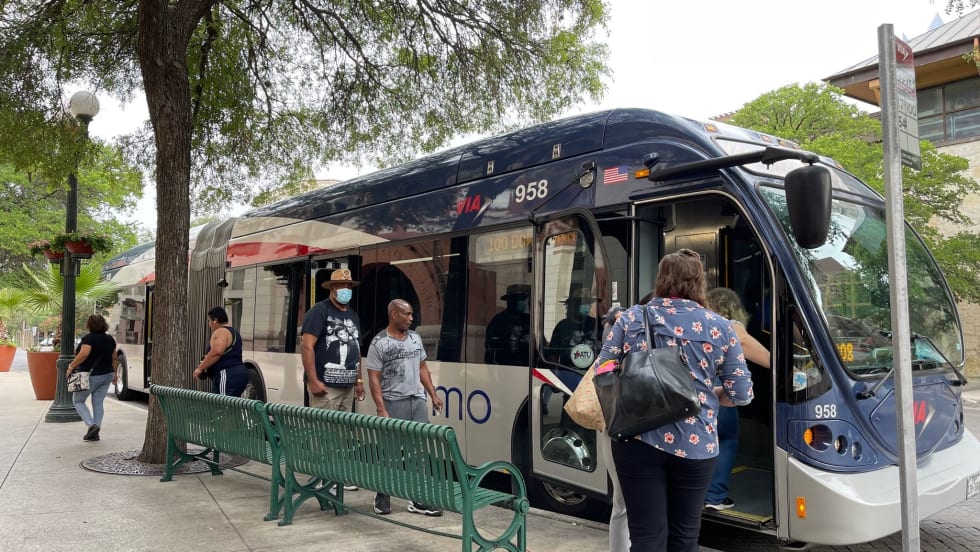
VIA Bus Ridership Grows 10.1% Through August 2026
San Antonio's VIA Metropolitan Transit reported the highest bus ridership growth among major Texas transit systems. Federal Transit Administration data ranked it second among the nation's 50 largest transit systems.
Read More →
CSA Group Releases Climate Resilience Standard for Transit, Passenger Rail
Developed with support from the Standards Council of Canada, CSA D700 guides assessing climate-related risks and planning adaptation measures for transit and passenger rail systems.
Read More →
ETA CEO John Maglio on Transit Technology, Innovation, and Building Agency Trust
ETA founder and CEO John Maglio explores the evolution of transit technology, the importance of reliable systems, and how stronger partnerships can help agencies improve operations and the passenger experience.
Read More →
COTA Launches First Customer Experience Action Plan to Improve Transit Service
The new plan outlines improvements to service reliability, accessibility, communication, and the overall rider experience across Central Ohio's transit system.
Read More →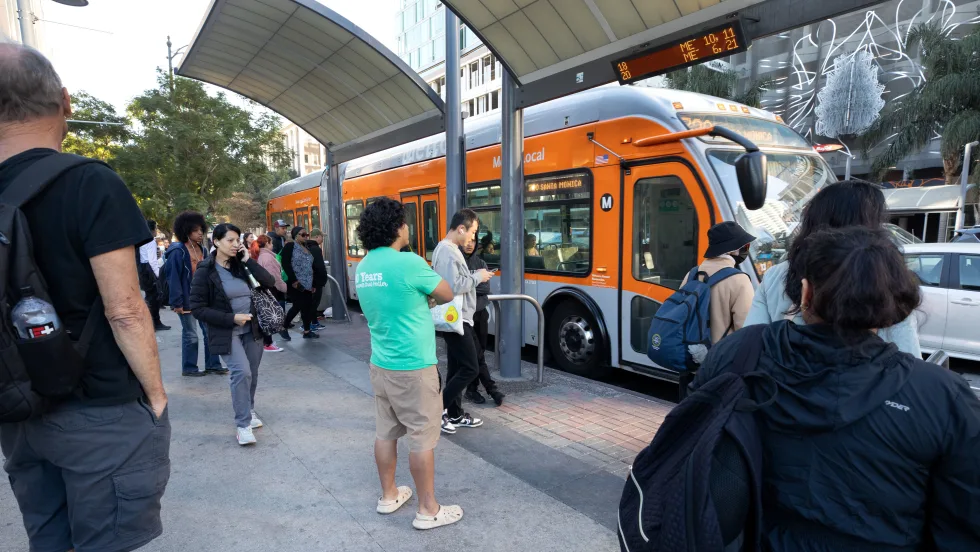
LA Metro September Ridership Climbs 3.9%, Led by Rail Growth
The agency recorded more than 27.2 million boardings, with rail ridership increasing 12.4% year over year and the D Line posting the largest gains.
Read More →
Utilimarc Launches SmartReplace to Optimize Fleet Replacement Decisions
AI-powered SmartReplace helps fleets prioritize vehicle replacements, model budget scenarios, and build more defensible long-term strategies.
Read More →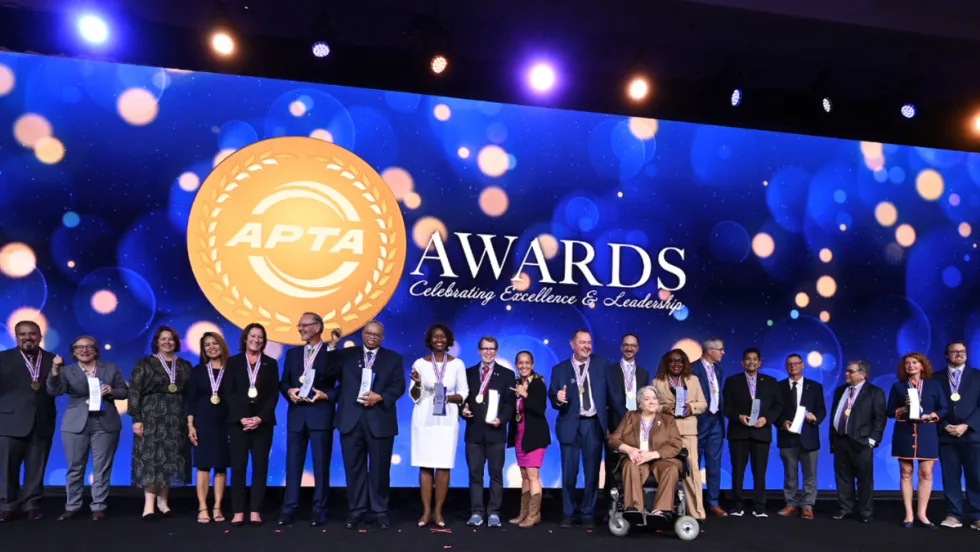
APTA Honors 2026 Award Winners, Hall of Fame Inductees at TRANSform & EXPO
Innovations in autonomous and zero-emission transportation, standout transit systems, and industry leadership took center stage among this year's honorees.
Read More →
7 Ways to Build a Better Transit Internship Program
Lessons from DRPA/PATCO’s approach to creating a meaningful internship experience—and developing the next generation of transportation professionals.
Read More →
Scenes from APTA TRANSform & EXPO 2026
Transit leaders, manufacturers, and industry professionals gathered in Chicago to explore new technologies, share ideas, and discuss the future of public transportation.
Read More →