



7 Ways to Build a Better Transit Internship Program
Lessons from DRPA/PATCO’s approach to creating a meaningful internship experience—and developing the next generation of transportation professionals.

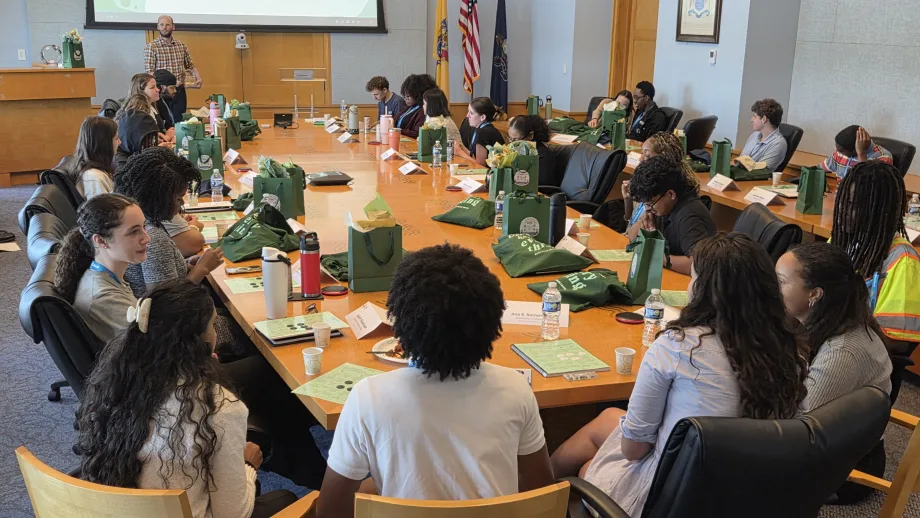
In a recent article, METRO covers the DRPA/PATCO program and discusses how transit agencies may be able to duplicate their success.
DRPA/PATCO
- DRPA/PATCO emphasizes a structured internship program that combines hands-on experience with mentorship to foster professional growth in the transit field.
- The program highlights the importance of including a diverse range of projects to give interns a comprehensive understanding of the transportation sector.
- Networking opportunities are integral to the program, enabling interns to connect with industry professionals and build lasting relationships.
*Summarized by AI
As transit agencies look to attract and develop the next generation of transportation professionals, internship programs can play an important role in building a stronger workforce pipeline. But creating a successful program requires more than simply bringing students on board for the summer.
The Delaware River Port Authority (DRPA) and PATCO offer lessons in how agencies can create meaningful internship experiences that benefit both students and their organizations. From providing hands-on experience and mentorship to offering professional development and exposure to different areas of the agency, here are seven ways transit organizations can build stronger internship programs.
7 Tips to Build an Optimal Internship Program
In a recent article, METRO covers the DRPA/PATCO program and discusses how transit agencies may be able to duplicate their success.
Some important takeaways include:
1. Build a Learning Experience
Don't treat an internship as a summer job. Set clear learning objectives and ensure students have opportunities to apply their knowledge to meaningful, real-world work.
2. Recruit With Purpose
Be intentional about the students you want to reach. Identify target schools, programs, and communities, and explain why your organization is an attractive place to spend the summer.
3. Give Interns Meaningful Work
Assign projects with clear objectives and real value to the organization. Give students responsibility while providing the supervision and support they need to succeed.
4. Provide Mentors
Connect interns with experienced professionals who can answer questions, provide feedback, and offer insight into transportation careers. A strong mentor relationship can be one of the most valuable parts of an internship.
5. Show the Bigger Picture
Don't limit students to their assigned department. Introduce them to other parts of the organization, senior leadership, facilities, operations, and the organization's governance structure. Help them understand how their work contributes to the larger mission.
6. Invest in Professional Development
Provide training in skills students can use immediately, including communication and networking, interviewing, presentations, and project management. Most importantly, ask students what skills and knowledge they want to develop.
7. Listen — and Improve
Ask both interns and supervisors for candid feedback. Find out what worked, what didn't, and what should change. Use that information to improve recruitment, orientation, training, and the overall experience for the next cohort.
Quick Answers
Internships in the transportation sector are crucial for developing the next generation of professionals, providing hands-on experience, and allowing students to apply academic knowledge to real-world challenges.
*Summarized by AI
More Management
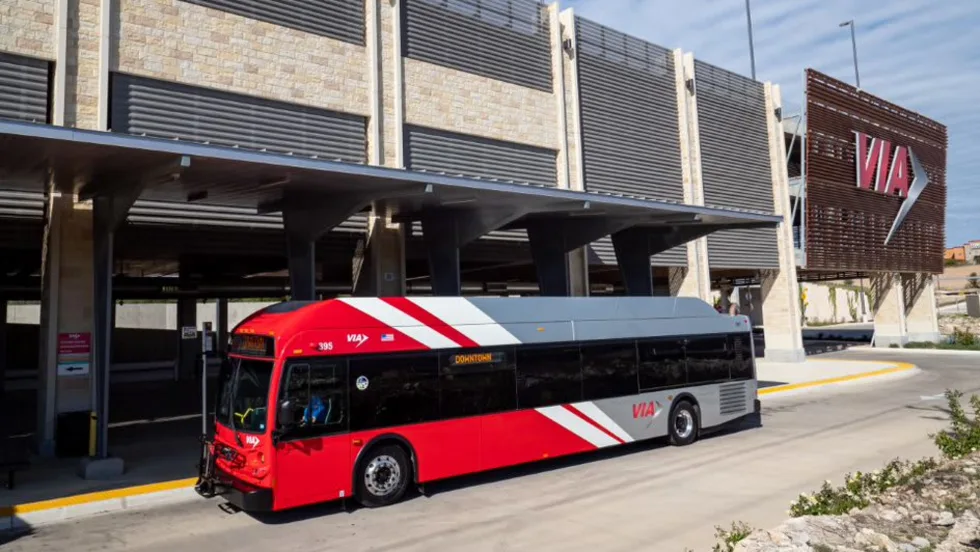
VIA, MBTA Reach Pre-Pandemic Ridership Milestones as Transit Use Climbs
VIA surpasses three million monthly trips for the first time since 2020, while the MBTA tops one million average weekday trips as both agencies report continued ridership growth.
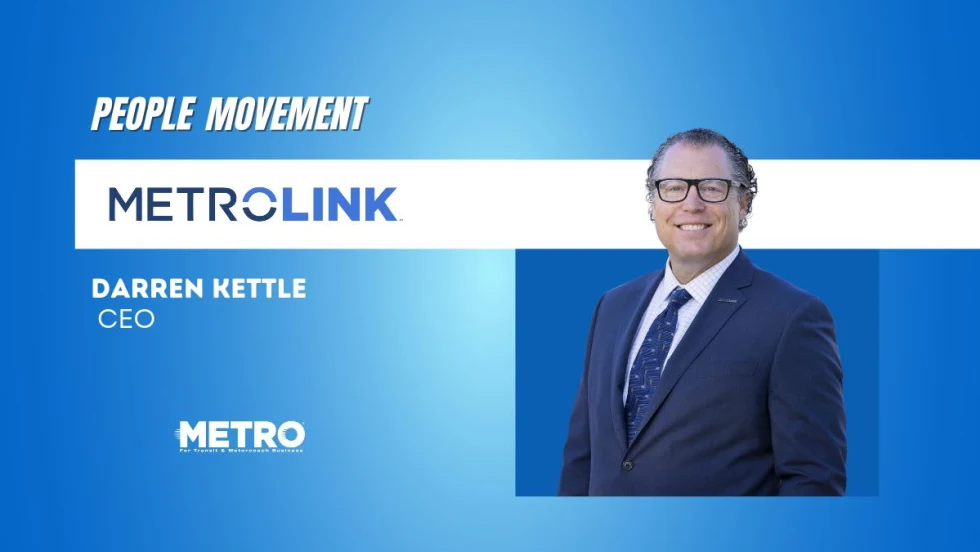
People Movement: Metrolink's Kettle Announces Retirement, Feakins to CEO at UZURV, and More
In this edition, we also cover recent appointments and announcements at King County Metro, SilverRide, and more, showcasing the individuals helping to shape the future of transportation.
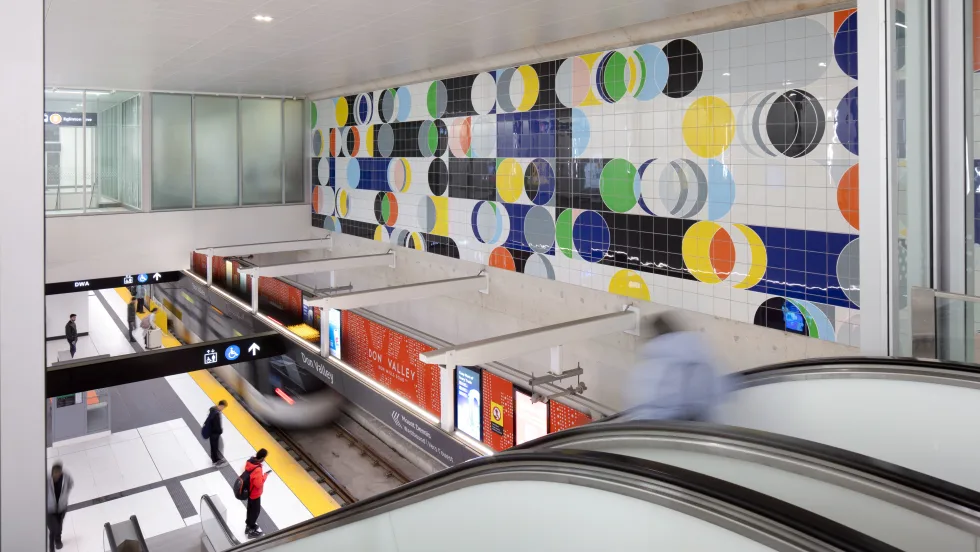
How Gen Z's Changing Mobility Habits Are Reshaping Public Transit
As younger generations embrace multimodal mobility over private vehicles, transit agencies can rethink station design, the passenger experience, and public transportation's role in building connected communities.
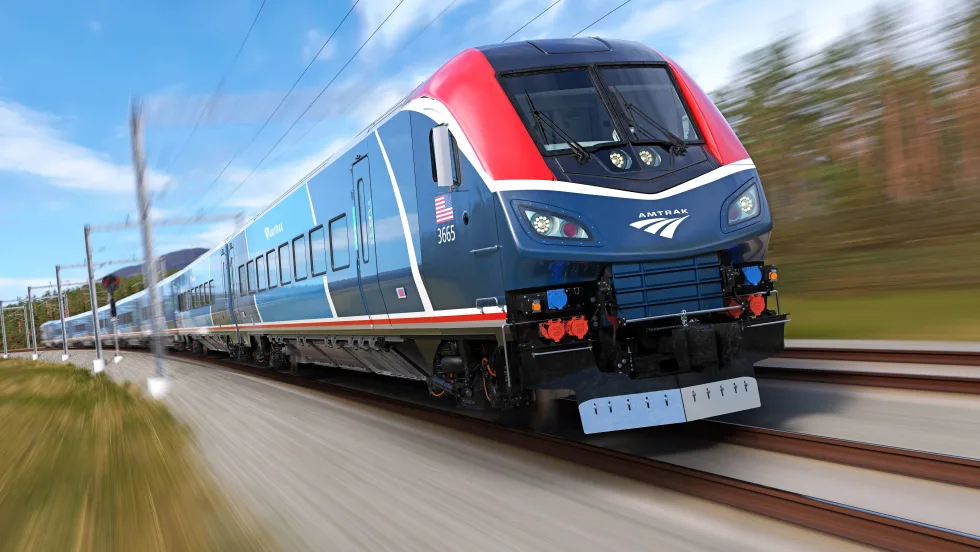
Amtrak Expands Airo Fleet with Eight Higher-Capacity Trainsets
The new 10-car trains, expected to enter service in 2031, will provide about 34% more seating capacity to meet growing demand on the Northeast Corridor.

APTA Urges FTA to Withdraw Proposed Capital Investment Grants Guidance
The association warns that proposed changes could delay transit projects, reduce federal funding, and create new hurdles for 47 projects currently in the CIG pipeline.
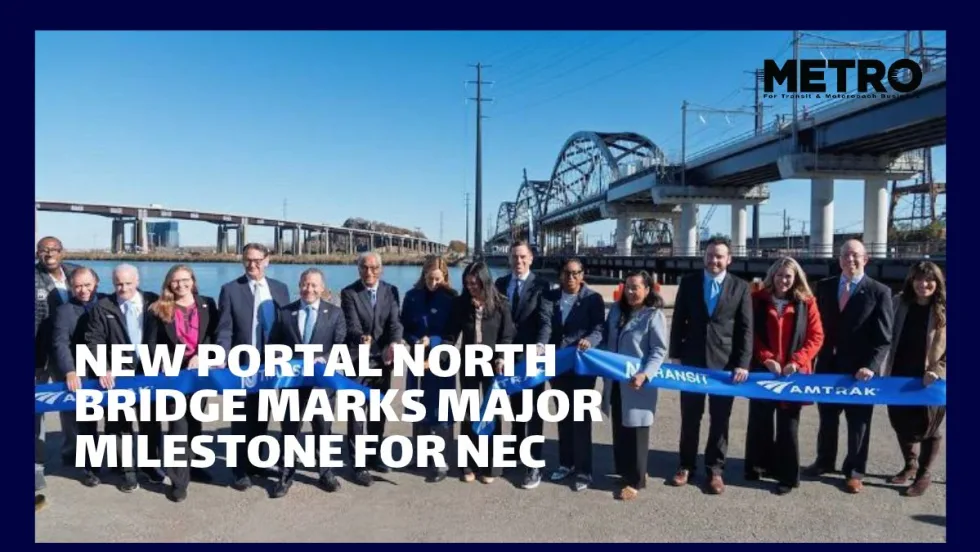
Amtrak, NJ TRANSIT Launch Full Service on New Portal North Bridge
The completion of the two-track bridge over the Hackensack River eliminates a longstanding source of delays for NJ TRANSIT and Amtrak customers. It marks a major milestone for the Gateway Program.
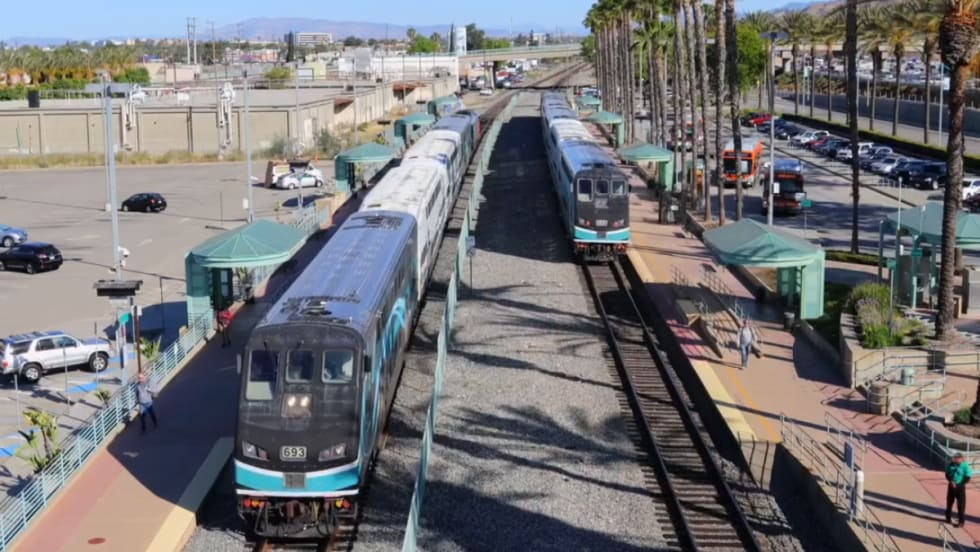
Southern California’s Metrolink Approves $508.8M Budget, Avoids Service Cuts
A $20 million state allocation allows the regional rail agency to maintain existing weekday and weekend service through fiscal year 2028, although longer-term funding challenges remain.
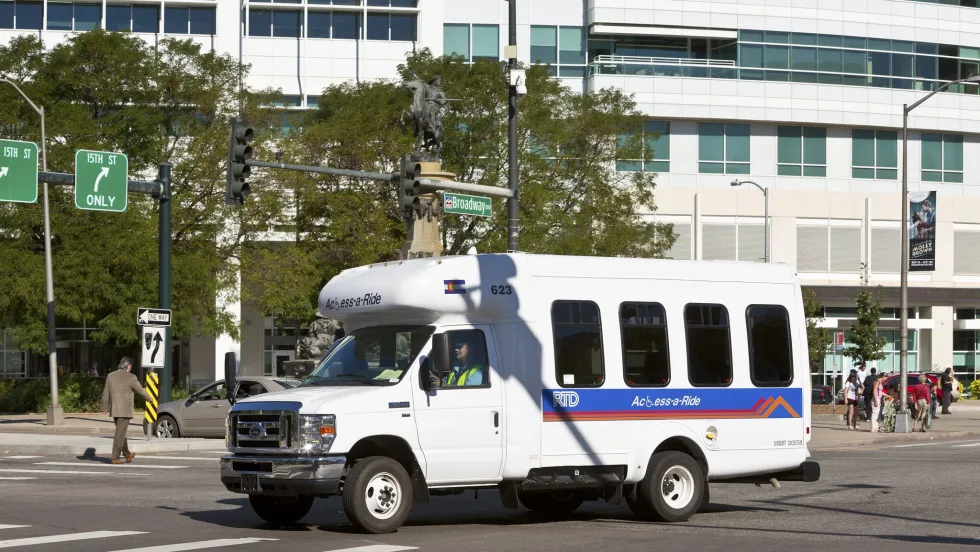
Denver RTD Committee to Review Paratransit Services, Improve Accessibility
The committee will oversee an independent study of paratransit operations, gather customer feedback, and recommend improvements to service reliability, accessibility, and accountability.

Castro to Lead RTC of Southern Nevada and More in People Movement
In this edition, we also cover recent appointments and announcements at the STV, MCI, and more, showcasing the individuals helping to shape the future of transportation.

STraffic Expands North American Presence with Fare Collection Technology
John Moon, Associate Director, Product Strategy at STraffic, discusses the company's growth in North America, its efforts to reduce fare evasion, and more.