



Utilimarc Launches SmartReplace to Optimize Fleet Replacement Decisions
AI-powered SmartReplace helps fleets prioritize vehicle replacements, model budget scenarios, and build more defensible long-term strategies.

Utilimarc’s new SmartReplace tool uses AI-powered analytics and scenario modeling to help fleet managers prioritize vehicle replacements, evaluate budgets, and develop long-term replacement strategies.
METRO
- Utilimarc's SmartReplace uses AI to aid fleets in prioritizing vehicle replacements.
- The tool allows modeling of various budget scenarios for fleet management.
- Fleets can use SmartReplace to develop more robust long-term strategies.
*Summarized by AI
Utilimarc, a Smith System company specializing in fleet analytics and benchmarking, recently launched SmartReplace, an AI-powered workflow tool that streamlines vehicle-replacement planning.
The tool uses a fleet's existing inventory, utilization, maintenance, and work order data to develop replacement strategies based on their priorities. Specialized AI agents map that information into an optimization model that evaluates replacement needs against budgets, operational requirements, and fleet-specific considerations.
Users can prioritize assets based on age, mileage, utilization, condition, and maintenance history. At the same time, scenario modeling shows how changes in budgets or operational priorities could affect replacement plans.
SmartReplace also provides asset-specific explanations for its recommendations and can model strategies several years into the future, helping fleets assess the potential effects of deferred purchases on fleet age, maintenance costs, and operations.
The program is available through Utilimarc’s fleet intelligence platform.
METRO spoke with Utilimarc’s Head of Sales Chris Shaffer and VP of Product Lanelle Duke about the challenges of fleet replacement planning, how SmartReplace approaches the process, and the role AI and scenario modeling can play in long-term decision-making.
Addressing an Age-Old Issue
Q: What issues were you hearing from fleet customers that led you to develop SmartReplace?
Shaffer: We work with very large enterprise fleets, and every year they have to decide which pieces of equipment to replace and why. It sounds simple, but it really isn’t.
Fleet managers pull information from fleet management systems, leasing vendors, work orders, and other sources to develop replacement scenarios. That becomes especially complicated with large, diverse fleets. Some of our customers have everything from small cars and pickups to million-dollar cranes, locomotives, and even helicopters, often spread across multiple states and locations.
Then you take a replacement plan to the CFO or another executive, and the questions start: What happens if the budget changes? What happens to fleet age or maintenance costs? Suddenly, you’re rebuilding scenarios.
We’ve heard complaints about this process for 25 years. In many organizations, it still relies heavily on spreadsheets and the institutional knowledge of the person who built them.
SmartReplace lets fleet managers use that data to run scenarios and make constraint-based decisions much more efficiently.
Duke: When we started developing SmartReplace, we interviewed customers about their processes and pain points. One told us, ‘I spend a lot of time on this, and when it’s done, I’m not even sure it’s right.’ That stuck with me. Fleet professionals can spend weeks or months building plans and still question their decisions.
The goal is to give them a fast, easy-to-use tool that produces a defensible replacement plan. They should be able to explain why particular assets are on the list and have confidence in those decisions.
Establishing Replacement Criteria
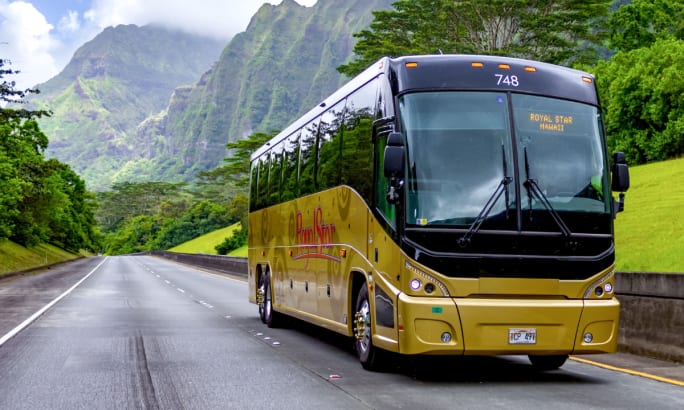
SmartReplace allows fleet managers to evaluate vehicle age, mileage, maintenance costs, and operational needs while modeling how budget changes could impact future replacement decisions.
Photo: Royal Star Hawaii
Q: What factors should fleets consider when deciding whether to replace a vehicle or piece of equipment?
Duke: It varies because organizations prioritize factors differently, but two fundamentals are age and usage, whether measured in mileage or engine hours.
SmartReplace offers several scoring options. Fleets can use age and mileage, the Utilimarc score, or their own methodology.
The Utilimarc score considers age, usage, and cost. Cost matters because a vehicle’s age and mileage may look acceptable, but repeated major repairs could change the replacement decision.
Fleets with established methodologies can configure their own scoring systems using factors such as vehicle condition, work-order counts, or other numerical criteria.
Ultimately, fleets must work with the data they have. Not everyone has every data point, so you start with what’s available and build from there.
Q: How involved is Utilimarc in helping fleets implement SmartReplace and establish their replacement criteria?
Duke: We start with a kickoff call focused heavily on data. If you don’t have good data going into the system, you won’t get good results coming out.
We review the customer's data, where it lives, and which systems they use, then develop a plan for the information they’ll need.
Next, we hold a working session where customers use the product themselves. Our experts guide them through uploading files, setting up their strategy, and using the product's features.
After they’ve had time to work with the product, we hold a follow-up session to answer questions. Customers also have access to a dedicated support team, including analysts who understand the tool.
Q: How does SmartReplace’s scenario modeling help fleets evaluate budgets and replacement priorities?
Duke: The process starts with fleets uploading their data and establishing a strategy. Users select a scoring methodology and can enter a five- or 10-year replacement budget. Without a set budget, the system can show what it would cost to address identified replacement needs.
Fleets can also establish constraints. For example, they could decide not to replace trailers this year or exclude assets from a particular location.
SmartReplace then scores individual assets, applies those criteria and constraints, and develops a recommended replacement plan.
For each vehicle, users can see its overall score, the factors that contributed to it, and a plain-English explanation of why it was or wasn’t selected for replacement.
That transparency matters when leadership or finance asks, “Why is this vehicle on the list?” The fleet manager can show the strategy, criteria, scores, and reasoning behind the recommendation, making the plan easier to explain and defend.
The Risks of Overextending Your Fleet
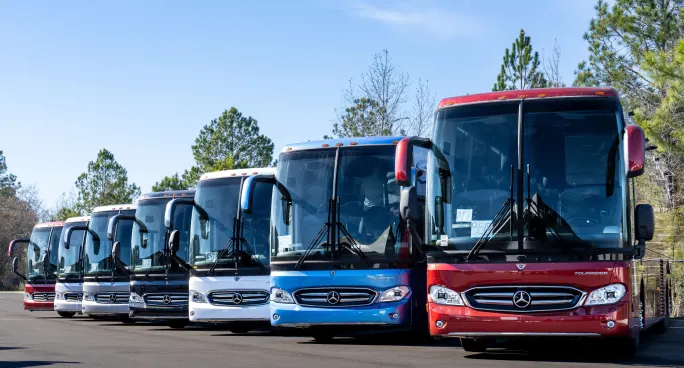
Utilimarc’s SmartReplace provides asset-specific recommendations and long-term forecasts to help fleets assess the costs and operational impacts of delaying vehicle replacements.
Daimler Coaches North America
Q: What are the financial and operational risks of keeping vehicles beyond their optimal replacement point?
Duke: It depends on the asset and its importance to the operation. With highly specialized or mission-critical equipment, keeping an asset too long can create significant risk. If it fails, you may not be able to rent a replacement, and sourcing a new one could take years.
Budget also plays a major role. One pilot customer had his capital budget cut after years of getting his fleet into a healthy position. He worried the organization might save capital dollars today but spend more from the operating budget as maintenance costs rise on aging equipment.
SmartReplace can model that over as many as 10 years, showing replacement budgets, deferred replacements, and projected maintenance costs based on industry benchmark data.
Shaffer: It really comes down to whether something is mission-critical. With those assets, downtime can be the biggest concern, and that’s often what fleets try to avoid.
Q: Beyond maintenance and replacement costs, what else should fleets consider when planning replacements?
Duke: Fleets need to look beyond what they have to replace next year and consider what they’ll need three or five years from now.
That’s increasingly important because some vehicles and equipment have lead times of two or three years. You may need to decide today so a new asset arrives when the existing one is ready to leave service.
That long-term planning is one of the most challenging parts of the replacement process.
Finding the Right Fit
Q: Is SmartReplace designed for a particular type or size of fleet?
Duke: It can apply to essentially any fleet because every fleet has to decide which assets to replace.
The value becomes especially apparent with larger, more complex fleets with many asset types or operations across multiple locations. Geography can add another layer because climate and operating conditions can affect vehicle condition differently.
But small and midsize fleets face the same fundamental replacement decisions and may also be managing the process through spreadsheets.
Shaffer: It works across fleet segments — from bus and over-the-road fleets to off-road construction equipment. It gives organizations across different industries a way to optimize their equipment investments.
Quick Answers
SmartReplace is an AI-powered tool launched by Utilimarc to help optimize fleet replacement decisions.
*Summarized by AI
More Management

APTA Honors 2026 Award Winners, Hall of Fame Inductees at TRANSform & EXPO
Innovations in autonomous and zero-emission transportation, standout transit systems, and industry leadership took center stage among this year's honorees.
Read More →
7 Ways to Build a Better Transit Internship Program
Lessons from DRPA/PATCO’s approach to creating a meaningful internship experience—and developing the next generation of transportation professionals.
Read More →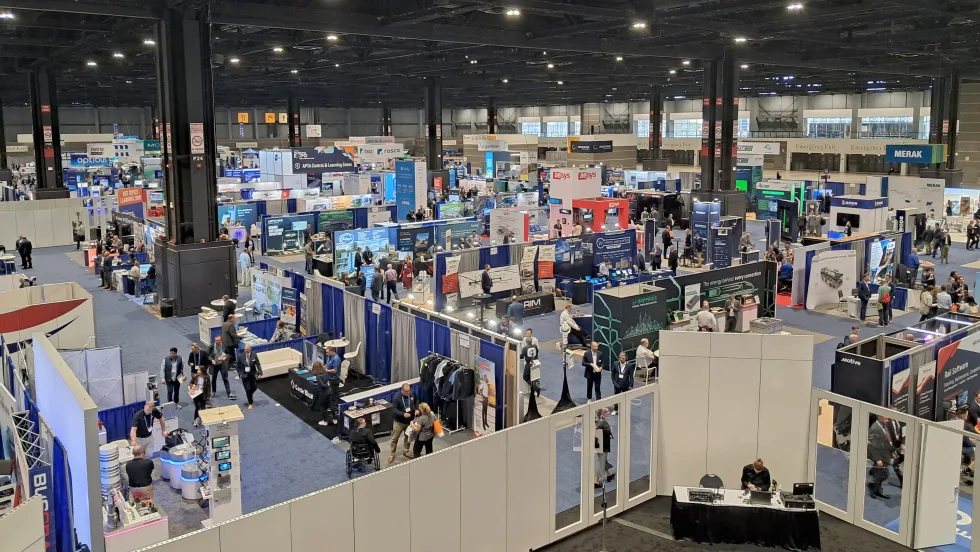
Scenes from APTA TRANSform & EXPO 2026
Transit leaders, manufacturers, and industry professionals gathered in Chicago to explore new technologies, share ideas, and discuss the future of public transportation.
Read More →
Building Stronger Leaders, More Resilient Transit Teams
Dr. Carol Parker Walsh discusses leadership development, employee retention, workplace culture, and preparing transit’s workforce for AI and automation.
Read More →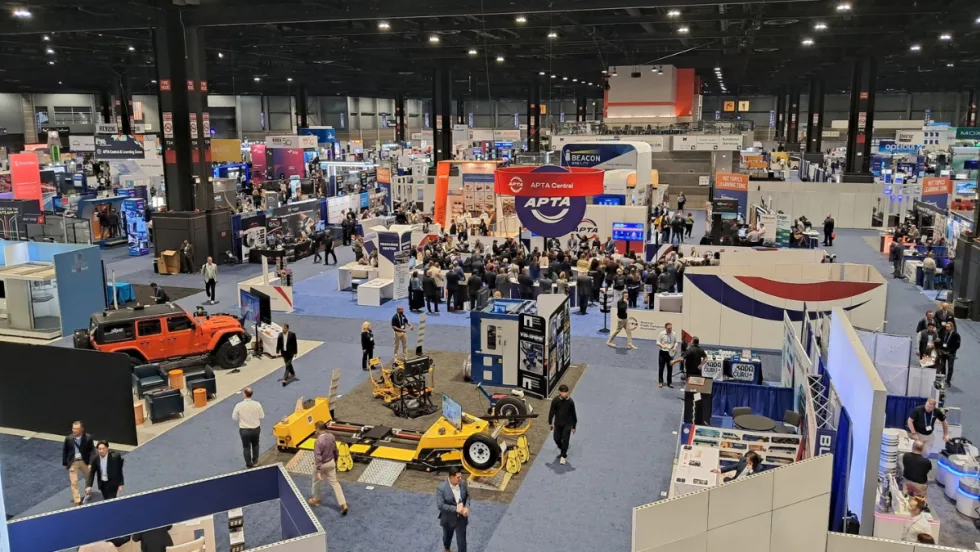
APTA 2026 TRANSform & EXPO Kicks Off in Chicago
After 45 years, APTA returns to Chicago with a focus on next-generation fleets, AI, connected transit networks, and the funding strategies shaping public transportation’s future.
Read More →
New York MTA Warns Federal Tariffs Could Add $1 Billion to Rolling Stock Costs
The agency said tariffs on specialized imported components could reduce the purchasing power of its $23 billion investment in new subway cars, railcars, and buses.
Read More →
From the Show Floor: What Happened at APTA TRANSform & EXPO 2026
See the latest product launches, partnerships, technology updates, and transit industry announcements from APTA TRANSform & EXPO in Chicago.
Read More →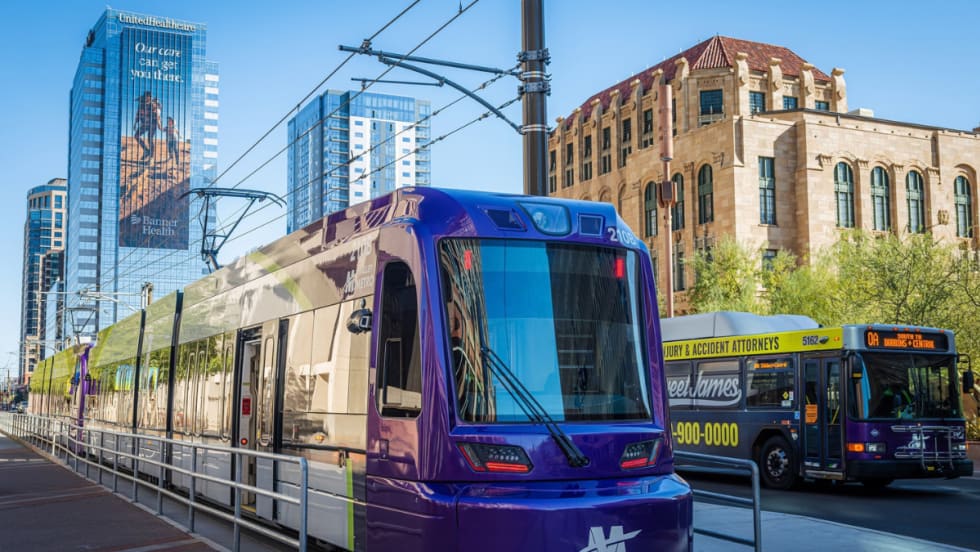
How Valley Metro Is Balancing Transit Growth With the Rider Experience
The APTA award-winning agency is pairing rapid system expansion with investments in workforce, safety, technology, and the fundamentals of transit service.
Read More →
Bus Tech Talk: Keeping Transit Technicians Ahead of the Technology Curve
In this episode of Bus Tech Talk, Complete Coach Works’ Business Development Manager Mark Hollenbeck and METRO’s Executive Editor Alex Roman sit down with Obed Mejia, Senior Technical Trainer for Bus Maintenance, at LA Metro to discuss how rapidly evolving bus technology is changing the maintenance shop — and the skills technicians need to keep pace.
Read More →
Michael Schneider Joins Paslay Group to Expand Transportation Practice
The longtime transportation executive will help Paslay Group grow its advisory and program management work across transit, highway, and other infrastructure sectors.
Read More →