



Door sensors lower injury risk
A device that uses ultrasonic sensors to detect objects in selected spaces is being installed in transit buses to keep the rear service doors from accidentally closing on passengers.

A device that uses ultrasonic sensors to detect objects in selected spaces is being installed in transit buses to keep the rear service doors from accidentally closing on passengers. The device, manufactured by Vapor Bus International, is called CLASS™ (Contact-Less Acoustic Sensing System). It uses three sensors and a signal-processing module to determine whether an obstacle is present in the doorway. The Orange County Transportation Authority (OCTA) in Orange, Calif., has installed CLASS in 20 of its articulated buses and eight standard 40-foot buses in an effort to reduce the risk of door injuries to passengers. “It’s especially important with senior citizens and fragile people,” said OCTA spokesman George Urch. The OCTA began testing the Vapor system in 1999 after attempts to find a workable solution with a different device, which used sonar sensors, failed because of temperature and humidity sensitivity. “The bus manufacturer worked with the manufacturer of the device for three years, but couldn’t get it to work properly,” Urch said. Urch added that the CLASS system is still being scrutinized by the OCTA. “We’re continuing to test it and, if it works out well, we may retrofit the rest of our buses,” he said. John Condon, national sales manager at Vapor, said the CLASS system is also being tested at transit properties in New York; Toledo, Ohio; Chicago; Portland, Ore.; and Kitchener, Ontario.
More Management
People Movement: Connectpoint Expands Leadership Team, Stadler Names New Group CEO, and More
In this edition, we also spotlight recent personnel moves at Burns, UZURV, and more, highlighting the people taking on new roles across the transportation industry.
Read More →
More Than a Summer Job: Building the Next Generation of Transit Talent
The Delaware River Port Authority and PATCO have transformed their internship program into a hands-on professional development experience that introduces students to the breadth of transportation careers — and creates a pipeline for future employees.
Read More →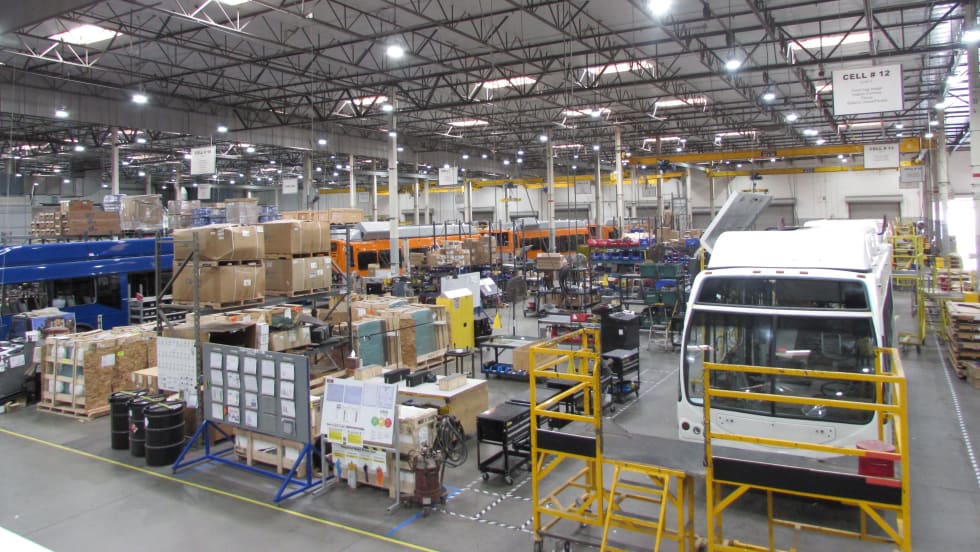
LA Metro Board Awards 220 Battery-Electric Bus Contract to ENC
The contract, which is the largest base award of battery-electric buses by a U.S. transit agency, will be built in Southern California, sustaining good jobs as LA prepares to welcome the world in 2028
Read More →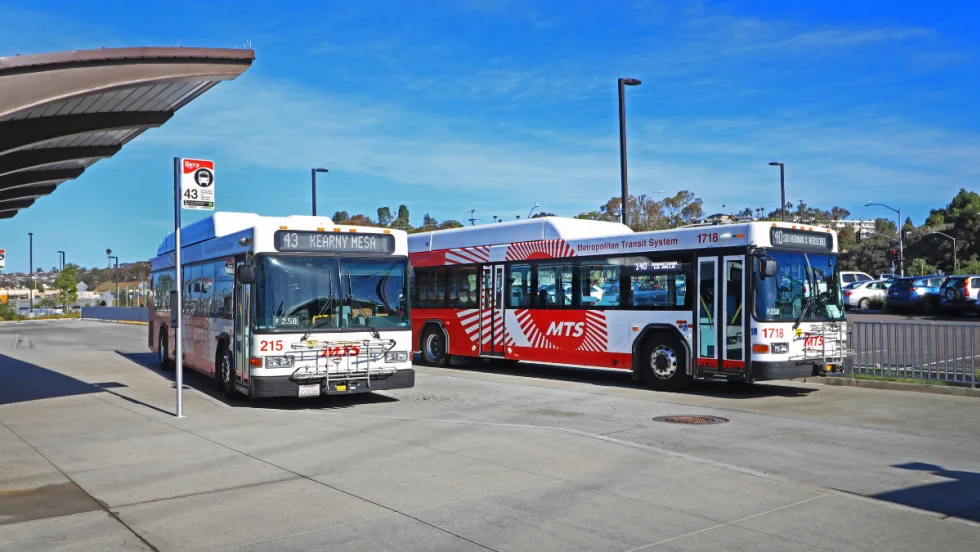
What’s Behind San Diego MTS’s Award-Winning Transit Strategy
Named one of APTA’s 2026 Outstanding Public Transportation Systems with 50 million or more annual passenger trips, California’s San Diego Metropolitan Transit System points to gains in ridership, safety, technology, and reliability as foundations of its success.
Read More →
Public Transit Conference Returning to GFX in 2027, Call for Papers Now Open
The Call for Papers is now open, allowing transit agency professionals and industry experts to help shape the PTC educational program by submitting session ideas for consideration.
Read More →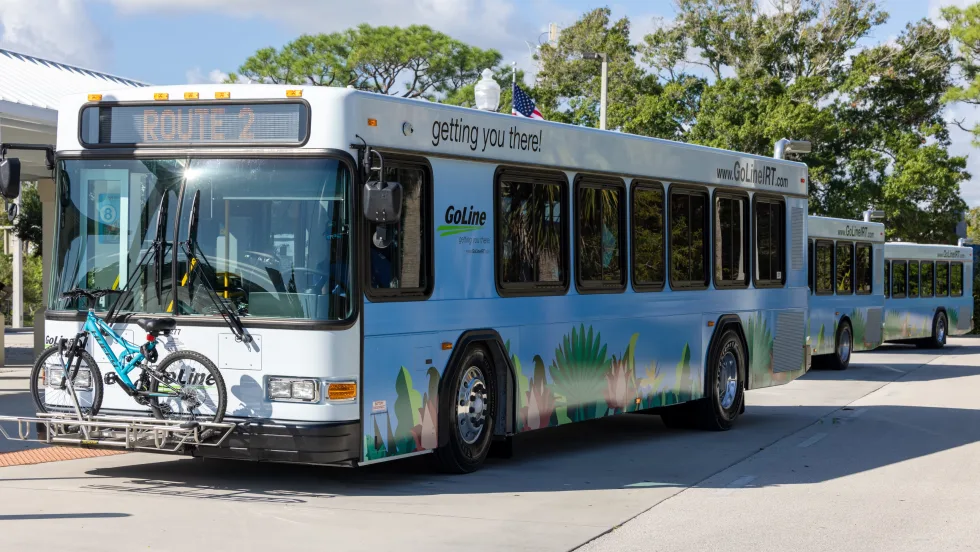
Indian River Transit’s Community-Focused Approach Earns National Recognition
Named APTA’s 2026 Outstanding Public Transportation System in its size category, Florida’s Indian River County transit system continues to grow ridership through fare-free service and a focus on evolving community needs.
Read More →
ENC Lands MATA Contract and More in Biz Briefs
In this edition of Biz Briefs, we spotlight the latest developments shaping the future of mobility.
Read More →
From Surviving to Thriving: Building Stronger Transportation Organizations
Bus Business Consultants founder Brian Dickson shares lessons on leadership, organizational health, and creating options for long-term success in a changing transportation industry.
Read More →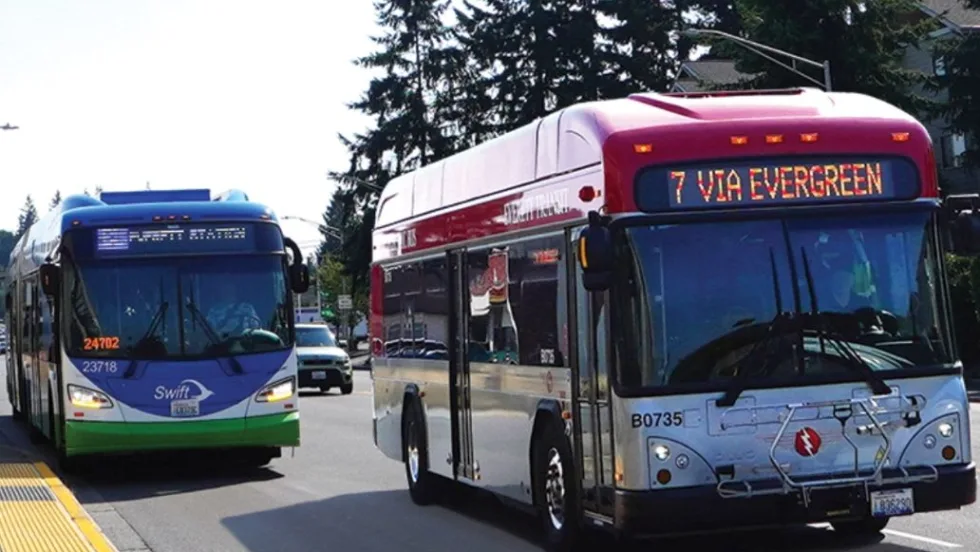
Everett Transit, Community Transit Outline Consolidation Agreement
The proposed agreement calls for a 50% increase in bus service in Everett, a new microtransit zone, continued paratransit service, and the transfer of Everett Transit operations to Community Transit.
Read More →
Strada360’s Steve Lassey on Turning Transit Data Into Better Decisions
From breaking down data silos to preparing for AI, Strada360 CEO Steve Lassey discusses how transit agencies can use technology to improve operations, customer information, and long-term decision-making.
Read More →