



Driver training a top priority at bus safety symposium
The International Truck and Bus Safety Research and Policy Symposium was held in April in Knoxville, Tenn.

Mandatory commercial vehicle driver training was noted as the top priority of attendees at the International Truck and Bus Safety Research and Policy Symposium, held in April in Knoxville, Tenn. The training should include entry-level training, in-service training and remedial training. Many attendees felt that only through such training could drivers develop the proper behaviors, skills and performance capabilities. Though the motorcoach industry is still considered the safest form of travel, proper training will also inevitably lead to a decrease in accidents. “The industry’s safety record is an enviable achievement,” said Peter Pantuso, president of the American Bus Association. In the absence of credible research or supporting data, Pantuso expressed concerns about changing the operating environment of the industry. Craig Lentzsch, CEO of Greyhound Lines, called for caution before proposing significant changes. Other issues that attendees wanted to see addressed at a federal level were:
Public awareness training. The industry and government should take a leading role in promoting, educating and funding educational programs for the public that address safety issues when driving near commercial vehicles.
Safety enforcement should be evaluated and expanded to include not only the commercial vehicle operator but those involved in any decision-making, including shippers, brokers and receivers.
Driver evaluation. Carriers should be able to readily assess employment history, physical qualifications, driver training, crash and violation history and prior drug and alcohol violations. Building a strong driving team is imperative to running a good company. Studies indicate that a 10% increase in wages produces a 34% lower crash probability. Driver tenure also comes into play once an employee is happy with his job. In the early years of employment, each year of tenure reduces crash potential by 16%.
Behavioral research to determine which drivers may not be performing safely. Speed was noted as the primary cause in 29% of fatal crashes, with unsafe following distance the most common traffic law violation. Assessment should include moving violations, incidents of hard braking, public and motorist complaints and hours of service violations. The Research and Policy Symposium was sponsored by the National Safety Council with the goal of creating safer fleets and highways. — Jack Burkert
More Management
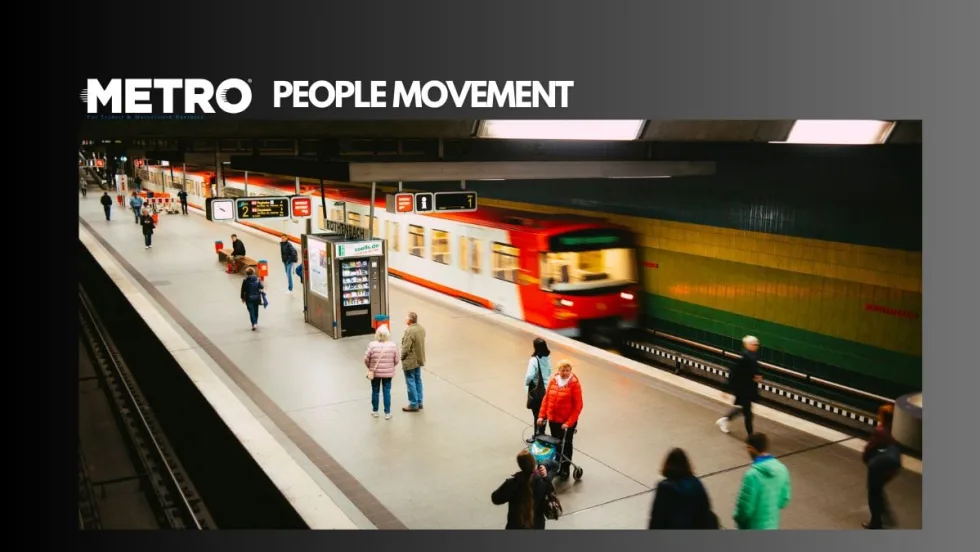
People Movement: Connectpoint Expands Leadership Team, Stadler Names New Group CEO, and More
In this edition, we also spotlight recent personnel moves at Burns, UZURV, and more, highlighting the people taking on new roles across the transportation industry.
Read More →
More Than a Summer Job: Building the Next Generation of Transit Talent
The Delaware River Port Authority and PATCO have transformed their internship program into a hands-on professional development experience that introduces students to the breadth of transportation careers — and creates a pipeline for future employees.
Read More →
LA Metro Board Awards 220 Battery-Electric Bus Contract to ENC
The contract, which is the largest base award of battery-electric buses by a U.S. transit agency, will be built in Southern California, sustaining good jobs as LA prepares to welcome the world in 2028
Read More →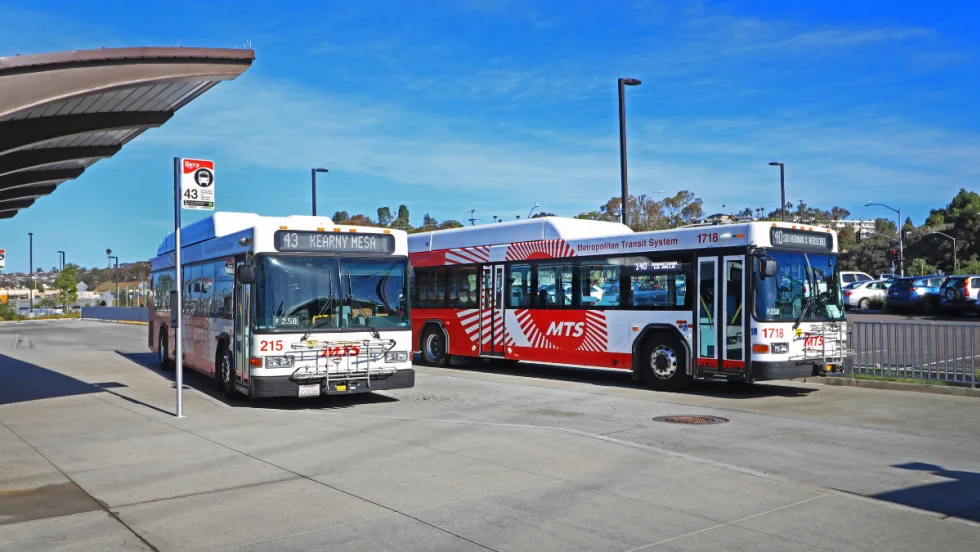
What’s Behind San Diego MTS’s Award-Winning Transit Strategy
Named one of APTA’s 2026 Outstanding Public Transportation Systems with 50 million or more annual passenger trips, California’s San Diego Metropolitan Transit System points to gains in ridership, safety, technology, and reliability as foundations of its success.
Read More →
Public Transit Conference Returning to GFX in 2027, Call for Papers Now Open
The Call for Papers is now open, allowing transit agency professionals and industry experts to help shape the PTC educational program by submitting session ideas for consideration.
Read More →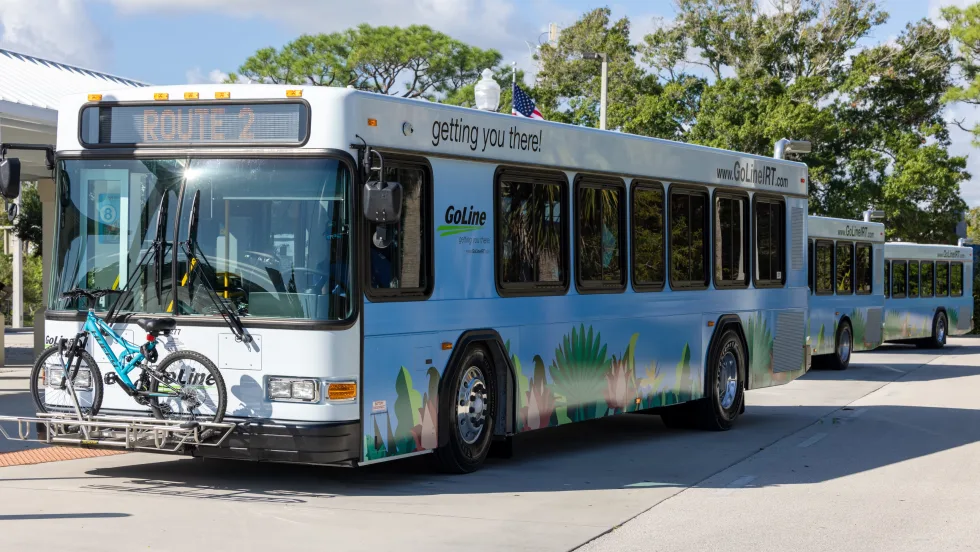
Indian River Transit’s Community-Focused Approach Earns National Recognition
Named APTA’s 2026 Outstanding Public Transportation System in its size category, Florida’s Indian River County transit system continues to grow ridership through fare-free service and a focus on evolving community needs.
Read More →
ENC Lands MATA Contract and More in Biz Briefs
In this edition of Biz Briefs, we spotlight the latest developments shaping the future of mobility.
Read More →
From Surviving to Thriving: Building Stronger Transportation Organizations
Bus Business Consultants founder Brian Dickson shares lessons on leadership, organizational health, and creating options for long-term success in a changing transportation industry.
Read More →
Everett Transit, Community Transit Outline Consolidation Agreement
The proposed agreement calls for a 50% increase in bus service in Everett, a new microtransit zone, continued paratransit service, and the transfer of Everett Transit operations to Community Transit.
Read More →
Strada360’s Steve Lassey on Turning Transit Data Into Better Decisions
From breaking down data silos to preparing for AI, Strada360 CEO Steve Lassey discusses how transit agencies can use technology to improve operations, customer information, and long-term decision-making.
Read More →