



Expect 42-volt systems to produce advantages and challenges
Already being developed for cars and light trucks, 42-volt electrical systems will soon come to heavier vehicles, automotive experts say.
Already being developed for cars and light trucks, 42-volt electrical systems will soon come to heavier vehicles, automotive experts say. They will first migrate to heavy trucks and then reach the passenger market, probably within the next five years, says Halsey King, a maintenance and technology consultant who is also a member of the Society of Automotive Engineers (SAE) Truck and Bus Council’s board of directors. King made his remarks at METRO Magazine’s recent Bus Technology Conference in Anaheim, Calif. When the systems arrive, they will dramatically improve bus electrical safety and operating performance, he predicted. However, like all new technologies in the transit market, 42-volt systems will greatly affect maintenance personnel. Marriage of convenience Through years of meetings in various SAE standards committees, the automotive industry has reached agreement on standards that will triple existing vehicle voltage for both battery output (12 volts to 36 volts) and generator output (14-volt to 42-volt). It’s a move that’s both dramatic and far-reaching, affecting virtually every area of vehicle supply, assembly, component design and manufacture. One such device enabled by the 42-volt system is something called an integrated starter-alternator (ISA). The ISA is basically what it sounds like: a device that performs the functions of starting the engine and generating juice for other onboard systems. The ISA unit is mounted directly on the crankshaft. It functions initially as a starter as the engine is ignited and then automatically switches over to alternator mode. It can support a variety of functions and technologies, including virtual “stop-and-go” power, which are particularly well suited to transit bus applications. With the ISA, there is no need to idle the engine. The engine can be shut off each time the vehicle stops and can be started when the vehicle needs to move. That will result in dramatically reduced emissions due to increased engine speed during starting. Other benefits include instantaneous starting (eliminating a not insignificant part of bus operators’ shifts at many transit properties), high electrical power to cope with ever-increasing loads from the growing list of onboard equipment, potential improvement of fuel consumption, high efficiency and minimal space requirements. With weight-saving, enhanced vehicle performance, emission reduction and improved fuel consumption, 42-volt electrical systems are the future. Dudley Wass, strategic business unit director for Visteon Corp.’s Electrical Conversion Systems, says that vehicle R&D changes due to the move to 42-volt technology will be sweeping. “The move to 42-volt entails a major redesign and re-think by OEMs as it encompasses everything from light bulbs to total integrated systems,” Wass says. A number of areas that will gain from the introduction of 42-volt technology include: better power steering, electrically operated brakes and suspension systems, more efficient water pumps, pre-heated exhaust catalysts and fully electric air conditioning. Expect shop adjustments These profound changes will most certainly affect the shop floor in an equally dramatic way. “Forty-two volt systems will totally rewrite preventive maintenance programs,” King says. “For one thing, they will probably reduce the list of PM procedures to a single sheet of paper—and that list will get shorter and shorter as vehicle systems are revised to take advantage of 42 volts.” King worries that the huge promise of 42 volts in future new buses will turn into a curse as the buses get older—unless shop floor personnel are properly recruited and trained. That message, he says, must be heard all the way to transit agencies’ executive suites and boardrooms—possibly even in the halls of Congress as it debates the industry’s funding levels.
More Management

Bus Tech Talk: Keeping Transit Technicians Ahead of the Technology Curve
In this episode of Bus Tech Talk, Complete Coach Works’ Business Development Manager Mark Hollenbeck and METRO’s Executive Editor Alex Roman sit down with Obed Mejia, Senior Technical Trainer for Bus Maintenance, at LA Metro to discuss how rapidly evolving bus technology is changing the maintenance shop — and the skills technicians need to keep pace.
Read More →
Michael Schneider Joins Paslay Group to Expand Transportation Practice
The longtime transportation executive will help Paslay Group grow its advisory and program management work across transit, highway, and other infrastructure sectors.
Read More →
People Movement: Connectpoint Expands Leadership Team, Stadler Names New Group CEO, and More
In this edition, we also spotlight recent personnel moves at Burns, UZURV, and more, highlighting the people taking on new roles across the transportation industry.
Read More →
More Than a Summer Job: Building the Next Generation of Transit Talent
The Delaware River Port Authority and PATCO have transformed their internship program into a hands-on professional development experience that introduces students to the breadth of transportation careers — and creates a pipeline for future employees.
Read More →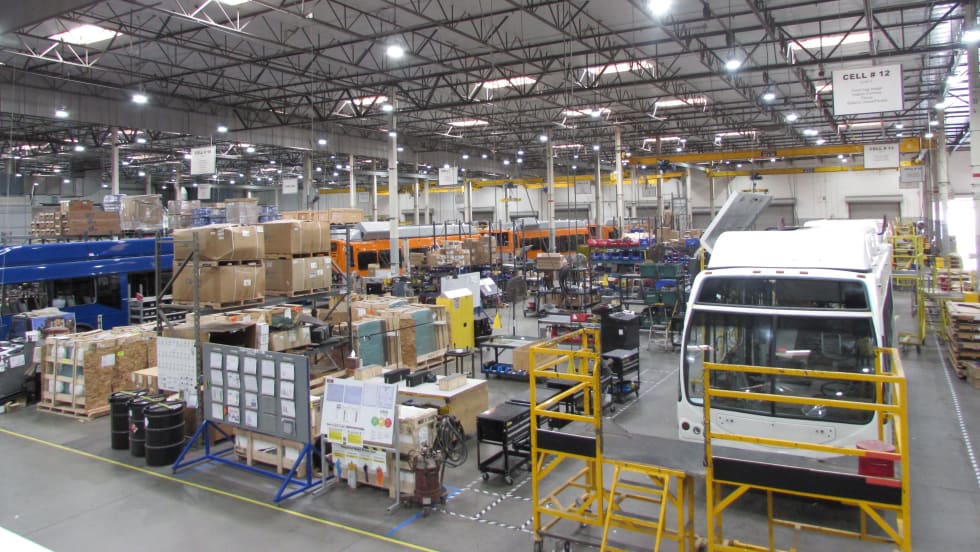
LA Metro Board Awards 220 Battery-Electric Bus Contract to ENC
The contract, which is the largest base award of battery-electric buses by a U.S. transit agency, will be built in Southern California, sustaining good jobs as LA prepares to welcome the world in 2028
Read More →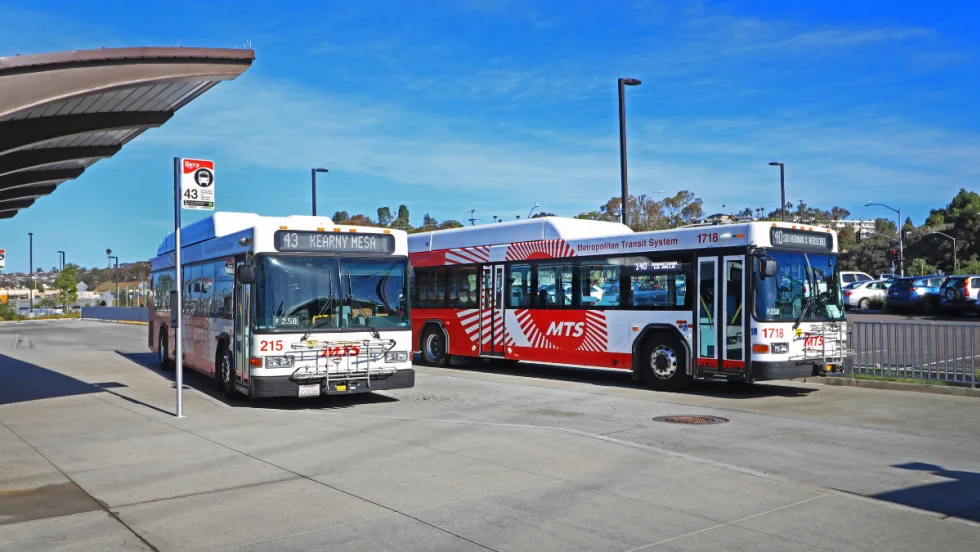
What’s Behind San Diego MTS’s Award-Winning Transit Strategy
Named one of APTA’s 2026 Outstanding Public Transportation Systems with 50 million or more annual passenger trips, California’s San Diego Metropolitan Transit System points to gains in ridership, safety, technology, and reliability as foundations of its success.
Read More →
Public Transit Conference Returning to GFX in 2027, Call for Papers Now Open
The Call for Papers is now open, allowing transit agency professionals and industry experts to help shape the PTC educational program by submitting session ideas for consideration.
Read More →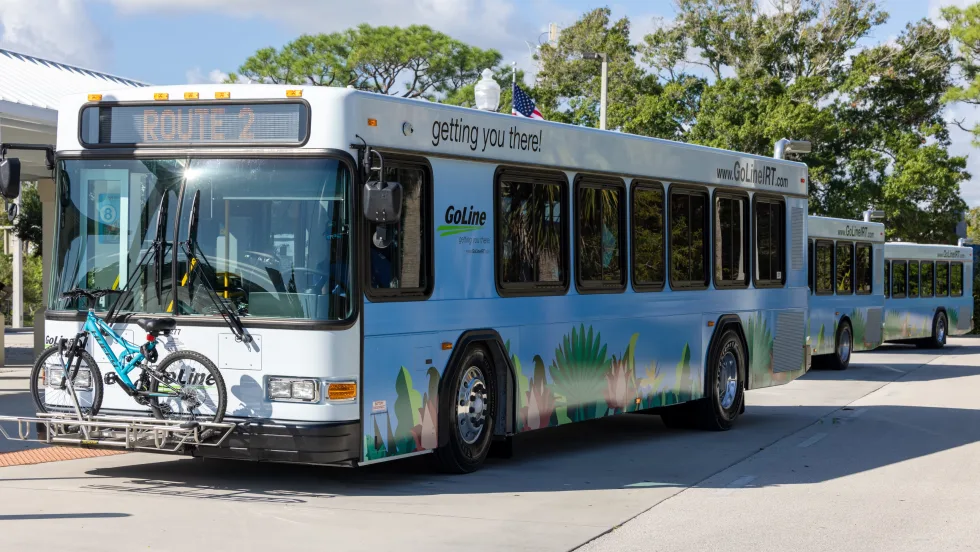
Indian River Transit’s Community-Focused Approach Earns National Recognition
Named APTA’s 2026 Outstanding Public Transportation System in its size category, Florida’s Indian River County transit system continues to grow ridership through fare-free service and a focus on evolving community needs.
Read More →
ENC Lands MATA Contract and More in Biz Briefs
In this edition of Biz Briefs, we spotlight the latest developments shaping the future of mobility.
Read More →From Surviving to Thriving: Building Stronger Transportation Organizations
Bus Business Consultants founder Brian Dickson shares lessons on leadership, organizational health, and creating options for long-term success in a changing transportation industry.
Read More →