



Factors in Creating the Perfect Seat
With the common goal of increasing ridership, transit agencies and bus seating manufacturers are working together to promote a safe, clean and comfortable ride.
People love their cars. With their cozy interiors, temperature-controlled seats, surround-sound audio/video systems and convenient abundance of electronics chargers and cup holders, who would want to ride a bus instead? But transit agencies and OEMs are looking to dispel the misconception of public transportation’s unpleasantries, one seat at a time.
“We‘re finding that people are looking to get away from the traditional designs and looks,“ says Dan Cohen, director of sales and marketing at Freedman Seating. “Those seats are boxy, linear and rectangular. It’s basically the same technology that’s been around for years and years.”
And there is more at stake than simply the happiness of current passengers. Commuter operations must attract new riders as well, which, according to Nan Swanson of American Seating, is a mission statement norm.
“I’ve probably visited 10 transit agencies since December,” says the marketing manager for American Seating’s transportation products group, “and every single one of them mentioned increasing ridership. But you’re only going to increase ridership if the trip is pleasant, safe and comfortable.”
With so many factors to consider, the number of decision makers has increased as well, a movement Cohen likens to the “squeaky-wheel-gets-the-grease” theory.
Keeping an ear on the squeak
The squeaky wheel notion is based on the idea that seating configurations are focused on the group that vocalizes their preferences loudest.
“If the maintenance people are the squeaky wheels, then the focus centers on the needs of the maintenance department,” says Cohen. “It all depends on whom you’re trying to satisfy. Obviously you’re trying to satisfy everyone, but each concern has to be weighed out.”
After all the details are in place, needs are then compared to agency budgets. When shopping around for a manufacturer, pricing takes precedence, followed by other considerations such as the company’s track record and product line.
“Pricing is very much a factor, as these are mostly government bids,” says Raul Aveleyra, export sales manager at Mexico-based Amaya-Astron Seating.
A long-time manufacturer of motorcoach-specific seating, Amaya-Astron recently entered the transit market through a distribution agreement with Freedman Seating. In that short time, however, Aveleyra points out that more input does not necessarily translate into bigger sales for what are considered non-traditional products.
“We have tried to introduce seating innovations, mostly from our European partner Fainsa, in the U.S. and Canadian transit markets,” says Aveleyra. “But we have not had acceptable results.”
Although transit operators are looking to improve the industry’s image, Aveleyra believes that the market is still a conservative one that doesn’t want to veer too far away from the familiar.
Sticking to products that are recognized as having few problems is one way agencies protect themselves from risky ventures. And because seats fill nearly all of a bus’ interior space, it is understandable that operators want to play it safe when making these decisions. But while many will not leapfrog into distinctive designs, they can still take baby steps to remain unique.
Fabric fashion, function
Logo-stitched fabrics are gaining popularity in the transit sector. Although multi-striped, multi-dotted patterns continue to be the standard choice, more agencies are incorporating their trademark symbols instead.
“People are designing their own fabrics and making their buses more individualized,” says Swanson. “Buses are being customized, and it’s wonderful to see that it’s not the same look of fabric or the same dark floor.”
Indeed, stock fabric is hardly where Freedman Seating’s new SYNERGY EH polyester fabric was derived. Unveiled in late February, the Docket 90-compliant material is the first to incorporate features such as moisture repellency, dirt resistance and anti-microbial properties.
“It encompasses pretty much every criteria that people have asked for,” says Cohen.
Vandals beware
Because of its function as a metallic shield, the use of Kevlar beneath seat cushions has become common. Although sharp objects can still penetrate the top layer, Kevlar prevents such cuts from causing serious damage to the cushioning.
Similarly, Amaya-Astron offers a high resilience, polyurethane foam, which carries a type of reflexive memory mechanism. “In the case of a cut, the foam will not open up,” says Aveleyra. “There will be a cut but when you pull the knife out, the foam will return to its original form.”
While fabrics and padding are constantly being improved to thwart slash-happy passengers, seat shells have their own troubles, such as graffiti. To deter this common type of vandalism, modifications such as ink-resistant coating have been applied. Stainless steel is also making an impact.
“The fiberglass shell seat has been dominant in the bus market going back 25 to 30 years,” says Terry Leedy, vice president of sales and marketing for Irwin Transportation Seating. “But the market has started to move away from the traditional fiberglass seat, and that’s a good thing.”
And in dissuading would-be vandals, stainless steel is much easier to maintain. With no paint, scratches can be buffed out and markings wiped off.
“Stainless steel is the biggest deterrent of vandalism,” says Rick Klotz, sales director for the USSC Group. He adds that stainless steel products such as the Aries seat meet standards for minimizing head injuries in crashes.
Crossover appeal
While rail is an entirely different transportation mode, seating factors on railcars are similar to those of buses, say seating manufacturers.
“Light rail vehicles and heavy-duty buses usually involve shorter trips,” Leedy says. “And passenger comfort is always an issue, but most passengers are not in the seats long enough to justify a fully cushioned seat.”
Irwin Seating, in fact, has three primary models to fill both the light rail and heavy-duty bus niche. The seats use stainless steel or fiberglass shells.
“Public transportation has really taken on a different persona,” says Swanson. “The multiplicity of city growth, different kinds of riderships and routes extending much further out are all factors.”
More Management
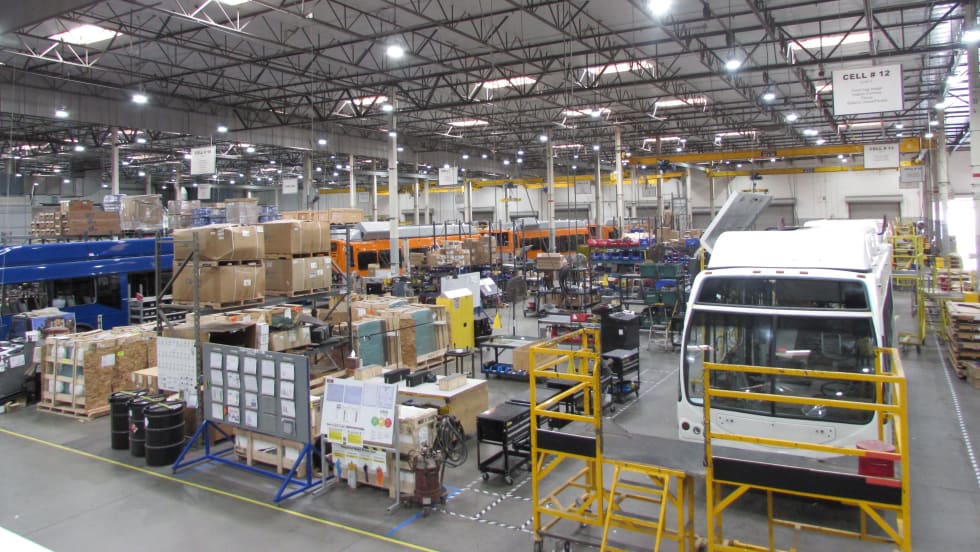
LA Metro Board Awards 220 Battery-Electric Bus Contract to ENC
The contract, which is the largest base award of battery-electric buses by a U.S. transit agency, will be built in Southern California, sustaining good jobs as LA prepares to welcome the world in 2028
Read More →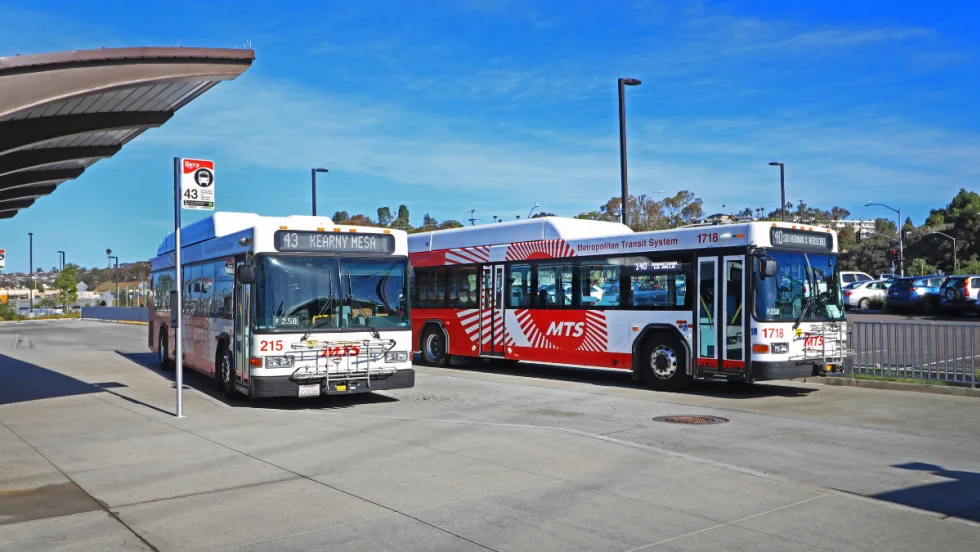
What’s Behind San Diego MTS’s Award-Winning Transit Strategy
Named one of APTA’s 2026 Outstanding Public Transportation Systems with 50 million or more annual passenger trips, California’s San Diego Metropolitan Transit System points to gains in ridership, safety, technology, and reliability as foundations of its success.
Read More →
Public Transit Conference Returning to GFX in 2027, Call for Papers Now Open
The Call for Papers is now open, allowing transit agency professionals and industry experts to help shape the PTC educational program by submitting session ideas for consideration.
Read More →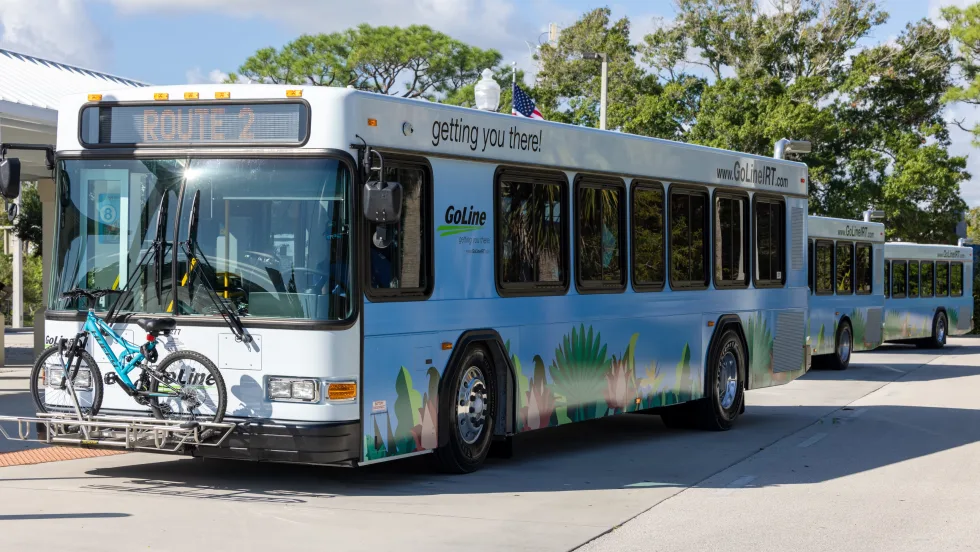
Indian River Transit’s Community-Focused Approach Earns National Recognition
Named APTA’s 2026 Outstanding Public Transportation System in its size category, Florida’s Indian River County transit system continues to grow ridership through fare-free service and a focus on evolving community needs.
Read More →
ENC Lands MATA Contract and More in Biz Briefs
In this edition of Biz Briefs, we spotlight the latest developments shaping the future of mobility.
Read More →
From Surviving to Thriving: Building Stronger Transportation Organizations
Bus Business Consultants founder Brian Dickson shares lessons on leadership, organizational health, and creating options for long-term success in a changing transportation industry.
Read More →
Everett Transit, Community Transit Outline Consolidation Agreement
The proposed agreement calls for a 50% increase in bus service in Everett, a new microtransit zone, continued paratransit service, and the transfer of Everett Transit operations to Community Transit.
Read More →
Strada360’s Steve Lassey on Turning Transit Data Into Better Decisions
From breaking down data silos to preparing for AI, Strada360 CEO Steve Lassey discusses how transit agencies can use technology to improve operations, customer information, and long-term decision-making.
Read More →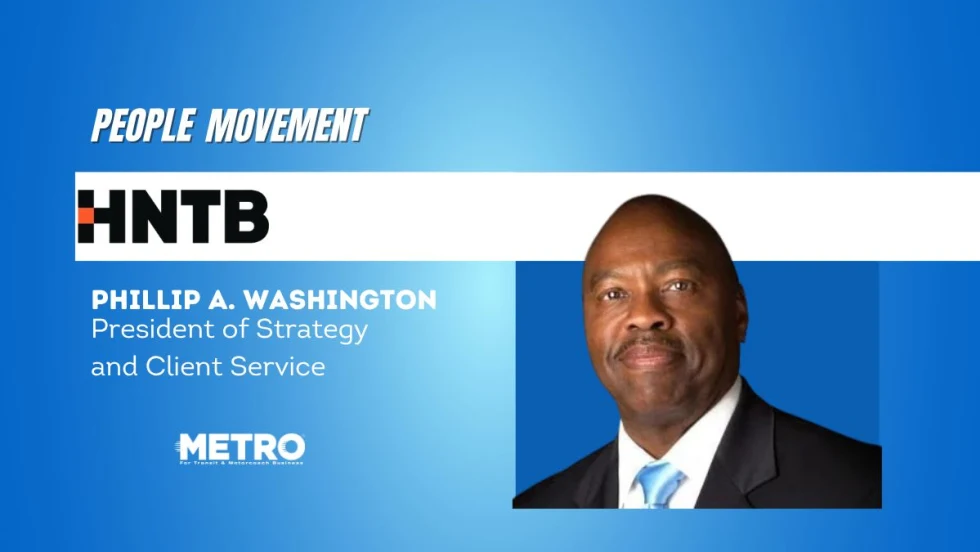
People Movement: Phil Washington Joins HNTB, Denver RTD Launches CEO Search, and More
In this edition, we also spotlight recent personnel moves at STV, the Eno Center for Transportation, and more, highlighting the people taking on new roles across the transportation industry.
Read More →
SEPTA Details Accelerate Vision for Transit System
The plan outlines investments in trolley modernization, new Metro and Regional Rail vehicles, accessible stations, and more frequent bus and rail service.
Read More →