



Finally found what he was looking for
I had lunch with him nearly every weekday for five years. We talked about the weather, the incivilities of the workplace, the small dramas of our personal lives.
I had lunch with him nearly every weekday for five years. We talked about the weather, the incivilities of the workplace, the small dramas of our personal lives. We had about a dozen restaurants that we frequented, rarely selecting a destination before leaving the parking lot. "Just drive in that direction, we'll find something," he'd say. We always did. The food was usually good; the company was better. Lenny Levine, longtime staff editor at METRO, died on May 1, more than a year after undergoing surgery for brain cancer. For several months after the operation there was measured optimism. But when the cancer reasserted itself earlier this year, it did so swiftly and powerfully. Despite illness, no retreat Throughout his illness, Lenny displayed exceptional courage and humor. I never heard him complain about his predicament, except to rail about the frequency of his treatments and his disputes with medical insurers. Facing his own mortality seemed to be no more intimidating to him than facing another METRO deadline. To know Lenny was not necessarily to love him. He could be irascible and cantankerous. He rarely offered a gentle truth. Unlike most of us, Lenny was bold in his honesty. But underneath his flinty exterior was a truly funny, surprisingly humane and uncommonly decent human being. To know him well, yes, was to love him. Lenny joined Bobit Publishing in 1989 as an associate editor for METRO. His travels in the world of journalism had already taken him to newspapers in Worcester, Mass.; Monterey, Calif.; and Thousand Oaks, Calif. METRO, as it turned out, was his final destination. During his career, Lenny won several writing awards, including a nomination for a Pulitzer Prize, but he had wanted more. His dream was to write about tennis. At one of his early newspaper jobs, he wrote a weekly tennis column on the side. His forays into the field provided him with the opportunity to interview the likes of Martina Navratilova, Tony Roche and Roy Emerson. He regretted not pursuing a full-time position as a tennis writer. He was a serious player, too. We played together as a doubles team for several years and probably did better than we could have expected. Past his prime by then, Lenny compensated for his loss of speed and agility with rock-solid, uh, gamesmanship. Like many Southern Californians, he wanted to move away from the city. Torrance, where Bobit Publishing is headquartered, is a beehive suburb of Los Angeles, with all of the attendant traffic, residential density and anonymity. Lenny wanted a simpler life, preferably hundreds of miles away from the masses. The enemy returns A few months after his cancer surgery, Lenny and his wife, Elaine, and their two children moved to Hemet, a small farming community in the high desert about 100 miles from Torrance. They bought a comfortable house in a nice neighborhood. Lenny had his own study, with desk and computer and photos everywhere, cheerful reminders of his past, including his duty in Vietnam in the mid '60s. Lenny planned to build a pond in the back yard and yearned to go fishing in nearby lakes and streams with a recently refurbished fly rod. He finally had found the peace that he was seeking. But the cancer returned. Believing that he might have less than a year left to live, he invited his friends to visit and rekindle shared memories. Just a few weeks later, he died quietly and peacefully in his bed. METRO has lost one of its finest editors. Lenny was a true original, and I was honored to be his friend and colleague.
More Management

Bus Tech Talk: Keeping Transit Technicians Ahead of the Technology Curve
In this episode of Bus Tech Talk, Complete Coach Works’ Business Development Manager Mark Hollenbeck and METRO’s Executive Editor Alex Roman sit down with Obed Mejia, Senior Technical Trainer for Bus Maintenance, at LA Metro to discuss how rapidly evolving bus technology is changing the maintenance shop — and the skills technicians need to keep pace.
Read More →
Michael Schneider Joins Paslay Group to Expand Transportation Practice
The longtime transportation executive will help Paslay Group grow its advisory and program management work across transit, highway, and other infrastructure sectors.
Read More →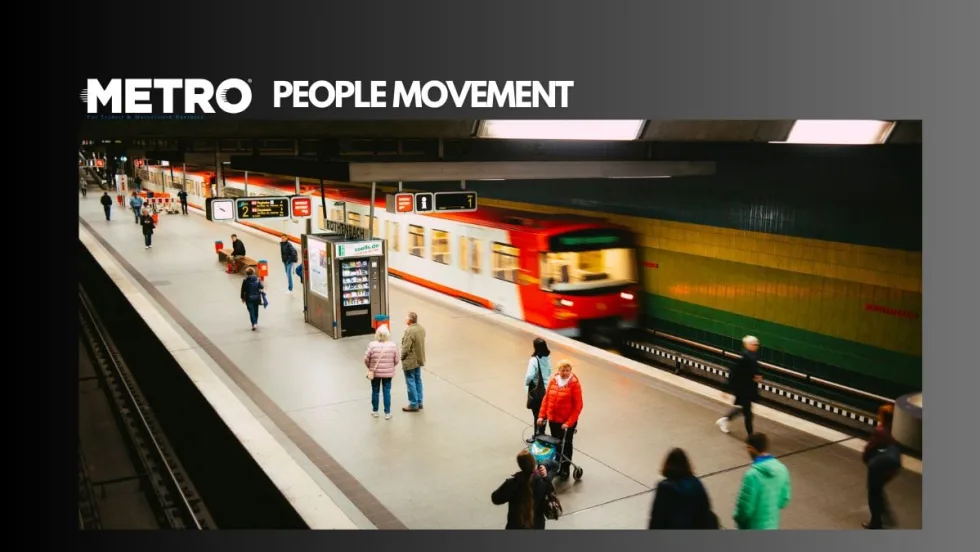
People Movement: Connectpoint Expands Leadership Team, Stadler Names New Group CEO, and More
In this edition, we also spotlight recent personnel moves at Burns, UZURV, and more, highlighting the people taking on new roles across the transportation industry.
Read More →
More Than a Summer Job: Building the Next Generation of Transit Talent
The Delaware River Port Authority and PATCO have transformed their internship program into a hands-on professional development experience that introduces students to the breadth of transportation careers — and creates a pipeline for future employees.
Read More →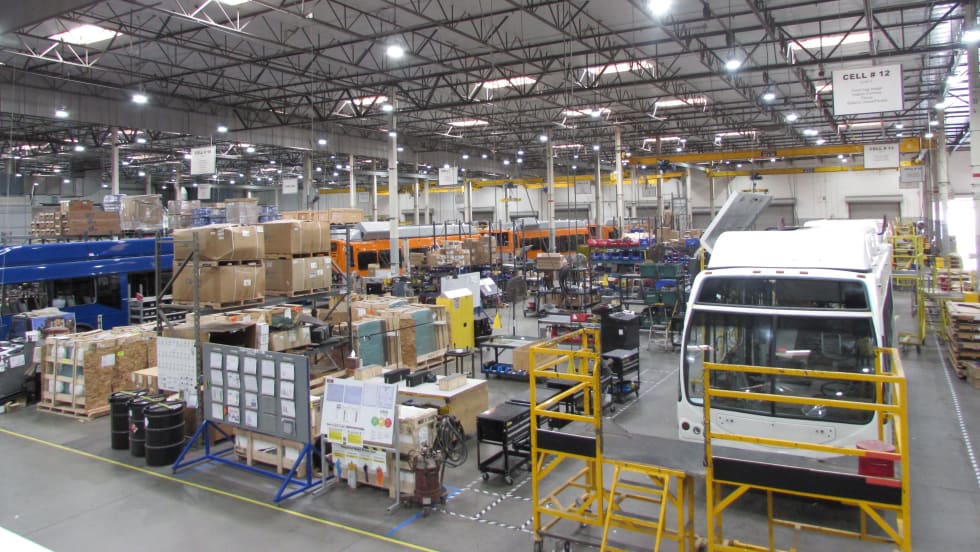
LA Metro Board Awards 220 Battery-Electric Bus Contract to ENC
The contract, which is the largest base award of battery-electric buses by a U.S. transit agency, will be built in Southern California, sustaining good jobs as LA prepares to welcome the world in 2028
Read More →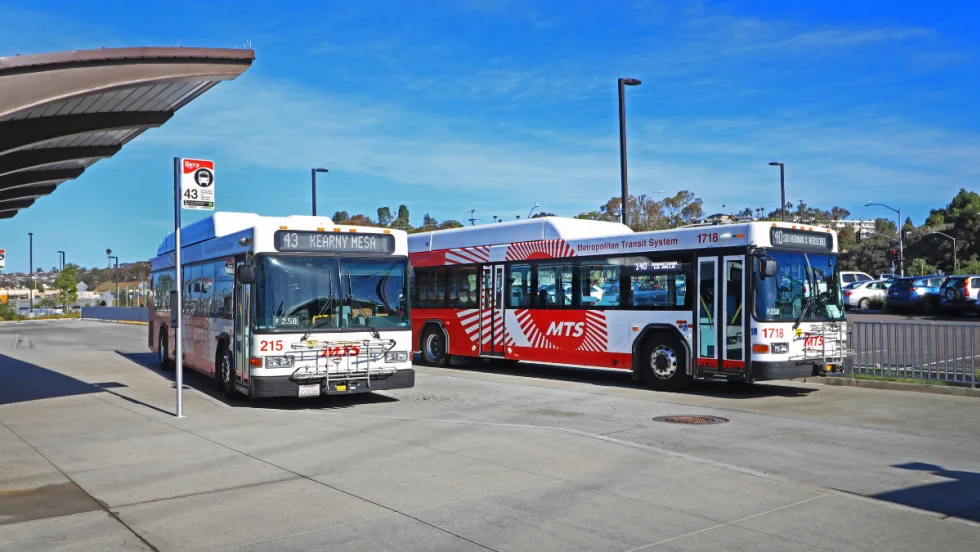
What’s Behind San Diego MTS’s Award-Winning Transit Strategy
Named one of APTA’s 2026 Outstanding Public Transportation Systems with 50 million or more annual passenger trips, California’s San Diego Metropolitan Transit System points to gains in ridership, safety, technology, and reliability as foundations of its success.
Read More →
Public Transit Conference Returning to GFX in 2027, Call for Papers Now Open
The Call for Papers is now open, allowing transit agency professionals and industry experts to help shape the PTC educational program by submitting session ideas for consideration.
Read More →
Indian River Transit’s Community-Focused Approach Earns National Recognition
Named APTA’s 2026 Outstanding Public Transportation System in its size category, Florida’s Indian River County transit system continues to grow ridership through fare-free service and a focus on evolving community needs.
Read More →
ENC Lands MATA Contract and More in Biz Briefs
In this edition of Biz Briefs, we spotlight the latest developments shaping the future of mobility.
Read More →From Surviving to Thriving: Building Stronger Transportation Organizations
Bus Business Consultants founder Brian Dickson shares lessons on leadership, organizational health, and creating options for long-term success in a changing transportation industry.
Read More →