



Follow the money
Now's a great time to look for more funding on federal, state and local levels.
Though still young, 2006 holds great promise for public transportation. With SAFETEA-LU’s belated approval last year — and its guarantee of $52.6 billion in transit funding — the industry can rest assured that federal dollars are available for qualified transit projects (barring any shifts of funding due to hurricane-related budget items).
And there’s no doubt that the transit industry — especially its rolling stock manufacturers and suppliers — needs an infusion of cash.
The economic slowdown of the past several years has placed a tremendous strain on the resources of the supplier community, even forcing one bus manufacturer to close its doors recently. Railcar manufacturers are also straining to keep their collective heads above water.
Invest wisely — and soon
Transit properties that are now in position to procure new buses or railcars are encouraged to take the initiative. Manufacturers are sorely in need of new business to keep their assembly lines moving and their workforces employed. When we talk about the transit industry contributing to the nation’s prosperity, we need to remember that industry suppliers are key contributors to the economy’s overall health.
Having spoken earlier of the federal dollars available for transit funding, I would be remiss if I didn’t emphasize that the federal investment is only one part of a larger whole. The necessary matching dollars from local and state funding sources are the other part of the equation. And here is where, in many cases, transit systems need to push harder than ever.
Many transit properties are seeing their capital projects delayed by an inability to come up with local matching funds to the federal dollars.
That’s why it’s imperative that transit agencies pursue every opportunity to fill their coffers with local funding. Now is a great time to make that your top priority, especially since local and state governments are regaining their budget footing after years of backsliding.
Options for your consideration
Relying on the traditional sources of local and state funding isn’t enough, however. Here are a few other ideas that you should consider:
Don’t forget how successful transit-related ballot initiatives were in 2004. About 80% of the measures were approved. In all, voters approved $55 billion in transportation referenda, of which $22 billion goes directly to transit. These recent successes at the ballot box signal greater local support for transportation projects. If applicable, take advantage of this trend by considering a transit referendum in your own backyard.
Consider public-private strategies to help stretch your local match. For example, you might want to look into installment financing or leasing for procurement of rolling stock. Payments can be applied as capital-eligible expenses. Transit systems with cash-flow limitations might want to consider this option.
Also, squeeze every possible dollar from ancillary revenue streams. Offering sponsorship and naming rights to rail stations has generated significant amounts of funding for some properties. Even small things like cart concessions at BRT and rail stations can generate a meaningful revenue stream. One of the key benefits is that this ancillary revenue can be counted as local match funds.
Finally, use the supply community as a resource. As you probably know, the business arm of the transit industry has a tremendous knowledge base and intimate understanding of funding issues and mechanisms. And, as I’ve already mentioned, they’re hungry for business and will be highly motivated to provide you with funding solutions.
More Management

ENC Lands MATA Contract and More in Biz Briefs
In this edition of Biz Briefs, we spotlight the latest developments shaping the future of mobility.
Read More →
From Surviving to Thriving: Building Stronger Transportation Organizations
Bus Business Consultants founder Brian Dickson shares lessons on leadership, organizational health, and creating options for long-term success in a changing transportation industry.
Read More →
Everett Transit, Community Transit Outline Consolidation Agreement
The proposed agreement calls for a 50% increase in bus service in Everett, a new microtransit zone, continued paratransit service, and the transfer of Everett Transit operations to Community Transit.
Read More →

Strada360’s Steve Lassey on Turning Transit Data Into Better Decisions
From breaking down data silos to preparing for AI, Strada360 CEO Steve Lassey discusses how transit agencies can use technology to improve operations, customer information, and long-term decision-making.
Read More →
People Movement: Phil Washington Joins HNTB, Denver RTD Launches CEO Search, and More
In this edition, we also spotlight recent personnel moves at STV, the Eno Center for Transportation, and more, highlighting the people taking on new roles across the transportation industry.
Read More →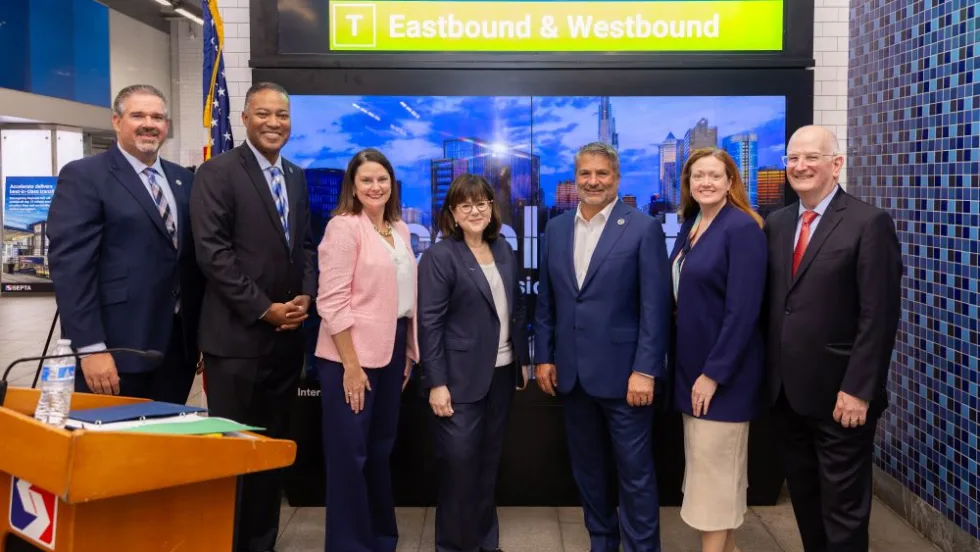
SEPTA Details Accelerate Vision for Transit System
The plan outlines investments in trolley modernization, new Metro and Regional Rail vehicles, accessible stations, and more frequent bus and rail service.
Read More →
FTA Ends Direct Oversight of MBTA Safety Actions
The federal agency closed its remaining special directive to the Massachusetts Department of Public Utilities following a safety review that began in 2022.
Read More →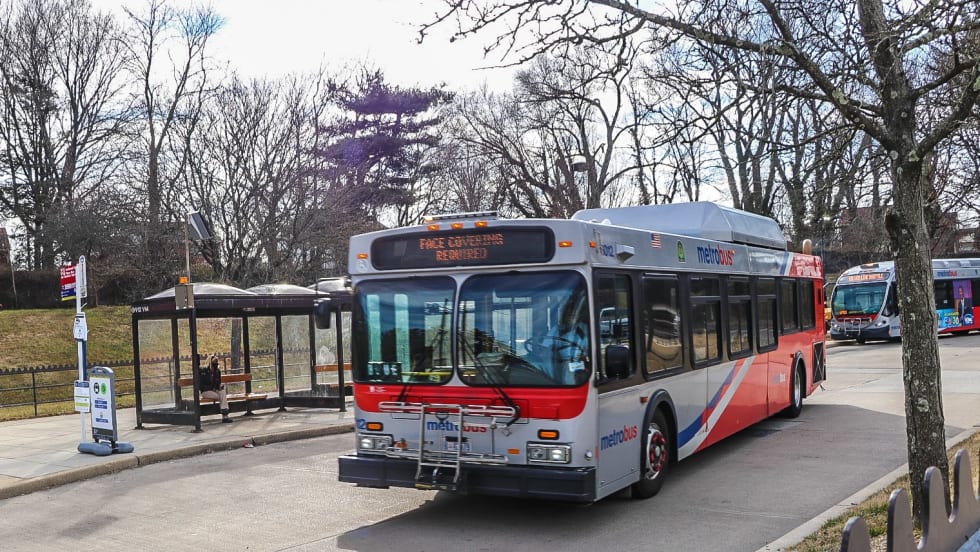
Report: Transit Bus Manufacturing Supports 34,100 Jobs, $5.1B in GDP
The “Buses Mean Business” report examines the transit bus manufacturing industry’s economic footprint, supply chain, and rising demand for vehicle replacements.
Read More →
LIT Marks 10-Year Milestone at Annual Summit
Hosted by the COTA from September 10 to 13, the Summit carried the theme “Celebrating 10 Years of Excellence, Leadership, and Impact,” with every part of the program honoring the people, agencies, and partners who built LIT over its first decade.
Read More →
People Movement: Dan Dipert Coaches Adds Third-Generation Leader, Keolis Names New Valley Metro VP/GM, and More
In this edition, we also cover recent appointments and announcements at the Wabtec, SilverRide, HNTB, and more, showcasing the individuals helping to shape the future of transportation.
Read More →