



From Buggies to Buses in 4 Generations
Active since the turn of the 20th Century, the Cyr family tradition of providing qualitycoach services is alive and kicking today at Cyr Bus Lines. Principles developed by founder Joh T. Cyr, often called the father of the American school bus, are still applied today.
A century ago, horse-drawn carriages bounced along the rocky roads of Old Town, Maine, whirling up the dust of an early period in coach transportation. Among them were John T. Cyr’s horses and buggies, laying the groundwork for what would become one of the premier motorcoach charter operations on the East Coast. “I had a lady once tell me that in 1922 she rode a school bus, which was a Studebaker car at the time,” says Joseph Cyr, president of Cyr Bus Lines and grandson of the late John T. Cyr. “So by then, I presume that they were into vehicles with motors.” Cyr Bus Lines has come a long way since the horse-and-buggy era. The business that officially began in 1912 has over the years grown into a full-service company and tour operation, and through a lot of hard work and dedication earned the 2004 METRO magazine Operator of the Year Award. Continuing tradition Joseph Cyr began working for his father by washing buses when he was 10 years old. “We had taxicabs and trucks that we hauled local delivery in the area here, and as a young fellow I worked Saturdays and sometimes after school and in the summer doing that,” he says. At the age of 15, Joe was driving school buses and after spending a couple of years in college, he took over as a secretary and payroll clerk in the early 1960s. When his father passed away in 1967, Joe took over the company and has been president ever since. “I’m proud of my equipment; I’m proud of what we’ve done, and I guess that’s why I like it,” he says. “It’s the only thing I know. It’s all I’ve ever done. I have days when it’s 20 below zero and something freezes up, then I don’t like it. But you got to have a little bad to go with the good.” Continuing the family tradition, Cyr Bus Lines is now in its fourth generation, with Joseph’s son Mike working as motorcoach manager. Mike says he enjoys his work because it keeps him busy and he likes the fact that it’s a family business. “[The motorcoach business] is different from the school bus business,” Mike says. “it’s always changing. You talk to a lot of different people from a lot of places. That’s pretty interesting.” Variety is the key Today, Cyr Bus Lines’ fleet consists of modern school buses and deluxe motorcoaches, offering multi-day or one-day trips to anywhere in the United States and Canada. Operating out of the central part of Maine, Cyr Bus Lines runs more than 200 motorcoaches, school buses, vans and minibuses. Cyr Bus Lines has been providing school bus transportation throughout the state of Maine for more than 80 years and has school bus contracts with seven different towns. “We’ve been in the school business longer than in the coach business, and that’s how we got started,” Joe says. In 1976, Joe expanded the company, starting his ascent into the motorcoach business. In 2003, Cyr Bus Lines bought 10 new Setra bus models and a new one from Motor Coach Industries (MCI), and in December 2003, acquired MaineLine, a tour and bus charter operation out of South Portland, Maine. “We are working in the southern part of the state to build the tour business back that has been going downhill over the past couple of years with the company that we bought out, and we are trying to resurrect that to some extent,” Joe says. Aside from running his company, Joe also finds time to participate in industry organizations such as the American Bus Association (ABA). “He’s been very active with the ABA,” says Pete Pantuso, president and CEO of ABA. “[Joe] is on our board, involved in committees and involved as a member of our executive committee. Everybody who knows the company is very fond of the way they do business, and I think they are a good model for the industry.” A recipe for success The secret for having a successful motorcoach business is, as Joe puts it, “a lot of hard work and a lot of hours for management. To be a successful small motorcoach operator, you still have to be around and be in the shop. Up here in Maine where there are not a lot of people, we have to have repeat service.” Another recipe for the company’s success, which he says isn’t quite a secret anymore, are the unique and colorful designs of his coaches. “I think that’s part of our advertising program so to speak,” Joe says. “We paint our coaches different colors and paint schemes so that people recognize us.” A little more than a year ago, Joe installed GPS systems in his coaches, equipping them with the latest computer and satellite tracking systems. “It shows us where the driver’s been, where he stopped, how fast he’s going and the mileage for each state,” he says. Although Joe uses the latest in equipment and technology for his buses, he doesn’t trust computers to accurately calculate the annual mileage of the company, which is about 3.5 million. ÒI still do that long hand,” Joe says. “That’s one of my yearly functions. I have a chart with a starting and ending mileage and I do it on my calculator. I trust [computers] for adding and subtracting, but they have to have the right information put into them and that’s the problem.” Joe also emphasizes that good drivers are essential to a company’s success and that’s why it is important to him to know his coach drivers” personalities. “A lot of our drivers came up through the school bus ranks, so we’ve known them for a period of time,” he says. “We know their capabilities, know their personalities.” A positive attitude For now, the father and son team is concentrating on getting the new facility in South Portland going, and their outlook on the company’s future remains optimistic. “I think business is going to start to come back,” Joe says. “Where I’m worried is that we are not going to have enough equipment to do the work that’s going to be out there in the Portland area, so we are looking for more equipment. Because of fuel costs and insurance costs, it’s harder to make a living. The only way you can do that is to do more business, and that’s what we are concentrating on.” Mike says it is important to continue to keep up the spirit of the family business. “We will continue what we’ve done up in central Maine down in southern Maine,” he adds. “I think we do things a little different up here and we want to move that philosophy south in our South Portland operation and get them to work like a family business.”
More Management
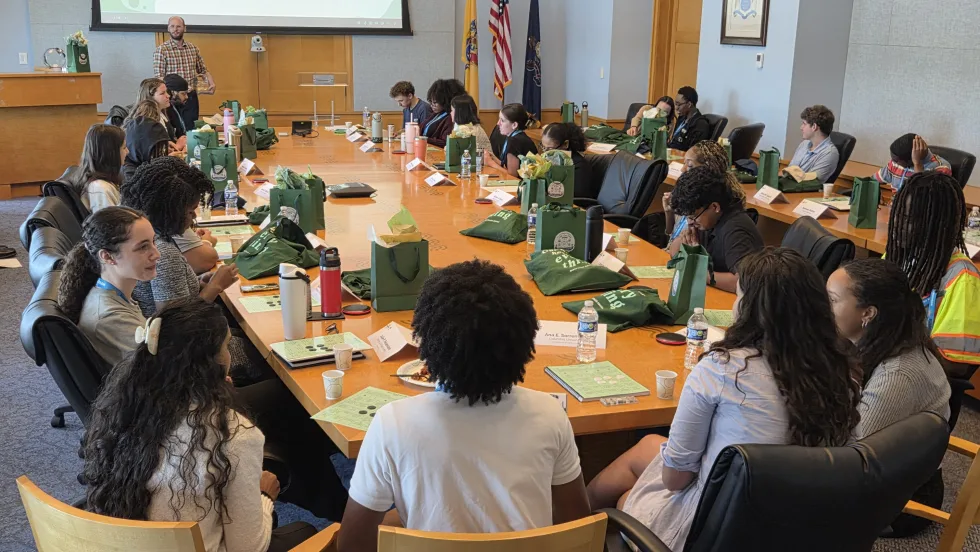
7 Ways to Build a Better Transit Internship
Lessons from DRPA/PATCO’s approach to creating a meaningful internship experience—and developing the next generation of transportation professionals.
Read More →
Scenes from APTA TRANSform & EXPO 2026
Transit leaders, manufacturers, and industry professionals gathered in Chicago to explore new technologies, share ideas, and discuss the future of public transportation.
Read More →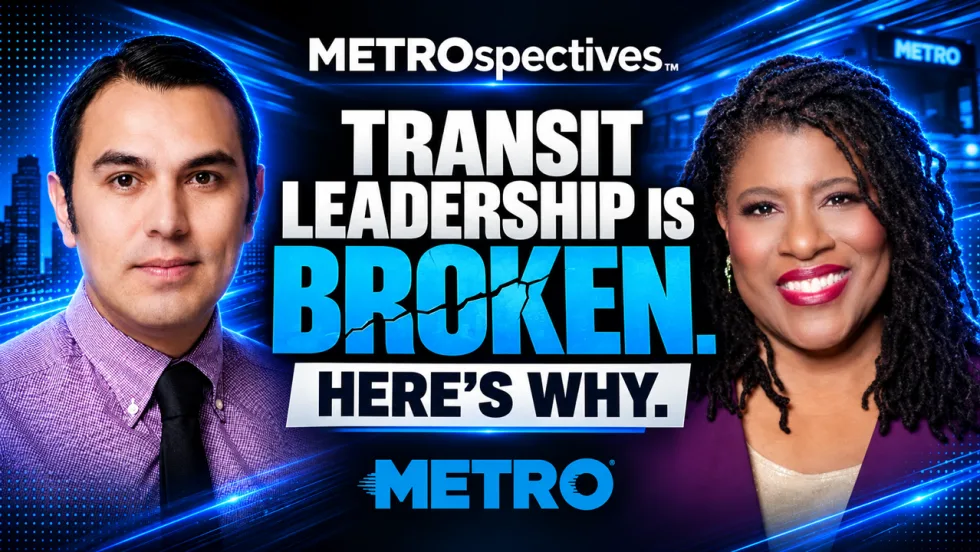
Building Stronger Leaders, More Resilient Transit Teams
Dr. Carol Parker Walsh discusses leadership development, employee retention, workplace culture, and preparing transit’s workforce for AI and automation.
Read More →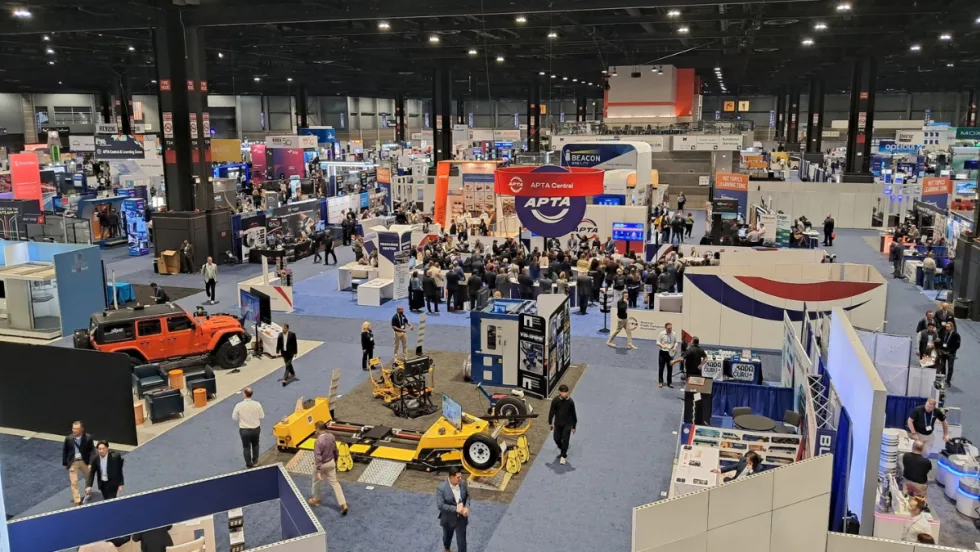
APTA 2026 TRANSform & EXPO Kicks Off in Chicago
After 45 years, APTA returns to Chicago with a focus on next-generation fleets, AI, connected transit networks, and the funding strategies shaping public transportation’s future.
Read More →
New York MTA Warns Federal Tariffs Could Add $1 Billion to Rolling Stock Costs
The agency said tariffs on specialized imported components could reduce the purchasing power of its $23 billion investment in new subway cars, railcars, and buses.
Read More →
From the Show Floor: What Happened at APTA TRANSform & EXPO 2026
See the latest product launches, partnerships, technology updates, and transit industry announcements from APTA TRANSform & EXPO in Chicago.
Read More →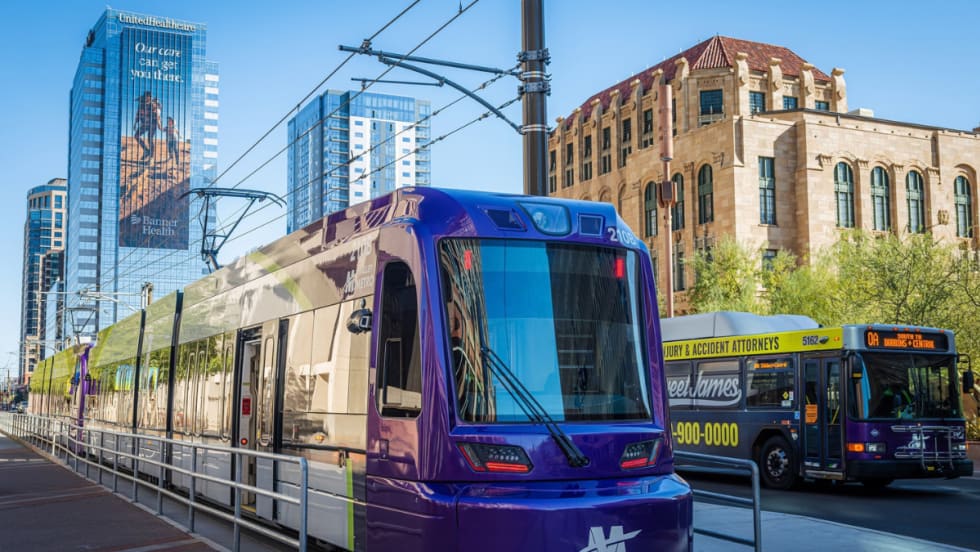
How Valley Metro Is Balancing Transit Growth With the Rider Experience
The APTA award-winning agency is pairing rapid system expansion with investments in workforce, safety, technology, and the fundamentals of transit service.
Read More →
Bus Tech Talk: Keeping Transit Technicians Ahead of the Technology Curve
In this episode of Bus Tech Talk, Complete Coach Works’ Business Development Manager Mark Hollenbeck and METRO’s Executive Editor Alex Roman sit down with Obed Mejia, Senior Technical Trainer for Bus Maintenance, at LA Metro to discuss how rapidly evolving bus technology is changing the maintenance shop — and the skills technicians need to keep pace.
Read More →
Michael Schneider Joins Paslay Group to Expand Transportation Practice
The longtime transportation executive will help Paslay Group grow its advisory and program management work across transit, highway, and other infrastructure sectors.
Read More →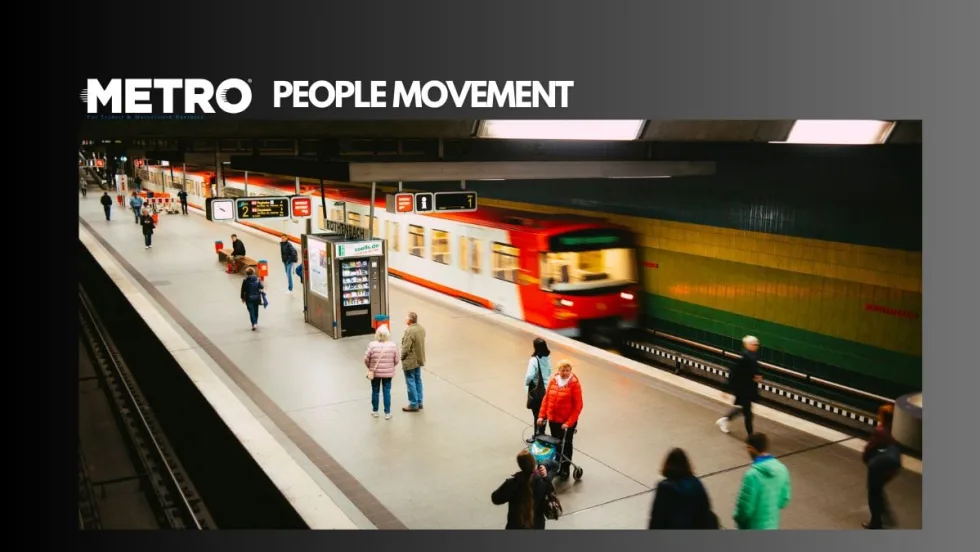
People Movement: Connectpoint Expands Leadership Team, Stadler Names New Group CEO, and More
In this edition, we also spotlight recent personnel moves at Burns, UZURV, and more, highlighting the people taking on new roles across the transportation industry.
Read More →