



Future bright for LED systems
Although LEDs are fairly new to the truck and transit industries, they have been used in the automotive industry for several years.
Although LEDs are fairly new to the truck and transit industries, they have been used in the automotive industry for several years, mainly in instrument panels. The more electronic control that is used in a vehicle, the greater the need for low-voltage systems. In the transit industry, coach charging systems are used to capacity, and the introduction of LEDs in instrument panels, indicator panels (light bars), tail lights, side marker lights, multiplexing modules and interior floor lighting greatly reduces the load on the charging system. The benefits of LEDs LEDs are light emitting diodes. These are semiconductor lamps that operate on very low voltage and generate very little heat. Most LEDs operate on 10 to 20 milliamperes of current. Since one milliampere is one-thousandth of an ampere, there is almost no heat generated by the LED. At this low amperage, the life of the LED is much greater than its incandescent counterpart. Side marker lights on transit coaches have eight LEDs with diodes and resistors mounted on a circuit board. Stop and tail lights have 61 LEDs with diodes and resistors mounted on a circuit board. The circuit boards are configured in a parallel design so that if any LED fails, the remaining lights on the board will still work. If they were configured in a series design and any LED failed, all LEDs after the failed LED would not work. LEDs also have the benefit of nearly instantaneous response, especially helpful with brake lights. This can reduce the number of accidents in which the bus is rear-ended because it gives a trailing motorist a fraction of a second more time to respond to the brake lights. Although some LED lighting can be repaired, lights used on the outside of the coach cannot. These lights are mounted in a waterproof case that is destroyed when taking circuit boards out. I researched this myself by taking one apart and repairing it. The light worked, but I could not waterproof the case, and we all know what water and moisture do to electronic equipment. It’s cheaper and makes more sense to replace burned out lights with new ones. No problems reported At the Transit Authority of River City in Louisville, Ky., we use LED lighting manufactured by Dialight Corp. They are installed at the Gillig Corp. when the coaches are built. We now have LED lighting on 152 coaches and have had no problems with them. It probably costs a little more initially to have the LED lighting installed, but the rewards far outweigh the cost. If you’ve got a question for me, send it via e-mail to info@metro-magazine.com.
More Management

Bus Tech Talk: Keeping Transit Technicians Ahead of the Technology Curve
In this episode of Bus Tech Talk, Complete Coach Works’ Business Development Manager Mark Hollenbeck and METRO’s Executive Editor Alex Roman sit down with Obed Mejia, Senior Technical Trainer for Bus Maintenance, at LA Metro to discuss how rapidly evolving bus technology is changing the maintenance shop — and the skills technicians need to keep pace.
Read More →
Michael Schneider Joins Paslay Group to Expand Transportation Practice
The longtime transportation executive will help Paslay Group grow its advisory and program management work across transit, highway, and other infrastructure sectors.
Read More →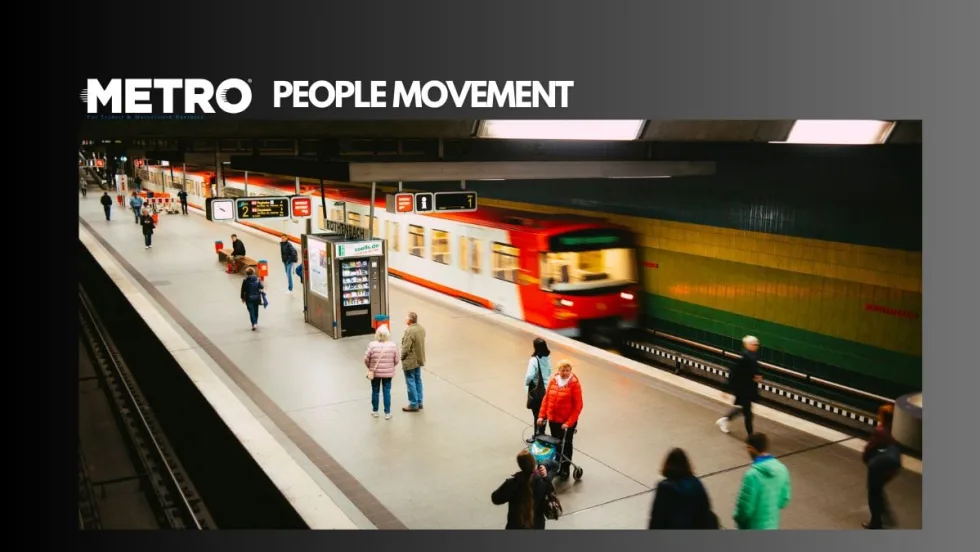
People Movement: Connectpoint Expands Leadership Team, Stadler Names New Group CEO, and More
In this edition, we also spotlight recent personnel moves at Burns, UZURV, and more, highlighting the people taking on new roles across the transportation industry.
Read More →
More Than a Summer Job: Building the Next Generation of Transit Talent
The Delaware River Port Authority and PATCO have transformed their internship program into a hands-on professional development experience that introduces students to the breadth of transportation careers — and creates a pipeline for future employees.
Read More →
LA Metro Board Awards 220 Battery-Electric Bus Contract to ENC
The contract, which is the largest base award of battery-electric buses by a U.S. transit agency, will be built in Southern California, sustaining good jobs as LA prepares to welcome the world in 2028
Read More →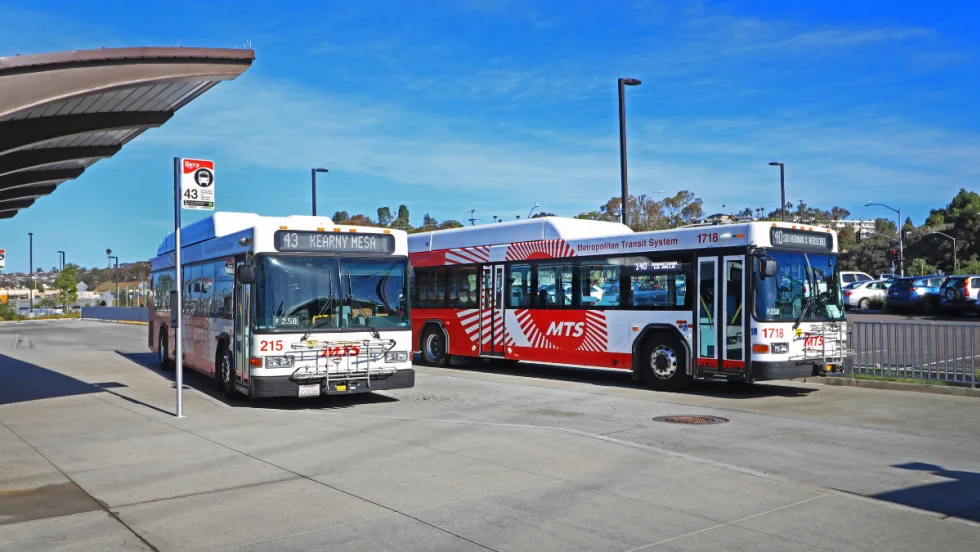
What’s Behind San Diego MTS’s Award-Winning Transit Strategy
Named one of APTA’s 2026 Outstanding Public Transportation Systems with 50 million or more annual passenger trips, California’s San Diego Metropolitan Transit System points to gains in ridership, safety, technology, and reliability as foundations of its success.
Read More →
Public Transit Conference Returning to GFX in 2027, Call for Papers Now Open
The Call for Papers is now open, allowing transit agency professionals and industry experts to help shape the PTC educational program by submitting session ideas for consideration.
Read More →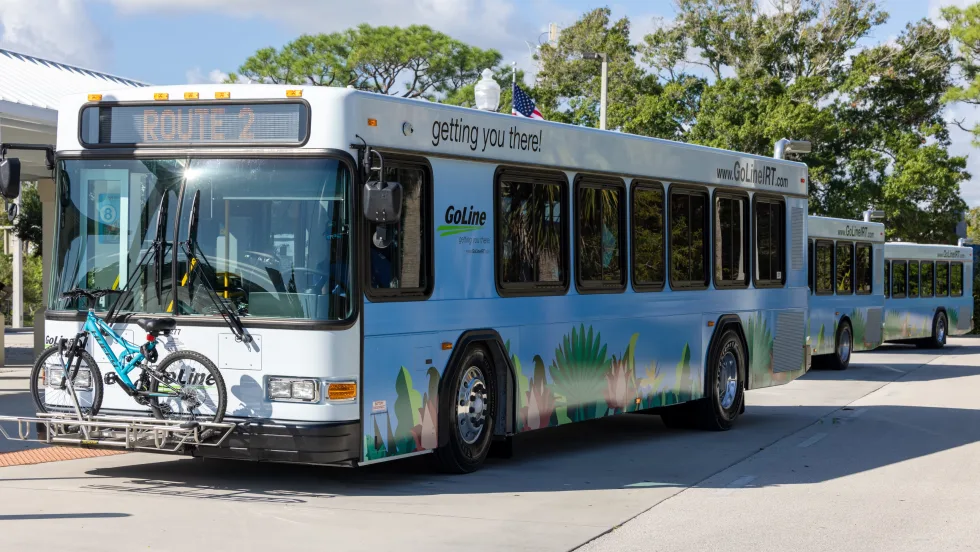
Indian River Transit’s Community-Focused Approach Earns National Recognition
Named APTA’s 2026 Outstanding Public Transportation System in its size category, Florida’s Indian River County transit system continues to grow ridership through fare-free service and a focus on evolving community needs.
Read More →
ENC Lands MATA Contract and More in Biz Briefs
In this edition of Biz Briefs, we spotlight the latest developments shaping the future of mobility.
Read More →From Surviving to Thriving: Building Stronger Transportation Organizations
Bus Business Consultants founder Brian Dickson shares lessons on leadership, organizational health, and creating options for long-term success in a changing transportation industry.
Read More →