



FY 2004 DOT budget requests $54.3 billion, a 6% hike over 2003
A total of $14.4 billion targets transportation safety, a top priority for the DOT.

The U.S. Department of Transportation (DOT) in February released its proposed FY 2004 budget, requesting $54.3 billion — a 6% increase over President Bush’s 2003 request. A total of $14.4 billion targets transportation safety, a top priority for the DOT. “During the past year, we at DOT have been hard at work creating a safer, simpler and smarter national transportation system for all Americans,” said U.S. Secretary of Transportation Norman Y. Mineta in a statement. Highlights of the budget proposal include $7.2 billion for the Federal Transit Administration to maintain U.S. transit systems. In addition, the 2004 budget funds 26 new starts projects, with $1.5 billion requested. The request reflects a proposed expansion of the new starts program to make new non-fixed guideway transportation corridor projects eligible for funding and to encourage project sponsors to consider more cost-effective transit options that may not require a fixed guideway. Other highlights include an increase to $29.3 billion for highway construction, 6% more than in 2003. The Federal Railroad Administration was allotted $189 million aimed at enhancing safety, while the Federal Motor Carrier Safety Administration and the National Highway Traffic Safety Administration were given $447 million and $665 million, respectively. Bush’s budget includes $900 million for Amtrak, a level designed to encourage Amtrak to adopt reforms that will strengthen its business operations and financial footing, according to Michael P. Jackson, deputy secretary of transportation. “Amtrak faces severe and persistent financial challenges,” Jackson said. The proposed level is less than the $1.2 billion Amtrak President David Gunn has said the railroad needs to keep running. In a statement responding to the budget proposals, both Gunn and Amtrak Chairman John Robert Smith said the railroad had undertaken significant reforms to improve its cost-efficiency in the past year. That includes a reorganization eliminating more than 500 positions, adjustments to routes and schedules and withdrawal from a money-losing express business. “These reforms show clearly that Amtrak’s administration is not conducting business as usual,” the statement said. “Until Congress and other policymakers determine otherwise, as mandated by law, we will continue to operate this system as efficiently and cost-effectively as possible.” John Horsely, executive director of the American Association of State Highway and Transportation Officials (AASHTO), said $35 billion in federal funding annually is needed just to maintain the current system, about $6 billion more than the Bush Administration proposed. “That is why AASHTO has called for Congress to ramp up federal highway spending over six years from $34 billion to at least $45 billion, and to increase transit spending from $7.5 billion to at least $11 billion annually,” he said. “Starting with this budget proposal, we hope we can work with Congress to do even more to attain that $34 billion objective in FY 2004.” The American Public Transportation Association’s (APTA) response to the budget proposals noted the lack of increase in federal public transportation investment. “Freezing the investment in public transportation at current levels will hinder economic growth,” APTA President Bill Millar said in a statement. Millar also stated that an increased investment in public transportation’s infrastructure would advance the president’s goal of improving the environment and reducing dependence on foreign oil. “APTA also believes that the current 80% match for both highways and public transit projects should be retained and not decreased to 50% for new starts projects,” Millar said.
More Management
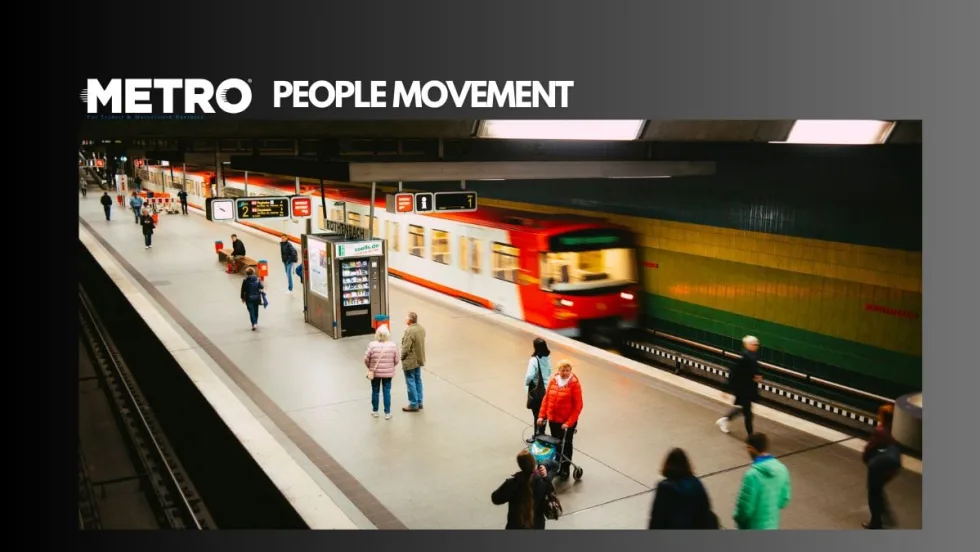
People Movement: Connectpoint Expands Leadership Team, Stadler Names New Group CEO, and More
In this edition, we also spotlight recent personnel moves at Burns, UZURV, and more, highlighting the people taking on new roles across the transportation industry.
Read More →
More Than a Summer Job: Building the Next Generation of Transit Talent
The Delaware River Port Authority and PATCO have transformed their internship program into a hands-on professional development experience that introduces students to the breadth of transportation careers — and creates a pipeline for future employees.
Read More →
LA Metro Board Awards 220 Battery-Electric Bus Contract to ENC
The contract, which is the largest base award of battery-electric buses by a U.S. transit agency, will be built in Southern California, sustaining good jobs as LA prepares to welcome the world in 2028
Read More →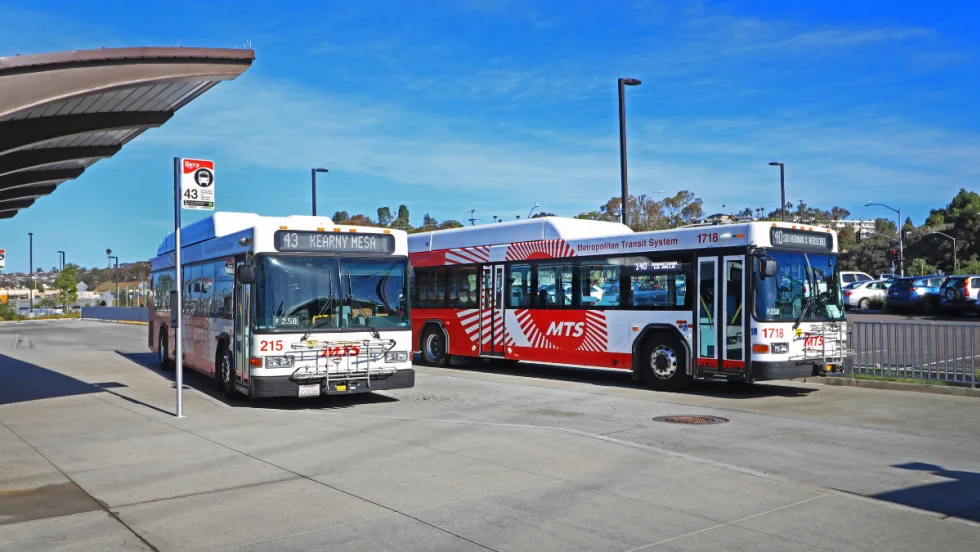
What’s Behind San Diego MTS’s Award-Winning Transit Strategy
Named one of APTA’s 2026 Outstanding Public Transportation Systems with 50 million or more annual passenger trips, California’s San Diego Metropolitan Transit System points to gains in ridership, safety, technology, and reliability as foundations of its success.
Read More →
Public Transit Conference Returning to GFX in 2027, Call for Papers Now Open
The Call for Papers is now open, allowing transit agency professionals and industry experts to help shape the PTC educational program by submitting session ideas for consideration.
Read More →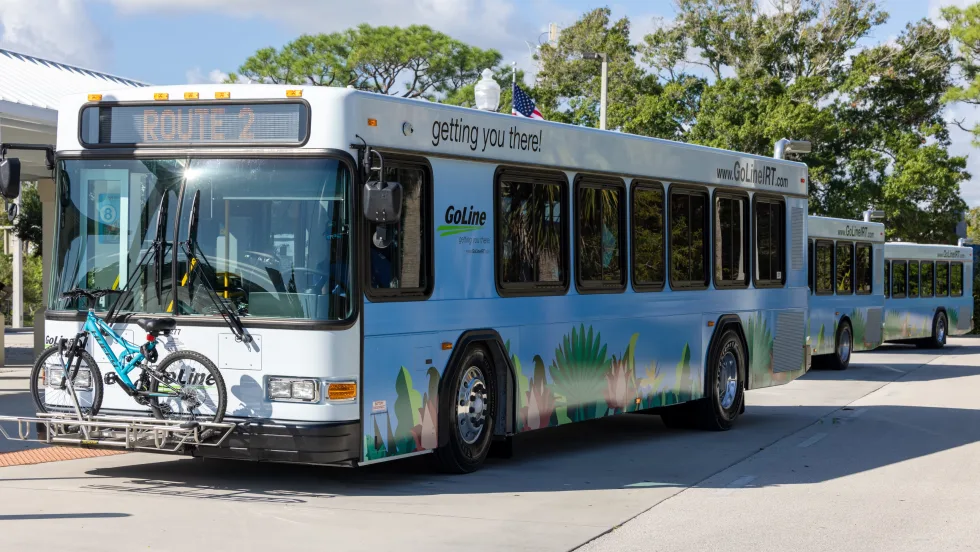
Indian River Transit’s Community-Focused Approach Earns National Recognition
Named APTA’s 2026 Outstanding Public Transportation System in its size category, Florida’s Indian River County transit system continues to grow ridership through fare-free service and a focus on evolving community needs.
Read More →
ENC Lands MATA Contract and More in Biz Briefs
In this edition of Biz Briefs, we spotlight the latest developments shaping the future of mobility.
Read More →
From Surviving to Thriving: Building Stronger Transportation Organizations
Bus Business Consultants founder Brian Dickson shares lessons on leadership, organizational health, and creating options for long-term success in a changing transportation industry.
Read More →
Everett Transit, Community Transit Outline Consolidation Agreement
The proposed agreement calls for a 50% increase in bus service in Everett, a new microtransit zone, continued paratransit service, and the transfer of Everett Transit operations to Community Transit.
Read More →
Strada360’s Steve Lassey on Turning Transit Data Into Better Decisions
From breaking down data silos to preparing for AI, Strada360 CEO Steve Lassey discusses how transit agencies can use technology to improve operations, customer information, and long-term decision-making.
Read More →