



How to Develop a Strategic Plan that Won't Gather Dust
Transit systems often spend large sums of money to develop strategic plans that, once completed, lie untended in a file cabinet. Don’t let that happen to you.
Strategic planning is not new to the public transportation industry. For many years, transit systems undertook studies to identify critical issues and strategies for effectively addressing them. Documents were produced, and boards of directors and transit executives felt satisfied that they were following the handbook for successful organizations that mandated the development of a strategic plan. The following year’s annual report likely made reference to the successful development of a strategic plan. For the vast majority of organizations, “that was that.” The strategic plan was developed — in effect, the box was checked — and business went on as usual. A few ideas from the strategic plan may have made their way into a work program or capital plan, but the approach to conducting the business of the transit system was not changed. A few years later someone would ask, “Whatever happened to the ideas in the strategic plan?” In truth, they died on the shelf with other costly studies. Why strategic plans aren’t By their nature, public transit agencies are not usually structured to operate strategically. They generally are created by legislation with rigorous structure defining how they should do business. The structure usually includes governance through a board of directors, budgeting and audit processes, restrictions and limitations on financing sources and legal powers, and government oversight of agency activities. Funding from federal and state government sources also places additional requirements, limitations, oversight and audit reviews on public transit systems. As a result, transit systems have highly structured budgets, human resource policies, procurement practices, operating guidelines and general decision-making paradigms. In this type of organization, a strategic plan is generally viewed as another project to be handled in the manner prescribed in one of the highly structured policies and procedures approved by the board and CEO. The idea of developing a strategic plan gets proposed. The budget process defines a funding source for the plan. The annual work program defines the timing for selecting a consultant and initiating the plan. After the final report is submitted, a staff member closes out the project so no more administrative time will be wasted. These bureaucratic approaches to strategic planning have obviously not created anything strategic, and public transit systems have not benefited from the real value strategic planning can have in changing and improving organizations. Strategy that makes sense All is not lost, however. Strategic planning can be a valuable tool for transit systems if it’s approached properly. Here are a few principles that can be applied for a successful strategic plan:
The process needs to be ongoing, with broad input for development and specific responsibility for effective implementation.
The plan needs to have milestones and performance metrics to measure progress and celebrate achievements.
The plan needs to involve stakeholders in the development, deployment and refinement phases.
Finally, a strategic plan must be a living document that evolves over time as the public transit system becomes more successful at achieving its short- and long-range goals. WMATA addresses future The Washington Metropolitan Area Transit Authority (WMATA) is a large, complex, multi-modal public transit system in the nation’s capital. The system operates 806 railcars along 103 miles of track in its rail operation and 1,451 buses. WMATA records 328.7 million passenger trips annually, employs nearly 10,000 people and has a combined annual capital and operating budget of $1.4 billion. In 2001, WMATA engaged PB Consult to help it develop a strategic plan that would build on its past successes and generate the political and financial support to address growth issues in the future. Over the past 35 years, WMATA built an excellent rail and bus system and earned the respect and support if its stakeholders. Early mandates for rail development were fulfilled and the system currently enjoys historic high ridership levels. The challenge for WMATA over the next 25 years is to continue to improve its reputation as a necessary public service that is extremely efficient and a solution to unwanted future transportation problems. Critical success factors included strategies to cement relationships with key stakeholders — federal, state and local governments; business and development interests; and the many institutions in the region-wide access of WMATA. Key to this effort was a WMATA commitment to adopt goals that reflected stakeholder interests and to measure progress on goals, such as air quality improvement, congestion and effective land use. A strategic plan model was developed that defined up front the form of the plan, its elements and its relationship to other ongoing agency processes. Carrying out this model was a joint effort by WMATA staff and its consultants. The team conducted a number of internal reviews and conducted staff and policymaker interviews to gain an understanding of current plans and programs. Looking inside and out The team carried out SWOT (strengths, weaknesses, opportunities and threats) and gap analyses to identify those items that would impede WMATA’s ability to meet its currently defined 2025 goals, as well as its strengths upon which it can build to reach defined outcomes. Given the importance of external agencies and factors influencing WMATA’s future, those analyses put more than the usual emphasis on external views, but also spent time assessing the agency’s internal readiness for its future mission. The focus of those internal analyses were on technology, policies and procedures, financial resources, organizational culture, human resources, stakeholders and capital resources. External reviews focused on politics, public opinion, demographics and the economy. From there, the team was able to identify goals that incorporated the views of all the relevant stakeholders working off the base of the present WMATA mission statement, and develop a strategic plan with recommendations around the following elements:
Capital planning and investment
Pricing strategies
Revenue strategies
Human development strategies
Operational strategies and related
Technology development and deployment strategies
Land-use and development strategies
Organizational structure, business process and management strategies WMATA’s board of directors adopted the strategic plan, and management is now taking steps to implement it and report regularly on progress. C-TRAN’s approach Since 1981, when it was established, C-TRAN grew to meet the mobility needs of the citizens of Clark County, Wash. Clark County lies across the Columbia River from Portland, Ore. In 1998, at the peak of its growth, C-TRAN operated 131 buses and paratransit vehicles, carried 7.94 million annual passenger trips, employed 412 persons and had an annual operating budget of $27.7 million. In 1999, the voters in the state of Washington approved Initiative 695, which eliminated the motor vehicle excise tax, the primary source of state funding for public transportation. Overnight, C-TRAN faced a 40% reduction in funding. Unable to shoulder such a dramatic loss of funding, C-TRAN was forced to reduce service and lay off employees for the first time in its existence. The future looked bleak. In 2001, C-TRAN’s new CEO decided that the organization should develop a strategic plan to redefine its vision and mission, identify its core values and strategic focus areas and identify key issues and the goals and strategies necessary to successfully address them. C-TRAN took advantage of its relatively small size and involved most of its workforce in development and deployment of its strategic plan. Their ideas were sought and incorporated in both the identification of major issues as well as strategies for successfully addressing them. Those employees are now ambassadors, carrying C-TRAN’s messages to riders and citizens throughout Clark County. Building voter support is key The two broad goals of the C-TRAN strategic plan were to improve operational performance and engage the community in a dialogue about the future role of public transit and how to finance it. As a result of those two goals, the implementation plan identified critical performance measures for operational improvements and an extensive outreach plan. In early 2003, there were already some noteworthy results. Ridership had grown to levels that were higher than levels before the service cuts in 1999 and 2000. Because less service is being operated, system productivity and farebox recovery are up dramatically. Lessons learned
Do not simply develop a strategic plan. Results can only come from effective staff participation and commitment to plan deployment.
Do not allow the plan to become “just another project.” It must become a new way of doing business and evolve with the organization.
Commitment from the top and buy-in from below are equally important. The board of directors and CEO must strongly support the strategic plan, but buy-in from the rank-and-file workers will guarantee its success.
Do not simply identify stakeholders in a strategic plan; engage them in defining the future for public transit, develop strategies that address their core interests and report on progress in a way that meets their expectations. Their support in the future will overcome huge obstacles.
Reassess the strategic plan every year and make modifications that reflect the reality of the current climate. Fundamental change in mission, organization and business processes must be constantly evaluated for organizations to remain responsive and effective in an ever-changing environment.
More Management
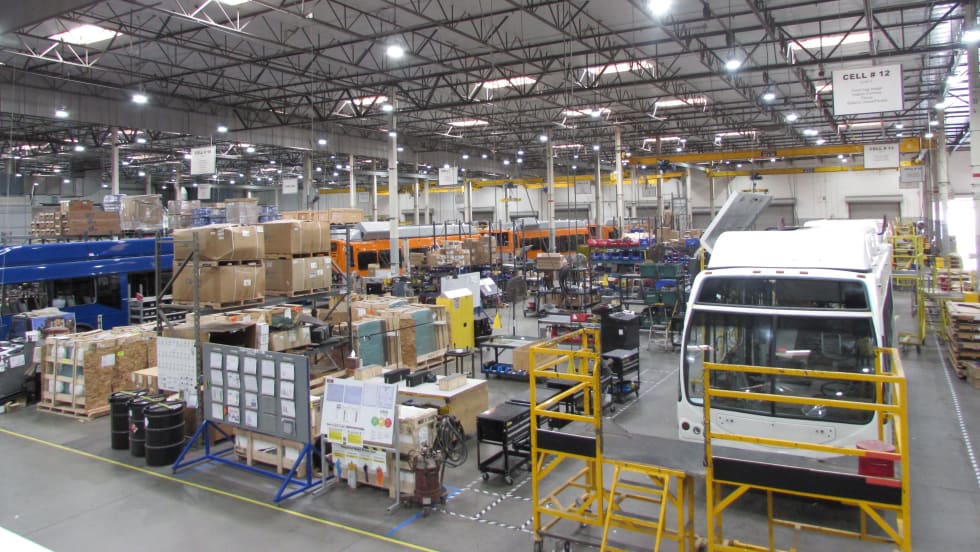
LA Metro Board Awards 220 Battery-Electric Bus Contract to ENC
The contract, which is the largest base award of battery-electric buses by a U.S. transit agency, will be built in Southern California, sustaining good jobs as LA prepares to welcome the world in 2028
Read More →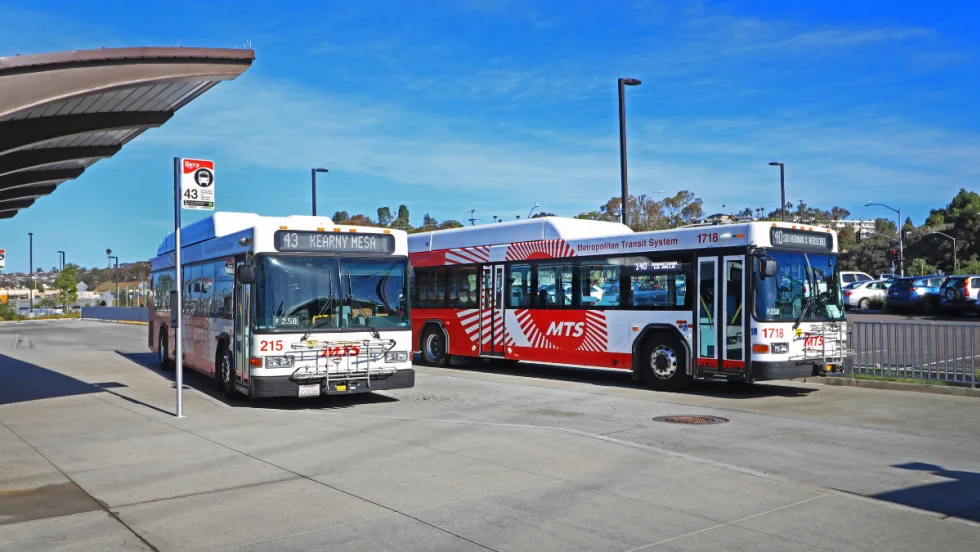
What’s Behind San Diego MTS’s Award-Winning Transit Strategy
Named one of APTA’s 2026 Outstanding Public Transportation Systems with 50 million or more annual passenger trips, California’s San Diego Metropolitan Transit System points to gains in ridership, safety, technology, and reliability as foundations of its success.
Read More →
Public Transit Conference Returning to GFX in 2027, Call for Papers Now Open
The Call for Papers is now open, allowing transit agency professionals and industry experts to help shape the PTC educational program by submitting session ideas for consideration.
Read More →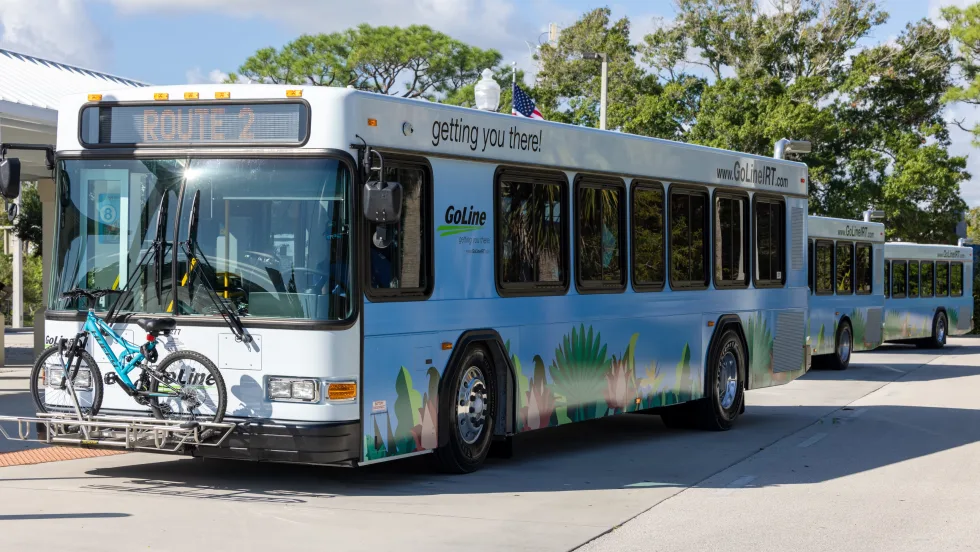
Indian River Transit’s Community-Focused Approach Earns National Recognition
Named APTA’s 2026 Outstanding Public Transportation System in its size category, Florida’s Indian River County transit system continues to grow ridership through fare-free service and a focus on evolving community needs.
Read More →
ENC Lands MATA Contract and More in Biz Briefs
In this edition of Biz Briefs, we spotlight the latest developments shaping the future of mobility.
Read More →
From Surviving to Thriving: Building Stronger Transportation Organizations
Bus Business Consultants founder Brian Dickson shares lessons on leadership, organizational health, and creating options for long-term success in a changing transportation industry.
Read More →
Everett Transit, Community Transit Outline Consolidation Agreement
The proposed agreement calls for a 50% increase in bus service in Everett, a new microtransit zone, continued paratransit service, and the transfer of Everett Transit operations to Community Transit.
Read More →
Strada360’s Steve Lassey on Turning Transit Data Into Better Decisions
From breaking down data silos to preparing for AI, Strada360 CEO Steve Lassey discusses how transit agencies can use technology to improve operations, customer information, and long-term decision-making.
Read More →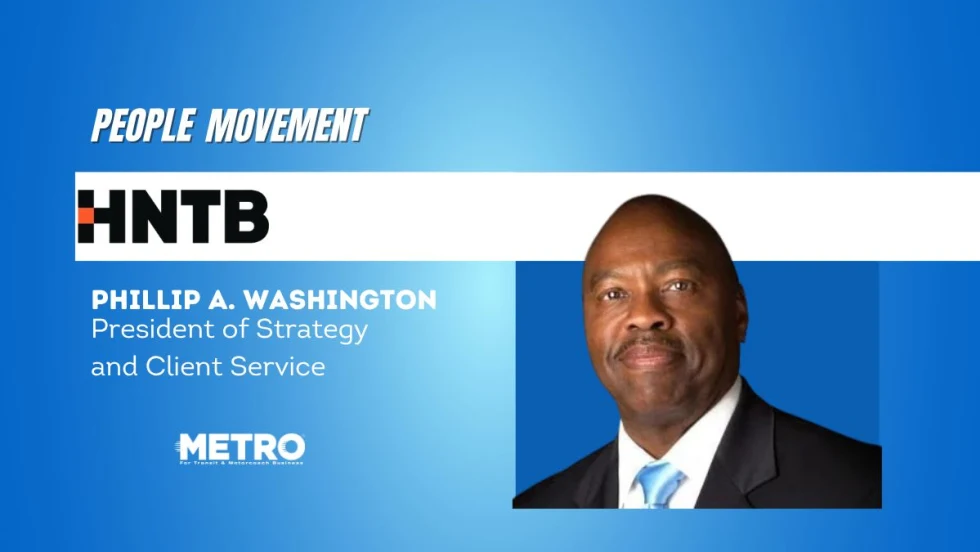
People Movement: Phil Washington Joins HNTB, Denver RTD Launches CEO Search, and More
In this edition, we also spotlight recent personnel moves at STV, the Eno Center for Transportation, and more, highlighting the people taking on new roles across the transportation industry.
Read More →
SEPTA Details Accelerate Vision for Transit System
The plan outlines investments in trolley modernization, new Metro and Regional Rail vehicles, accessible stations, and more frequent bus and rail service.
Read More →