



Strada360’s Steve Lassey on Turning Transit Data Into Better Decisions
From breaking down data silos to preparing for AI, Strada360 CEO Steve Lassey discusses how transit agencies can use technology to improve operations, customer information, and long-term decision-making.

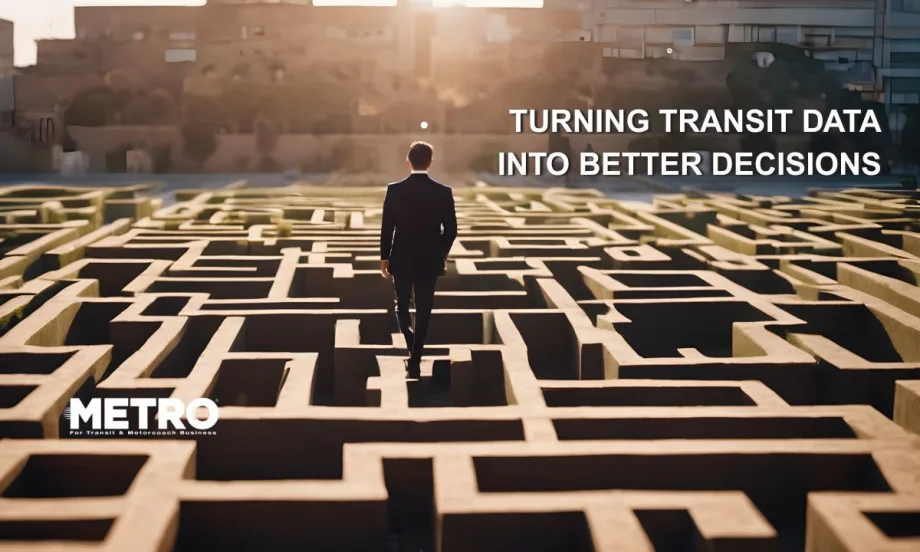
Transit agencies are finding new ways to unlock data across operations, helping improve service performance, customer information, and decision-making.
METRO
- Steve Lassey emphasizes the importance of breaking down data silos within transit agencies to enhance operational efficiency.
- Strada360 is preparing transit agencies for AI integration to improve customer information services and overall user experience.
- Long-term decision-making is a focus for Steve Lassey, utilizing technology to guide strategic planning and investment in the transit sector.
*Summarized by AI
Transit agencies have access to more information than ever before. The challenge is turning that growing volume of data into something agencies can actually use to improve capital projects and day-to-day service. That was a central theme of a recent METROspectives conversation between METRO Magazine Executive Editor Alex Roman and Steve Lassey, CEO of Strada360.
Lassey brings decades of transit experience to the discussion, including approximately five years as the CEO of a transit agency. After leaving the agency side of the industry, he and several colleagues formed Strada360 in 2018. The company focuses on data integration and helping agencies unlock information already contained within their technology systems.
Breaking Down Transit’s Data Silos
For Lassey, one of the biggest obstacles facing agencies isn't necessarily a lack of technology or information. Instead, valuable information can remain trapped within separate systems.
Transit agencies have invested over the years in specialized platforms for scheduling, planning, fleet maintenance, and operations. Those individual systems may perform their intended functions well, but Lassey explained that agencies can struggle to analyze their information collectively.
“A lot of insights and possible actions to increase the performance of their system is hidden within those data silos,” Lassey said.
Strada360 brings that information into a larger data structure, allowing agencies to analyze performance across operations and answer practical questions such as which buses are consistently late and, more importantly, why.
By drilling deeper into the data, agencies can move beyond what was scheduled to happen and develop a clearer understanding of what riders are actually experiencing. That includes identifying problems such as missing or “ghost” buses, duplicate buses, and other service issues that can affect customers every day.
Learning From What Happened Before

By drilling deeper into the data, agencies can move beyond what was scheduled to happen and develop a clearer understanding of what riders are actually experiencing.
Martin Martial/GhostVaporPhotography
Historical information can also give agencies another tool for managing future disruptions.
Lassey pointed to weather, accidents, emergency disruptions, and detours as examples of events that can significantly affect transit operations. By examining what occurred during previous incidents, agencies can better understand their impacts and develop plans for similar situations in the future.
For an agency dealing with severe winter weather, for example, historical data can show what happened to schedules and service when roads became congested and help planners develop strategies to mitigate those effects the next time conditions arise.
The goal is not simply to collect more data. It is to transform information the agency already possesses into something that can support decisions.
That capability has become particularly important as agencies continue responding to changing travel patterns and rider expectations.
Lassey said better access to information can help agencies understand where customers are traveling, identify potential failure points, and determine whether connections between modes are working as intended.
It can also let planners test different scenarios — essentially asking what might happen if a service or operational change is made before implementing it.
At the same time, operational data can feed customer-facing information, helping riders receive real-time updates and experience smoother trips.
Meeting a New Standard for Customer Experience
Lassey said rider expectations have also changed.
Customers increasingly expect their interactions with transit providers to resemble the responsive digital experiences they receive from major consumer companies, according to Lassey, which creates a challenge for agencies that may have significantly fewer resources but are still expected to provide timely, accurate, and seamless information.
Technology can help close that gap by giving employees better tools internally while also improving the information delivered to customers.
Lassey described the broader objective as increasing an agency's capabilities while encouraging “a culture of creativity and adopting new technology” that gets more value from both employees and existing technology investments.
No discussion about the future of data and technology would be complete without artificial intelligence.
Lassey said Strada360 is already using AI internally and is incorporating the technology into its next generation of tools. The potential, he explained, is to make it easier for users to mine information and find the results they need.
But he also urged agencies to look beyond the hype surrounding AI.
While the technology presents opportunities, transit organizations must be prepared to adopt it in meaningful ways and understand how vendors are incorporating AI into their products.
Lassey acknowledged that AI, like other emerging technologies, is moving through a period of considerable attention and experimentation. He advised agencies to approach it carefully, seek knowledgeable guidance, and focus on applications that address real transit challenges.
Preparing Transit for What Comes Next
Looking further ahead, Lassey believes the industry's ability to adapt to technology will become increasingly important.
Vehicles will change. Maintenance processes will evolve. Infrastructure will change. And agencies will need employees who understand emerging technologies and can translate them into practical improvements. That makes workforce development part of the technology conversation, too.
Lassey encouraged transit organizations to attract younger professionals entering the workforce with experience using the latest technologies, while continuing to develop an organizational culture capable of adapting as those tools evolve.
For Lassey, who said his passion for transit has remained strong throughout his career, preparing for that future comes down to flexibility.
“Be adaptive, be flexible, and make sure you're equipped to use all of the tools at your disposal to ensure your success,” he said.
This article, generated using OpenAI, was edited for accuracy and style and based on an episode of METROspectives
Quick Answers
Transit agencies can leverage technology to enhance operations by breaking down data silos, allowing for better integration and access to data across different departments. This enables improved tracking, analysis, and decision-making processes.
*Summarized by AI
More Management
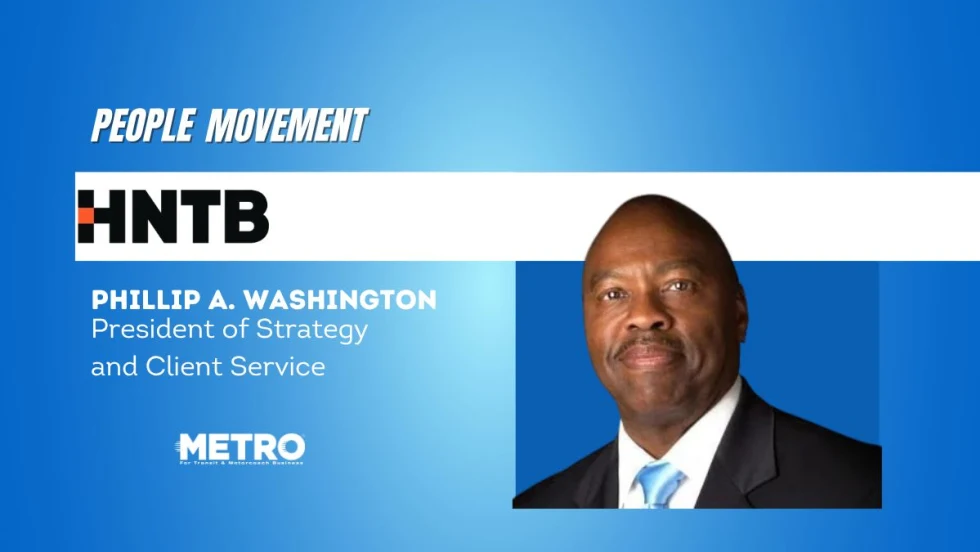
Phil Washington Joins HNTB and More in People Movement
In this edition, we also spotlight recent personnel moves at STV, the Eno Center for Transportation, and more, highlighting the people taking on new roles across the transportation industry.
Read More →
SEPTA Details Accelerate Vision for Transit System
The plan outlines investments in trolley modernization, new Metro and Regional Rail vehicles, accessible stations, and more frequent bus and rail service.
Read More →
FTA Ends Direct Oversight of MBTA Safety Actions
The federal agency closed its remaining special directive to the Massachusetts Department of Public Utilities following a safety review that began in 2022.
Read More →

Report: Transit Bus Manufacturing Supports 34,100 Jobs, $5.1B in GDP
The “Buses Mean Business” report examines the transit bus manufacturing industry’s economic footprint, supply chain, and rising demand for vehicle replacements.
Read More →
LIT Marks 10-Year Milestone at Annual Summit
Hosted by the COTA from September 10 to 13, the Summit carried the theme “Celebrating 10 Years of Excellence, Leadership, and Impact,” with every part of the program honoring the people, agencies, and partners who built LIT over its first decade.
Read More →
People Movement: Dan Dipert Coaches Adds Third-Generation Leader, Keolis Names New Valley Metro VP/GM, and More
In this edition, we also cover recent appointments and announcements at the Wabtec, SilverRide, HNTB, and more, showcasing the individuals helping to shape the future of transportation.
Read More →
METRO Opens Submissions for 2026 Motorcoach Awards
Nominations are now being accepted for METRO Magazine’s Operator of the Year and Innovative Operator of the Year awards.
Read More →
New York MTA Advances Final Contract for Second Avenue Subway Expansion
Contract Four is the largest in the Second Avenue Subway Phase 2 project and includes construction of station infrastructure, tracks, and signals for the subway expansion, MTA officials said. Work on Contract Four will begin in 2027.
Read More →
Transit Agencies Highlight Safety Gains at National Summit
Leaders from 15 major transit systems shared crime-reduction results and safety initiatives while discussing the role of continued federal support.
Read More →
NITA Names New Leadership, Expands Reduced-Fare Program at First Board Meeting
The new regional transit authority appointed its first board chair and interim executive director while extending reduced fares across CTA, Metra, and Pace for eligible riders.
Read More →