



Impressive ridership numbers call for greater investment
Has America’s love affair with the car finally ended?
Has America’s love affair with the car finally ended? Not by a long shot. Even with the recent spike in fuel prices and growing congestion on the highways, many people still view their automobiles as members of the family, more dependable than their teenage sons and daughters and only slightly less permanent than their spouses. But data released recently by the American Public Transportation Association (APTA) suggest that public transit is making strong inroads into the hearts of millions of U.S. travelers. Cause for celebration According to APTA’s number-crunchers, U.S. transit ridership grew 3.5% last year compared to 1999. There were 9.4 billion trips on buses and trains compared to 9.1 billion in 1999. That’s the highest number of annual trips in more than four decades. Between 1995 and 2000, public ridership increased 21%, from 7.9 billion to 9.4 billion trips. Meanwhile, U.S. highway use was comparatively stagnant, increasing only 0.047% to 2.7 trillion miles in 2000, according to the Federal Highway Administration. Transit officials have reason to be gleeful. More than just a one-year bounty, it was the third year in a row that transit use has grown faster than highway use. The question is: Is this real momentum or merely the peak of a three-year curve? Although it’s too soon to tell, I’d like to think that we’re in the early stages of a transit boom that will change the way people view public transportation. If the transit industry continues to focus on meeting the needs of its constituency with new buses, trains and trolleys, innovative delivery services and devotion to the needs of the disabled and elderly, there’s no reason to believe that ridership will head south anytime in the near future. More funding is needed But new equipment and expanded service require money. Lots of it. In April, President Bush submitted a FY 2002 budget to Congress that would fund the federal transit program at $6.7 billion, a 7.8% increase over 2001. This meets the guaranteed funding level under the Transportation Equity Act for the 21st Century (TEA 21). Although the bountiful ridership of 2000 is worthy of celebration, the strain on some transit agencies to meet passenger demand has been significant. Continued growth in federal funding, as well as increased financial commitments by state and local government, is essential for transit agencies to expand service and ensure high quality levels. One particular area that could use a boost is transportation for the disabled and elderly. Transit agencies can expect greater use of their demand response and paratransit services as the U.S. population ages. Funding is badly needed to increase the wheelchair accessibility of existing trains and buses as well as to expand service for the disabled and elderly. This is no time for complacency. The huge investments in public transportation made over the past decade are paying dividends. With growing highway congestion, skyrocketing fuel prices and air-quality concerns, Americans have more incentive than ever to use public transportation. The transit industry needs to push even harder for funding increases and, when it makes sense, to consider partnerships with private enterprise. While it is tempting to return budget surpluses to citizens in the form of tax cuts, the federal government needs to consider the very real needs of its public transportation providers to keep up with growing demand by upgrading and expanding their bus fleets and rail systems. Buses and trains will likely never replace cars and trucks in the hearts of most Americans, but they provide a critical service to millions of Americans every day. Their role in the improvement of communities cannot be overlooked, today or in the foreseeable future.
More Management
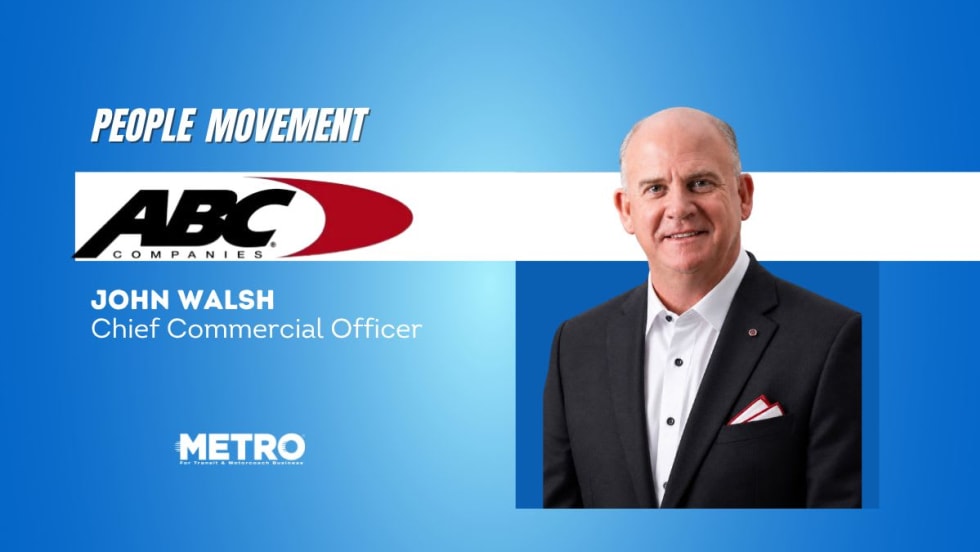
People Movement: ABC Names John Walsh as Chief Commercial Officer
In this edition, METRO also covers recent appointments and announcements at the DART, STV, and more, showcasing the individuals helping to shape the future of transportation.
Read More →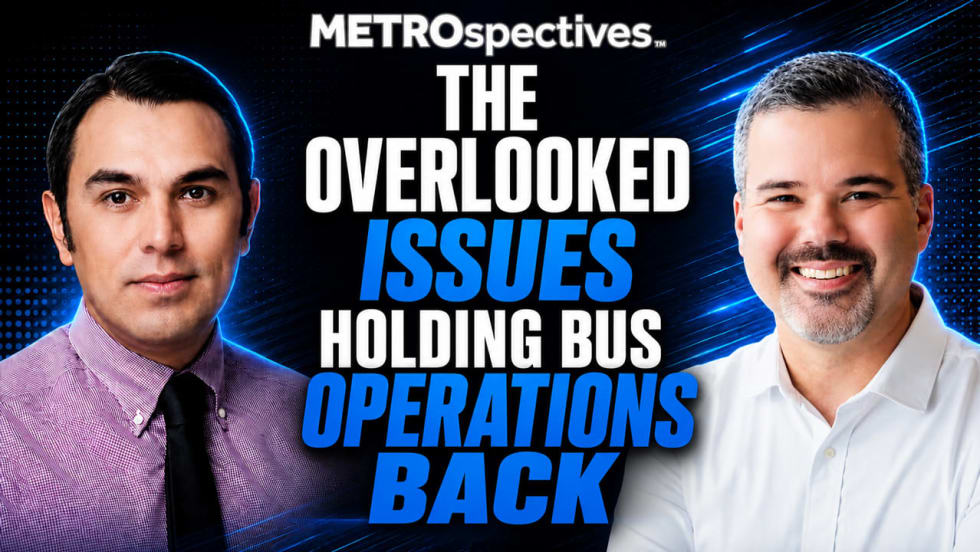
From Surviving to Thriving: Building Stronger Transportation Organizations
Bus Business Consultants founder Brian Dickson shares lessons on leadership, organizational health, and creating options for long-term success in a changing transportation industry.
Read More →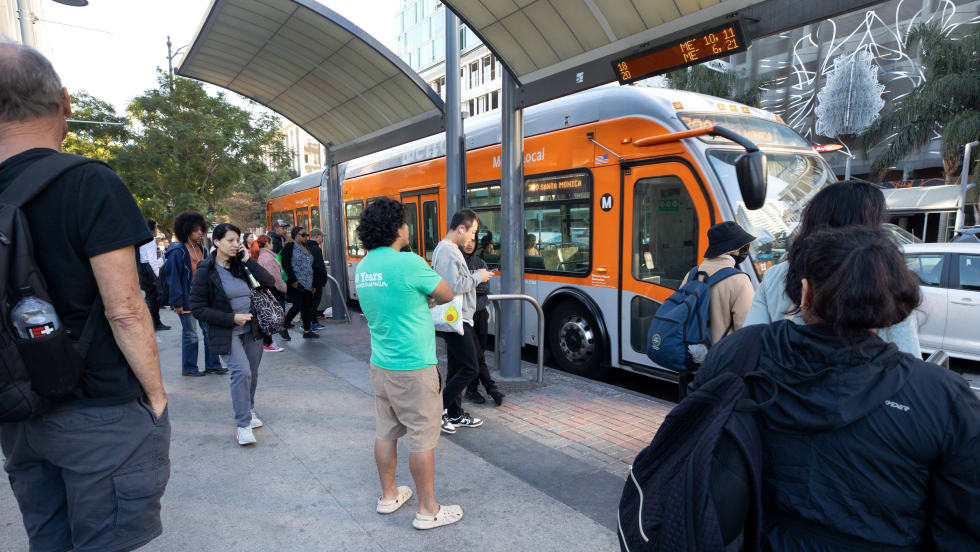
LA Metro Ridership Continues Growth as Rail Gains Accelerate
New rail connections and major events help drive continued ridership gains, with Metro recording its eighth consecutive month of year-over-year rail growth.
Read More →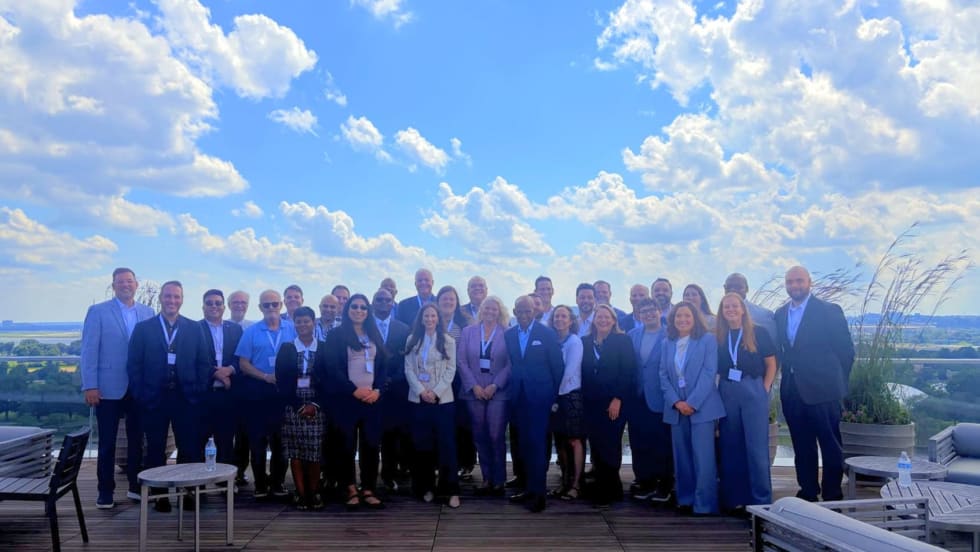
TransDASH Summit Focuses on Measuring What Matters in Transit
Transit agencies unveil a national performance platform designed to benchmark customer experience, safety, community value, and other outcomes.
Read More →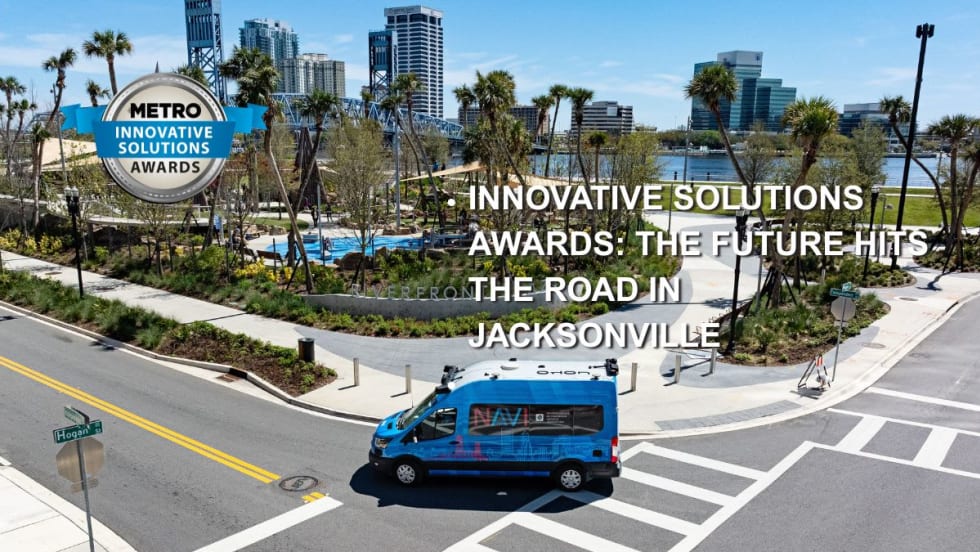
Jacksonville’s NAVI Project Charts a New Course for Autonomous Public Transportation
Through its NAVI program, JTA is showing how autonomous vehicles, intelligent infrastructure, and coordinated operations can work together to deliver everyday public transportation.
Read More →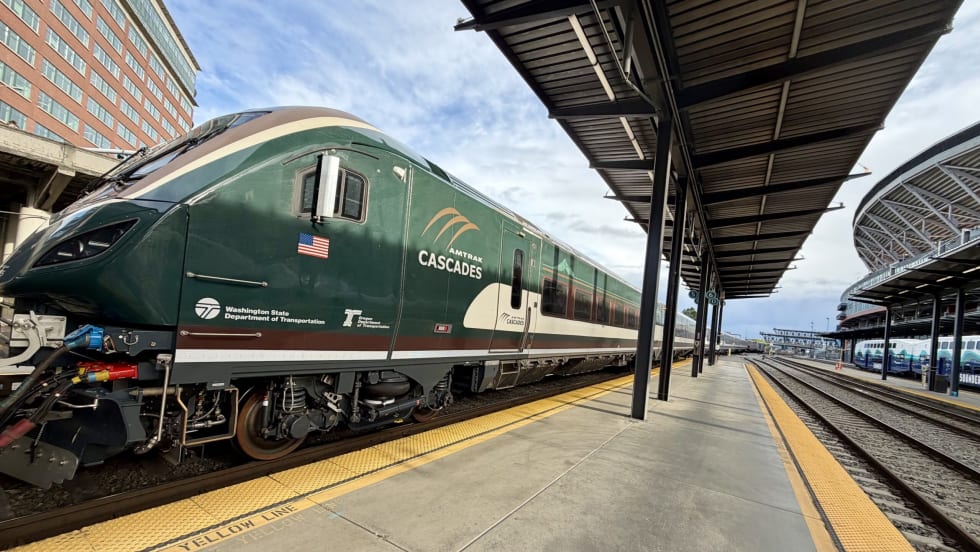
FRA Announces $5.3B in Rail Investments, Including $2B for Amtrak
Funding will support grade-crossing improvements, infrastructure upgrades, and new Amtrak equipment in 23 states.
Read More →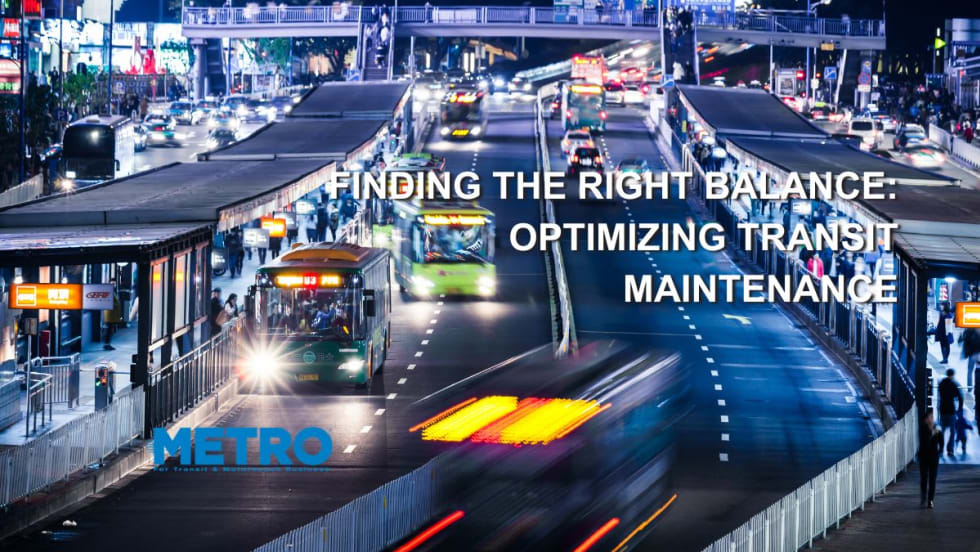
Finding the ‘Happy Medium’: Optimizing Maintenance Without Sacrificing Reliability
The key to maintenance optimization isn’t doing less work—it’s doing the right work at the right time on the right assets.
Read More →
People Movement: MARTA Drops Interim Tag on GM/CEO Hunt and More
In this edition, METRO covers recent appointments and announcements at the FMCSA, HDR, SilverRide, and more, showcasing the individuals helping to shape the future of transportation.
Read More →
VIA Metropolitan Transit Reports 2 Million More Passenger Trips as Better Bus Plan Gains Momentum
San Antonio's transit agency said accelerated service improvements are driving ridership growth, offering another example of how increased frequency and workforce investments can translate into stronger transit performance.
Read More →
ABAF Study Reveals Growing Insurance Crisis for Motorcoach Operators
Preliminary findings show 98% of operators faced premium increases over the past five years, while shrinking insurer participation is putting added pressure on businesses and customers.
Read More →