



Increased transit use reduces smog, energy dependence
An independent study shows that increased public transportation use is the most effective way to improve air quality and reduce energy consumption without imposing new taxes, government mandates or regulations.

An independent study shows that increased public transportation use is the most effective way to improve air quality and reduce energy consumption without imposing new taxes, government mandates or regulations. The study, “Conserving Energy and Preserving the Environment: The Role of Transportation,” authored by three top economists, concludes that public transportation generates 95% less carbon monoxide (CO), 92% less in volatile organic compounds (VOCs) and about half as much carbon dioxide (CO2) and nitrogen oxide (NOx) per passenger mile as private vehicles. Commissioned by the American Public Transportation Association (APTA), the study demonstrates that if just one in 10 Americans used public transportation regularly, U.S. reliance on foreign oil could be cut by more than 40%. Environmental benefits would also be significant. Without any new government mandates, regulations or taxes, the U.S. would be able to reduce CO2 emissions by more than 25% of the standard set under the Kyoto Agreement. APTA President William Millar said the nation’s overall environmental and energy policies hinge on increased use of transit. “We can continue to debate domestic oil exploration, emissions requirements and the stability of foreign sources of energy, but any serious plan to reduce oil dependency and air pollution must include ways to increase public transportation use,” said Millar. “This is our country’s greatest opportunity to conserve energy and improve the environment.” In energy conservation, the study shows that public transportation already saves more than 855 million gallons of gasoline or 45 million barrels of oil a year, which is equivalent to the energy used in one-fourth of American homes annually. “The national capital region is saving more than 75 million gallons of gasoline every year — and 250,000 gallons per day — as a direct result of our Metro system,” said Washington (D.C.) Metropolitan Area Transit Authority CEO Richard White. The study also states that even small increases in transit usage would help improve the air quality of many of the 16 major U.S. cities, which currently fail to meet Environmental Protection Agency air-quality standards for CO or smog. “If we don’t make transit a national priority by increasing investment, America’s enduring economic and environmental health will be in jeopardy,” said Millar. The study’s other major findings:
For every passenger mile traveled, public transportation is twice as fuel efficient as private automobiles, sports utility vehicles and light trucks.
If one in seven Americans used public transportation for their daily travel needs, they would help prevent global warming in the U.S. by cutting CO2 by the equivalent of nearly 20% of the CO2 emitted from fuel burned for residential uses and more than 20% of all CO2 emitted by commercial enterprises.
If one in five Americans used public transportation daily, it would help reduce CO pollution by more than all the CO emitted from the entire chemical manufacturing industry and all metal processing plants in the U.S. For more information on the study, visit www.apta.com.
More Management
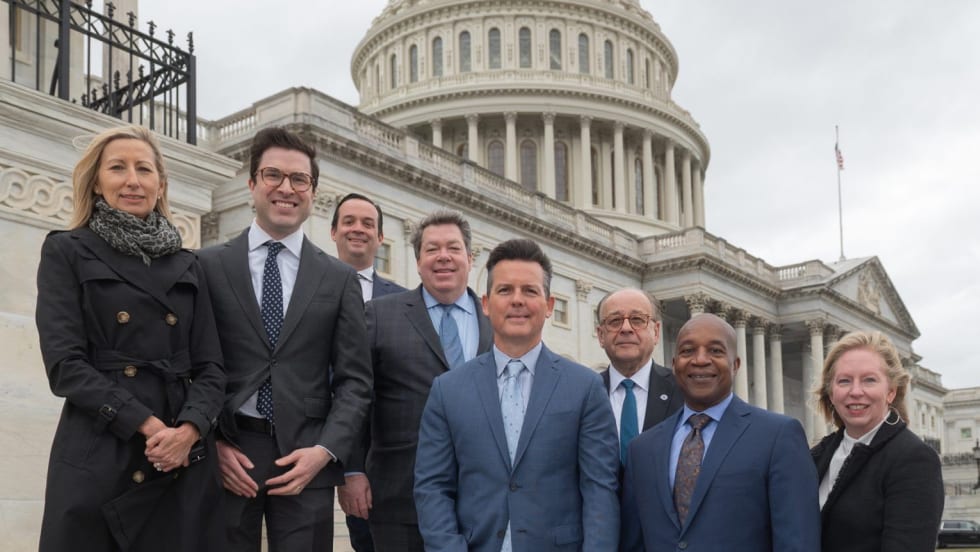
The Business Voice Behind Public Transportation
As chair of APTA’s Business Members Board of Governors, Ray Melleady explains how more than 850 business members are partnering with transit agencies to advance funding, innovation, and industry-wide collaboration.
Read More →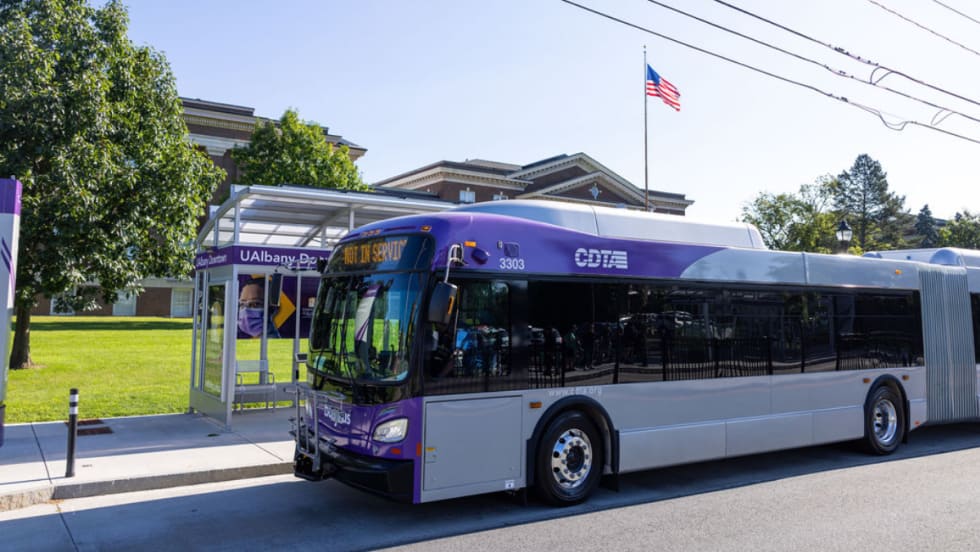
New York’s CDTA Service Rebalancing Boosts Productivity, On-Time Performance
Despite a slight dip in ridership, the agency’s FY2026 results show its service rebalancing strategy is helping the agency carry more riders per service hour while improving reliability.
Read More →
People Movement: ABC Names John Walsh as Chief Commercial Officer
In this edition, METRO also covers recent appointments and announcements at the DART, STV, and more, showcasing the individuals helping to shape the future of transportation.
Read More →
From Surviving to Thriving: Building Stronger Transportation Organizations
Bus Business Consultants founder Brian Dickson shares lessons on leadership, organizational health, and creating options for long-term success in a changing transportation industry.
Read More →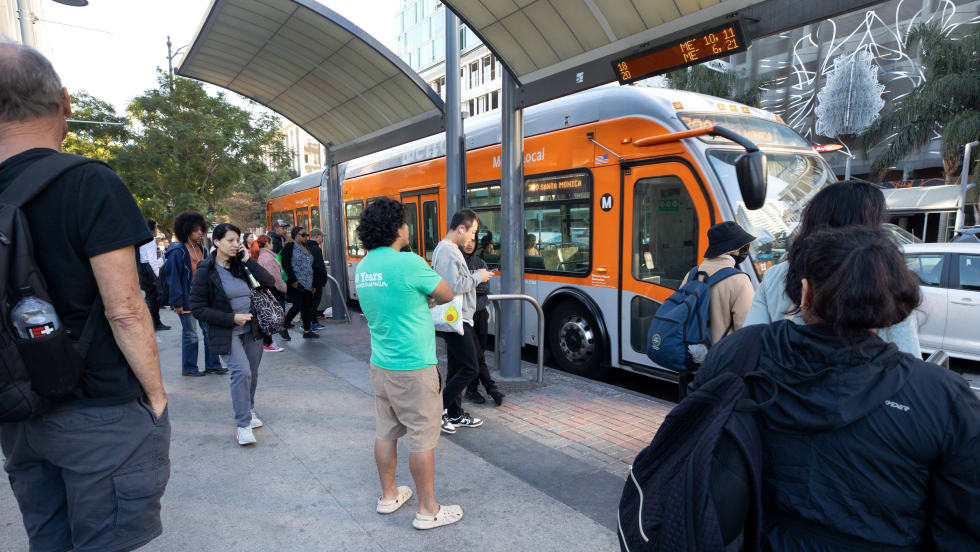
LA Metro Ridership Continues Growth as Rail Gains Accelerate
New rail connections and major events help drive continued ridership gains, with Metro recording its eighth consecutive month of year-over-year rail growth.
Read More →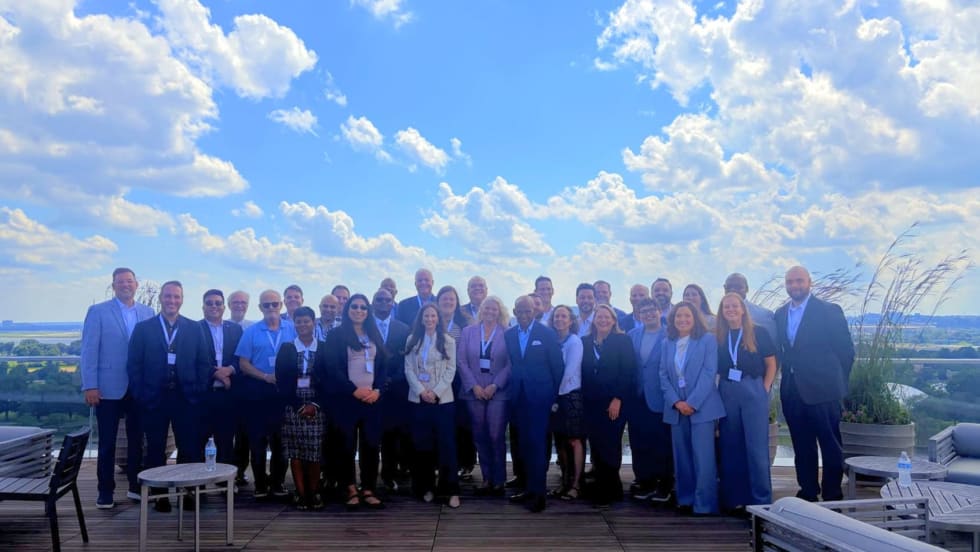
TransDASH Summit Focuses on Measuring What Matters in Transit
Transit agencies unveil a national performance platform designed to benchmark customer experience, safety, community value, and other outcomes.
Read More →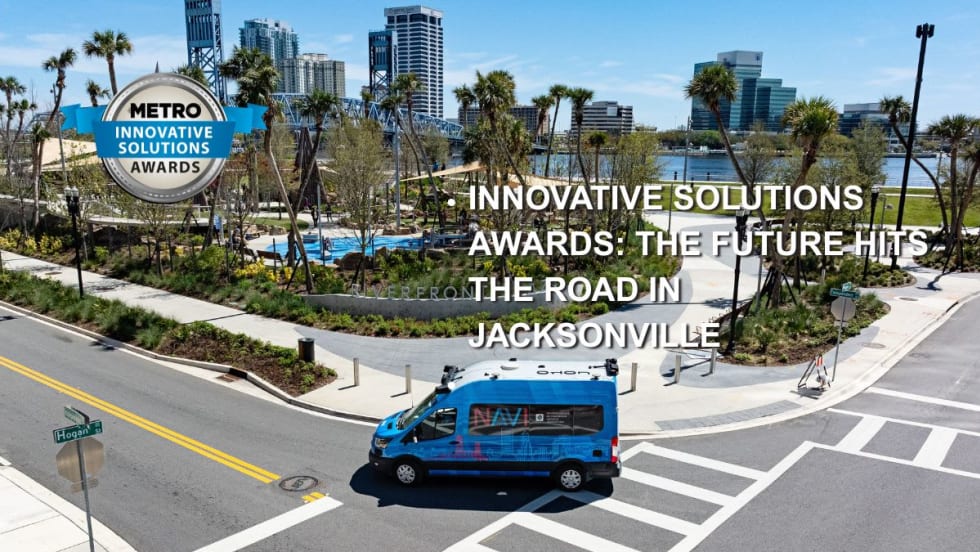
Jacksonville’s NAVI Project Charts a New Course for Autonomous Public Transportation
Through its NAVI program, JTA is showing how autonomous vehicles, intelligent infrastructure, and coordinated operations can work together to deliver everyday public transportation.
Read More →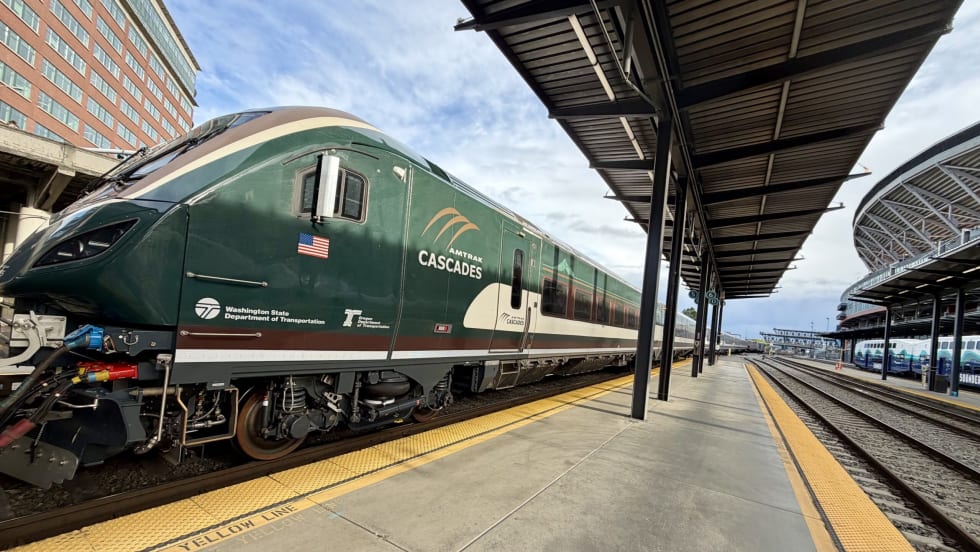
FRA Announces $5.3B in Rail Investments, Including $2B for Amtrak
Funding will support grade-crossing improvements, infrastructure upgrades, and new Amtrak equipment in 23 states.
Read More →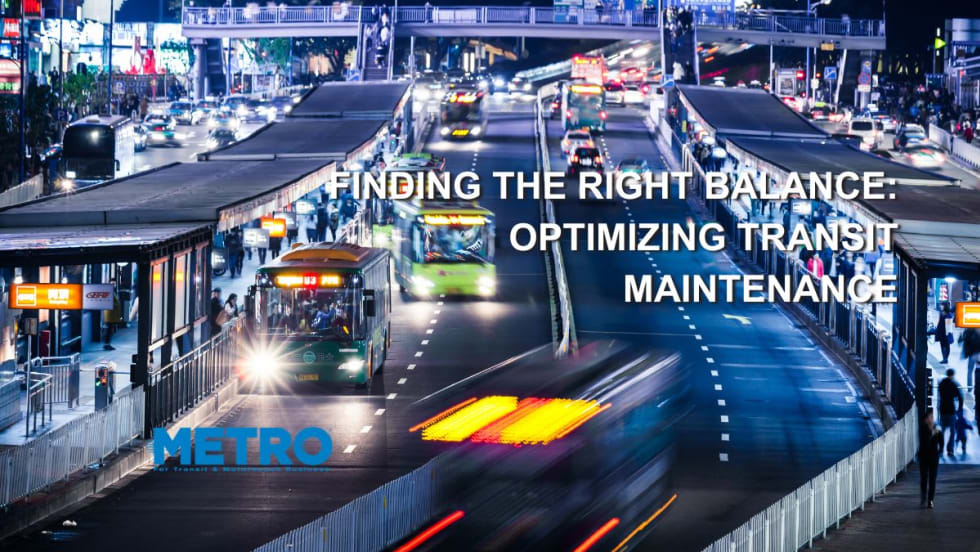
Finding the ‘Happy Medium’: Optimizing Maintenance Without Sacrificing Reliability
The key to maintenance optimization isn’t doing less work—it’s doing the right work at the right time on the right assets.
Read More →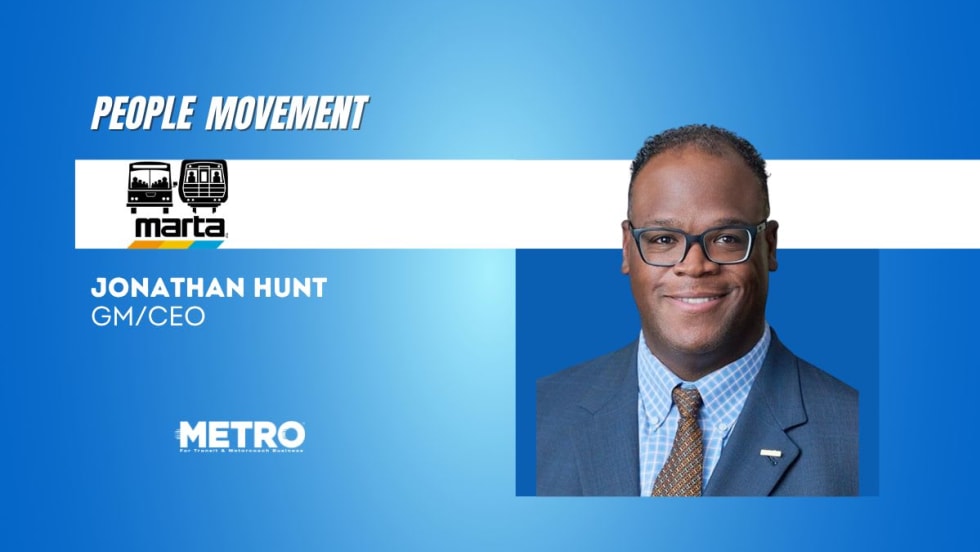
People Movement: MARTA Drops Interim Tag on GM/CEO Hunt and More
In this edition, METRO covers recent appointments and announcements at the FMCSA, HDR, SilverRide, and more, showcasing the individuals helping to shape the future of transportation.
Read More →