



Industry groups work to develop 12 bus standards
The Society of Automotive Engineers (SAE) has taken the lead in developing a set of transit bus technical standards.
The Society of Automotive Engineers (SAE) has taken the lead in developing a set of transit bus technical standards. The idea is to develop 12 industry standards in areas where there is already a great deal of agreement and/or standards developed for other industries that can easily be adapted for transit bus application. The plan is to develop and adopt the standards by the spring of next year, said officials responsible for the SAE project. Advocates of industry standards say that, if used, they can lower costs for buyers of transit equipment and simplify inventories and training, in turn lowering maintenance and operations costs over time. In addition, industry standards can help manufacturers increase product quality because standards help simplify and make more efficient design and manufacturing processes. Standards can also help stimulate innovation because they can lower technical barriers to new product development. Twelve areas identified The so-called “12 in 12 initiative” identified 12 work areas (listed at left) and will soon establish a task force to develop and draft a standard in each area. The first task is to identify what existing data/communications and equipment standards can be adapted for transit, said Eva Lerner-Lam, president of the Palisades Group and a long-time advocate of transit standards. The initiative is also designed to jump-start a consensus industry standards effort for transit buses, added Halsey King, a board member of the SAE’s Truck and Bus Section. “For many years SAE standards have been used on transit buses, but they were created for other industries, such as for trucks or automobiles,” he explained. “This [project] will be a logical extension of what we already do.” More than a century old, the SAE is a standards development organization (SDO) not only for automotive industries but for developing some standards for aerospace and rail applications. Although several organizations tried to develop transit-specific standards, what is lacking is an SDO that has the support of all relevant stakeholders. The effort that perhaps came the closest to creating such a consensus in recent memory was the Federal Transit Administration (FTA)-funded and American Public Transportation Association (APTA)-led Standard Bus Procurement Guidelines. While most agree that the effort was worthwhile and produced guidelines that most stakeholders could use, there were some important exceptions, particularly at some larger transit properties. In addition, there has not been much of an outreach and follow-up effort since the guidelines were first issued several years ago. Nor has either the FTA or APTA indicated that a process to review and revise the document will be forthcoming anytime soon. TSC ‘is not an SDO’ Several years ago, the Transit Standards Consortium was created to help foster standards development. However, “the TSC is not an SDO,” said Lerner-Lam flatly. “It works closely with SDOs, using a broad range of strategic alliances, but it is only a forum.” For standards to be effective, they must be used by all parties involved in a marketplace, advocates point out. That includes suppliers, distributors and other influencers, consumers, buyers and end-users. Finally, processes must be in place to implement the standard, including education and outreach efforts. Because they become codified accepted industry practices, standards also carry a measure of commercial liability—according to some estimates, a typical consensus industry standard will come with a million dollars of liability insurance. Perhaps most importantly, the standard must be reviewed and updated periodically to keep it a relevant, “living” document. Will the 12 in 12 initiative garner enough momentum to create a critical mass of industry support for either a new or existing SDO to develop transit-specific standards? Only the industry—including all of its stakeholders—can answer the question. To become involved, contact Richard Cox of the SAE at rcox@sae.org.
More Management

Bus Tech Talk: Keeping Transit Technicians Ahead of the Technology Curve
In this episode of Bus Tech Talk, Complete Coach Works’ Business Development Manager Mark Hollenbeck and METRO’s Executive Editor Alex Roman sit down with Obed Mejia, Senior Technical Trainer for Bus Maintenance, at LA Metro to discuss how rapidly evolving bus technology is changing the maintenance shop — and the skills technicians need to keep pace.
Read More →
Michael Schneider Joins Paslay Group to Expand Transportation Practice
The longtime transportation executive will help Paslay Group grow its advisory and program management work across transit, highway, and other infrastructure sectors.
Read More →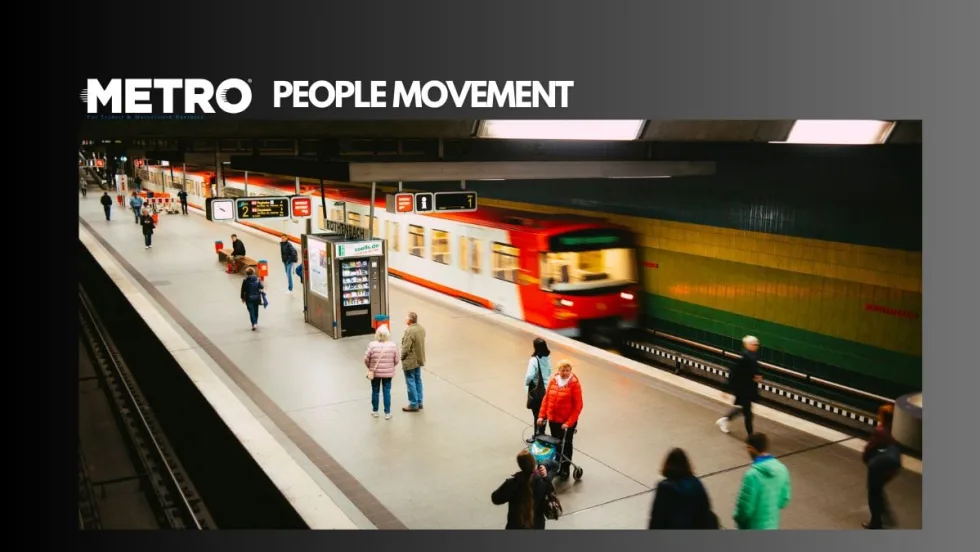
People Movement: Connectpoint Expands Leadership Team, Stadler Names New Group CEO, and More
In this edition, we also spotlight recent personnel moves at Burns, UZURV, and more, highlighting the people taking on new roles across the transportation industry.
Read More →
More Than a Summer Job: Building the Next Generation of Transit Talent
The Delaware River Port Authority and PATCO have transformed their internship program into a hands-on professional development experience that introduces students to the breadth of transportation careers — and creates a pipeline for future employees.
Read More →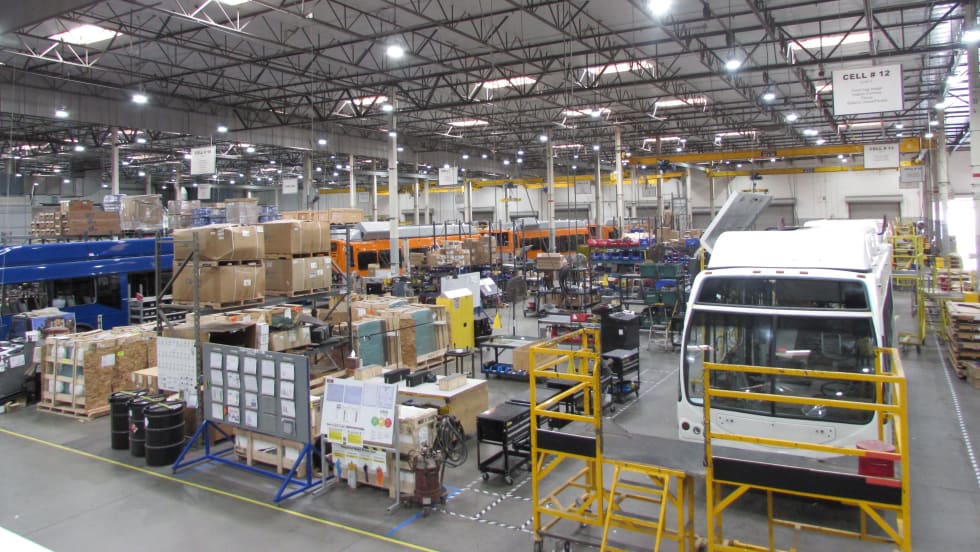
LA Metro Board Awards 220 Battery-Electric Bus Contract to ENC
The contract, which is the largest base award of battery-electric buses by a U.S. transit agency, will be built in Southern California, sustaining good jobs as LA prepares to welcome the world in 2028
Read More →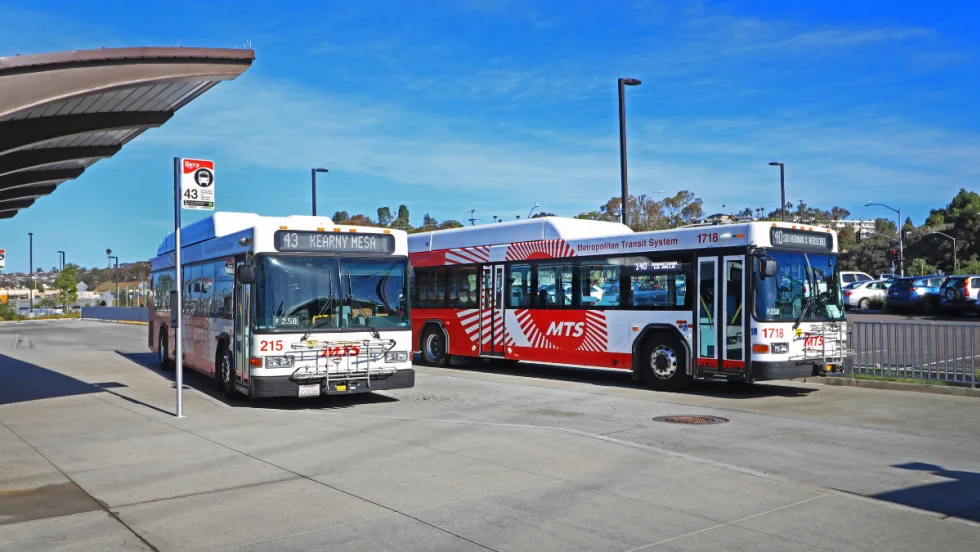
What’s Behind San Diego MTS’s Award-Winning Transit Strategy
Named one of APTA’s 2026 Outstanding Public Transportation Systems with 50 million or more annual passenger trips, California’s San Diego Metropolitan Transit System points to gains in ridership, safety, technology, and reliability as foundations of its success.
Read More →
Public Transit Conference Returning to GFX in 2027, Call for Papers Now Open
The Call for Papers is now open, allowing transit agency professionals and industry experts to help shape the PTC educational program by submitting session ideas for consideration.
Read More →
Indian River Transit’s Community-Focused Approach Earns National Recognition
Named APTA’s 2026 Outstanding Public Transportation System in its size category, Florida’s Indian River County transit system continues to grow ridership through fare-free service and a focus on evolving community needs.
Read More →
ENC Lands MATA Contract and More in Biz Briefs
In this edition of Biz Briefs, we spotlight the latest developments shaping the future of mobility.
Read More →From Surviving to Thriving: Building Stronger Transportation Organizations
Bus Business Consultants founder Brian Dickson shares lessons on leadership, organizational health, and creating options for long-term success in a changing transportation industry.
Read More →