



Is the stimulus working?
Most independent experts think that the stimulus spending has added at least one percentage point to economic growth in each of the last two quarters — not enough to create many new jobs, but a much better situation than the 18 months before.
The federal government's watchdog office for stimulus legislation passed last winter released its first official figures on how many jobs have been created and how much of the money has actually been spent. There is good news and not so good news in the report, and its contents have implications for how public transportation is being perceived in Washington.
According to the report released just before this issue of METRO went to press, the legislation, so far, has only created 30,000 new jobs, which got the conservative critics going. However, these critics failed to mention that those job numbers were the result of the first $2 billion. In other words, not even one percent of the $225 billion in program spending has actually gotten into the economy. The rest has been obligated, which means grants have been approved but not yet spent by the receiving agencies or their contractors. The money that has actually been spent has been from the tax cuts, unemployment insurance and other benefits paid to those who have lost their jobs.
That means much more money will be flowing soon, and, presumably, more jobs will be created. For its part, public transportation and the rest of the U.S. Department of Transportation is way ahead of schedule. A little more than 92 percent, or $7.6 billion, has been obligated by the Federal Transit Administration (FTA), with another $300 million in flexible highway funds transferred to transit. Therefore, transit is getting its money out the door faster than other programs, a situation not lost on politicians as some consider a second stimulus if unemployment numbers don't start to come down.
Does the stimulus matter?
The far right wingers say they won't support another stimulus package because, they assert, it isn't working. They seem to be the only ones, though, as most economists have said increased government spending has helped the economy at least begin to bottom out. Tax cuts in the stimulus package, the favorite weapon of conservatives, have had less to do with recovery than spending, because most people either saved the money or used it to pay down credit card debt, and nearly all economists have said that we need people and businesses to start buying again if the economy is to recover.
Obama Administration officials have admitted that the state of the economy was much worse than they thought when they took office and stimulus funds were taking longer to get out the door than they wanted. Still, most independent experts think that the stimulus spending has added at least one percentage point to economic growth in each of the last two quarters - not enough to create many new jobs, but a much better situation than the 18 months before.
This is why transportation spending looks good right now. If it looks like transit and highway programs contributed more than other programs in creating new jobs, then politicians may look to our industry if talk of another stimulus gets more serious. Or, it could help authorization. Either way, we need to make sure that the money turns into contracts as fast as possible, hopefully ahead of schedule - just as the FTA has done with grants.
More Bus

From Surviving to Thriving: Building Stronger Transportation Organizations
Bus Business Consultants founder Brian Dickson shares lessons on leadership, organizational health, and creating options for long-term success in a changing transportation industry.
Read More →
Everett Transit, Community Transit Outline Consolidation Agreement
The proposed agreement calls for a 50% increase in bus service in Everett, a new microtransit zone, continued paratransit service, and the transfer of Everett Transit operations to Community Transit.
Read More →
SEPTA Details Accelerate Vision for Transit System
The plan outlines investments in trolley modernization, new Metro and Regional Rail vehicles, accessible stations, and more frequent bus and rail service.
Read More →
Report: Transit Bus Manufacturing Supports 34,100 Jobs, $5.1B in GDP
The “Buses Mean Business” report examines the transit bus manufacturing industry’s economic footprint, supply chain, and rising demand for vehicle replacements.
Read More →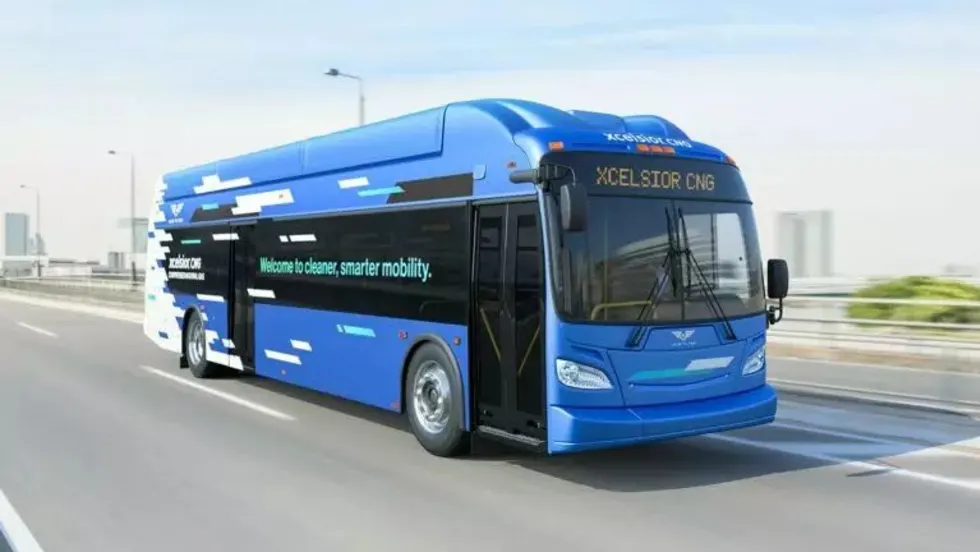
Biz Briefs: New Flyer Delivers in Columbus, Houston, Beep and Freebee Merge, and More
In this edition of Biz Briefs, we spotlight the latest developments shaping the future of mobility.
Read More →
People Movement: Dan Dipert Coaches Adds Third-Generation Leader, Keolis Names New Valley Metro VP/GM, and More
In this edition, we also cover recent appointments and announcements at the Wabtec, SilverRide, HNTB, and more, showcasing the individuals helping to shape the future of transportation.
Read More →
New York MTA Plans Largest Bus Fleet Upgrade in More Than a Decade
The agency is seeking manufacturers for 650 new CNG buses to replace aging vehicles, improve reliability, and advance its broader fleet modernization strategy.
Read More →
Building a Flexible Path to Transit Electrification
John Hroncich discusses BAE Systems’ modular and scalable approach, lessons learned from decades of real-world operations, and how agencies can identify electrification strategies that fit their fleets.
Read More →
Bus Tech Talk: Keeping Transit Technicians Ahead of the Technology Curve
LA Metro’s Obed Mejia discusses technician training, evolving maintenance technology, fleet replacement, and strategies for getting the most out of today’s transit fleets.
Read More →
Biz Briefs: RIPTA Unveils New Frontrunners, Clevland RTA Adds New Siemens, and More
In METRO's latest installment, we take a look at recent news from Siemens, Prevost, Dodge, and more partnerships making headlines across the transportation sector.
Read More →