



ISO 9001 gets second thoughts: comments from the trenches
There is a growing body of evidence that these standards, to put it diplomatically, have not fulfilled their promise.
Long touted by the industry and some members of the press (this former full-time member being perhaps the lead offender), the ISO 9000 series of quality assurance standards was to give our industry the Holy Grail of improved quality of buses, railcars and transit services at lower or at least no greater cost. However, there is a growing body of evidence that these standards, to put it diplomatically, have not fulfilled their promise. Below are some recent comments from a variety of industry officials. I will keep them anonymous because this is a forum that invites frank discussion and thus is an invaluable tool for industry problem solving. Most of these come from the industry’s operating side, which were gleaned from a wonderful e-mail–based bus maintenance discussion group. (To subscribe go to http://gulliver. nationalacademies.org/~A1E16 and follow the instructions.) Yet you can rest assured that the supply side feels the same way, but were somewhat reluctant to admit it publicly because they felt that their customers did not share their skepticism. On the plus side… There are plenty of people who still think that ISO 9000 is a useful exercise. Moreover, the changes made in the 2000 edition are significant improvements to the earlier versions. (For more details, see METRO February/March 2001 for articles on the subject.) “In the long run, the implementation of a fully integrated quality system will enhance the bottom line of a company. The registration process serves to confirm the quality process and will add value by bringing to management an independent auditor’s point of view with respect to quality system improvement,” said Mark Burgess, director of quality assurance at Siemens Transportation Systems (Sacramento, Calif.), who was responsible for the initial registration to the ISO 9001 standard for two divisions within Siemens. However, he added, “That does not mean that there are any free lunches. Any company endeavoring to become registered in accordance with an ISO 9001 standard can expect a significant level of involvement and work at the staff level coupled with a significant initial and ongoing expense.” …but improvements needed There are many in the industry who are not as complimentary, however. “The ISO 9000 system promotes consistency and documentation in manufacturing processes, but does nothing to facilitate continuous product improvement,” argued a top official at the Bi-State Development Agency in St. Louis. “If anything, the ISO process slows down product improvement by imposing numerous paperwork steps that must be taken and documented to maintain certification. The criteria for the Malcolm Baldridge Award are far superior to the ISO system, as it is more geared to responsiveness and continuous product improvement,” the official said. Those are precisely the kinds of issues that the 2000 revision of the ISO standards was designed to address. It is much more focused on continuous improvement, top management commitment and customer involvement, for example. An official at the Los Angles County Metropolitan Transportation Authority agrees with the Bi-State assessment. “ISO certification is really just a regimented manufacturing process with a demonstrated quality control program in place,” he added. “Unfortunately, in the bus manufacturing business, that destroys the reflexes of the manufacturer and makes it very difficult for them to respond crisply to problems and concerns identified by the customer, before they proliferate.” Michael Wehr, director of maintenance for the Milwaukee County Transit System, summarized the sentiments for many of his colleagues this way: “The ISO 9000 certification is only as good as the quality assurance representatives that enforce the process at the affected company. I have found instances where the quality assurance is still a problem at an ISO-certified company and have experienced some substantial delays in correcting problems. The correction to a problem has to be documented in detail before it can be implemented. “When all is said and done, I believe it is overrated,” Wehr concluded. In short, the jury is still out, at least in the transit industry, and the 2000 edition of the standards, along with the companies that register and re-register to them, have a lot of convincing to do.
More Management

Bus Tech Talk: Keeping Transit Technicians Ahead of the Technology Curve
In this episode of Bus Tech Talk, Complete Coach Works’ Business Development Manager Mark Hollenbeck and METRO’s Executive Editor Alex Roman sit down with Obed Mejia, Senior Technical Trainer for Bus Maintenance, at LA Metro to discuss how rapidly evolving bus technology is changing the maintenance shop — and the skills technicians need to keep pace.
Read More →
Michael Schneider Joins Paslay Group to Expand Transportation Practice
The longtime transportation executive will help Paslay Group grow its advisory and program management work across transit, highway, and other infrastructure sectors.
Read More →
People Movement: Connectpoint Expands Leadership Team, Stadler Names New Group CEO, and More
In this edition, we also spotlight recent personnel moves at Burns, UZURV, and more, highlighting the people taking on new roles across the transportation industry.
Read More →
More Than a Summer Job: Building the Next Generation of Transit Talent
The Delaware River Port Authority and PATCO have transformed their internship program into a hands-on professional development experience that introduces students to the breadth of transportation careers — and creates a pipeline for future employees.
Read More →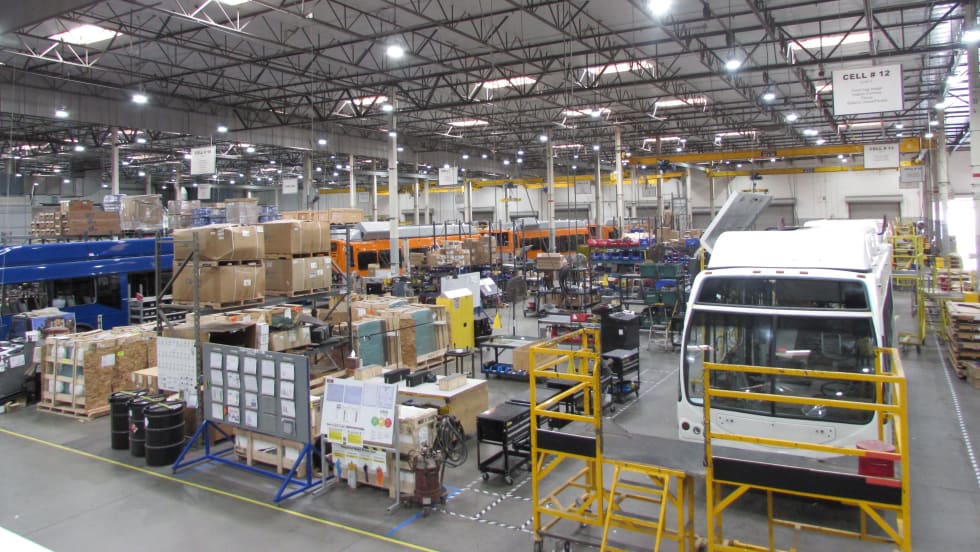
LA Metro Board Awards 220 Battery-Electric Bus Contract to ENC
The contract, which is the largest base award of battery-electric buses by a U.S. transit agency, will be built in Southern California, sustaining good jobs as LA prepares to welcome the world in 2028
Read More →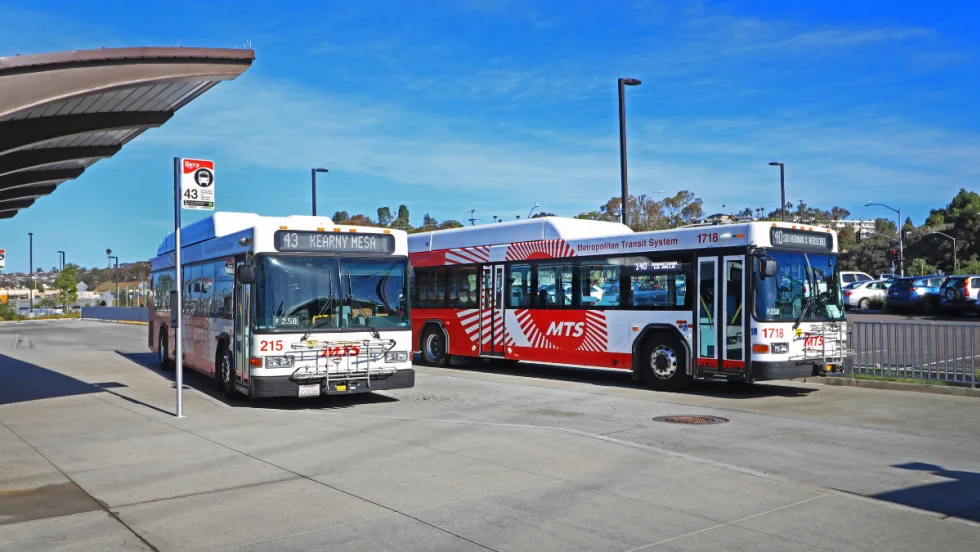
What’s Behind San Diego MTS’s Award-Winning Transit Strategy
Named one of APTA’s 2026 Outstanding Public Transportation Systems with 50 million or more annual passenger trips, California’s San Diego Metropolitan Transit System points to gains in ridership, safety, technology, and reliability as foundations of its success.
Read More →
Public Transit Conference Returning to GFX in 2027, Call for Papers Now Open
The Call for Papers is now open, allowing transit agency professionals and industry experts to help shape the PTC educational program by submitting session ideas for consideration.
Read More →
Indian River Transit’s Community-Focused Approach Earns National Recognition
Named APTA’s 2026 Outstanding Public Transportation System in its size category, Florida’s Indian River County transit system continues to grow ridership through fare-free service and a focus on evolving community needs.
Read More →
ENC Lands MATA Contract and More in Biz Briefs
In this edition of Biz Briefs, we spotlight the latest developments shaping the future of mobility.
Read More →From Surviving to Thriving: Building Stronger Transportation Organizations
Bus Business Consultants founder Brian Dickson shares lessons on leadership, organizational health, and creating options for long-term success in a changing transportation industry.
Read More →