



Laidlaw undergoes financial restructuring
High fuel prices and a tight labor market were a couple of the factors that brought Laidlaw Inc. to the brink of financial disaster and a suspension from the New York Stock Exchange.

High fuel prices and a tight labor market were a couple of the factors that brought Laidlaw Inc. to the brink of financial disaster and a suspension from the New York Stock Exchange. “While the company’s core passenger services performed reasonably well in the face of difficult operating conditions … the company’s future was imperiled by the severe reduction in value of our other principal assents,” said Chairman Peter Widdrington and President John Grainger in a letter to shareholders. Facing a debt of more than $3 billion, Laidlaw planned on selling such assets as Safety-Kleen Corp. and healthcare businesses American Medical Response Inc. and EmCare Holdings Inc. That plan was never executed because Safety-Kleen filed for bankruptcy and the value of the other two companies declined. “These reductions resulted in write-downs which eliminated the book value of shareholders’ equity, put Laidlaw in violation of its debt covenants and left the company with an unmanageable debt load,” the letter read. Laidlaw is currently undergoing a restructuring program, the details of which can not be disclosed due to government regulations, Grainger said. The company has consolidated liquidity in excess of $250 million as a result of cash-on-hand and the availability of $100 million under a bridge facility with the Canadian Imperial Bank of Commerce and more than $50 million under a $125 million facility established for Greyhound Lines Inc. “This working capital infusion enables all Laidlaw’s operating companies to continue to execute their business plans, effectively isolated from the process of restructuring Laidlaw’s balance sheet,” said Widdrington and Grainger. For fiscal year 2000, the company reported a loss of $2.24 billion on sales of $2.93 billion, compared with a loss of $1.12 billion on sales of $2.25 billion the year before. While Laidlaw remedies its financial situation, there will not be any service interruptions for its affiliate companies, including Greyhound, said T.A.G. Watson, Laidlaw’s vice president of communications. “We have an objective of keeping the companies active and whole and keeping them supplied with cash for their needs,” he said. “We are progressing.” The NYSE suspended trading in Laidlaw’s common shares and certain exchangeable notes after it fell below the continued list criterion that requires companies to maintain a minimum share price of $1 during a 30-day trading period. Laidlaw last traded at less than 10 cents a share. The company can still be traded on the Toronto Stock Exchange and over the counter in the U.S.
More Management

Bus Tech Talk: Keeping Transit Technicians Ahead of the Technology Curve
In this episode of Bus Tech Talk, Complete Coach Works’ Business Development Manager Mark Hollenbeck and METRO’s Executive Editor Alex Roman sit down with Obed Mejia, Senior Technical Trainer for Bus Maintenance, at LA Metro to discuss how rapidly evolving bus technology is changing the maintenance shop — and the skills technicians need to keep pace.
Read More →
Michael Schneider Joins Paslay Group to Expand Transportation Practice
The longtime transportation executive will help Paslay Group grow its advisory and program management work across transit, highway, and other infrastructure sectors.
Read More →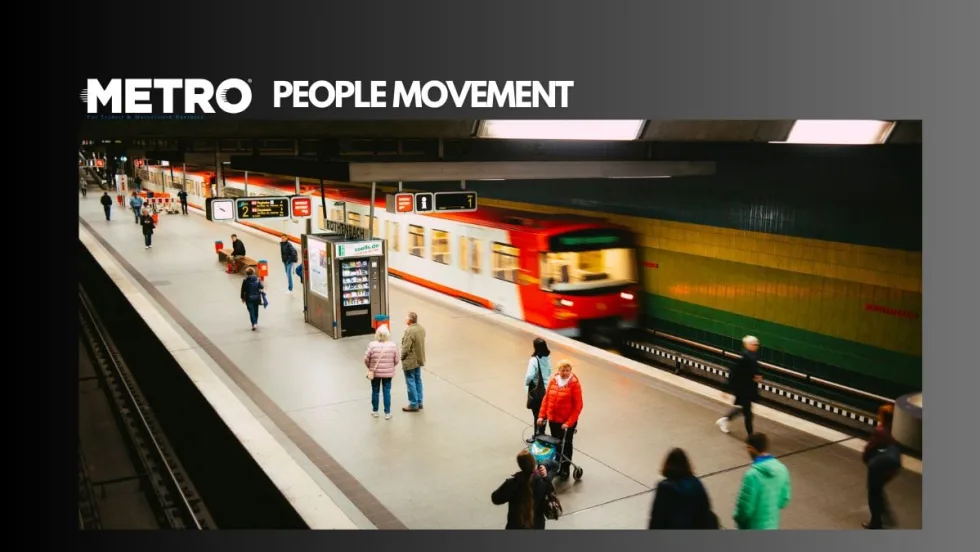
People Movement: Connectpoint Expands Leadership Team, Stadler Names New Group CEO, and More
In this edition, we also spotlight recent personnel moves at Burns, UZURV, and more, highlighting the people taking on new roles across the transportation industry.
Read More →
More Than a Summer Job: Building the Next Generation of Transit Talent
The Delaware River Port Authority and PATCO have transformed their internship program into a hands-on professional development experience that introduces students to the breadth of transportation careers — and creates a pipeline for future employees.
Read More →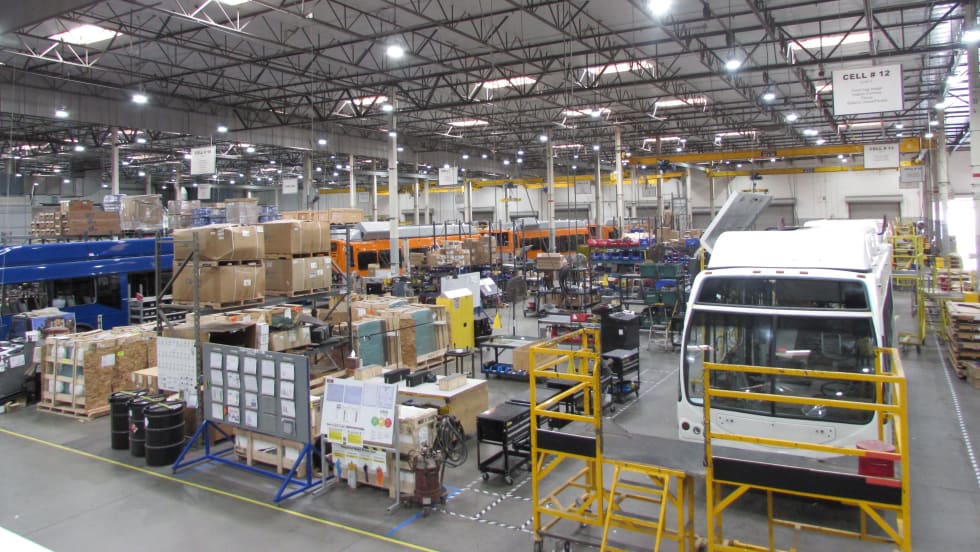
LA Metro Board Awards 220 Battery-Electric Bus Contract to ENC
The contract, which is the largest base award of battery-electric buses by a U.S. transit agency, will be built in Southern California, sustaining good jobs as LA prepares to welcome the world in 2028
Read More →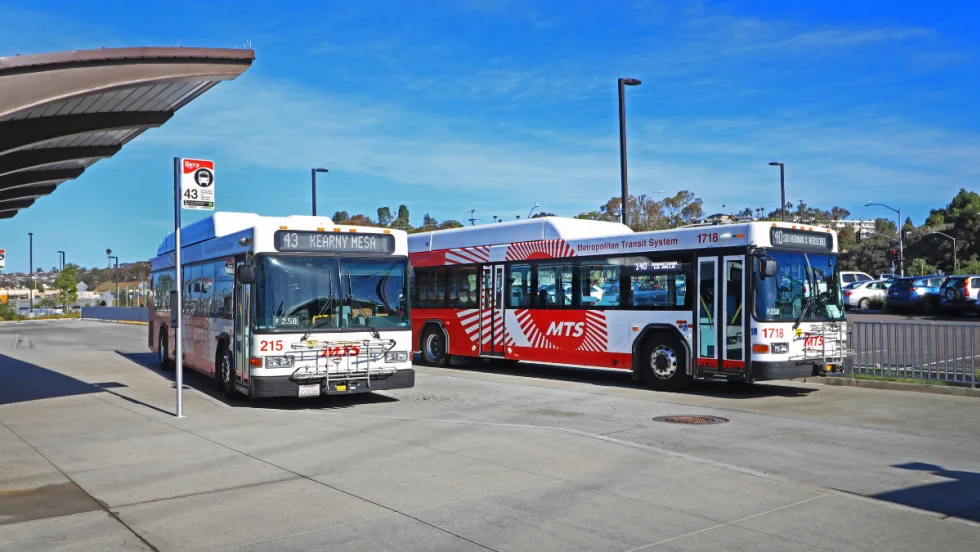
What’s Behind San Diego MTS’s Award-Winning Transit Strategy
Named one of APTA’s 2026 Outstanding Public Transportation Systems with 50 million or more annual passenger trips, California’s San Diego Metropolitan Transit System points to gains in ridership, safety, technology, and reliability as foundations of its success.
Read More →
Public Transit Conference Returning to GFX in 2027, Call for Papers Now Open
The Call for Papers is now open, allowing transit agency professionals and industry experts to help shape the PTC educational program by submitting session ideas for consideration.
Read More →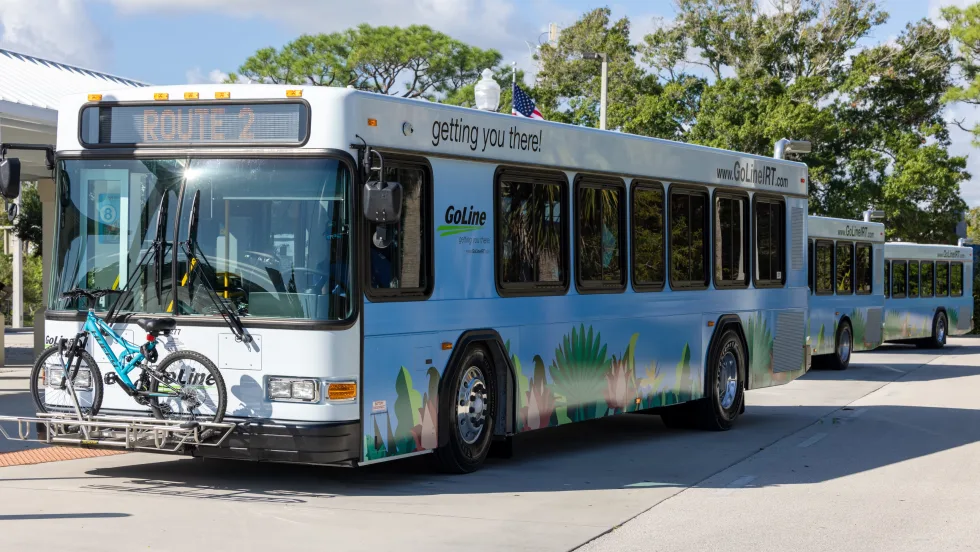
Indian River Transit’s Community-Focused Approach Earns National Recognition
Named APTA’s 2026 Outstanding Public Transportation System in its size category, Florida’s Indian River County transit system continues to grow ridership through fare-free service and a focus on evolving community needs.
Read More →
ENC Lands MATA Contract and More in Biz Briefs
In this edition of Biz Briefs, we spotlight the latest developments shaping the future of mobility.
Read More →From Surviving to Thriving: Building Stronger Transportation Organizations
Bus Business Consultants founder Brian Dickson shares lessons on leadership, organizational health, and creating options for long-term success in a changing transportation industry.
Read More →