



Light rail postponed in Grand Canyon
Congressional intervention put plans for light rail transit in Arizona’s Grand Canyon National Park on indefinite hold.

Congressional intervention put plans for light rail transit in Arizona’s Grand Canyon National Park on indefinite hold. Park management planned on releasing its final request for proposal in October of last year, said Brad Traver, project manager for the proposed rail line. At that time, Rep. Ralph Regula (R-Ohio), chairman of the House Interior Appropriations Subcommittee, requested that the release be delayed until members of the Arizona congressional delegation could be briefed. After a visit to the park in late November, Rep. John Shadegg and Sen. Jon Kyl, both Republicans from Arizona, introduced legislation to halt the procurement process while non-rail alternatives were considered. The congressmen were concerned with the cost of introducing light rail when lower capacity alternatives would suffice, Traver said. He said that visitation at the Grand Canyon had been flat since 1993. The park considered rubber tire bus options before deciding on light rail, said Traver. He said that the choice of light rail reflected a desire to eliminate the time and expense of stop-gap measures by investing in a system that could support the park’s eventual capacity. The decision was made as part of a larger master planning effort that offered the public three alternatives: limiting automobile access, building more roads and parking lots or developing a public transportation system. Demand for parking spaces was the main impetus for considering transportation alternatives. The environmental benefits of a rail or bus system were an incidental plus, he said. “Any mass transit alternative is cleaner than bringing more automobiles into the park,” Traver said. “Our primary issue is visitor service.” Lea & Elliot, David Evans & Associates and the architectural firm Overland Partners were hired to conduct the study of transit alternatives to light rail. The park will examine new technologies, including dedicated roads and guided rubber tire vehicles that may approach light rail’s capacity, Traver said. The report is due in Congress on June 1 and Traver said that implementation of any project could not be expected before summer 2003. “The question is how a system gets from its initial stages to managing the ultimate capacity of the park,” Traver said. The light rail scheme shelved in October would have been privately financed, paid for entirely with park entrance fees. Traver noted that subsequent congressional interest may open up the possibility for federal funding of whatever system is eventually implemented.
More Rail
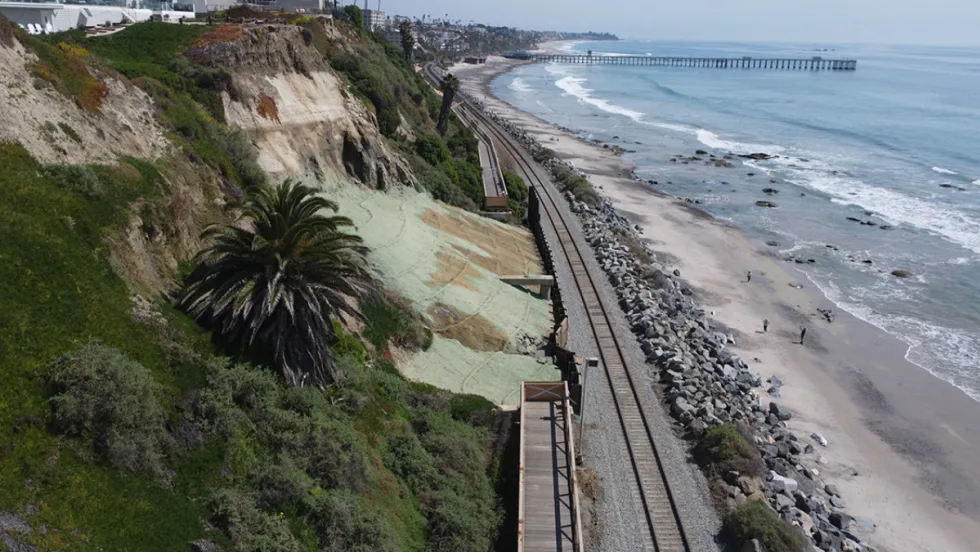
OCTA Declares Emergency to Protect Rail Corridor From Coastal Erosion
The California agency is accelerating shoreline protection and plans to place approximately 690,000 cubic yards of sand along the San Clemente coast to protect a key passenger and freight rail link.
Read More →
More Than a Summer Job: Building the Next Generation of Transit Talent
The Delaware River Port Authority and PATCO have transformed their internship program into a hands-on professional development experience that introduces students to the breadth of transportation careers — and creates a pipeline for future employees.
Read More →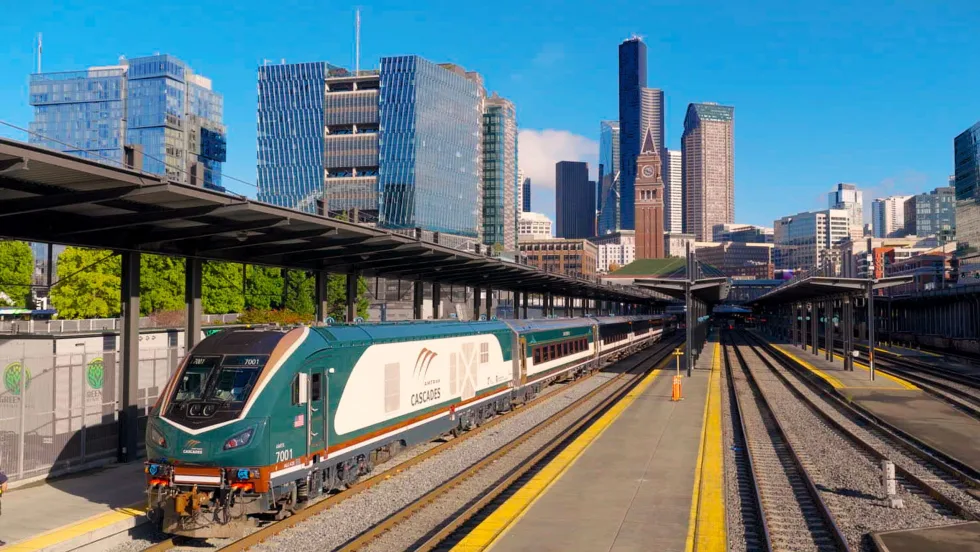
Airo Trains Make Their Amtrak Cascades Debut in the Pacific Northwest
Effective immediately, two cutting-edge Airo trainsets will join the Amtrak Cascades route, operating four daily trips between Vancouver, B.C., Seattle, Portland, and Eugene, Oregon, marking the first introduction of Airo trains into passenger service anywhere in the country.
Read More →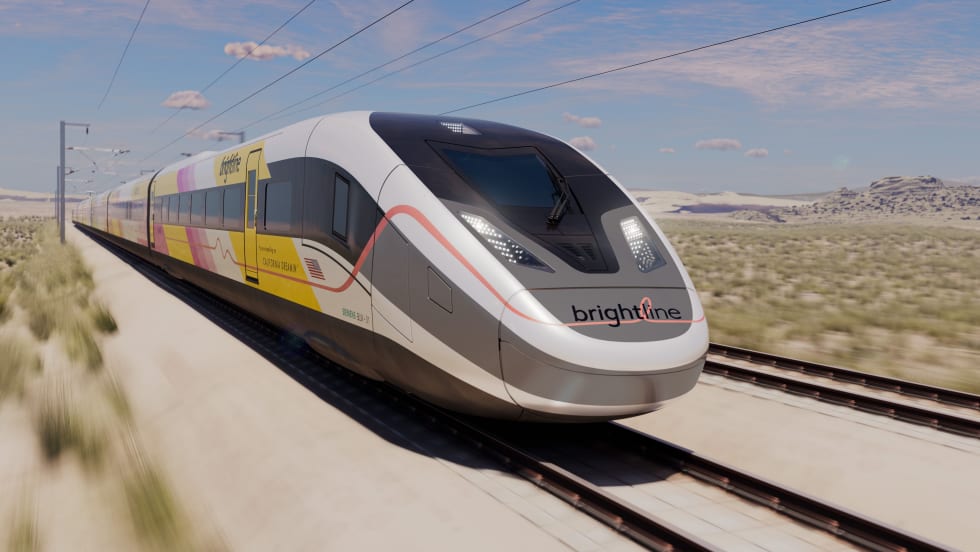
Florida's Brightline Announces Financial Restructuring
Brightline Florida says train operations will continue as normal as certain parent entities enter Chapter 11 and financial stakeholders provide $490 million in new long-term capital.
Read More →
ENC Lands MATA Contract and More in Biz Briefs
In this edition of Biz Briefs, we spotlight the latest developments shaping the future of mobility.
Read More →
Strada360’s Steve Lassey on Turning Transit Data Into Better Decisions
From breaking down data silos to preparing for AI, Strada360 CEO Steve Lassey discusses how transit agencies can use technology to improve operations, customer information, and long-term decision-making.
Read More →
SEPTA Details Accelerate Vision for Transit System
The plan outlines investments in trolley modernization, new Metro and Regional Rail vehicles, accessible stations, and more frequent bus and rail service.
Read More →
FTA Ends Direct Oversight of MBTA Safety Actions
The federal agency closed its remaining special directive to the Massachusetts Department of Public Utilities following a safety review that began in 2022.
Read More →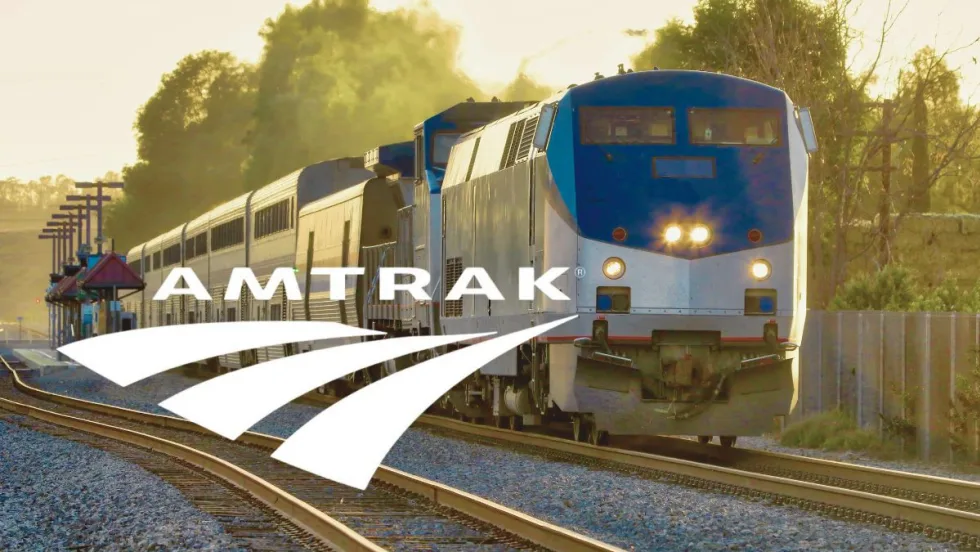
Amtrak, CN Reach Agreements to Strengthen Passenger Rail Service, Safety
The agreement resolves a more than decade-long proceeding before the Surface Transportation Board concerning the terms and conditions for Amtrak services, such as the City of New Orleans, Illini/Saluki, and Wolverine.
Read More →
New York MTA Advances Final Contract for Second Avenue Subway Expansion
Contract Four is the largest in the Second Avenue Subway Phase 2 project and includes construction of station infrastructure, tracks, and signals for the subway expansion, MTA officials said. Work on Contract Four will begin in 2027.
Read More →