



Monterey Salinas Transit harvest mustard seeds for bio conversion
After planting, mustard seed requires little to no irrigation or tending, in contrast to other higher-maintenance biofuel crops such as corn.
California-based Monterey-Salinas Transit (MST) is working to convert its fleet to biodiesel fuel derived from refined mustard seeds grown from its own crop. “To our knowledge, MST will be the first public transit agency in the country — and perhaps the world — to sustainably produce biodiesel for fleet operations,” said MST’s General Manager/CEO Carl Sedoryk.
The agency, which harvested 10 acres of its first crop in mid-August, plans to introduce the mustard seed-based biofuel into its fleet in October, said Hunter Harvath, asst. GM, finance and administration.
Once the fuel is processed, “we think we’ll have enough to fuel one vehicle for a year, but we’re not going to segregate it into one,” he said. The fleet consists of 78 Gillig buses, six Optima trolleys and 15 gasoline-powered minibuses.
While MST awaits the oil processing phase, the fleet began operating on biodiesel fuel derived from waste oil. To prepare for the conversion to biofuel, the agency cleaned its fuel storage tanks and installed new filters on its hoses and dispensers, said Mike Hernandez, MST’s asst. GM, chief operating officer. “Our ultimate goal is being able to realize 150,000 gallons of renewable fuel versus non-renewable fuel.”
MST entered the testing phase of the biodiesel project in early February, by planting two varieties of mustard seed, Pacific Gold and Wild California, along with barley as a control, on 30 acres of land owned by San Bernabe Vineyards in south Monterey County. This test will determine which variety of mustard will produce the highest crop yield, and thus produce the most fuel.
After planting, the crop requires little to no irrigation or tending, in contrast to other higher-maintenance biofuel crops such as corn. And, because mustard seed is planted as a “cover crop” during the off-season, it would not displace other commodity crops (i.e., corn, soybeans, etc.) nor drive up prices for food — recently cited as a potentially adverse impact of the biofuel industry.
Once harvested, the mustard seeds are pressed into raw oil, which is then refined into biofuel. The resulting blend will combine 20 percent bio and 80 percent diesel, Harvath said.
MST has partnered with Energy Alternatives Solutions Inc., (BioEASI) to convert the crop into biodiesel in an effort to reduce overall energy consumption in the transportation and production of the crop. “We want [the mustard] grown in Monterey County, we want it processed in Monterey County and we want it used in Monterey County,” said Harvath of the sustainable aspect of the project.
Furthermore, mustard seed is a fully sustainable product in that the “spicy” mustard meal created as a byproduct after the oil is extracted can then be used as a biopesticide and fertilizer for crops, including the many local organic farming operations in the county.
“These biopesticide and fertilizer properties, along with the fact that it can be grown in rotation as a cover or fallow crop in the winter, has the potential to make this process economically viable for farmers throughout many parts of the state and the U.S.,” said Farm Fuel Inc. representative Robert Van Buskirk, who has been leading the technical research and development of the mustard seed biofuel process.
The mustard seed biofuel initiative is a project of Competitive Clusters: C2 – a public/private partnership for economic development in Monterey County, sponsored by the Monterey County Office of Economic Development and the Monterey County Business Council. Through this project, MST hopes to further reduce vehicle and coach emissions with the goal of operating buses using biodiesel in 2008.
More Management

ENC Lands MATA Contract and More in Biz Briefs
In this edition of Biz Briefs, we spotlight the latest developments shaping the future of mobility.
Read More →
From Surviving to Thriving: Building Stronger Transportation Organizations
Bus Business Consultants founder Brian Dickson shares lessons on leadership, organizational health, and creating options for long-term success in a changing transportation industry.
Read More →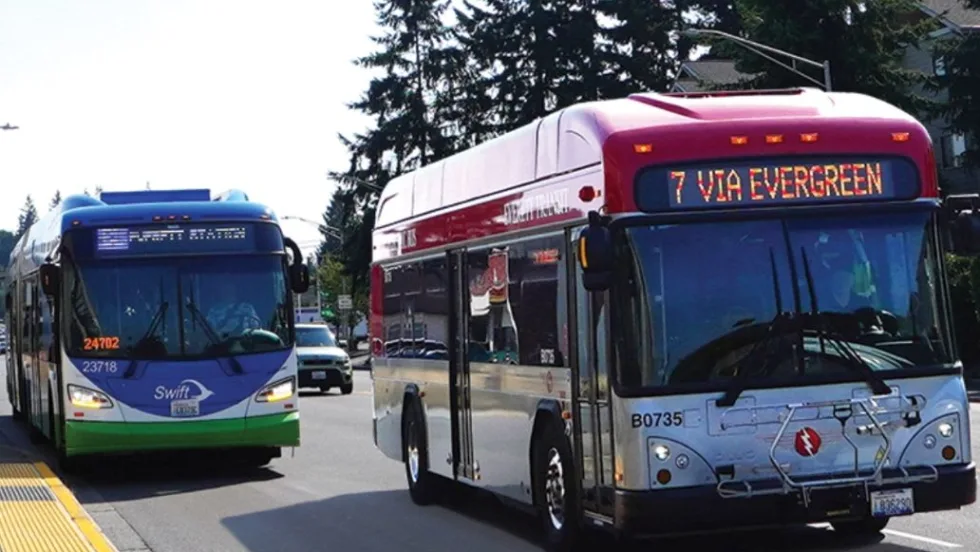
Everett Transit, Community Transit Outline Consolidation Agreement
The proposed agreement calls for a 50% increase in bus service in Everett, a new microtransit zone, continued paratransit service, and the transfer of Everett Transit operations to Community Transit.
Read More →

Strada360’s Steve Lassey on Turning Transit Data Into Better Decisions
From breaking down data silos to preparing for AI, Strada360 CEO Steve Lassey discusses how transit agencies can use technology to improve operations, customer information, and long-term decision-making.
Read More →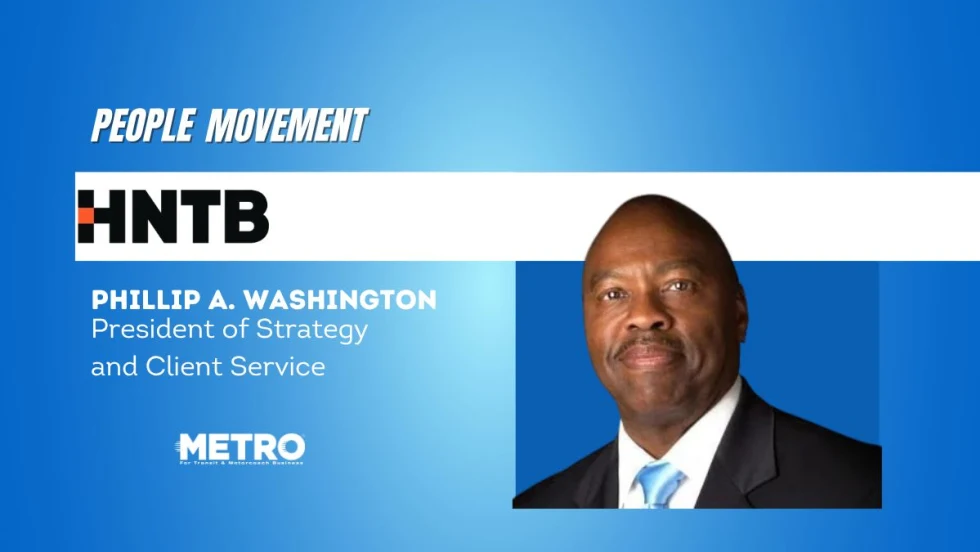
People Movement: Phil Washington Joins HNTB, Denver RTD Launches CEO Search, and More
In this edition, we also spotlight recent personnel moves at STV, the Eno Center for Transportation, and more, highlighting the people taking on new roles across the transportation industry.
Read More →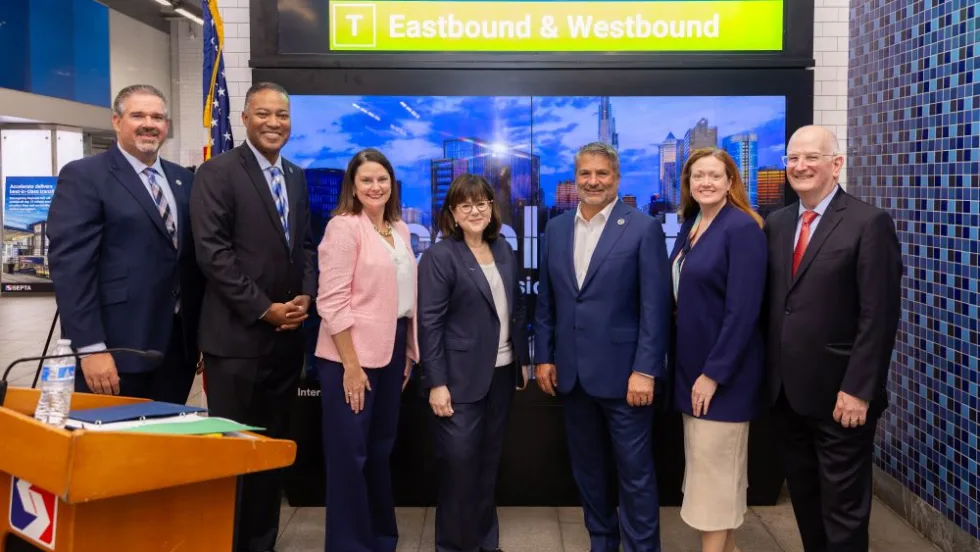
SEPTA Details Accelerate Vision for Transit System
The plan outlines investments in trolley modernization, new Metro and Regional Rail vehicles, accessible stations, and more frequent bus and rail service.
Read More →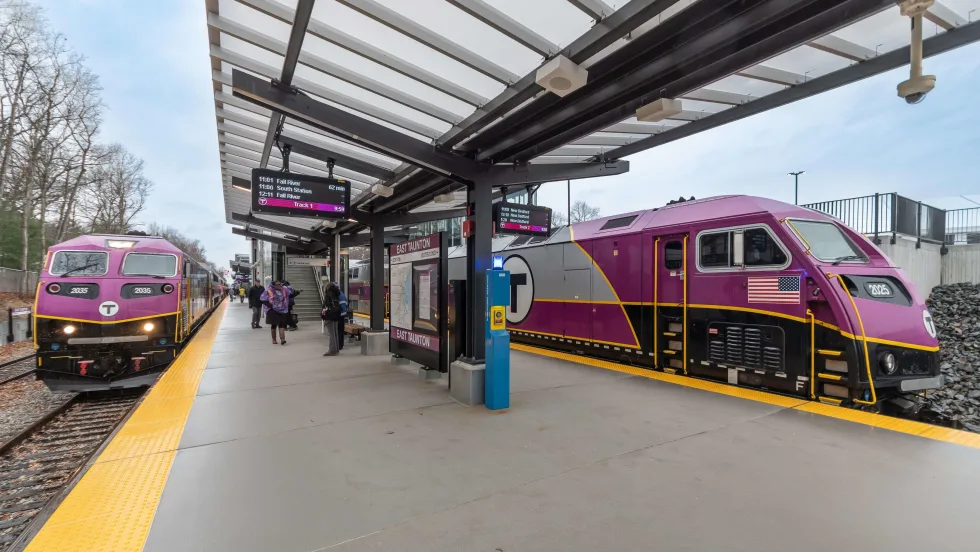
FTA Ends Direct Oversight of MBTA Safety Actions
The federal agency closed its remaining special directive to the Massachusetts Department of Public Utilities following a safety review that began in 2022.
Read More →
Report: Transit Bus Manufacturing Supports 34,100 Jobs, $5.1B in GDP
The “Buses Mean Business” report examines the transit bus manufacturing industry’s economic footprint, supply chain, and rising demand for vehicle replacements.
Read More →
LIT Marks 10-Year Milestone at Annual Summit
Hosted by the COTA from September 10 to 13, the Summit carried the theme “Celebrating 10 Years of Excellence, Leadership, and Impact,” with every part of the program honoring the people, agencies, and partners who built LIT over its first decade.
Read More →
People Movement: Dan Dipert Coaches Adds Third-Generation Leader, Keolis Names New Valley Metro VP/GM, and More
In this edition, we also cover recent appointments and announcements at the Wabtec, SilverRide, HNTB, and more, showcasing the individuals helping to shape the future of transportation.
Read More →