



No. 1 reason why TQM plans fail? No leadership
The total quality management (TQM) revolution has now been entrenched in the public transport community for several years now, long enough for people to start evaluating its effects on product and service quality.
The total quality management (TQM) revolution has now been entrenched in the public transport community for several years now, long enough for people to start evaluating its effects on product and service quality. These early initial results are not encouraging. For reasons similar to the disappointment many experienced in other industries, public transport operators and suppliers are questioning their investment in quality initiatives. These doubters may keep their comments to themselves, for fear of being branded “politically incorrect,” or worse repercussions. Yet, rest assured these second thoughts are out there and must be dealt with. TQM neither religion nor fad According to a variety of management studies, between two-thirds and 80% of TQM initiatives fail to capture sufficient returns for the organization soon enough to make them worth their while and are abandoned. The statistic at left indicates the average rate of company TQM failures is nearly three out of four. By contrast, marriage in America, an institution that saw half end in failure, is making a comeback. The reasons most experts give for such failures come in three basic categories, all of which apply to companies and public agencies involved with TQM failures in public transport. First, management abandons the initiative too early, often as early as six months after its launch, because it doesn’t see tangible enough returns on the not-insignificant investment required by TQM. Second, the TQM plan isn’t tailored sufficiently to the needs of the company because someone is using a “quick and dirty” off-the-shelf approach and/or because not enough resources and backing was given to those responsible for implementing it. Third, and this applies to too many public transport suppliers, companies are adopting TQM only because they think the marketplace demands it, not because they are sold on the concept. All those, however, boil down to one font of failure: lack of leadership. TQM and ISO 9000 must begin with written corporate commitment—and management must mean every word of it, every day. In the words of one TQM veteran, “It is neither a religion nor a fad. It requires hard work and commitment to its success.” What TQM and Web share There are similarities between TQM initiatives and corporate Internet strategies. Both have the same failure rate. And, according to a former executive at one of those struggling dot-coms (redundant?): “The No. 1 reason why so many Internet projects fail is the failure of top management to get involved. CEOs must lead. Only they can explain why it is being done and what it means for everyone in the organization. When they don’t it’s the kiss of death.” The same could also be said of TQM, almost to a word. I posted a recent message to participants in a maintenance discussion group funded by the Transportation Research Board. I asked the community what it thought of ISO 9000. The answers were enlightening. Without revealing what I think are confidences, everyone who replied is not seeing much change in product quality after public transport suppliers became registered to one of the ISO quality standards. Many of them still back the promise of ISO 9000, but feel the companies are not engaging in enough follow-through once they receive their certificates of registration. To me, that’s a failure of leadership, of using the bully pulpit, of setting the tone for a corporate culture. I hope these comments are also finding their way back to the companies themselves, because a major aspect of TQM and ISO 9000 is managing the change required of customer feedback; in the ISO 9000 standards it’s called “corrective action.” Quality is not an easy road. The commitment is arduous and the rewards might not materialize for years. In today’s corporate world, that might be tough to take. Someone must lead, including suppliers, operators and in government where the funds are given out.
More Management

Bus Tech Talk: Keeping Transit Technicians Ahead of the Technology Curve
In this episode of Bus Tech Talk, Complete Coach Works’ Business Development Manager Mark Hollenbeck and METRO’s Executive Editor Alex Roman sit down with Obed Mejia, Senior Technical Trainer for Bus Maintenance, at LA Metro to discuss how rapidly evolving bus technology is changing the maintenance shop — and the skills technicians need to keep pace.
Read More →
Michael Schneider Joins Paslay Group to Expand Transportation Practice
The longtime transportation executive will help Paslay Group grow its advisory and program management work across transit, highway, and other infrastructure sectors.
Read More →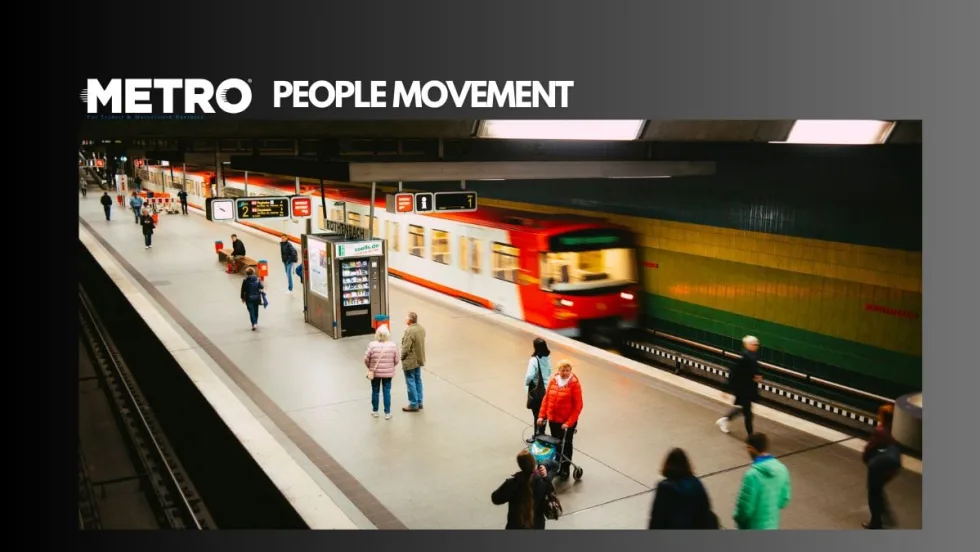
People Movement: Connectpoint Expands Leadership Team, Stadler Names New Group CEO, and More
In this edition, we also spotlight recent personnel moves at Burns, UZURV, and more, highlighting the people taking on new roles across the transportation industry.
Read More →
More Than a Summer Job: Building the Next Generation of Transit Talent
The Delaware River Port Authority and PATCO have transformed their internship program into a hands-on professional development experience that introduces students to the breadth of transportation careers — and creates a pipeline for future employees.
Read More →
LA Metro Board Awards 220 Battery-Electric Bus Contract to ENC
The contract, which is the largest base award of battery-electric buses by a U.S. transit agency, will be built in Southern California, sustaining good jobs as LA prepares to welcome the world in 2028
Read More →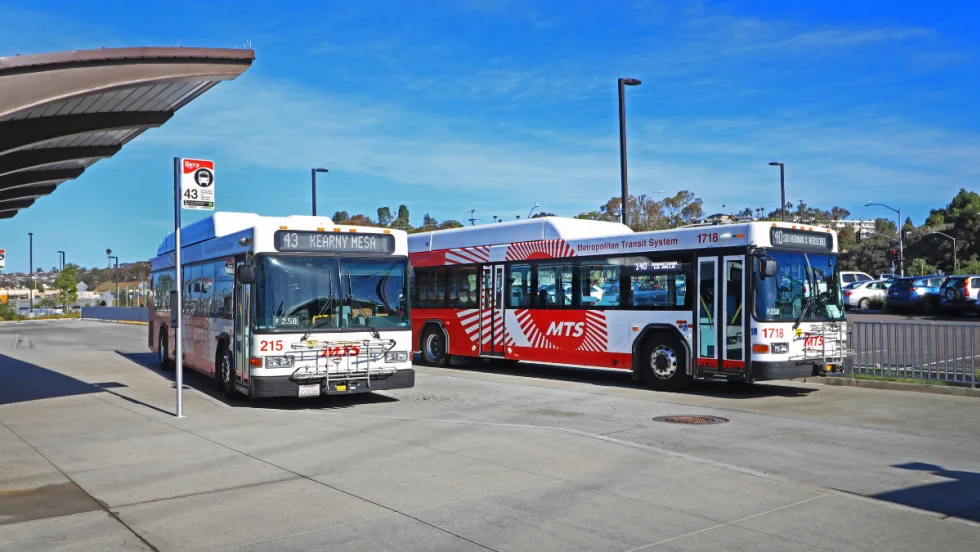
What’s Behind San Diego MTS’s Award-Winning Transit Strategy
Named one of APTA’s 2026 Outstanding Public Transportation Systems with 50 million or more annual passenger trips, California’s San Diego Metropolitan Transit System points to gains in ridership, safety, technology, and reliability as foundations of its success.
Read More →
Public Transit Conference Returning to GFX in 2027, Call for Papers Now Open
The Call for Papers is now open, allowing transit agency professionals and industry experts to help shape the PTC educational program by submitting session ideas for consideration.
Read More →
Indian River Transit’s Community-Focused Approach Earns National Recognition
Named APTA’s 2026 Outstanding Public Transportation System in its size category, Florida’s Indian River County transit system continues to grow ridership through fare-free service and a focus on evolving community needs.
Read More →
ENC Lands MATA Contract and More in Biz Briefs
In this edition of Biz Briefs, we spotlight the latest developments shaping the future of mobility.
Read More →From Surviving to Thriving: Building Stronger Transportation Organizations
Bus Business Consultants founder Brian Dickson shares lessons on leadership, organizational health, and creating options for long-term success in a changing transportation industry.
Read More →