



Northeast's harsh winter chills coach operators
Record low temperatures are making life hard on tour operators in the northeastern U.S.

Snow and extreme cold, combined with inaccurate weather forecasts, have taken a toll on coach operators in the Northeast. Erroneous weather forecasts create the greatest challenge, said Mark Waterhouse, president of Classic Tours in Lakewood, N.J. He said nearly 50% of cancellations by customers can be attributed to inaccurate weather warnings. “We’ve had many trips canceled that didn’t have to be,” said Waterhouse. “People in New England think we’re a joke when there’s no snow and we’re not operating.” J.T. Bus Lines in North Adams, Mass., has not had many cancellations, but has experienced a decrease in the number of trips being booked, according to Jean Kurpiel, treasurer. “People just want to stay home when it is so cold,” Kurpiel said. “The snow has been about the same [as in past years], but it is much colder and that has affected business.” Premier Coach Co. in Colchester, Vt., is used to prolonged periods of cold and snow, but the timing of the snow created hardships this winter. “We got two large snowfalls in a 10-day period prior to the Christmas holidays,” said Bob Hopwood, general manager. “They both fell on weekends and we don’t expect that kind of snow in early December.” Hopwood said those storms resulted in $20,000 worth of cancellations. The company guarantees all trips unless the state closes the roads, but customers are much more likely to back out. Cancellations due to adverse weather have no penalty, a policy Hopwood said customers appreciate and reward. “We recognize that everyone reacts to weather differently, and we respect those who choose not to travel,” said Hopwood. “Usually the customer is anxious to reschedule the trip with us.” An awareness of how the vehicles operate in cold, snow and ice is necessary to operate safely in these conditions, said Hopwood. He said operators from areas with higher temperatures face unexpected problems that can easily be avoided with proper maintenance. Diesel fuel begins to gel as temperatures fall, but including a fuel additive eliminates the problem. Keeping a vehicle plugged in or running when not in use can be expensive and operators should know when this is needed. Hopwood said his vehicles are fine outside unless the temperature drops below minus 20. “We keep the equipment inside whenever possible, but if this can’t be done there are measures that are taken to keep everything running safely.” Jack Clark of Dufour Escorted Tours in Hinsdale, Mass., is holding on to the promise of better business in the spring. Tours to Florida in March and April are quickly being booked, he said. — Kristen Force
More Management
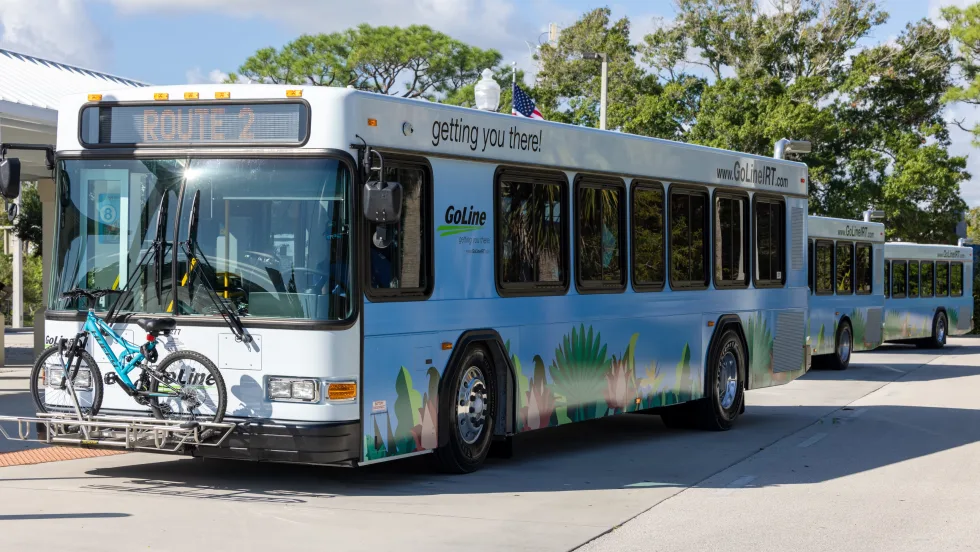
Indian River Transit’s Community-Focused Approach Earns National Recognition
Named APTA’s 2026 Outstanding Public Transportation System in its size category, Florida’s Indian River County transit system continues to grow ridership through fare-free service and a focus on evolving community needs.
Read More →
ENC Lands MATA Contract and More in Biz Briefs
In this edition of Biz Briefs, we spotlight the latest developments shaping the future of mobility.
Read More →
From Surviving to Thriving: Building Stronger Transportation Organizations
Bus Business Consultants founder Brian Dickson shares lessons on leadership, organizational health, and creating options for long-term success in a changing transportation industry.
Read More →

Everett Transit, Community Transit Outline Consolidation Agreement
The proposed agreement calls for a 50% increase in bus service in Everett, a new microtransit zone, continued paratransit service, and the transfer of Everett Transit operations to Community Transit.
Read More →
Strada360’s Steve Lassey on Turning Transit Data Into Better Decisions
From breaking down data silos to preparing for AI, Strada360 CEO Steve Lassey discusses how transit agencies can use technology to improve operations, customer information, and long-term decision-making.
Read More →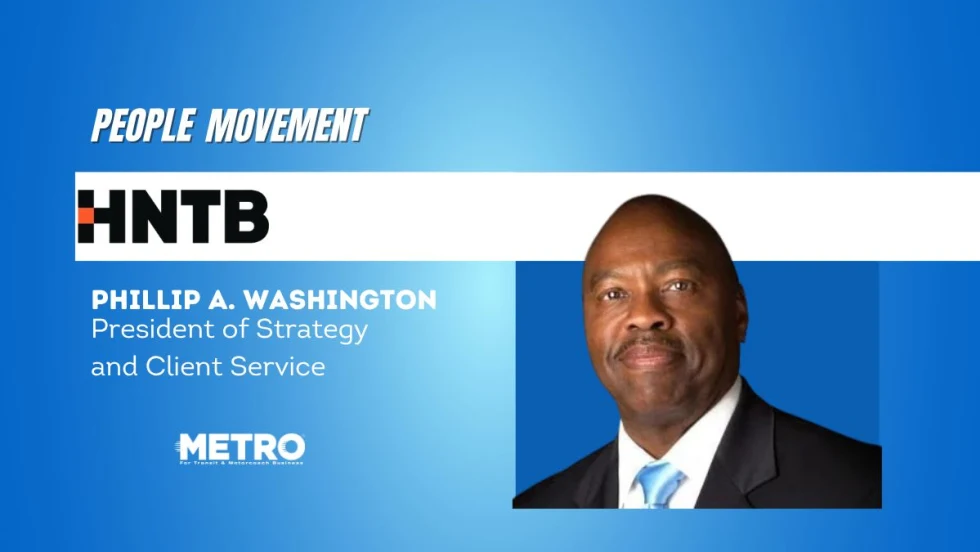
People Movement: Phil Washington Joins HNTB, Denver RTD Launches CEO Search, and More
In this edition, we also spotlight recent personnel moves at STV, the Eno Center for Transportation, and more, highlighting the people taking on new roles across the transportation industry.
Read More →
SEPTA Details Accelerate Vision for Transit System
The plan outlines investments in trolley modernization, new Metro and Regional Rail vehicles, accessible stations, and more frequent bus and rail service.
Read More →
FTA Ends Direct Oversight of MBTA Safety Actions
The federal agency closed its remaining special directive to the Massachusetts Department of Public Utilities following a safety review that began in 2022.
Read More →
Report: Transit Bus Manufacturing Supports 34,100 Jobs, $5.1B in GDP
The “Buses Mean Business” report examines the transit bus manufacturing industry’s economic footprint, supply chain, and rising demand for vehicle replacements.
Read More →
LIT Marks 10-Year Milestone at Annual Summit
Hosted by the COTA from September 10 to 13, the Summit carried the theme “Celebrating 10 Years of Excellence, Leadership, and Impact,” with every part of the program honoring the people, agencies, and partners who built LIT over its first decade.
Read More →