



NTSB: Medical screening of drivers needs overhaul
An inadequate medical certification process for commercial bus and truck drivers contributed to the 1999 crash of a motorcoach bus along a Louisiana highway that killed 22 passengers.

An inadequate medical certification process for commercial bus and truck drivers contributed to the 1999 crash of a motorcoach bus along a Louisiana highway that killed 22 passengers. That was one of the conclusions of federal investigators in a report adopted by the National Transportation Safety Board (NTSB) on Aug. 28. Frank Bedell, the 46-year-old bus driver involved in the May 9, 1999, accident, suffered from severe kidney and heart conditions that most likely led to the crash and should have precluded him from obtaining a medical certificate, the board said. Other factors may have been Bedell’s fatigue and his use of marijuana and an antihistamine. He held a current CDL and medical certificate. The bus, operated by Custom Bus Charters Inc., was transporting 43 passengers from La Place, La., to a casino on Mississippi’s Gulf Coast when the crash occurred. The bus ran off the highway while traveling eastbound on Interstate 610 in New Orleans. Witnesses reported that moments before the crash the bus was drifting between the left and center lanes. It drove off the right side of the highway, crossed the shoulder, struck the terminal end of a guardrail and slammed into a dirt embankment. The safety board recommended that the Federal Motor Carrier Safety Administration (FMCSA) develop a comprehensive medical oversight program for interstate commercial drivers. Chief among the requirements would be that health providers who perform driver examinations understand the physical requirements of the occupation and that drivers be prevented from “doctor shopping” to find an examiner who would issue a favorable report. Bedell, who was severely injured in the crash, died three months after the incident from heart failure. Investigators said he had been fired from two other transportation companies after failing drug tests. The NTSB recommended that the FMCSA develop a system that records all positive drug and alcohol test results and require prospective employers to query the system before making a hiring decision. In response to the NTSB report, the American Bus Association (ABA) said it supports the principles of the safety board’s call for a tougher medical oversight system. “A number of unacceptable, and in this case tragic, safety loopholes in existing federal and state certification and reporting procedures must be rectified,” said Peter J. Pantuso, the ABA’s president and chief executive. The ABA also asked that the FMCSA consider requiring medical review officers to report verified positive drug and alcohol test results to the state that issued the CDL. “This is a tragic confirmation of the need for reforms in FMCSA driver qualification rules that we’ve called for so many times,” said Steve Sprague, chief operating officer of the United Motorcoach Association. “Coach operators need to have as much information about drivers as possible.” The crashworthiness of large buses was also addressed in the report, which cited a lack of federal regulations regarding passive and active occupant protection systems. The safety board recommended that the National Highway Traffic Safety Administration develop an occupant restraint system for motorcoaches that keeps passengers within the seating compartment in all types of crashes.
More Management

Bus Tech Talk: Keeping Transit Technicians Ahead of the Technology Curve
In this episode of Bus Tech Talk, Complete Coach Works’ Business Development Manager Mark Hollenbeck and METRO’s Executive Editor Alex Roman sit down with Obed Mejia, Senior Technical Trainer for Bus Maintenance, at LA Metro to discuss how rapidly evolving bus technology is changing the maintenance shop — and the skills technicians need to keep pace.
Read More →
Michael Schneider Joins Paslay Group to Expand Transportation Practice
The longtime transportation executive will help Paslay Group grow its advisory and program management work across transit, highway, and other infrastructure sectors.
Read More →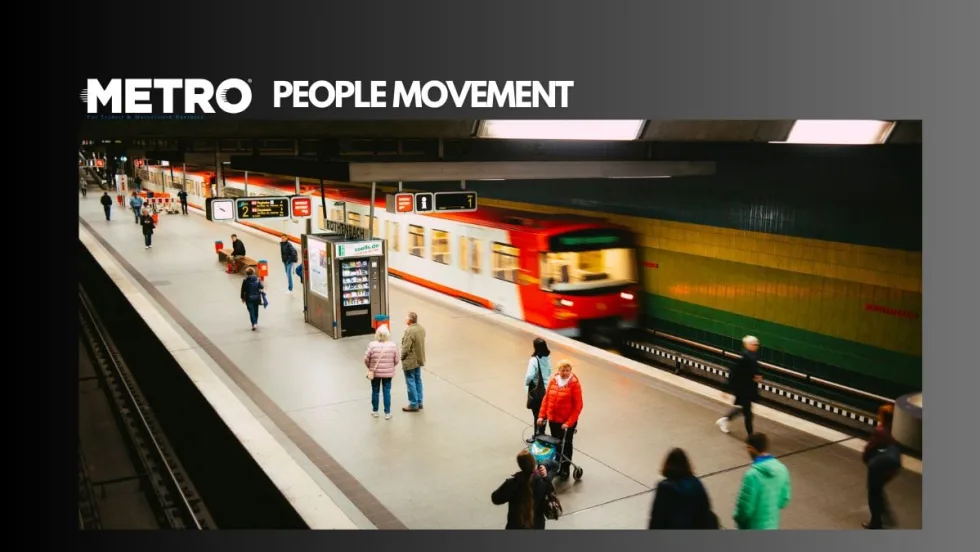
People Movement: Connectpoint Expands Leadership Team, Stadler Names New Group CEO, and More
In this edition, we also spotlight recent personnel moves at Burns, UZURV, and more, highlighting the people taking on new roles across the transportation industry.
Read More →
More Than a Summer Job: Building the Next Generation of Transit Talent
The Delaware River Port Authority and PATCO have transformed their internship program into a hands-on professional development experience that introduces students to the breadth of transportation careers — and creates a pipeline for future employees.
Read More →
LA Metro Board Awards 220 Battery-Electric Bus Contract to ENC
The contract, which is the largest base award of battery-electric buses by a U.S. transit agency, will be built in Southern California, sustaining good jobs as LA prepares to welcome the world in 2028
Read More →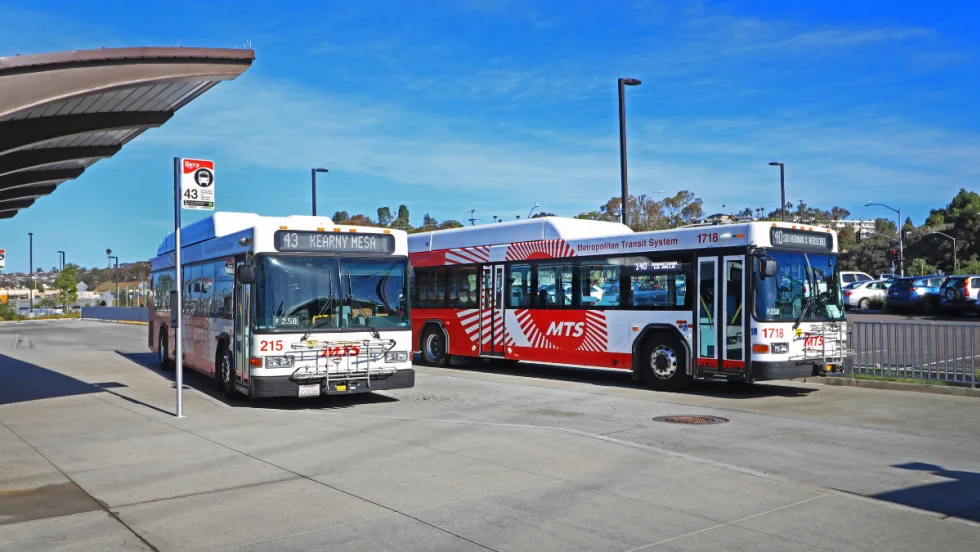
What’s Behind San Diego MTS’s Award-Winning Transit Strategy
Named one of APTA’s 2026 Outstanding Public Transportation Systems with 50 million or more annual passenger trips, California’s San Diego Metropolitan Transit System points to gains in ridership, safety, technology, and reliability as foundations of its success.
Read More →
Public Transit Conference Returning to GFX in 2027, Call for Papers Now Open
The Call for Papers is now open, allowing transit agency professionals and industry experts to help shape the PTC educational program by submitting session ideas for consideration.
Read More →
Indian River Transit’s Community-Focused Approach Earns National Recognition
Named APTA’s 2026 Outstanding Public Transportation System in its size category, Florida’s Indian River County transit system continues to grow ridership through fare-free service and a focus on evolving community needs.
Read More →
ENC Lands MATA Contract and More in Biz Briefs
In this edition of Biz Briefs, we spotlight the latest developments shaping the future of mobility.
Read More →From Surviving to Thriving: Building Stronger Transportation Organizations
Bus Business Consultants founder Brian Dickson shares lessons on leadership, organizational health, and creating options for long-term success in a changing transportation industry.
Read More →