



STAR Transit, ITLC Team Up on Workforce Mentorship Initiative
The Guiding Star Mentor Program connects experienced operators with new employees to support onboarding, retention, and long-term career growth.

In 2021, the FTA selected ITLC to operate the Transit Workforce Center (TWC) — the agency’s first-ever national technical assistance center focused on transit workforce development.
METRO/STAR Transit
- The collaboration between STAR Transit and ITLC focuses on workforce mentorship.
- The Guiding Star Mentor Program pairs seasoned operators with newcomers.
- The initiative aims to enhance employee onboarding, retention, and career advancement.
*Summarized by AI
Terrel, Texas-based STAR Transit launched its Guiding Star Mentor Program in collaboration with the International Transportation Learning Center (ITLC), a national nonprofit organization based in Silver Spring, Maryland.
ITLC is dedicated to advancing frontline workforce development across critical industry sectors, including transportation, infrastructure, and advanced manufacturing.
ITLC Partnership
In 2021, the Federal Transit Administration (FTA) selected ITLC to operate the Transit Workforce Center (TWC) — the agency’s first-ever national technical assistance center focused on transit workforce development.
Through TWC, ITLC supports public transportation providers and their partners with frontline workforce recruitment, hiring, retention, training, and career advancement strategies.
“The Guiding Star Mentor Program represents our commitment to investing in our people,” said STAR Transit’s Executive Director Tommy Henricks. “Through this collaboration with the Transit Workforce Center, we are strengthening training, mentorship, and career pathways that will help our workforce grow and succeed.”
The Mentorship Program
Transportation Director Antonio Harris leads the Guiding Star Mentor Program. Three regional mentors — who are current STAR Transit operators — have been selected to support and mentor new hires, helping them transition successfully into their roles.
According to ITLC, creating, supporting, and retaining a strong, skilled workforce requires high-quality training programs, particularly in occupations affected by rapidly changing technologies and evolving workforce needs.
Effective mentorship programs contribute to positive outcomes, including improved recruitment and retention, as well as opportunities for employees to advance through internal career ladders.
“At the end of the day, our success depends on the strength of our workforce,” Henricks added. “The Guiding Star Mentor Program reflects our long-term commitment to supporting our employees while delivering safe, reliable, and forward-thinking transit services.”
Quick Answers
The Guiding Star Mentor Program is an initiative that connects experienced operators with new employees to help with onboarding, retention, and long-term career growth.
*Summarized by AI
More Management
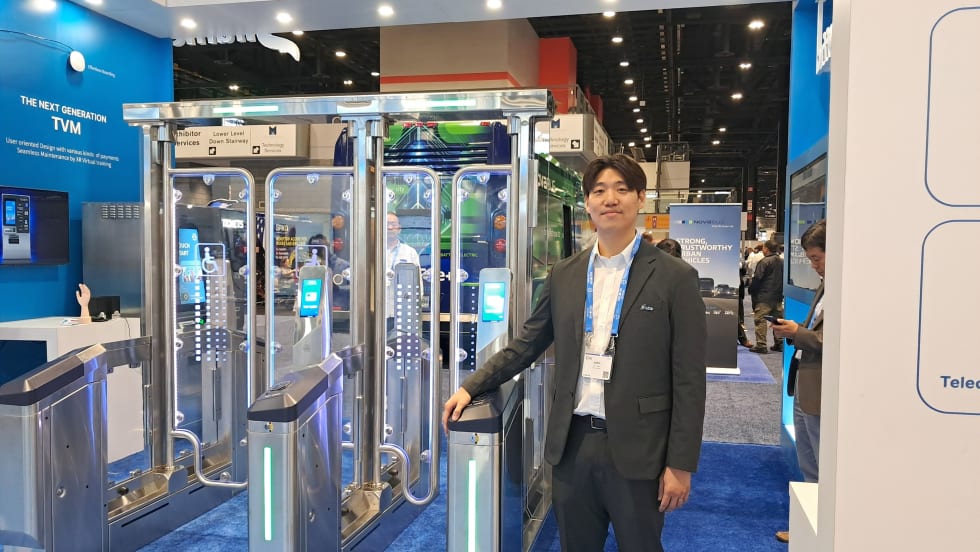
STraffic Expands North American Presence with Fare Collection Technology
Deck: John Moon, Associate Director, Product Strategy at STraffic, discusses the company's growth in North America, its efforts to reduce fare evasion, and more.
Read More →
Study: Denver RTD Generates $2.1 Billion in Annual Economic Activity
An economic impact study finds the agency supports approximately 17,500 jobs, delivers $1.6 billion in annual community and mobility benefits, and generates $2.42 in economic value for every dollar invested.
Read More →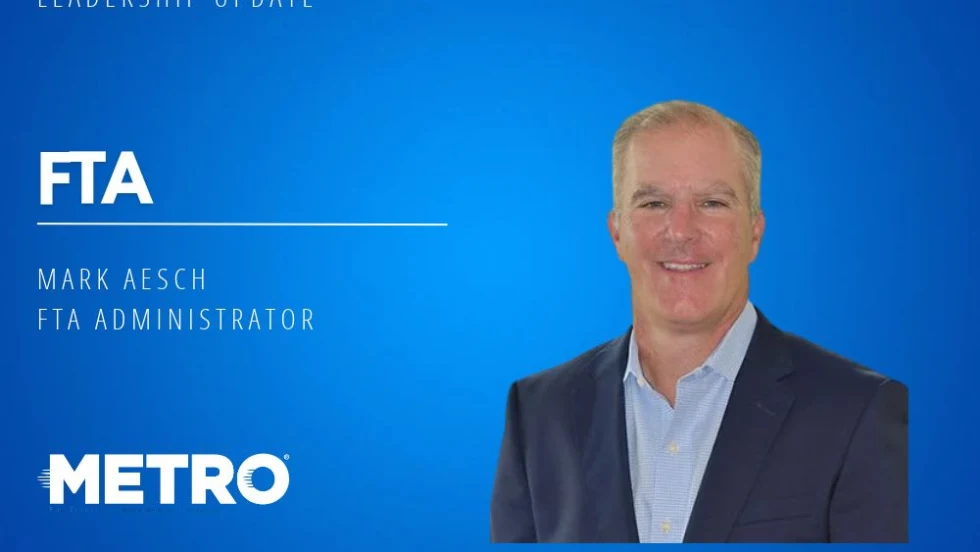
Mark Aesch Nominated to Lead Federal Transit Administration
The former Rochester transit chief and TransPro founder, who has also contributed to METRO Magazine, brings decades of industry experience and a focus on performance, accountability, and financial sustainability to the nomination.
Read More →
Best and Worst U.S. Cities for Public Transportation in 2026
A new analysis of 50 major U.S. urban areas ranks public transit systems based on accessibility, affordability, usefulness, and safety, highlighting where transit performs best and where challenges remain.
Read More →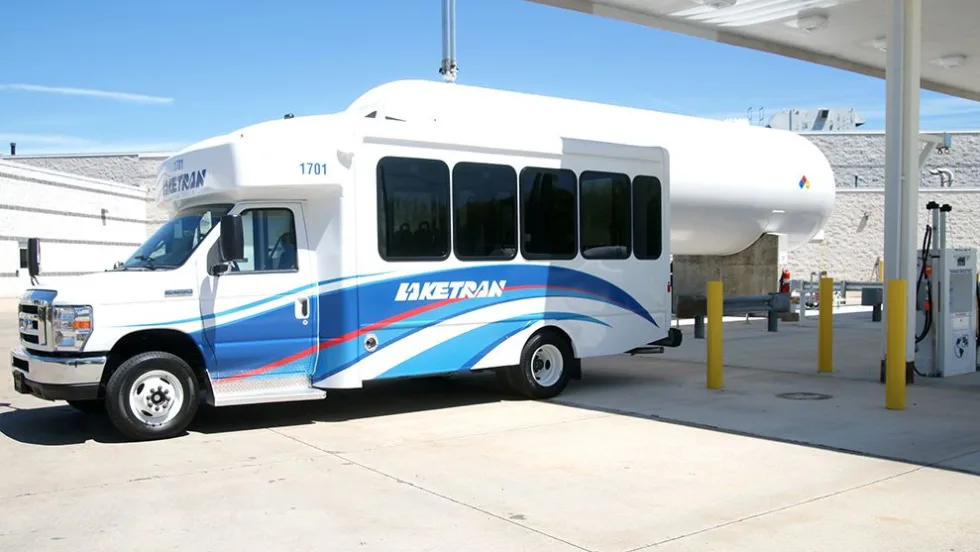
Laketran Cuts Fuel Costs, Boosts Efficiency with Propane-Powered Fleet
The Ohio transit agency is using propane-powered vehicles and on-site fueling infrastructure to cut fuel and maintenance costs while meeting growing demand for paratransit services.
Read More →
Canada’s Public Transit Supports $65.6 Billion in Annual GDP
New research from the Canadian Chamber of Commerce examines transit's economic contributions, including job creation and the financial implications of transportation investment.
Read More →
Pierce Transit Moves to Expand Fleet Following Proposition 1 Approval
The agency authorized the purchase or refurbishment of up to 60 buses to support a 47% service expansion, as voters nationwide approved billions in new transit funding.
Read More →
Right-Sizing Rural Transit: Lessons from North Grenville’s On-Demand Model
A small municipality shows how flexible service, rider needs, and public accountability can expand mobility with limited resources.
Read More →
Transit Ballot Victories Signal Strong Voter Support: What Comes Next?
Voters approved billions in public transportation investments in 2026, giving agencies opportunities to preserve service, expand operations, and strengthen regional connections amid a changing political landscape.
Read More →
Transit Expands Agency Partnerships, Reaching 200 Official App Partners
COO Jake Sion discusses Transit’s growth, the success of its Transit Royale program, and how technology is helping agencies improve the rider experience.
Read More →